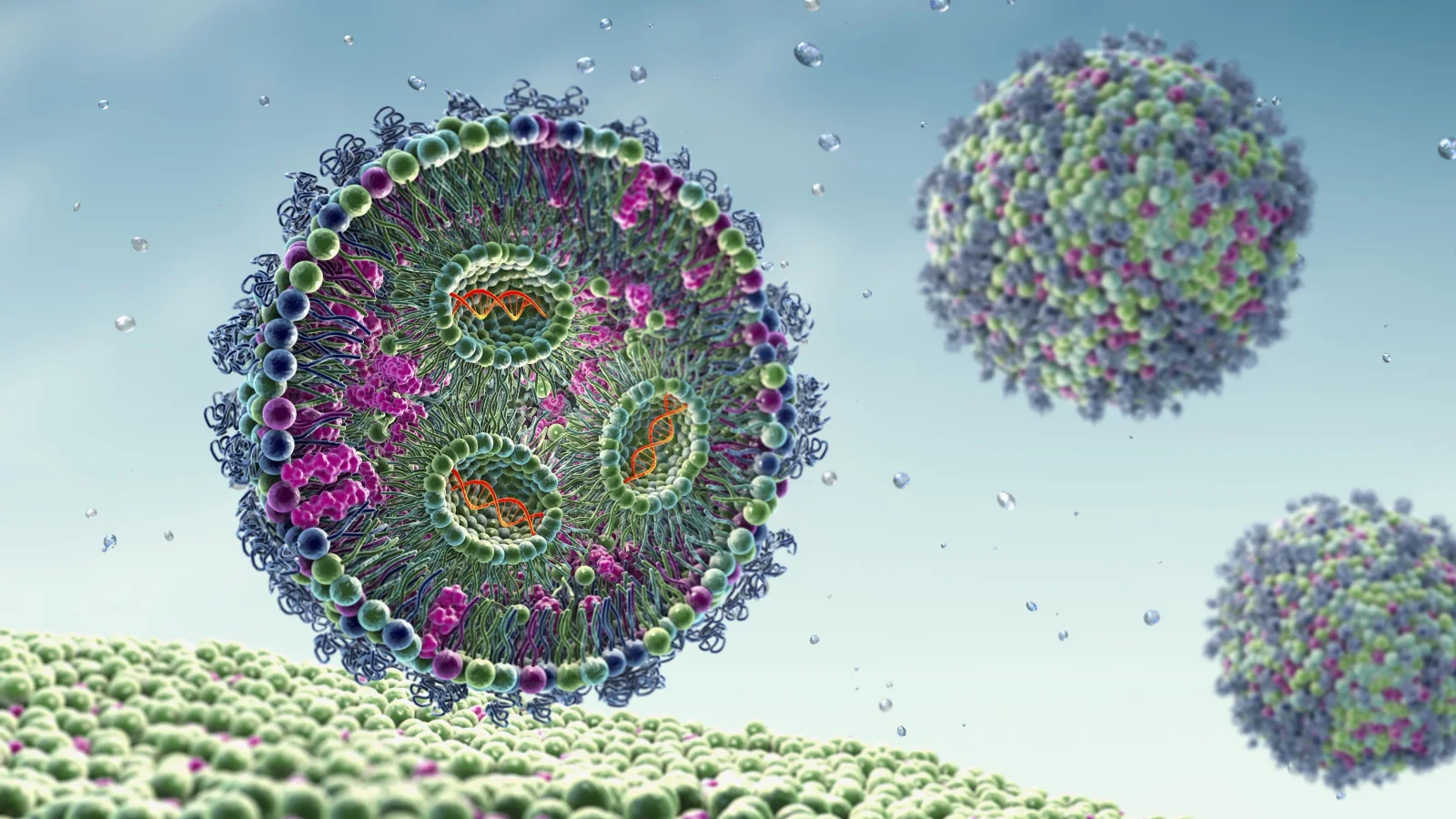
Sanofi has deprioritized its phase 1 mRNA seasonal flu program, scrapping the effort as part of a broader strategic shift, while continuing to pursue an mRNA vaccine for an H5 pandemic and focusing on established influenza vaccines (Fluzone High-Dose, Flublok). The influenza/COVID vaccine franchise generated €2.3 billion last year, a 6% decline from 2024 amid lower US immunization rates, and the company underscored a multi‑platform vaccine strategy, including the Dynavax acquisition, as its growth path.
Georgia is experiencing a very high level of flu activity, with cases and hospitalizations increasing significantly, and the season is expected to continue rising into February. Public health officials recommend vaccination and precautions to mitigate the impact of the flu season.
Flu activity is rising across the U.S., with nearly 5 million illnesses reported, mainly linked to the new subclade K variant, which shows some vaccine mismatch. Despite this, health experts emphasize that getting vaccinated remains crucial to reduce severe outcomes, especially as flu cases and related deaths increase, and vaccination rates among children are lower than pre-pandemic levels.
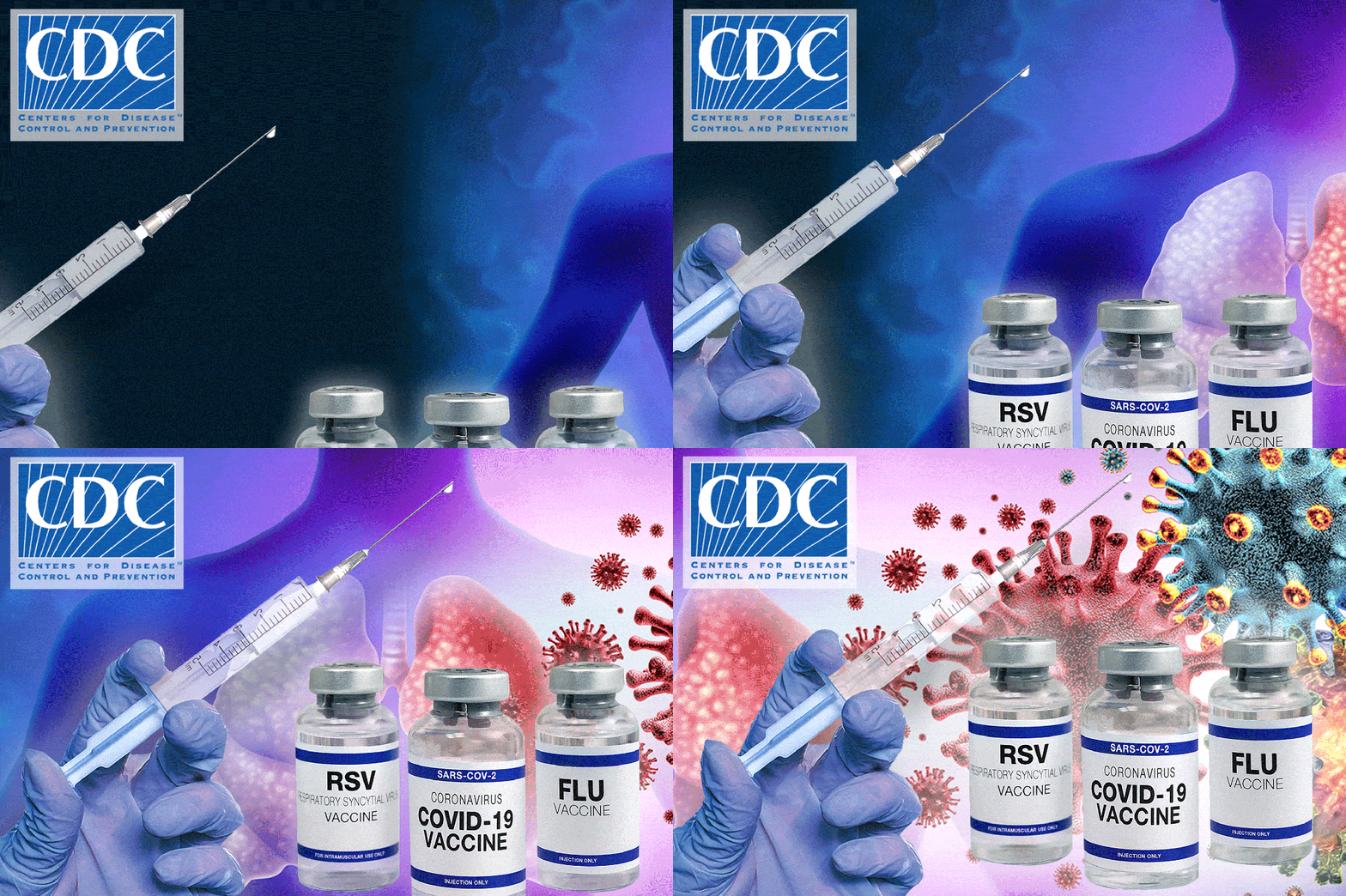
The Centers for Disease Control and Prevention (CDC) is warning of a potential "tripledemic" of COVID-19, respiratory syncytial virus (RSV), and the seasonal flu, which could overwhelm healthcare facilities. To prevent this, the CDC recommends taking advantage of available tools, including COVID-19 booster shots, FDA-approved RSV vaccines, and the highly effective flu vaccine. However, concerns remain about vaccine uptake, with misinformation and vaccine hesitancy posing challenges. Urging people to get vaccinated has been more successful among certain demographics, highlighting existing inequities. The urgency and public outreach efforts seen during the early days of the pandemic have waned, leading to complacency and "COVID fatigue." Additionally, COVID-19 vaccines are no longer fully covered by the federal government, potentially impacting the 30 million uninsured Americans. Vulnerable communities, such as nursing homes and prisons, have shown low vaccine rates. Experts recommend getting flu vaccines for everyone aged 6 months and older, ideally in September or October, and it is possible to receive the flu and COVID-19 vaccines simultaneously. The RSV vaccine is recommended for high-risk groups, such as individuals over 60.
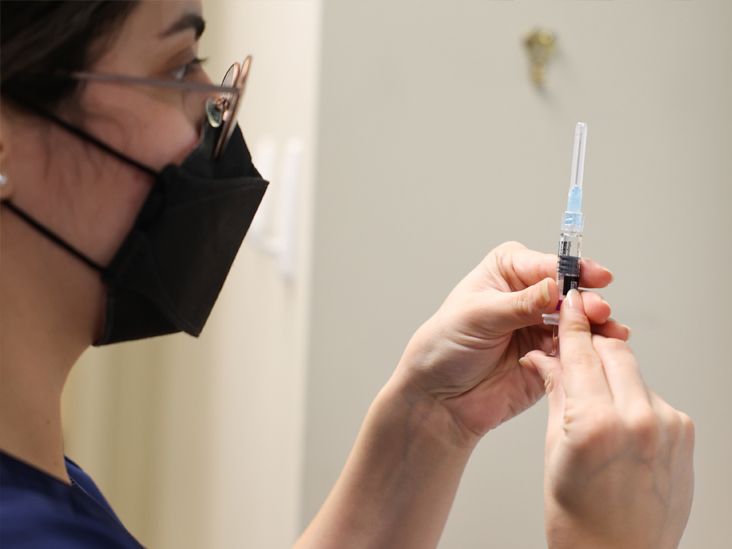
The CDC's vaccine advisory committee recommends that all Americans aged 6 months and older receive a flu vaccine this fall, unless they have health reasons preventing them from doing so. High-risk individuals, including older adults, pregnant people, and those with chronic medical conditions, are especially encouraged to get vaccinated. Several flu vaccines are available, and while they are equally effective, some may be better suited for certain individuals. Timing is crucial, with September and October being the optimal months for vaccination. People with egg allergies can receive any of the flu vaccines, as the risk of severe allergic reactions is unlikely.