Tag

Scientific Journals

All articles tagged with #scientific journals

AI Uncovers Over 1,000 Fake Scientific Journals

Originally Published 4 months ago — by Times of India

Featured image for AI Uncovers Over 1,000 Fake Scientific Journals
Source: Times of India

A US-developed AI tool analyzed over 15,200 open-access journals, flagging more than 1,400 as potentially fraudulent, with over 1,000 confirmed as predatory, to help improve the integrity of academic publishing. The system uses website pattern analysis and is intended as a prescreening aid for human reviewers, not a replacement, and future accessibility to universities and publishers is planned.
"AI-Generated Rat Genitalia Scandal Rocks Scientific Journal"

Originally Published 1 year ago — by Daily Caller

Featured image for "AI-Generated Rat Genitalia Scandal Rocks Scientific Journal"
Source: Daily Caller

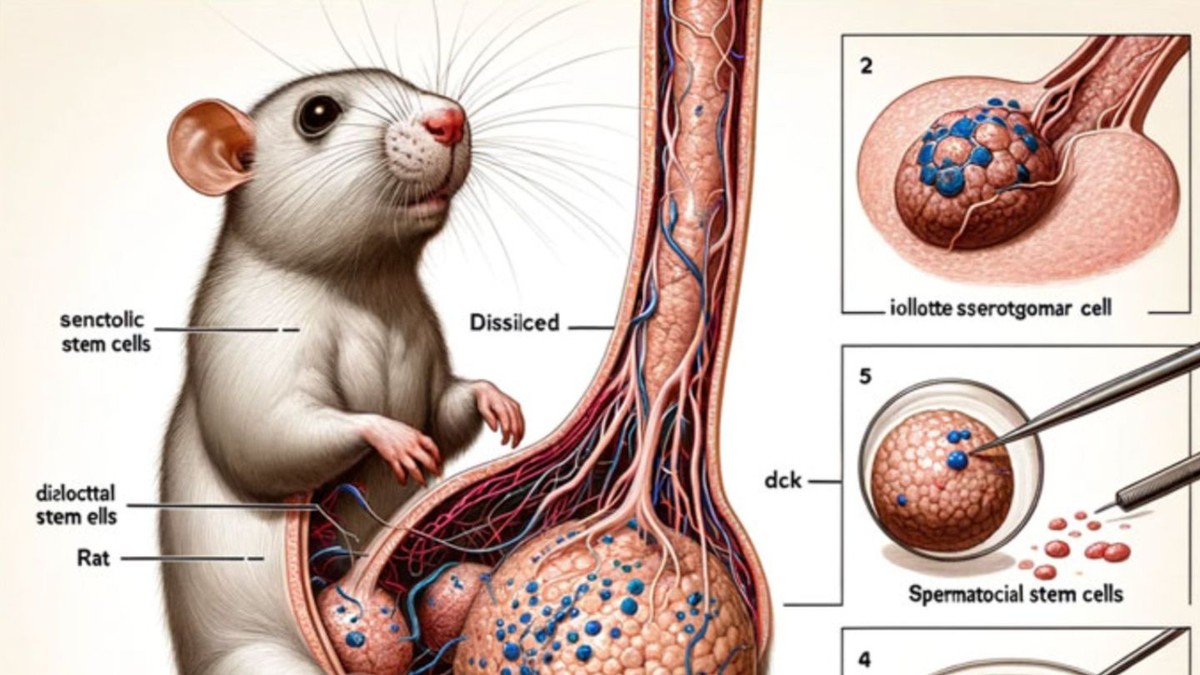
The journal Frontiers in Cell and Developmental Biology retracted a paper purportedly written by researchers from China, which was actually generated by artificial intelligence and featured graphic and nonsensical images, including a rat with a massive penis and four testicles. Concerns have been raised about the oversight in publishing such content, highlighting the potential risks of AI in scientific research. This incident comes amid a nationwide review of research misconduct in China, underscoring the challenges of ensuring the integrity of scientific literature.

"Controversial AI-Generated Rat Image Sparks Journal Backlash"

Originally Published 1 year ago — by The Telegraph

Featured image for "Controversial AI-Generated Rat Image Sparks Journal Backlash"
Source: The Telegraph

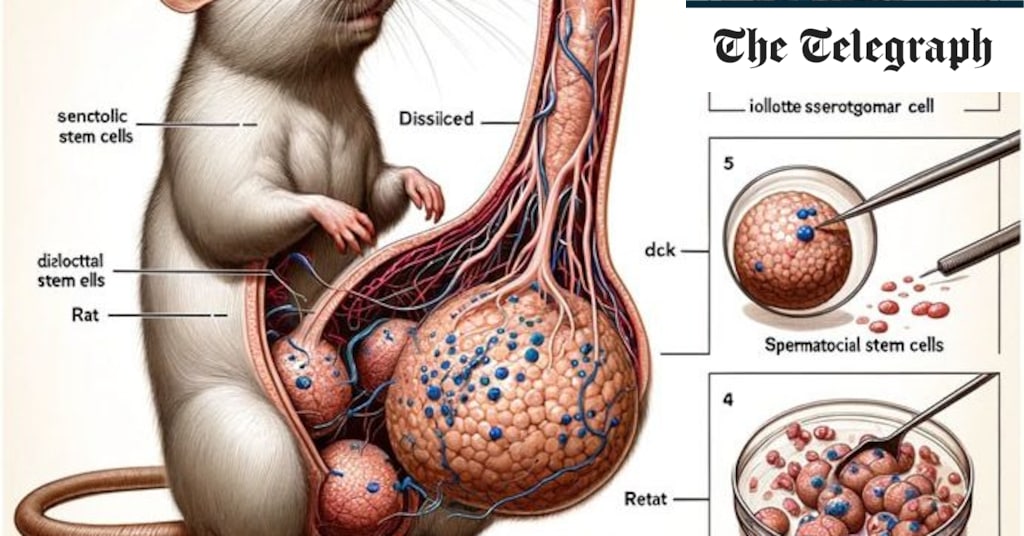
A scientific journal published a paper with absurd graphics, including a rat with an exaggerated anatomy, after using an AI tool to generate the images. The paper, which claimed to depict the signalling pathway of sperm stem cells, has since been retracted, sparking concerns about the potential for researchers to use AI to fake their work. Scientists have criticized the journal for failing to catch the fraudulent imagery, highlighting the need for better detection methods for AI-generated content in scientific literature.

"Controversial AI-Generated Rat Image Sparks Journal Response"

Originally Published 1 year ago — by VICE

Featured image for "Controversial AI-Generated Rat Image Sparks Journal Response"
Source: VICE

A peer-reviewed science journal published a paper with nonsensical AI-generated images, including a wildly incorrect diagram of a rat penis, raising concerns about the infiltration of generative AI into academia. The paper, titled “Cellular functions of spermatogonial stem cells in relation to JAK/STAT signaling pathway,” featured figures with abundant textual and visual nonsense, credited to the generative AI tool Midjourney. Despite the paper's disclosure of AI use, the publisher's policies were not followed, prompting criticism from scientists and observers. This incident highlights the need for updated standards in academia to address the potential harm to the quality and trustworthiness of scientific papers posed by generative AI.

"Investigation Launched into Temple Alzheimer's Researcher Domenico Praticò's Work"

Originally Published 2 years ago — by The Philadelphia Inquirer

Featured image for "Investigation Launched into Temple Alzheimer's Researcher Domenico Praticò's Work"
Source: The Philadelphia Inquirer

Temple University scientist Domenico Praticò's Alzheimer's disease research is under scrutiny after allegations of improper image reuse and data incongruity, leading to the retraction of four studies and criticism of 36 others. Critics, including anonymous voices on PubPeer and science integrity consultant Elisabeth Bik, have raised concerns about potential misconduct or sloppiness in Praticò's work. While Praticò denies engaging in scientific misconduct and blames flaws on a former graduate student in a lawsuit, the case highlights growing concerns about research integrity and the pace of investigations into potential misconduct in academic publishing.

AI Text Detection Tool Unveiled for Science Journals

Originally Published 2 years ago — by Tech Xplore

Featured image for AI Text Detection Tool Unveiled for Science Journals
Source: Tech Xplore

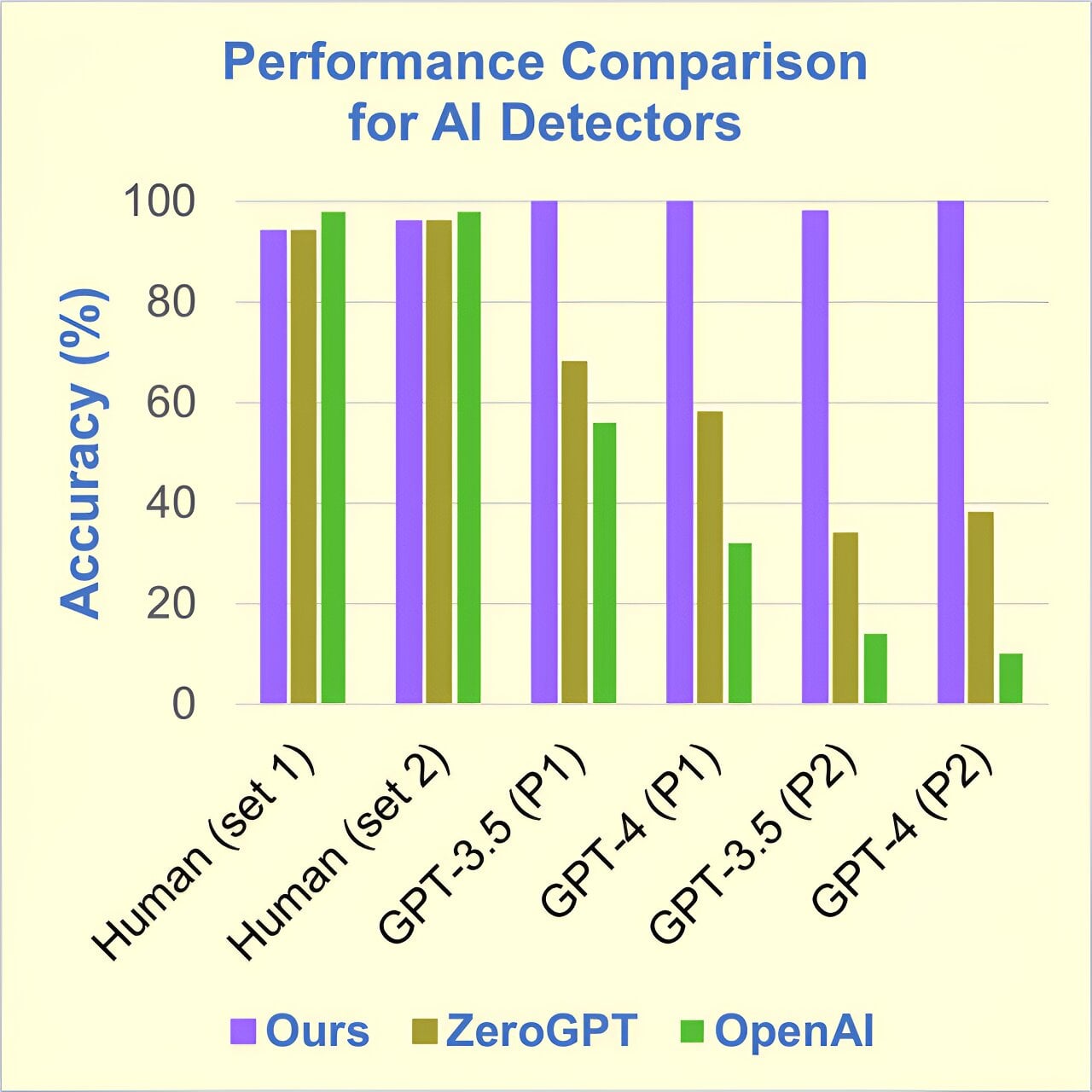
Researchers at the University of Kansas have developed an AI text detector that can accurately distinguish between human-written and computer-generated content in scientific essays, specifically in the field of chemistry. The detector, trained on journals published by the American Chemical Society, achieved almost 100% accuracy in identifying human-authored passages and reports generated by AI models like ChatGPT. Existing AI detectors for general content performed poorly in detecting AI-generated content in scientific papers. The tool aims to help academic publishers assess the infiltration of AI-generated text, mitigate potential problems, and ensure the integrity of scientific literature.

Global Science Journal Faces Mass Walkout Over Unethical Fees

Originally Published 2 years ago — by The Guardian

Featured image for Global Science Journal Faces Mass Walkout Over Unethical Fees
Source: The Guardian

More than 40 leading scientists have resigned from the editorial board of the science journal Neuroimage in protest at the "greed" of publishing giant Elsevier. The academics resigned after Elsevier refused to reduce publication charges, which they describe as "unethical" and bearing no relation to the costs involved. The resignations have been applauded by academics around the world, who hope it will start a rebellion against the huge profit margins in academic publishing. Elsevier, which claims to publish 25% of the world's scientific papers, reported a 10% increase in revenue to £2.9bn last year, with profit margins nearing 40%.