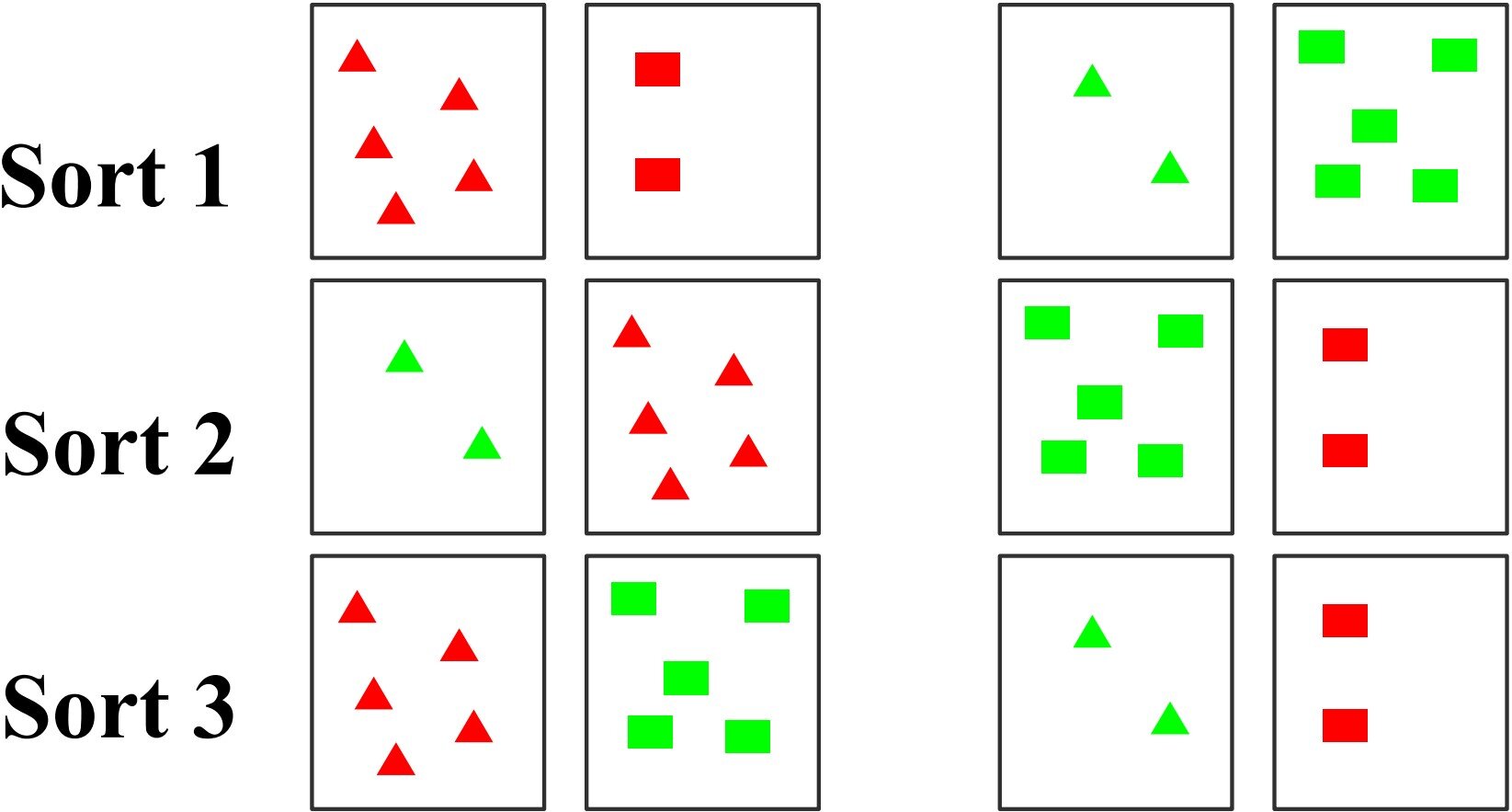
A study suggests that what is commonly called 'executive function' in children may be more influenced by formal schooling and cultural context than innate cognitive abilities, challenging traditional views in psychology and cognitive science.
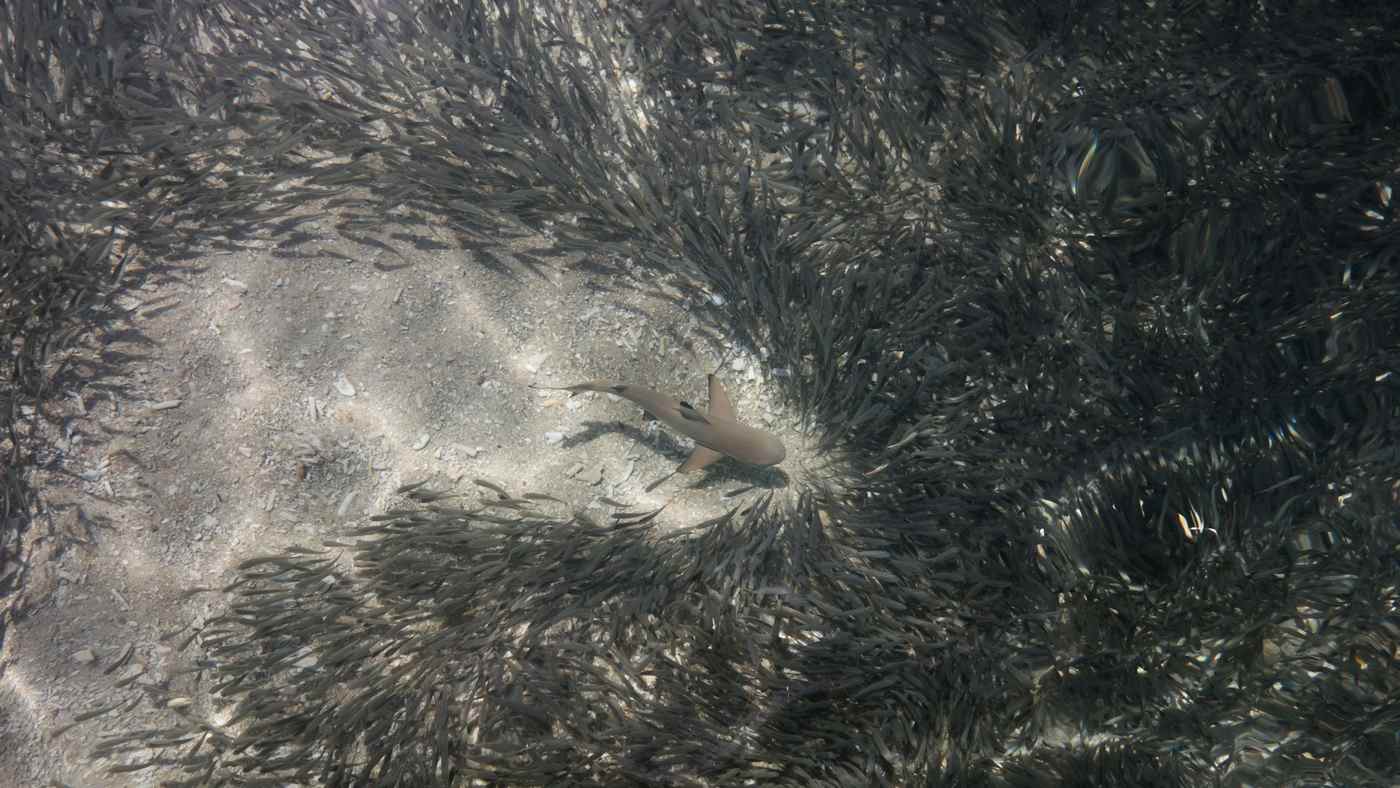
Researchers from Johns Hopkins University have discovered that fish swimming in schools not only provides protection from predators but also reduces their noise, making them more stealthy. Using a 3D model based on the common mackerel, the team found that synchronized tail flapping among fish cancels out each other's sound, effectively reducing the acoustic signature of a school of fish. This noise reduction also enhances their swimming performance, allowing them to swim faster while using less energy. The findings shed light on the evolutionary brilliance of fish schooling as a defense mechanism.
The author shares their experience of their daughter attending public school in Mexico, highlighting some differences compared to the US. These include the requirement of wearing uniforms, the need for parents to donate supplies due to a lack of funding, students going home for lunch instead of having school-provided meals, a shorter summer break, emphasis on vocational programs in junior high, and stronger connections and friendships formed in high school. The author appreciates the benefits of her daughter's education in Mexico, including bilingualism and empathy.