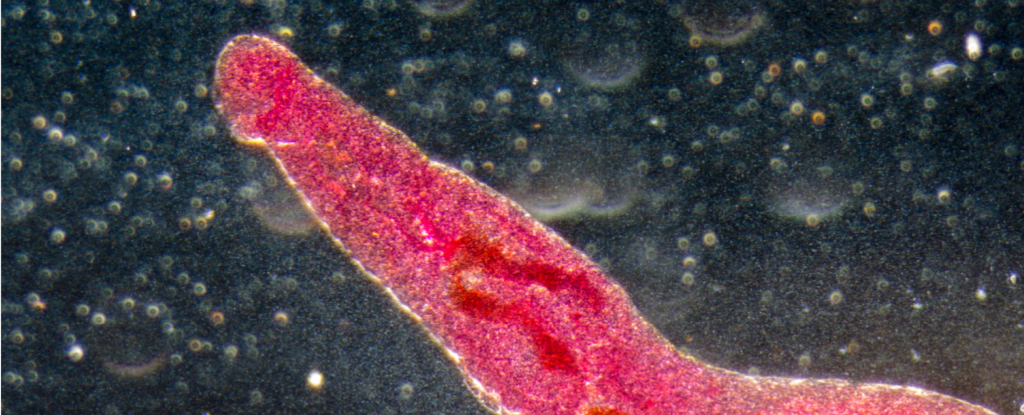
Researchers warn that climate change is facilitating the spread of schistosomiasis, a parasitic disease carried by snails, leading to outbreaks in new regions and disproportionately affecting marginalized populations, especially women and girls, with potential health and reproductive consequences.
Scientists in Brazil have used a radical vaccine strategy involving phage display to identify potential vaccine targets for schistosomiasis, a neglected tropical disease affecting millions worldwide. By analyzing proteins of the Schistosoma parasite, the researchers have identified key proteins driving the immune response to the infection, opening up promising prospects for vaccine development. While early results in mice are encouraging, the track record of schistosomiasis vaccines is challenging, with most candidates failing to elicit a strong immune response or protect against the disease. Nonetheless, this study provides a wealth of new candidates for further exploration in the quest for an effective vaccine.
Penn State immunology researchers have discovered that type I interferon, a protein that is important for the body's defense against viruses, plays a critical role in suppressing inflammation in mice infected with the schistosome parasite. Schistosomiasis is a parasitic disease responsible for more than 250 million human infections worldwide. The discovery may lead to effective therapies for those suffering from schistosomiasis, second only to malaria as the most prevalent parasitic disease globally.