Scale AI is laying off 14% of its staff, mainly in data-labeling, after rapid growth and a recent $14.3 billion deal with Meta. The company is shifting focus to enterprise and government sales following the loss of major clients, reflecting a strategic pivot in response to market changes.
Scale AI is laying off 200 employees, about 14% of its workforce, as part of a restructuring to better align with market demands and reduce inefficiencies after rapid expansion in generative AI capacity. The company plans to focus on core areas like code, languages, and audio, while deprioritizing less promising projects, and aims to hire hundreds more in the second half of 2025.
Scale AI laid off 14% of its workforce, including key executives, following Meta's $14 billion investment and restructuring of its GenAI division, amid questions about its long-term sustainability and client project halts, but the company remains committed to growth and hiring.
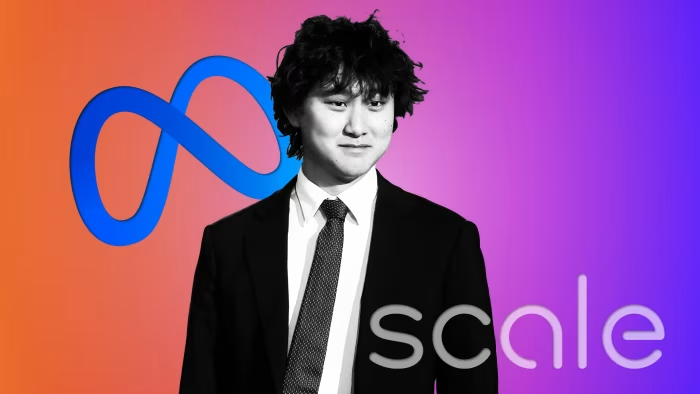
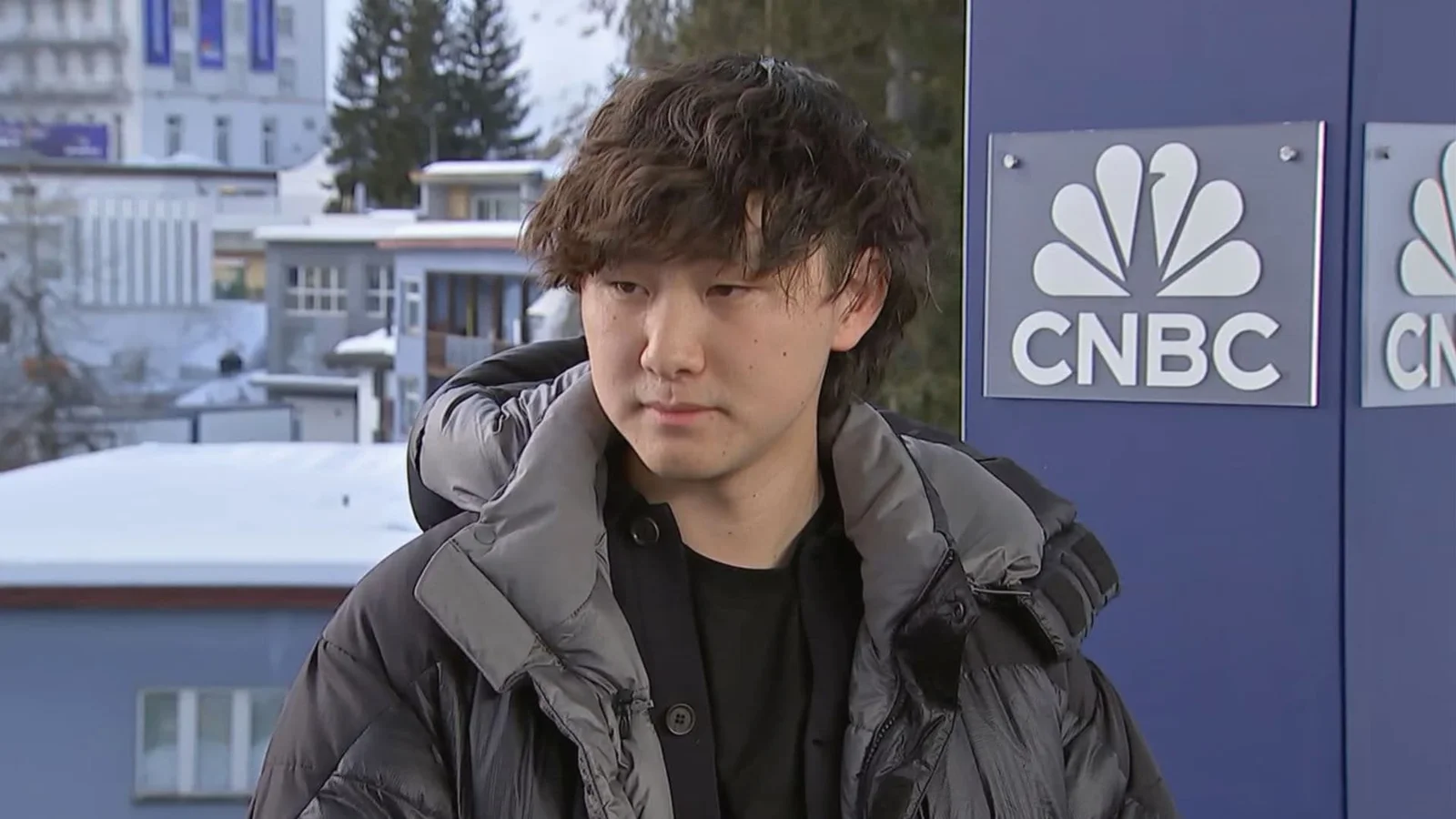
Alexandr Wang, the young CEO of Scale AI, has risen rapidly in the AI industry, culminating in Meta's $14.3 billion acquisition of a 49% stake in his company, signaling Meta's aggressive push for AI supremacy and potential leadership of its AI efforts, despite questions about his fit for a research-focused role.
Meta has invested over $14 billion to acquire a significant stake in Scale AI and hire its young CEO, Alexandr Wang, aiming to boost its AI capabilities and attract top talent amid stiff competition from rivals like OpenAI and Google. Wang, a highly connected operator with a strong network in Silicon Valley and beyond, is seen as a key figure in Meta's strategy to catch up in the AI race, though questions remain about his technical expertise and the company's future prospects.
Meta considered acquiring AI startup Perplexity AI before investing in Scale AI, but the deal was not finalized. The company also attempted to recruit Perplexity's CEO to bolster its AI capabilities amid a broader push to catch up in the AI race, involving significant hires and investments, including a $14.3 billion stake in Scale AI.
Uber is expanding its AI data labeling services through Uber AI Solutions, aiming to compete in the market following Scale AI's deal with Meta. The company is offering ready-to-use datasets, licensing its internal platforms, and developing automation tools to streamline project setup. With a presence in over 30 countries and a growing network of clickworkers, Uber seeks to leverage its size and experience to establish a significant position in the AI data labeling industry, amidst increased competition and industry shifts.
A little-known startup has rapidly surpassed Scale AI in growth without any external investors, attracting attention from top tech and business leaders.
Mark Zuckerberg is investing heavily in generative AI, including a $14.3 billion deal to buy a stake in Scale AI and plans to spend over $1 billion on top AI talent, signaling a strategic shift in Meta's AI ambitions.
Following Meta's $14.3 billion investment in Scale AI, major tech companies like Google, OpenAI, and xAI have paused projects with Scale AI, raising concerns about the startup's future business stability and client relationships, especially as some investors are selling their stakes amid doubts about the impact of Meta's involvement.
OpenAI is ending its collaboration with Scale AI, a data-labeling startup, following Meta's significant investment and hiring of Scale's founder. This move reflects OpenAI's shift towards more specialized data providers to support advanced AI models, amidst concerns about Meta's stake revealing competitors' AI efforts. The decision marks a change from earlier plans to continue working with Scale, as OpenAI seeks better data expertise for developing human-like reasoning AI.
Google is shifting away from Scale AI, a key player in human-in-the-loop AI training, after Meta Platforms acquired a nearly 50% stake in the company for $14.3 billion, signaling a strategic move by Meta to bolster its AI capabilities and control over training data, while Google seeks alternative providers to protect its proprietary datasets.
Meta initially agreed to acquire Scale AI but later sought a higher price, highlighting ongoing negotiations and strategic considerations in the tech industry.
Meta invests $14.3 billion in Scale AI, acquiring a 49% stake and appointing CEO Alexandr Wang to lead a new AI lab focused on developing superintelligence, signaling a major push to catch up with competitors like OpenAI and lead in global AI innovation.
Google plans to end its partnership with Scale AI after Meta's significant investment in the startup, which has led to concerns among other AI companies about sharing proprietary data. This shift is driven by Meta's 49% stake in Scale AI, valued at $29 billion, and Google’s efforts to diversify its data providers. The move opens opportunities for competitors like Labelbox and Handshake to gain market share, while Scale AI's revenue and customer base could be impacted. The deal also positions Scale AI's CEO to lead Meta's AI initiatives.