Atomic-6 has developed 'Space Armor,' a new composite tile technology designed to protect satellites and astronauts from high-velocity space debris, offering a lightweight, durable, and communication-transparent shielding solution that has undergone extensive testing and will be deployed in orbit next year.
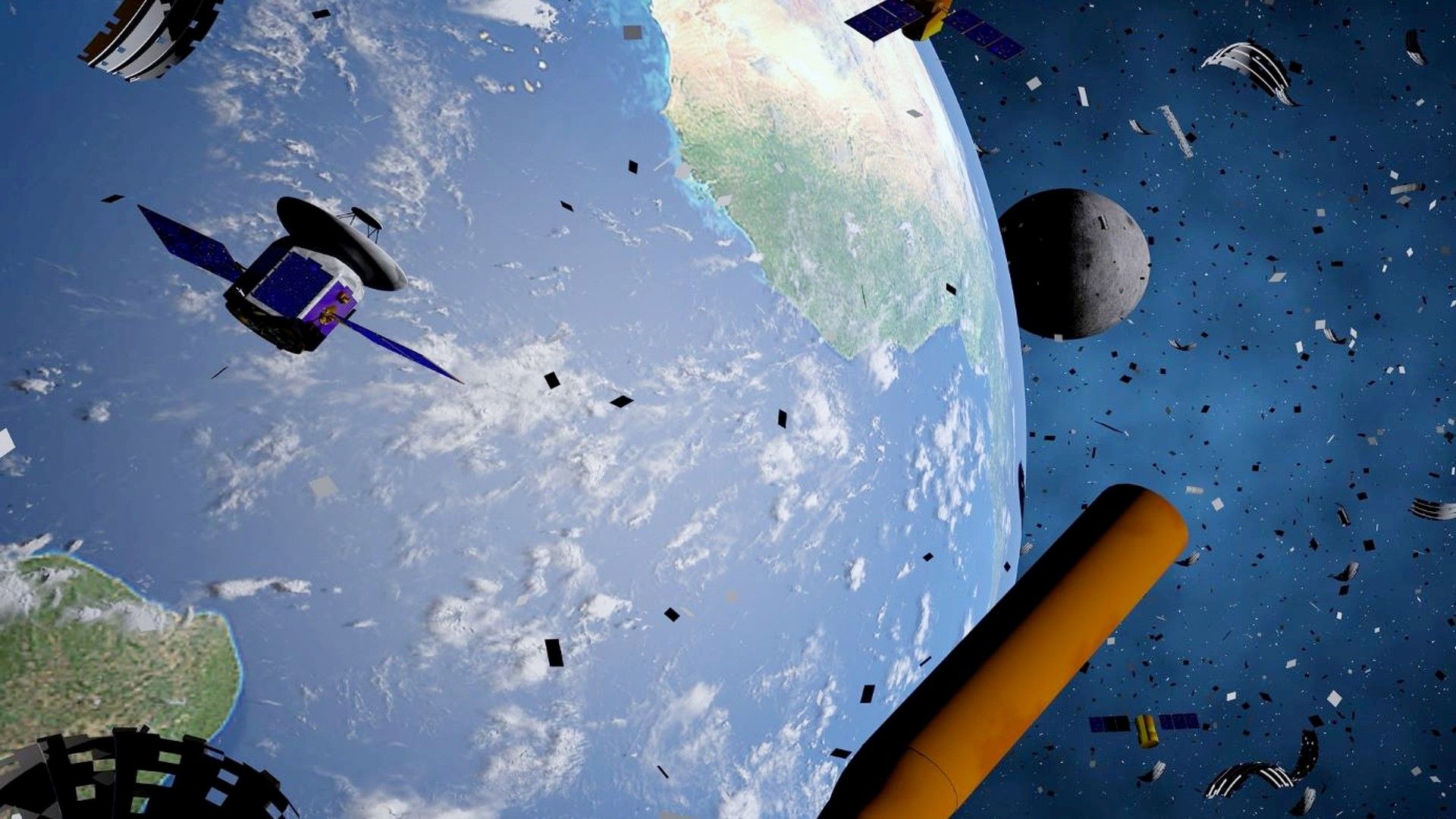
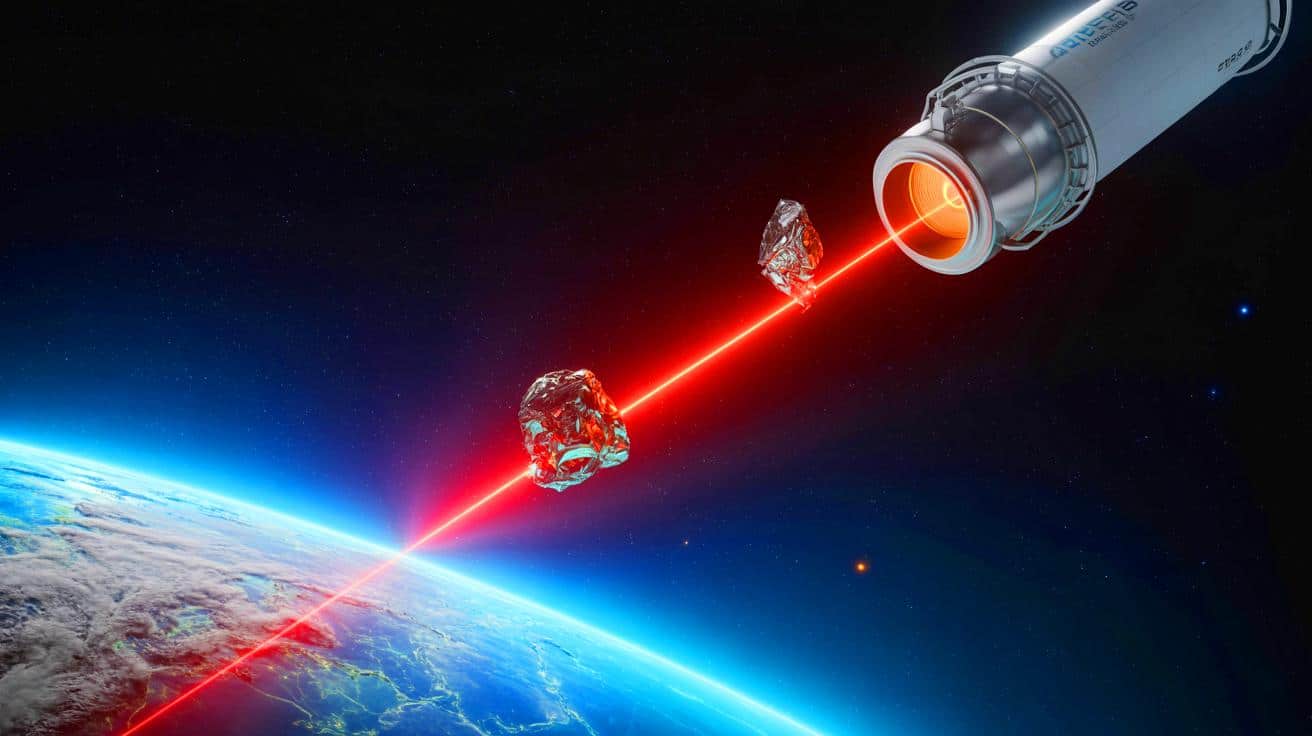
The European Space Agency (ESA) is developing a laser system to deflect space debris and prevent collisions, addressing the growing problem of space clutter that threatens satellites and astronomical observations. Using telescopes at Mount Teide, the system aims to gently alter debris trajectories, though it currently only offers limited adjustments and faces challenges from Earth's atmosphere. This initiative could inspire global efforts to enhance space safety and sustainability.
A new NASA report suggests that dealing with space debris could be more cost-effective than previously thought. The report evaluates over 10 strategies for mitigating, tracking, and removing orbital debris, comparing their cost-effectiveness. It aims to find the most economical ways to protect satellites and the space environment, considering both direct damage and the costs of avoiding debris. The study is part of NASA's broader effort to improve space sustainability by applying an economic perspective to the issue.
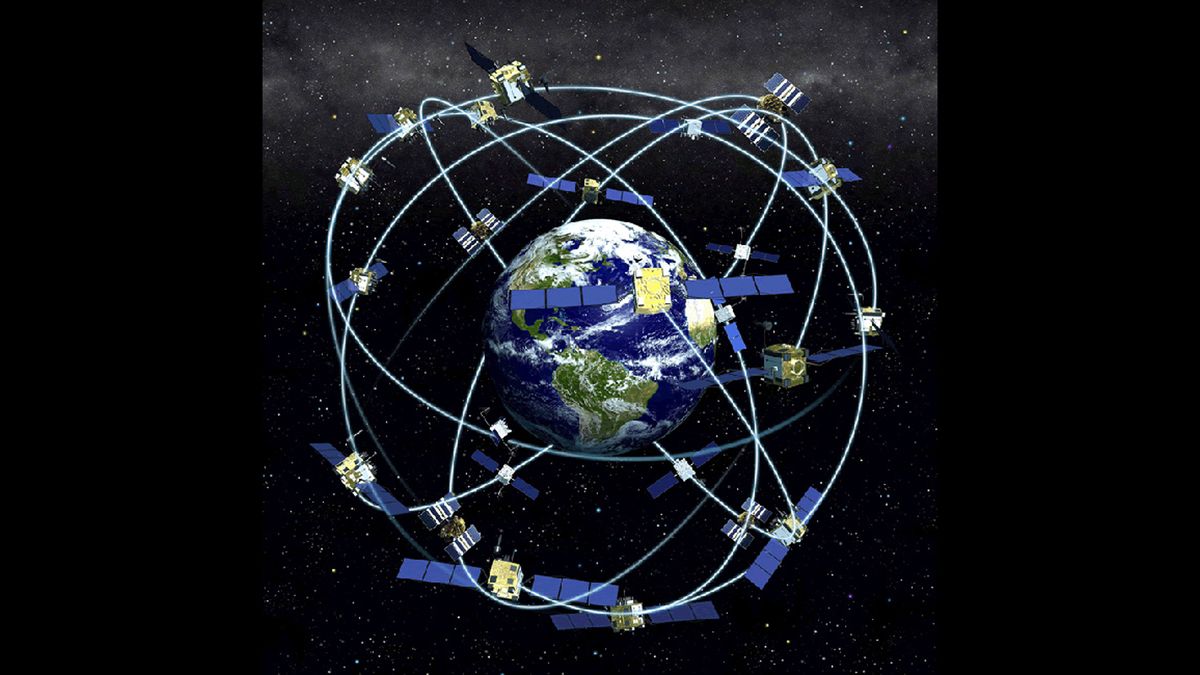
A new study by researchers from the British Antarctic Survey (BAS) has found that mild solar storms can cause more serious problems for GPS satellites than once-in-a-century events. The study analyzed 20 years of satellite data and discovered that the most challenging incident for GPS spacecraft came from a minor solar storm in 2010, while the most significant space weather event in recent history, the 2003 Halloween storm, left the GPS satellites mostly unscathed. The study also revealed that the killer electrons, which can cause irreparable damage to satellites, may linger inside the spacecraft long after the solar storm has passed. While the GPS constellation is designed to withstand solar storms, disruptions in the signals emitted by the satellites can render high-accuracy positioning services unreliable, particularly in aviation.