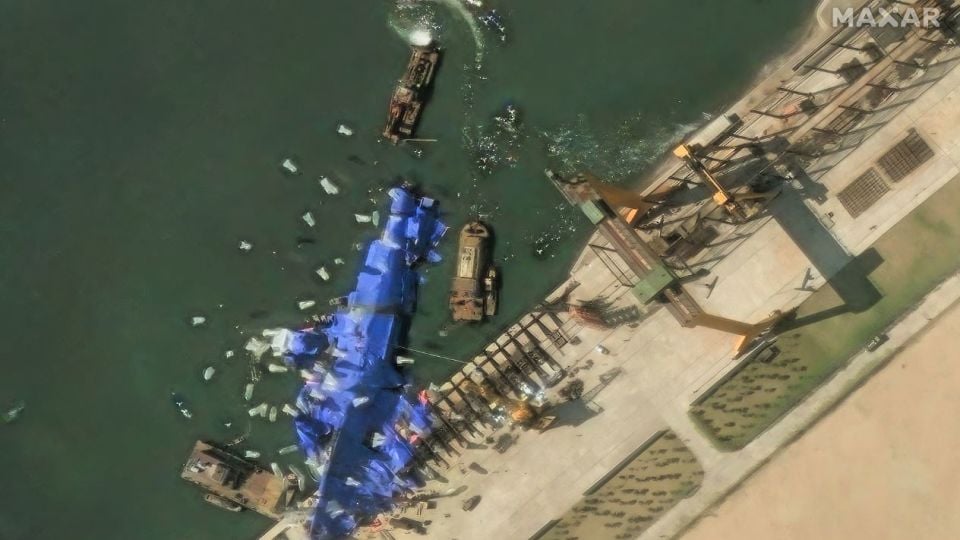
Satellite images reveal North Korea deploying balloon-like objects around a damaged warship, possibly to aid in its repair or prevent drone reconnaissance, amid complex salvage challenges following a failed launch that left the ship partially submerged and stranded.
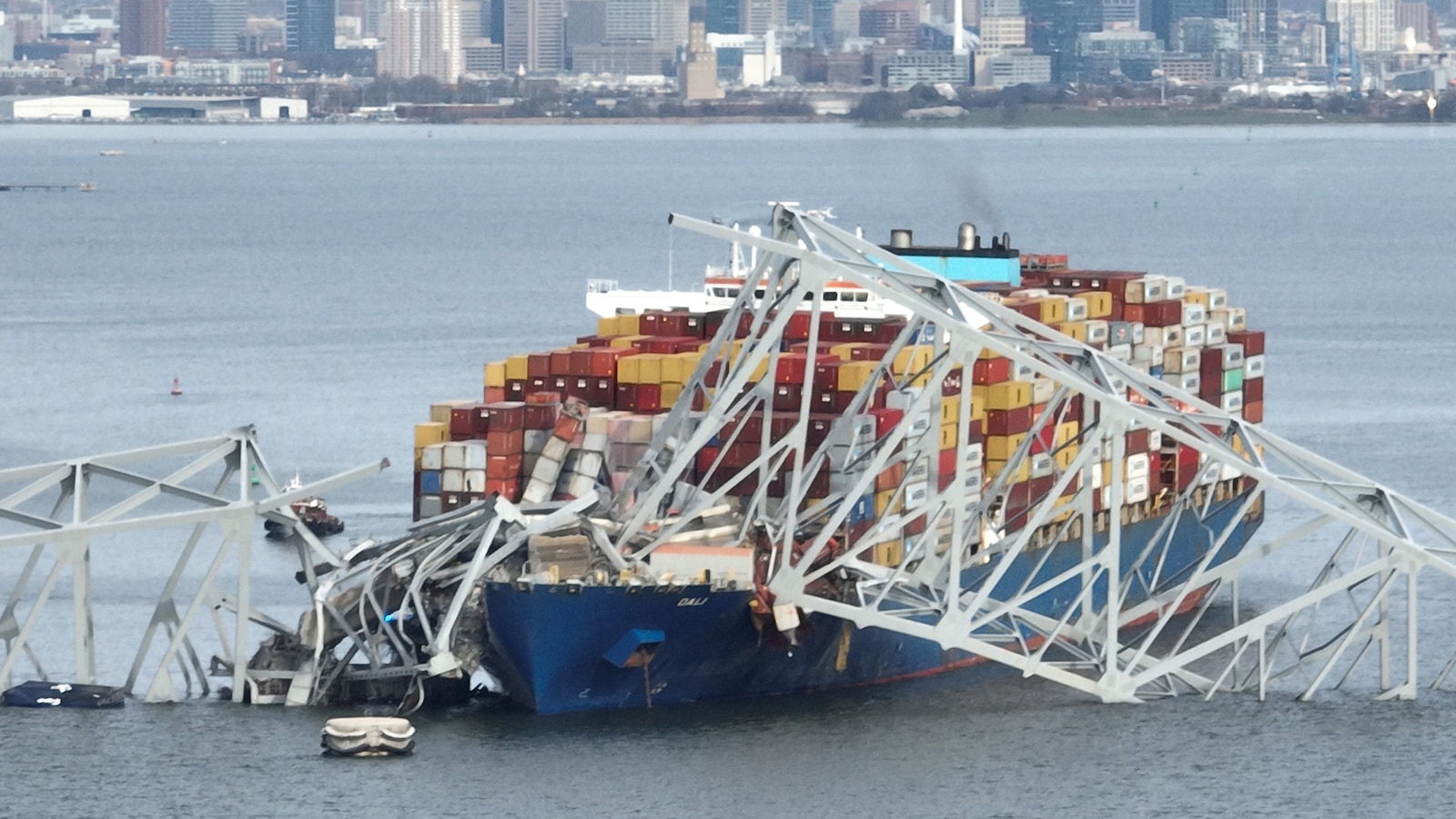
Salvage crews are using a massive crane to remove sections of the collapsed Francis Scott Key Bridge in Baltimore, while also working to recover the remaining bodies and clear the harbor. The FBI has launched a criminal probe into the bridge collapse, focusing on the cargo ship involved and potential violations of federal maritime law. The ongoing recovery operation aims to open a temporary channel for commercial traffic through the Port of Baltimore, which has been severely impacted since the collapse.
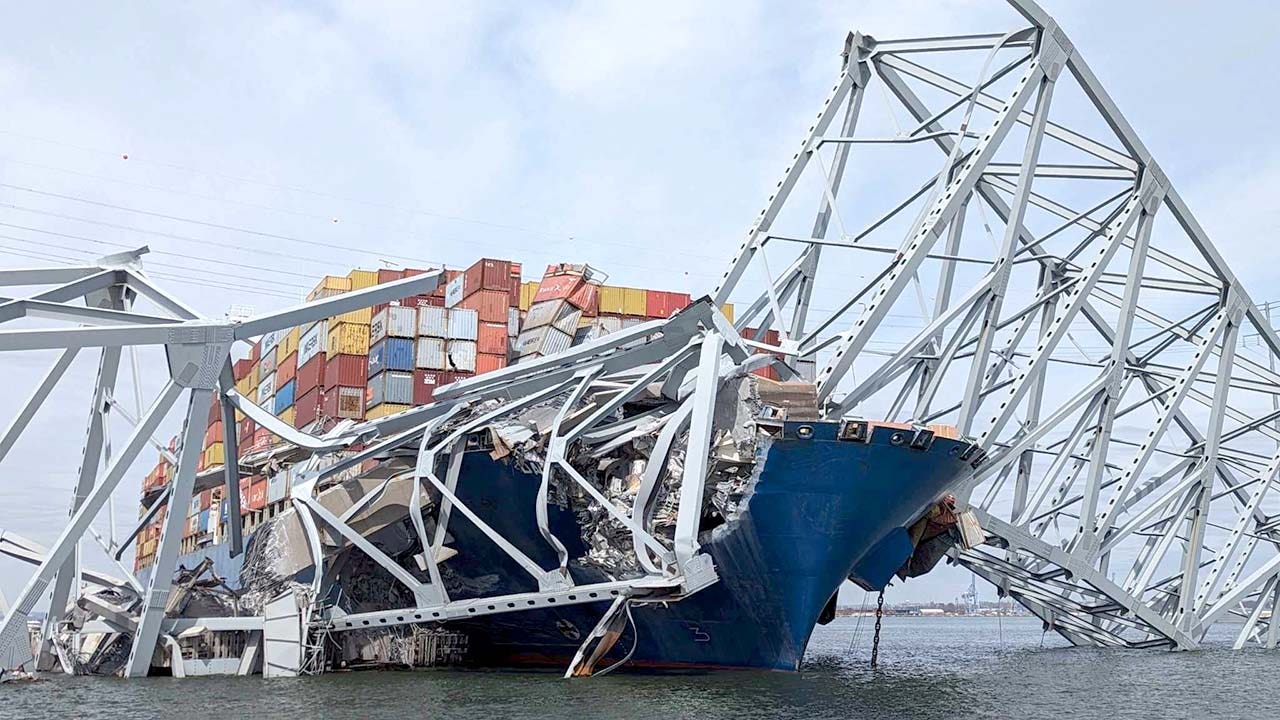
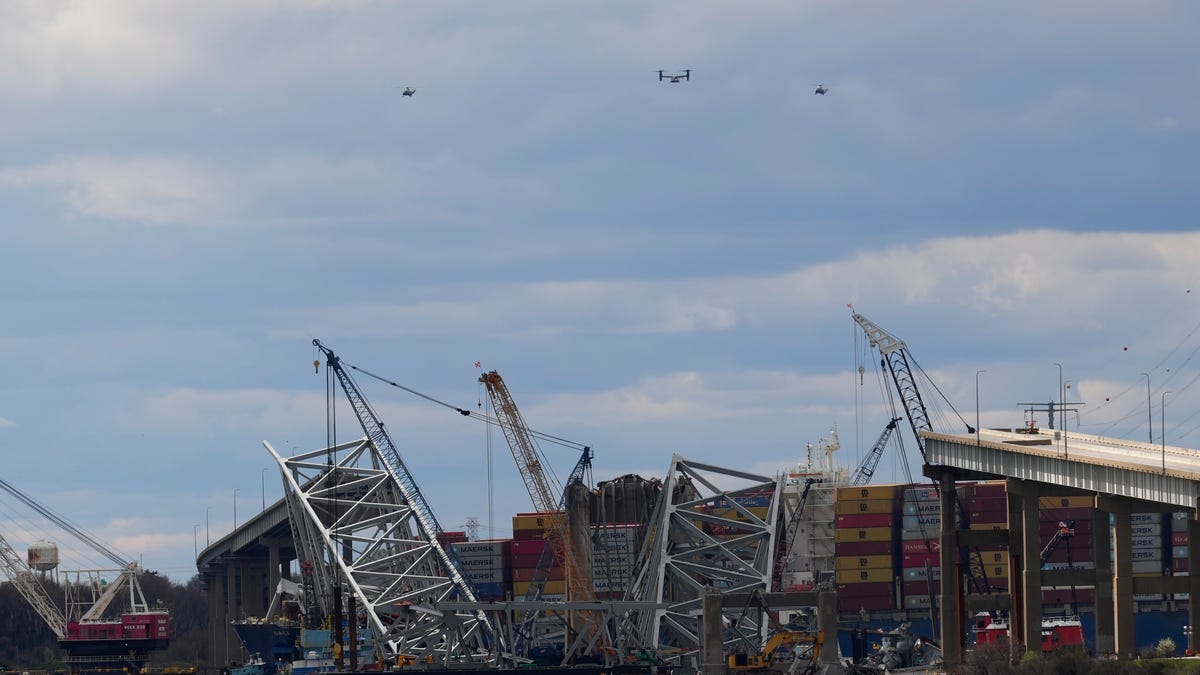
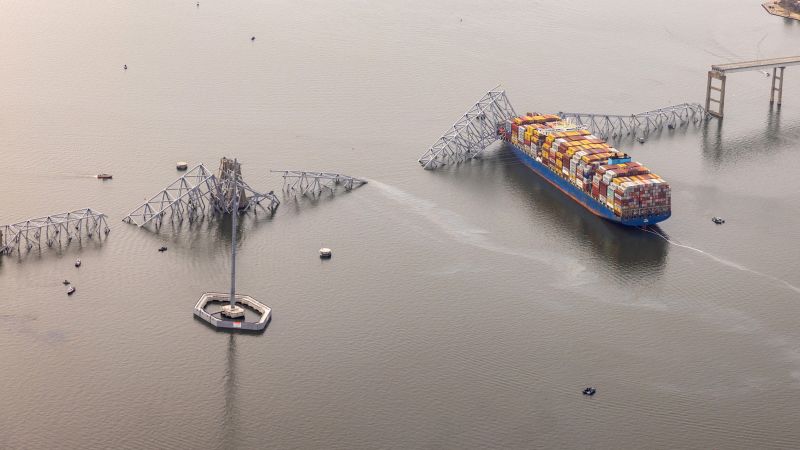
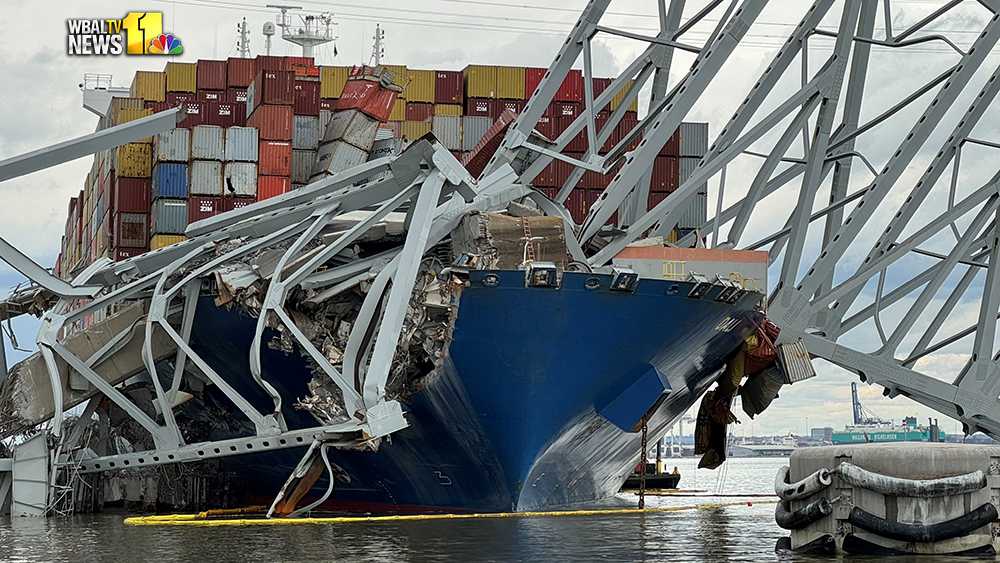
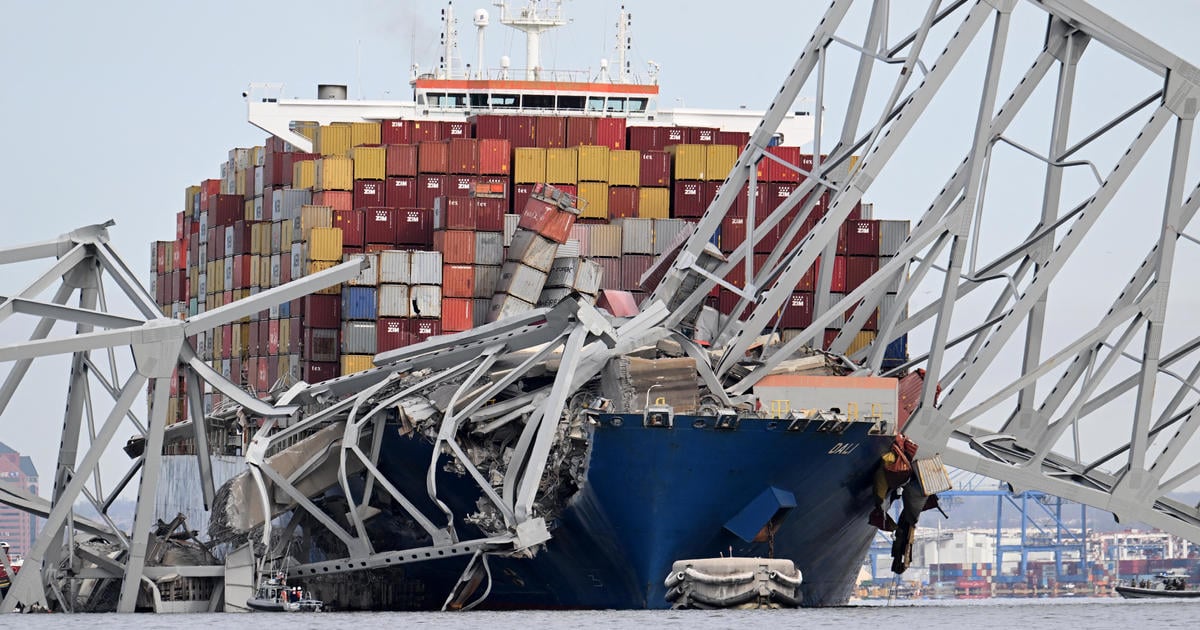
Salvage crews are using a massive crane to remove wreckage from the collapsed Francis Scott Key Bridge in Baltimore, with the heaviest section weighing 450 tons. The operation aims to recover the remaining bodies, open a temporary channel for commercial traffic, and reopen the Port of Baltimore's main channel by the end of May. The salvage work is complex and dangerous, involving underwater surveys and careful dismantling, while also addressing the dynamic hazard posed by the cargo ship Dali.
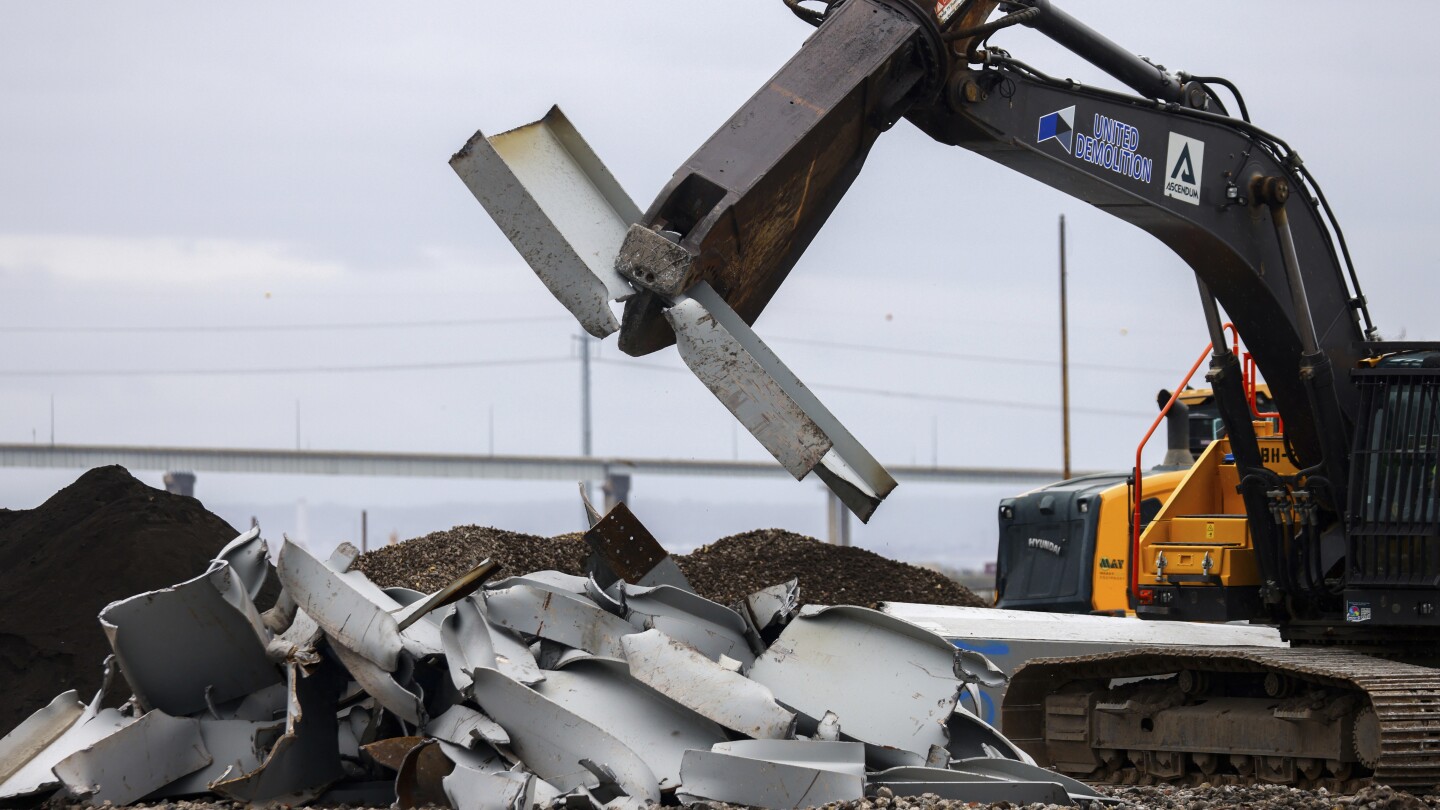
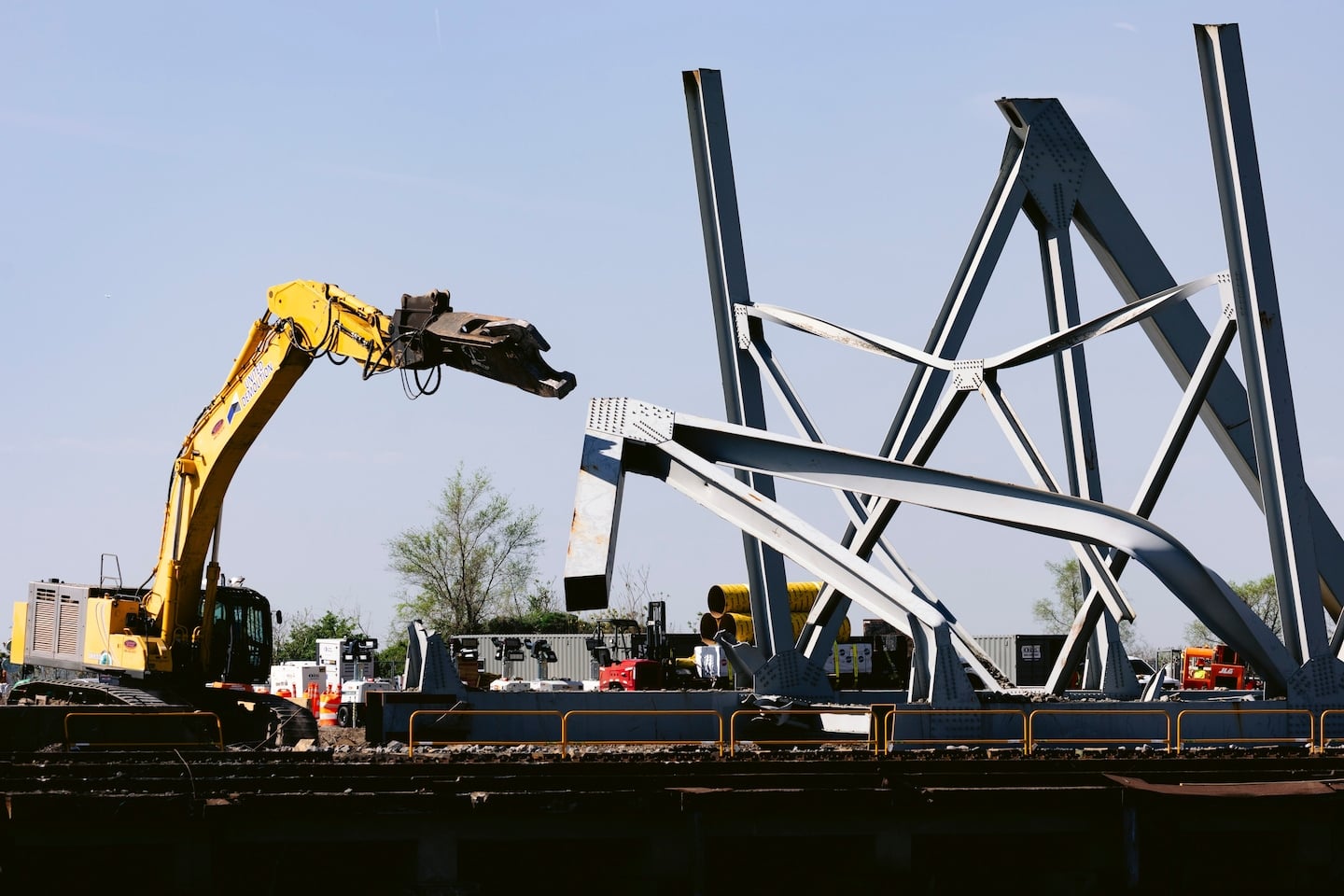
Crews are working tirelessly to clear the wreckage of the collapsed Francis Scott Key Bridge in the Port of Baltimore, a task made even more challenging by the sheer size of the pieces involved. The operation involves divers surveying the wreckage, cutting the trusses into manageable sizes, and using one of the largest floating cranes on the East Coast to hoist the massive chunks out of the water. The cleanup is a round-the-clock operation, with the goal of reopening the port by the end of May, and local companies are helping recycle the debris. The FBI has opened a criminal probe into the disaster, and there is immense pressure to get the waterway open due to its impact on the economy.
A salvage team has recovered the body of another victim from the Francis Scott Key Bridge collapse in Baltimore, bringing the total number of deceased to six. Two workers remain unaccounted for and are presumed dead after a cargo ship crashed into the bridge on March 26. The recovered victim has not been publicly identified at the family's request. Salvage operations are ongoing as authorities continue to mourn the lives lost and work to recover the remaining missing individuals.
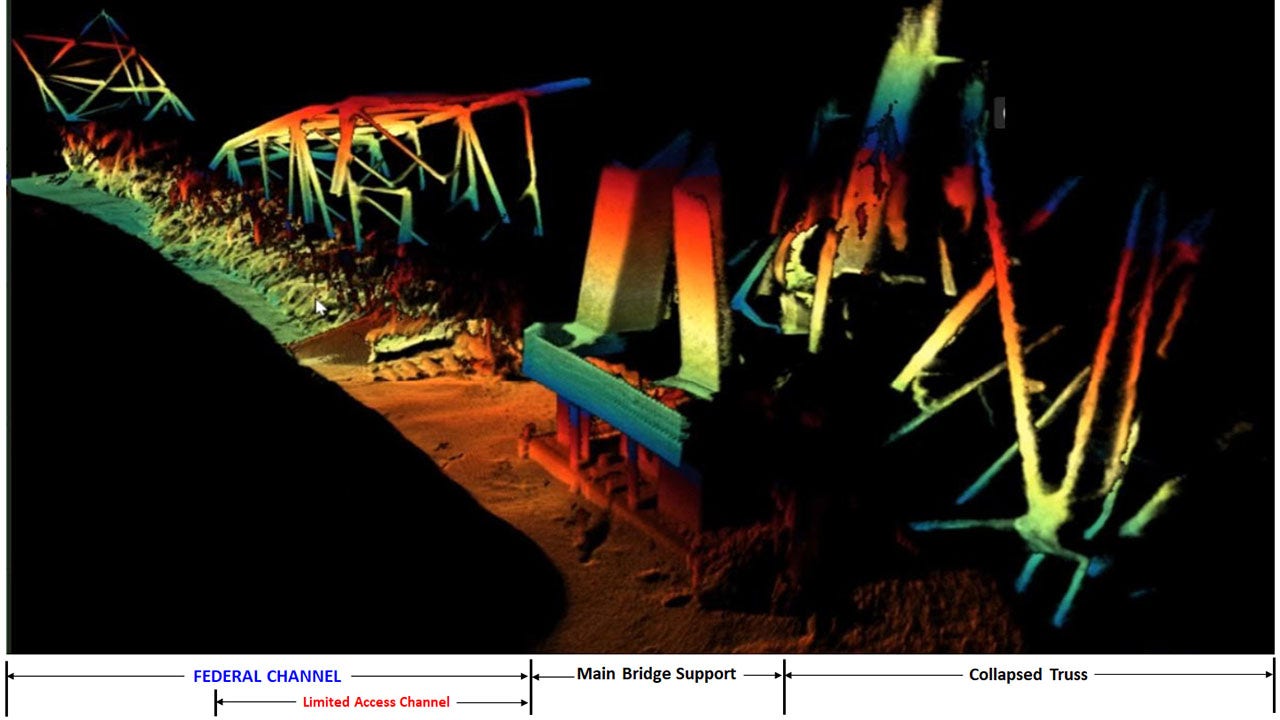
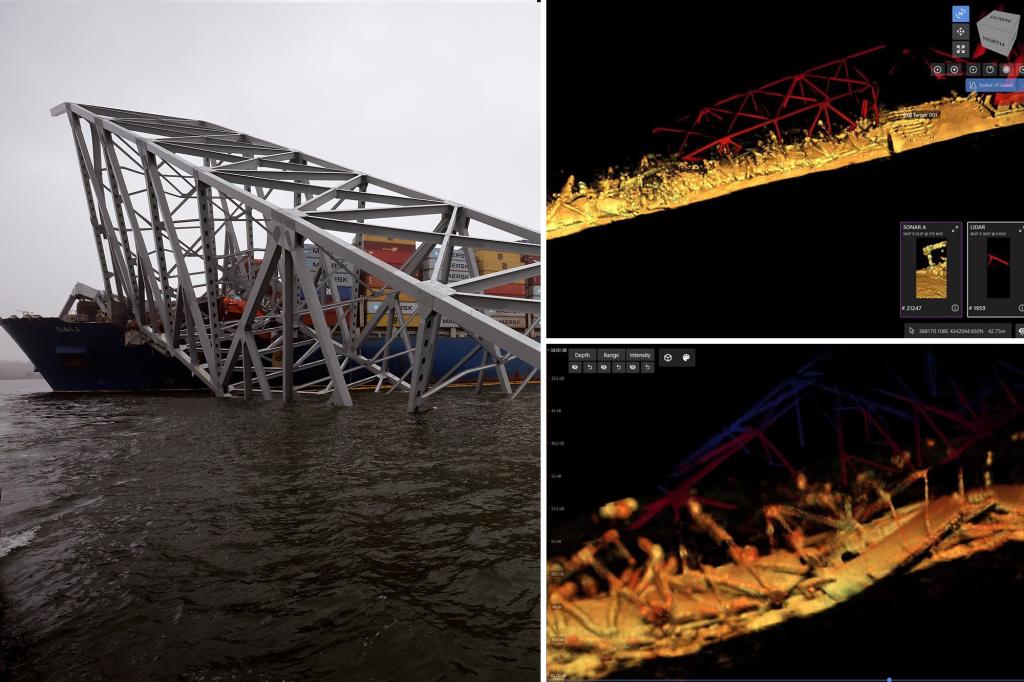
New sonar images released by the U.S. Army Corps of Engineers reveal the sunken remains of the Francis Scott Key Bridge in Baltimore, which collapsed on March 26 after being struck by a cargo ship. Salvage crews are working to remove the wreckage and containers from the ship, while the bodies of three construction workers have been recovered. The images show the bridge wreckage in the federal shipping channel, and plans are underway to create a Limited Access Channel to accommodate larger ships in and out of the Port of Baltimore.
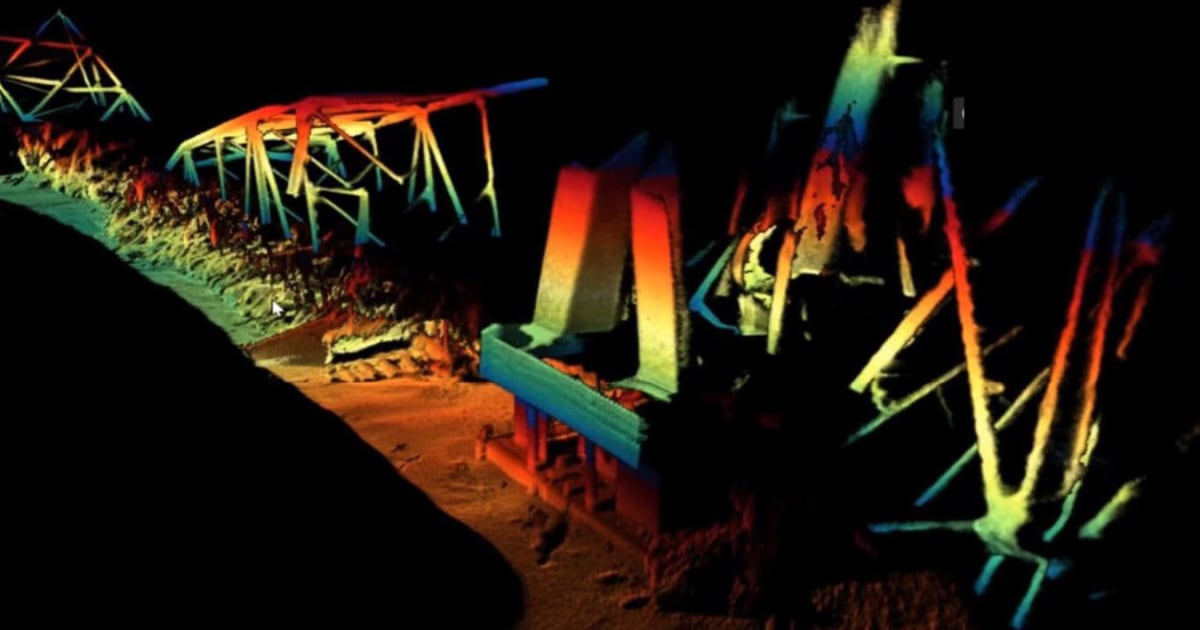
Sonar images provided by NAVSEA and SUPSALV show the wreckage of the Francis Scott Key Bridge following its collapse, with the U.S. Army Corps of Engineers posting the images on social media. The images reveal the challenging salvage operation ahead, with sonar technology playing a crucial role in generating detailed maps and images for recovery efforts. Six construction workers were killed in the collapse, and while one body has been recovered, three victims remain unrecovered.
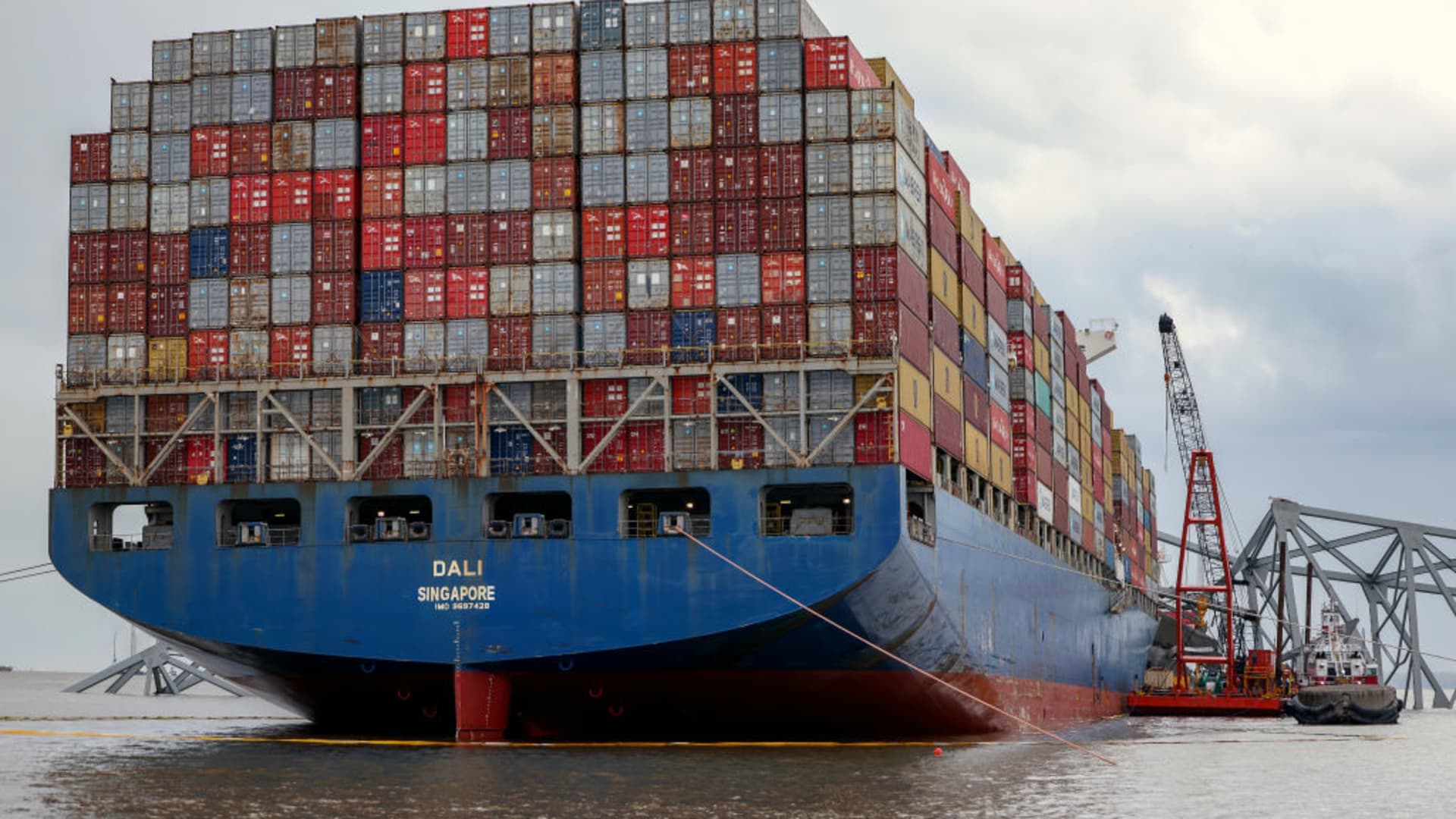
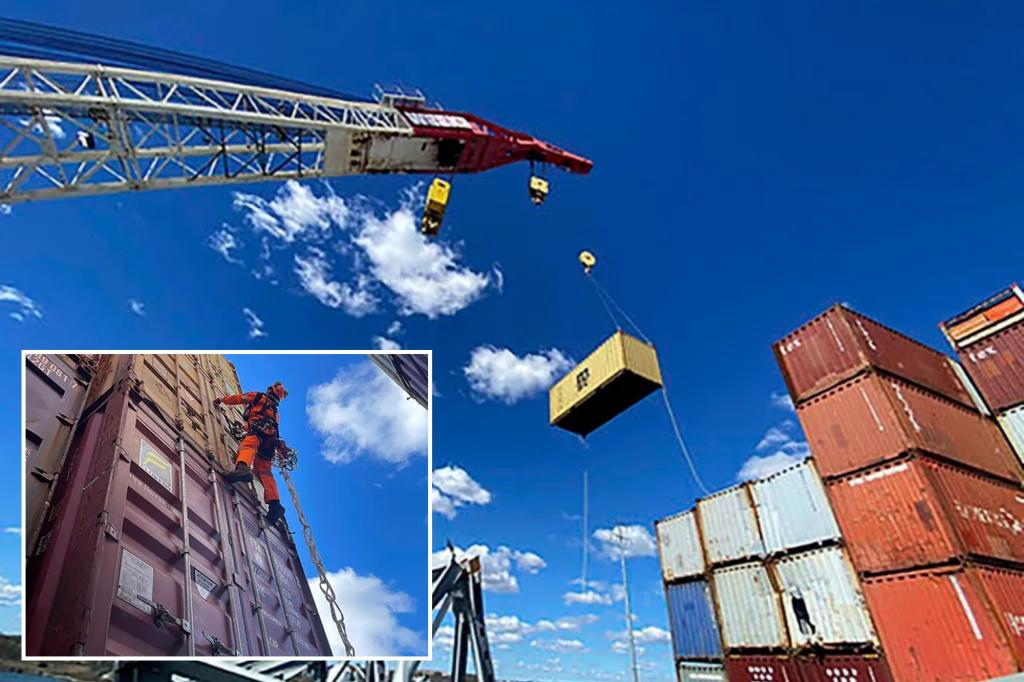
Salvage crews have begun removing containers from the cargo ship Dali, which crashed into the Francis Scott Key Bridge in Baltimore last month, marking a crucial step in reopening the main channel. The work will help safely move the ship and allow for safe access to remove sections of the bridge. Temporary alternate channels have been established, and plans are in place to open a new channel in the Port of Baltimore by the end of April and restore port access to full capacity by the end of May. Efforts are also ongoing to recover the bodies of the six construction workers who died in the collapse.
Salvage crews have begun removing containers from the cargo ship Dali, which collided with the Francis Scott Key Bridge in Baltimore, in an effort to reopen one of the nation's main shipping lanes. The removal of containers and sections of the bridge is ongoing, with 32 vessels having passed through temporary channels. President Biden toured the site and met with the families of the six workers who died in the accident, while the search for the remaining victims continues. Officials aim to open a limited-access channel for vessels by the end of April and restore normal capacity to Baltimore's port by May 31.
Salvage crews have begun removing containers from the cargo ship Dali, which crashed into and collapsed Baltimore's Key Bridge, obstructing an important shipping lane. The removal of containers and sections of the bridge is underway, with 32 vessels having passed through temporary channels. Efforts are being made to open a limited-access channel by the end of April and restore normal capacity to Baltimore's port by May 31. President Joe Biden visited the site and met with the families of the victims, while the search for the remaining victims continues.
The US Army Corps of Engineers plans to reopen the Baltimore port channel by the end of May following the collapse of the Francis Scott Key Bridge, which halted vessel traffic and caused significant economic impact. Crews are working to remove wreckage from the site, with plans to open a limited access channel by the end of April and fully restore port access by the end of May. The salvage operation is complicated by the murky water and the distinct and severe collapse of the bridge, which has made the mission dangerous and challenging for divers.
Salvage crews are working to clear the wreckage of the Key Bridge collapse in the Patapsco River, with multiple operations underway to clean up the debris. The U.S. Army Corps of Engineers has released a salvage plan, prioritizing the recovery of the construction workers' bodies and the clearing of the bridge debris from the Dali cargo ship. Efforts are also being made to soften the economic impact on businesses and residents, while questions arise about the precautions taken to protect the workers. Additionally, a floating crane involved in the cleanup has ties to a top-secret CIA mission during the Cold War.
Sonar images reveal the mangled remains of Baltimore's Francis Scott Key Bridge at the bottom of the Patapsco River, aiding in the challenging salvage operation ahead. The bridge collapsed after a cargo ship struck it, causing at least eight construction workers to fall into the water. The 3D renderings will assist divers in navigating the chaotic scene with limited visibility, as recovery efforts continue to remove steel and concrete debris and locate the remaining victims. The ship's owners have filed a court petition to limit their legal liability, as investigations into responsibility and compensation unfold.
The Singaporean company that owns the cargo ship involved in the Baltimore bridge collapse has filed a preemptive request in U.S. District Court to limit its liability for the accident, potentially in anticipation of civil lawsuits or a Justice Department civil complaint. The filing seeks to enjoin the commencement of any claims against the company and asks that if liability is determined, it be limited to the value of the vessel and its pending freight. Meanwhile, salvage crews have opened an emergency passageway through the Patapsco River to allow limited vessels to reach the Port of Baltimore.
Authorities are working to establish a temporary alternate channel at the Baltimore port following a container ship's collision with a bridge. The 11-foot-deep temporary route will allow "commercially essential" ships to navigate through the port, with a safety zone in place around the bridge site. Salvage efforts are underway to clear the debris blocking the port, and President Biden has pledged federal funds to rebuild the collapsed bridge. Meanwhile, a prayer service was held for the victims, and the community is rallying to support the families of the workers affected by the tragedy.