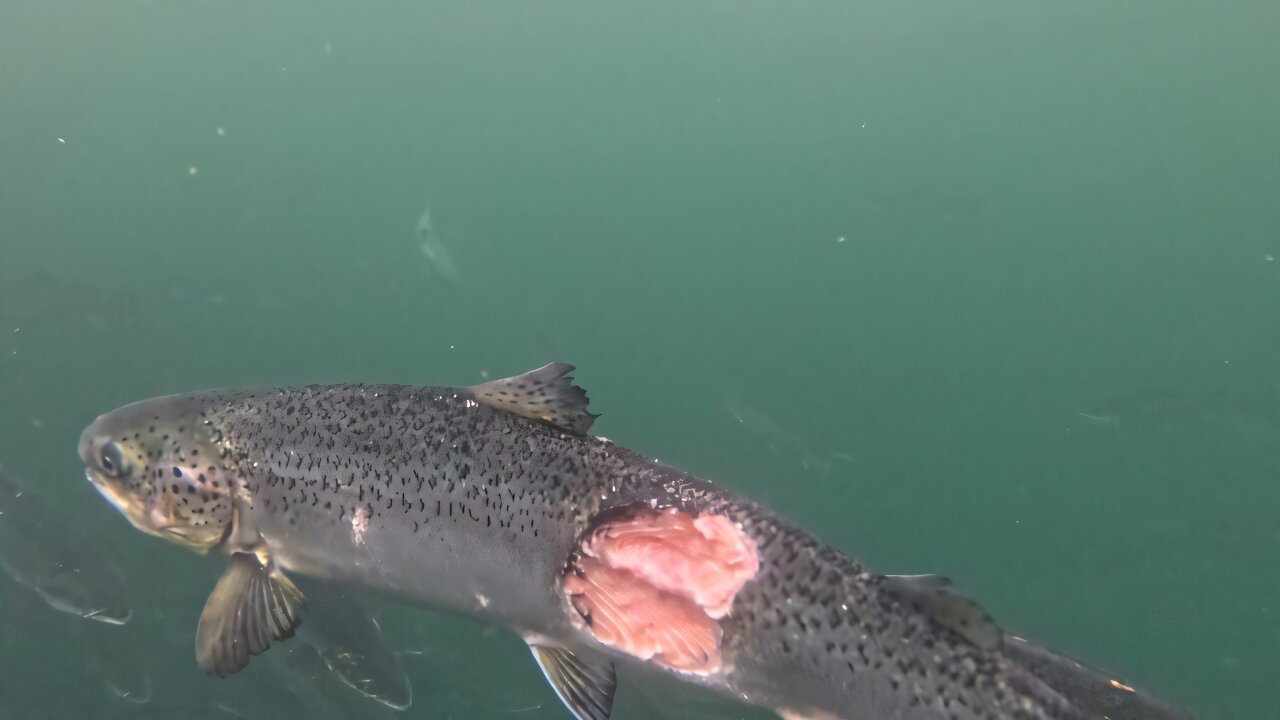
The article discusses the environmental and ethical concerns surrounding salmon farming, highlighting recent fish die-offs in Tasmania, the impact on wild salmon populations, and the debate over the sustainability of farmed salmon, with some advocating for improved regulations and certifications.
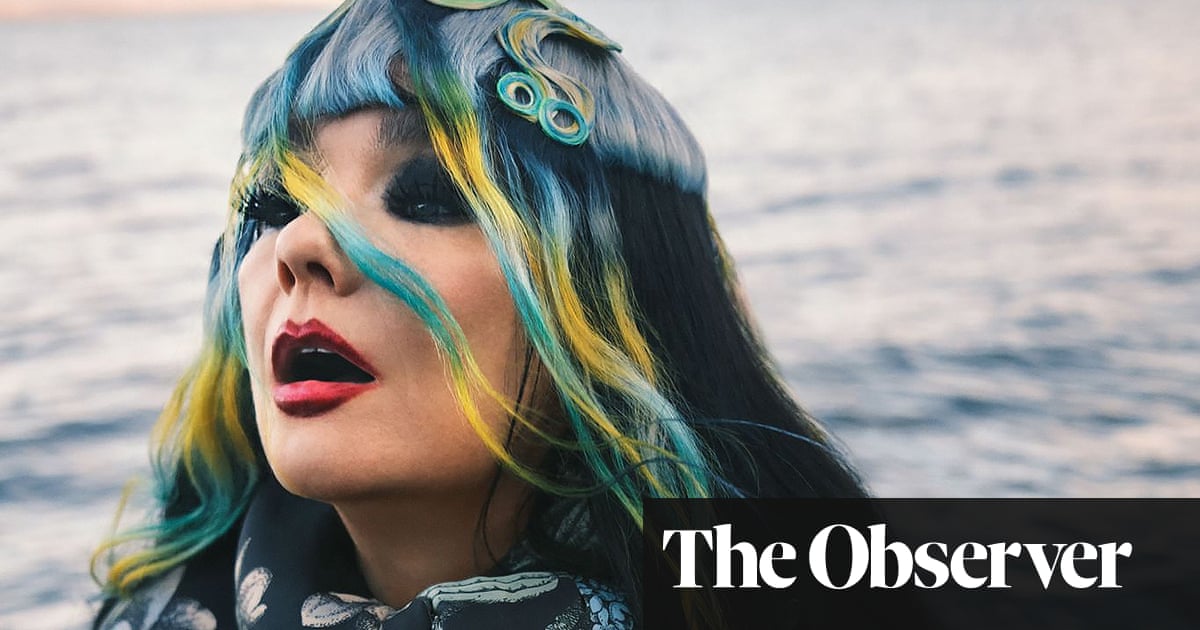
Björk and Rosalía release their collaboration "Oral" to raise awareness about the environmental dangers of open net-pen salmon farming in Iceland. The song, with proceeds going to the non-profit organization Aegis, explores the sensual theme of discovering a crush rather than being an angry protest song. The infectious melody and the blend of Björk's raspy vocals and Rosalía's silky soprano make for a captivating track. Fans hope for more joint projects between the two artists in the future.
Icelandic singer Björk is using her platform to raise awareness about the threats of intensive salmon farming in Iceland's fjords, which she argues not only endanger the island's wild salmon but also its entire ocean ecology. She is actively involved in protests against the expansion of open-net farming and is releasing a single to raise funds for the cause. Björk's environmental activism is deeply rooted in her upbringing and she sees it as a way to continue her mother's legacy. She remains hopeful for the future, particularly with the younger generation's growing interest in environmental issues. In addition to her activism, Björk continues to be passionate about music and is always discovering new songs and writing.
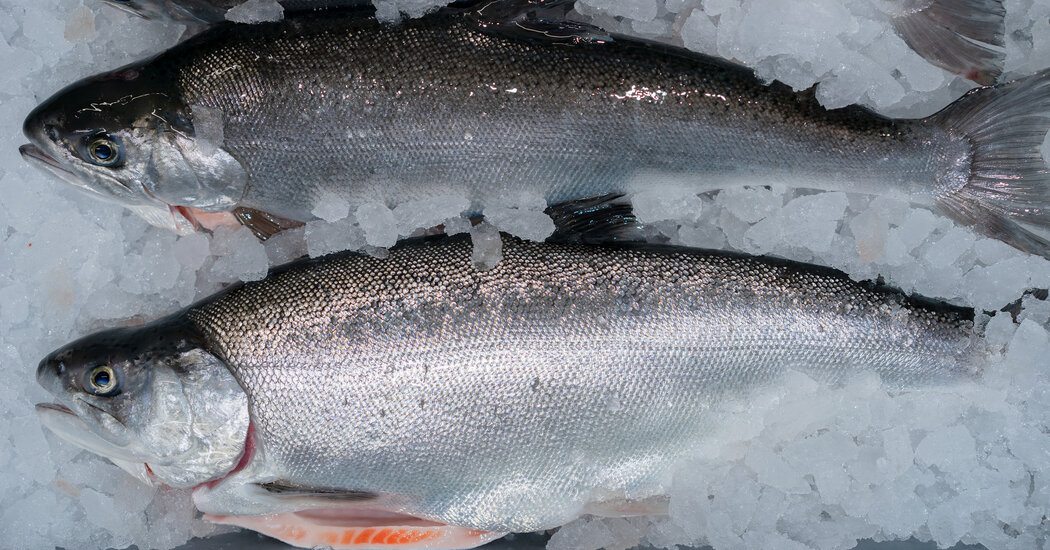
Land-based salmon farming is emerging as a more sustainable and ecologically responsible alternative to traditional open net-pen aquaculture. Several land-based farms in the United States are offering a cleaner and climate-stable option for salmon production, with the potential for a lower carbon footprint. These farms, such as LocalCoho and Atlantic Sapphire, are able to raise salmon on land using recirculating water systems that eliminate waste and reduce environmental impact. While land-based farming currently represents a small portion of the salmon supply, experts believe it will become a significant part of the industry in the future. The shift towards land-based aquaculture is driven by concerns over the environmental impact of open net-pen farming, including pollution, disease spread, and large-scale escapes. Additionally, land-based farms have the potential to provide fresh fish locally and reduce the carbon emissions associated with long-distance transportation.