US and Chinese officials are holding talks in Madrid to address trade tensions, TikTok's US divestiture deadline, and efforts to curb Russian oil purchases, with little expectation of major breakthroughs but potential extensions and groundwork for future agreements.
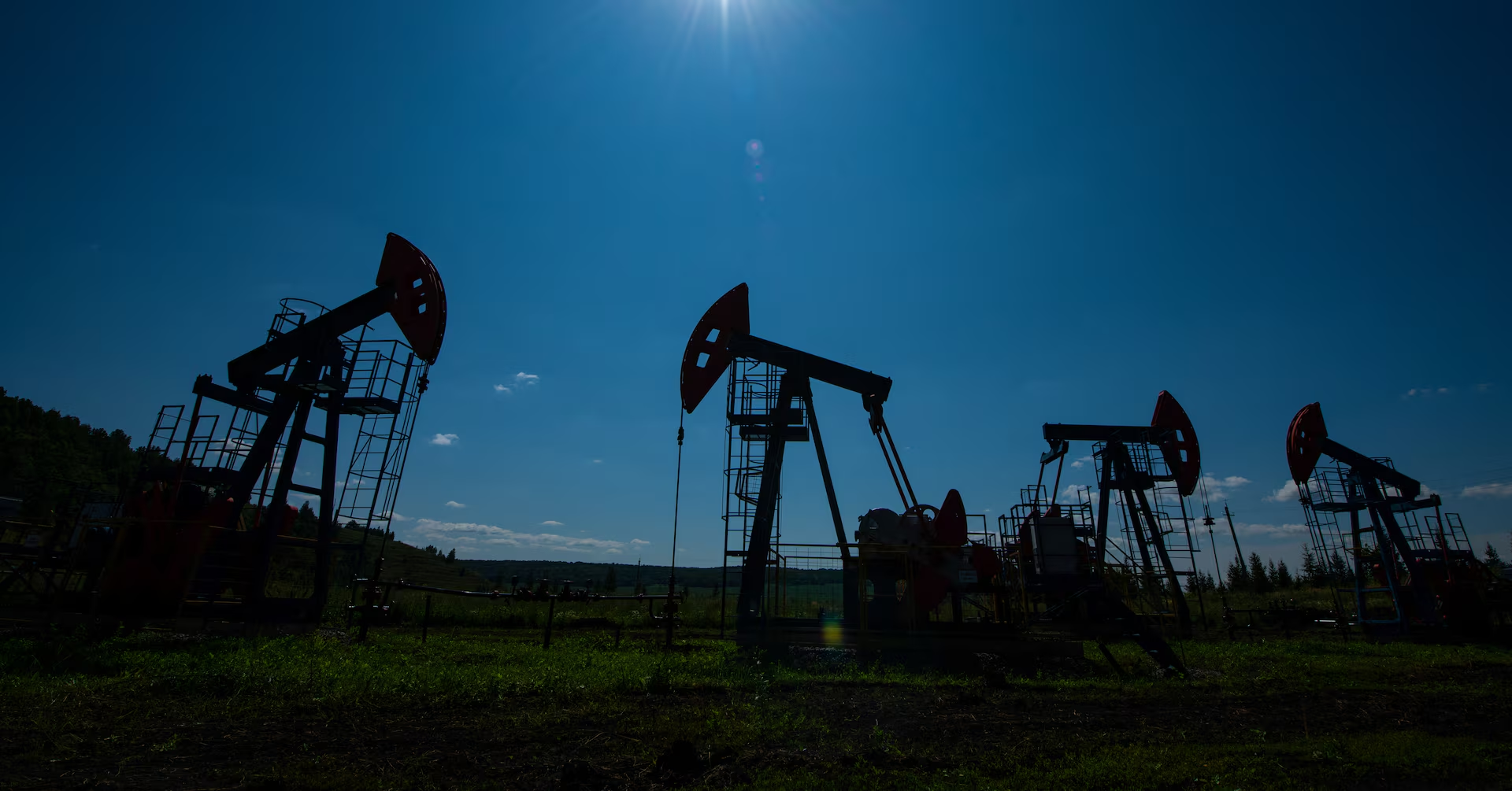
Oil markets are expected to remain relatively stable with a slight bearish trend following the Trump-Putin Alaska meeting, where a full peace settlement for Ukraine was discussed, and sanctions on Russian oil were put on hold, allowing Russian oil to continue flowing and potentially causing a small dip in prices.
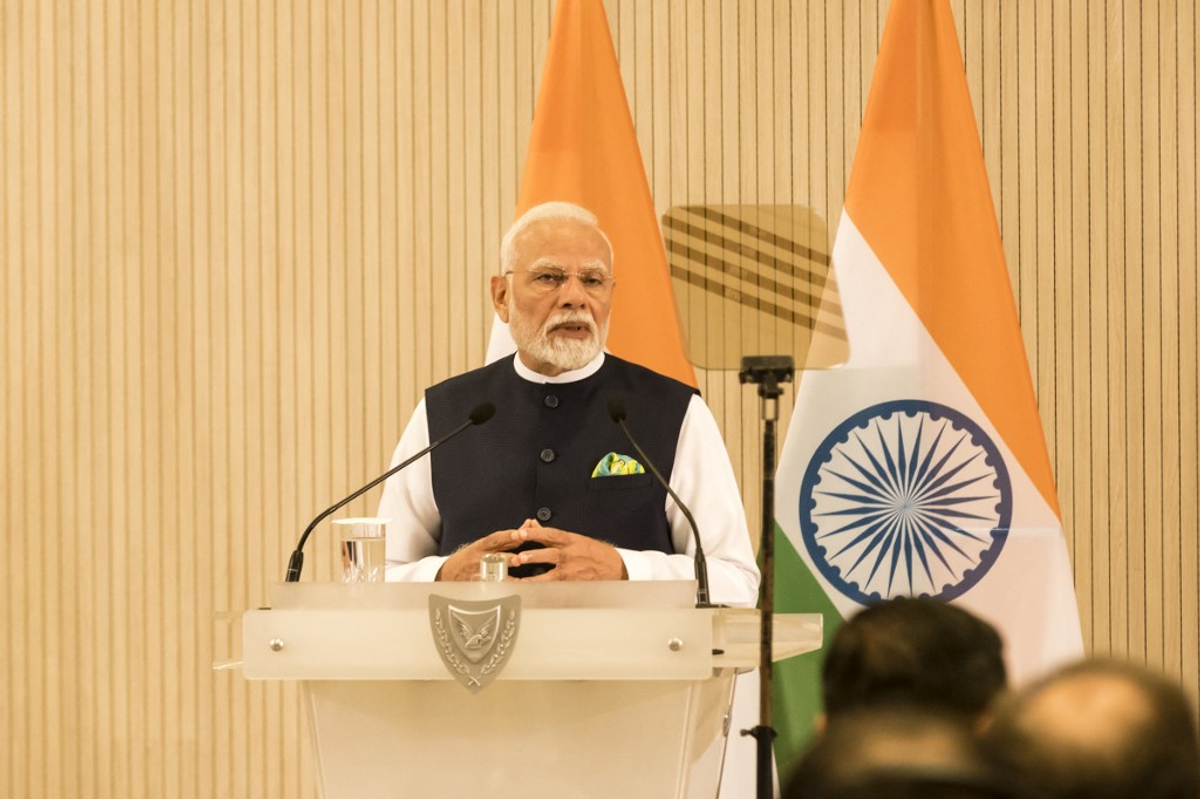
India faces significant challenges due to US tariffs and sanctions imposed by President Trump, including a 25% tariff on goods and potential penalties for buying Russian oil, which threaten to slow India's economic growth and complicate trade relations, despite efforts to maintain a strategic partnership.
India is exploring alternatives to Russian oil amid looming sanctions and tariffs, as Western countries impose new sanctions on Russia's energy sector to reduce dependence and weaken Moscow's economy, which is heavily reliant on oil exports to India and other countries.
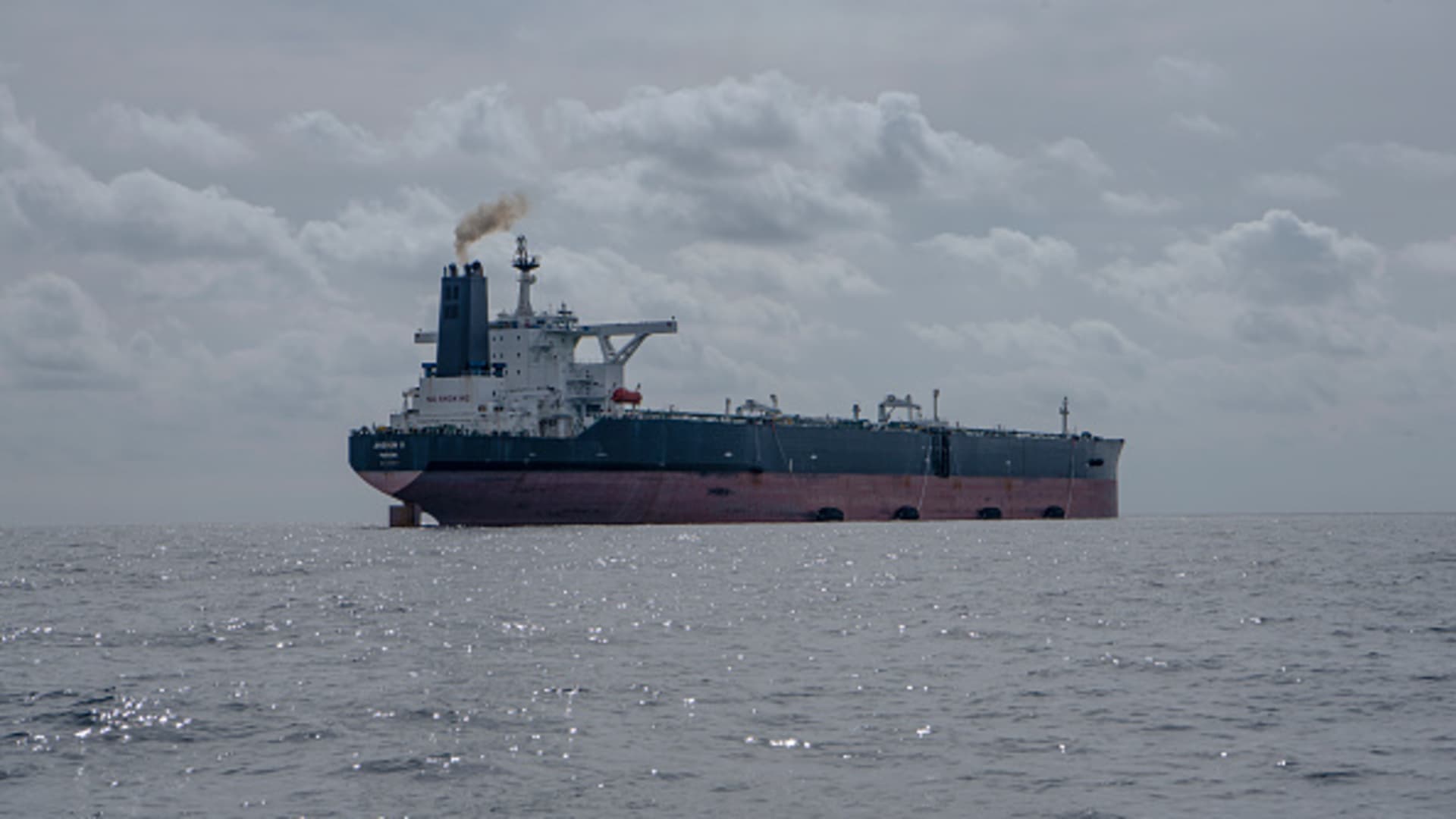
The U.S. Treasury Department's Office of Foreign Assets Control has sanctioned three vessels and shipping companies for violating Russian oil sanctions, as part of its intensified efforts to cut off the Kremlin's access to oil profits. However, the hunt for violators is revealing complexities in the maritime industry and the Treasury's own guidelines. The location of shipping companies may differ from the location of the beneficial owner, and there are grey areas in the guidelines that can be exploited to circumvent sanctions. The Treasury's probe of approximately 30 ship management companies suspected of violating a price cap on Russian oil further highlights the challenges in identifying and proving violations. The murkiness within the Russian oil trade, including the use of dark and grey fleet vessels, makes tracking and enforcing sanctions difficult.