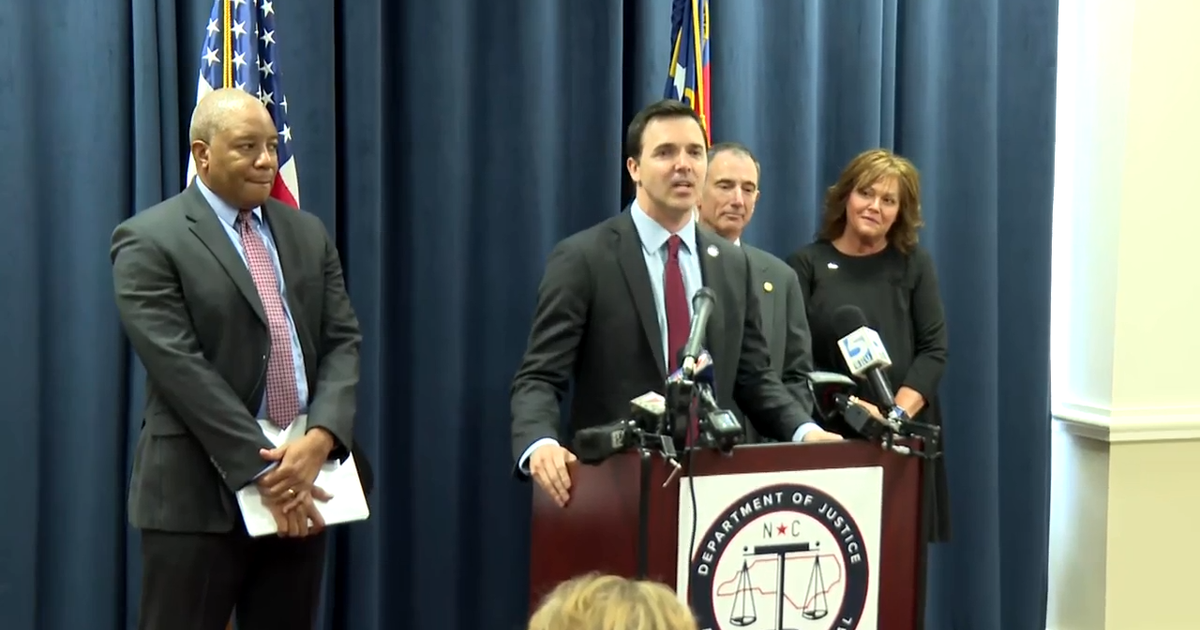
North Carolina sued the Trump administration over nearly $50 million in federal grants cut from programs supporting rural and low-income schools, arguing the cuts were unlawful and could lead to program closures and layoffs, with the state claiming the funding was vital during emergencies like hurricanes.
On December 18, 2025, the President signed into law S. 2283, designating a post office in Guthrie, Oklahoma, as the Oscar J. Upham Post Office, and S. 356, reauthorizing the Secure Rural Schools and Community Self-Determination Act of 2000 through 2026.
Many rural schools in the U.S. rely heavily on international teachers on H-1B visas, but recent changes in visa policies, including a $100,000 fee and potential exemptions, threaten to exacerbate teacher shortages, especially in districts like Hardin, Montana, which depend on foreign educators to fill staffing gaps.
A rural school district in South Dakota has relied on Filipino teachers on H-1B visas to fill unfilled teaching positions, highlighting the importance of immigrant workers in addressing shortages in education and healthcare. The recent $100,000 fee for H-1B visa applications threatens to impact such communities, especially in rural areas where hiring foreign professionals is often the only option to fill critical roles. This policy change raises concerns about the future of staffing in rural schools and hospitals, with advocates calling for exemptions to prevent harm to essential services.
Rural schools and healthcare providers in the U.S. are facing significant challenges in hiring skilled workers due to a new $100,000 fee on H-1B visa applications, which could lead to staffing shortages and impact service quality, especially in remote areas relying heavily on immigrant professionals.
Alaska has neglected its rural school infrastructure for years, leading to unsafe and deteriorating buildings, due to a chronic budget crisis fueled by declining oil revenues and lack of sustainable funding solutions, with recent legislative efforts falling short of the needed investment.
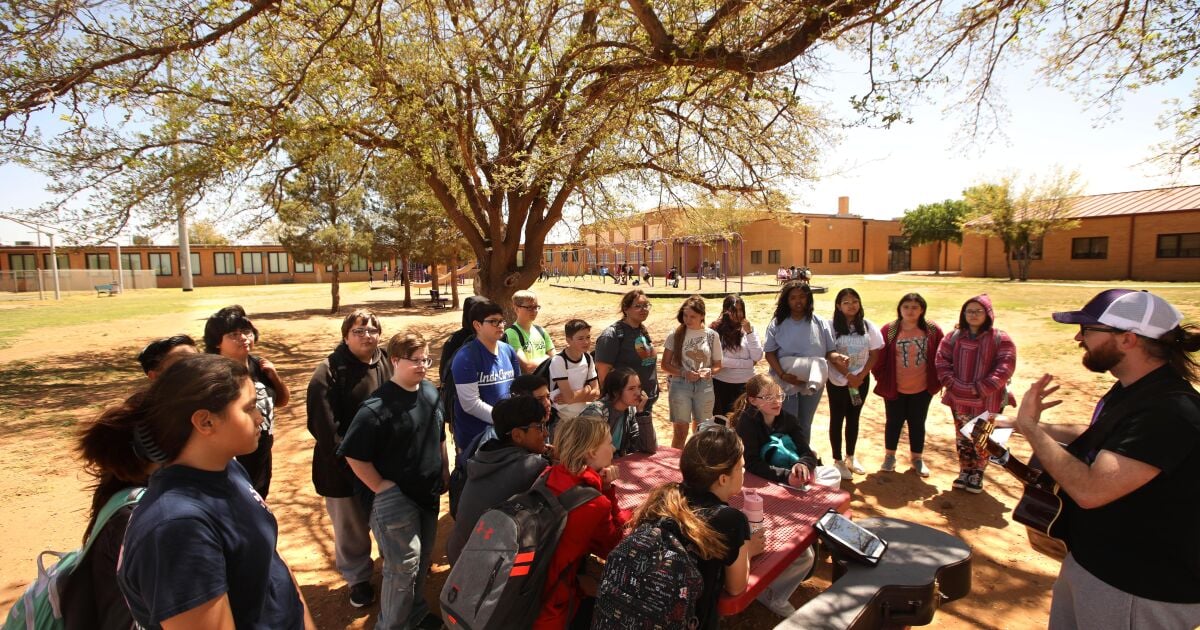
Texas Governor Greg Abbott is pushing for a voucher-style program that would award public stipends of up to $8,000 to parents who switch to homeschooling or private schools, citing a fear of a "radical woke agenda" in public schools. However, many rural Texas conservatives remain unconvinced by the governor's warnings and see their public schools as a focal point of community life. The Texas voucher bill has passed the state Senate, but it faces a tougher climb in the House, which has long blocked passage of similar bills.
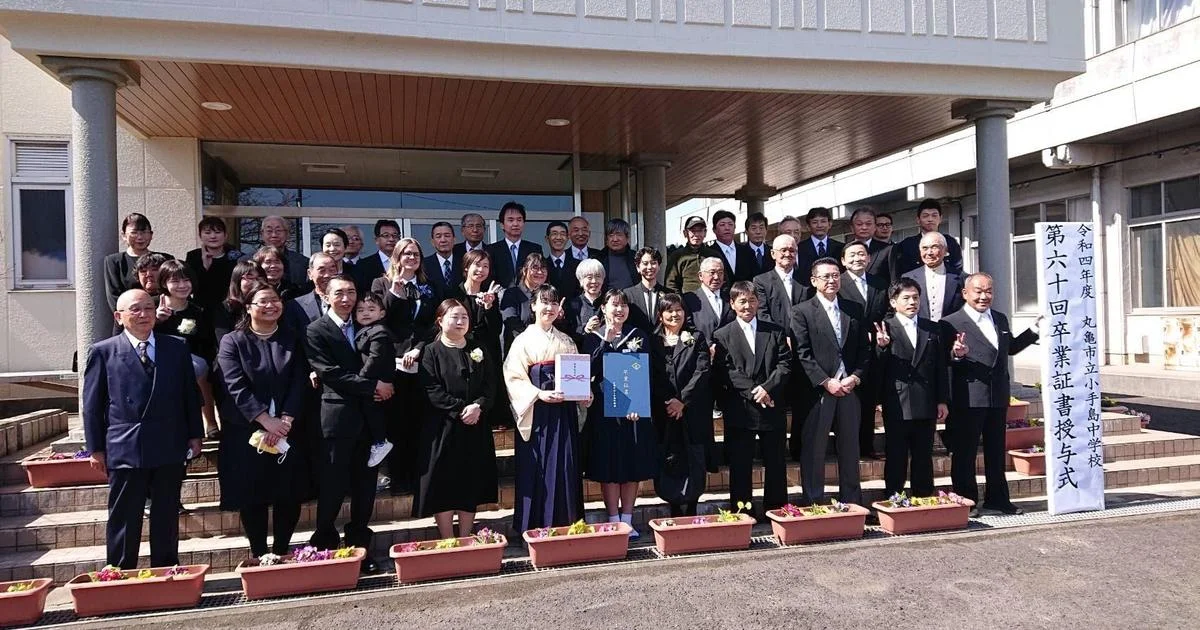
Akino Imanaka graduated as the sole student from Oteshima Junior High, a tiny island in Japan's Inland Sea. The school's staff of five instructors tutored her over the past few years, taking on unusual duties to create a semblance of normal class life. Rural schools, like Oteshima Junior High, are much more than places of learning, they give their community vitality. With Japan's population decline, many rural schools are facing closure, and when a community loses its last school, it's like the light goes out.
Republicans in Texas and nationwide are pushing legislation that would siphon money from public education under the banner of “parents’ rights.” These plans, commonly known as vouchers, would give parents the money the state would have spent educating their children in public schools and allow them to put it toward homeschooling expenses, private school tuition or college savings accounts. Officials in rural communities warn these policies will chip away at already razor-thin public school budgets. Rural districts could see their funding cut in two ways: either as a result of losing local students directly to vouchers, or as a result of the overall pot of state funds being diluted to cover private and homeschooling expenses of students in far-away cities and suburbs, leaving less per-student funding for every district.