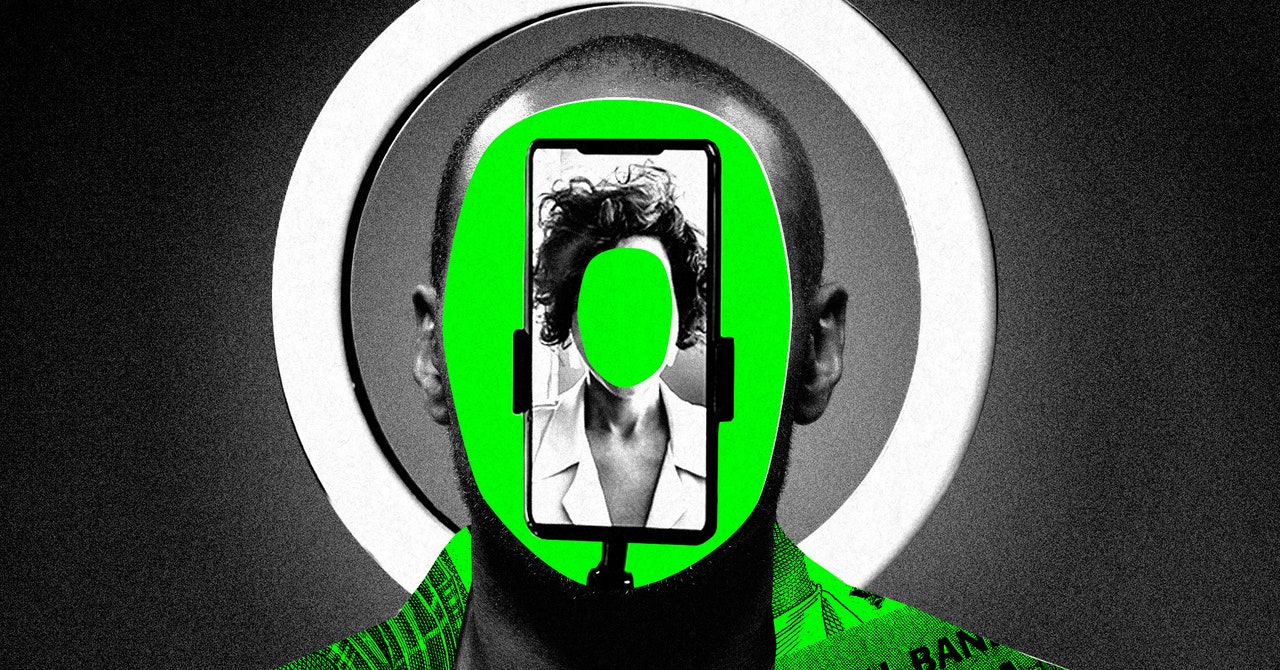
Scammers known as Yahoo Boys are using deepfake technology to conduct real-time video calls in romance scams, altering their appearance to build trust with victims before tricking them into parting with thousands of dollars. The scammers openly brag about their activities on social media platforms like Telegram, where they organize and advertise their skills for various scams, including business email compromise and impersonation scams. The use of deepfakes in romance scams has been increasing, with scammers using face-swapping software on phones and laptops to create convincing fake personas. As the technology behind deepfakes continues to improve, the potential for more sophisticated and convincing scams grows, posing a significant challenge for cybersecurity experts.
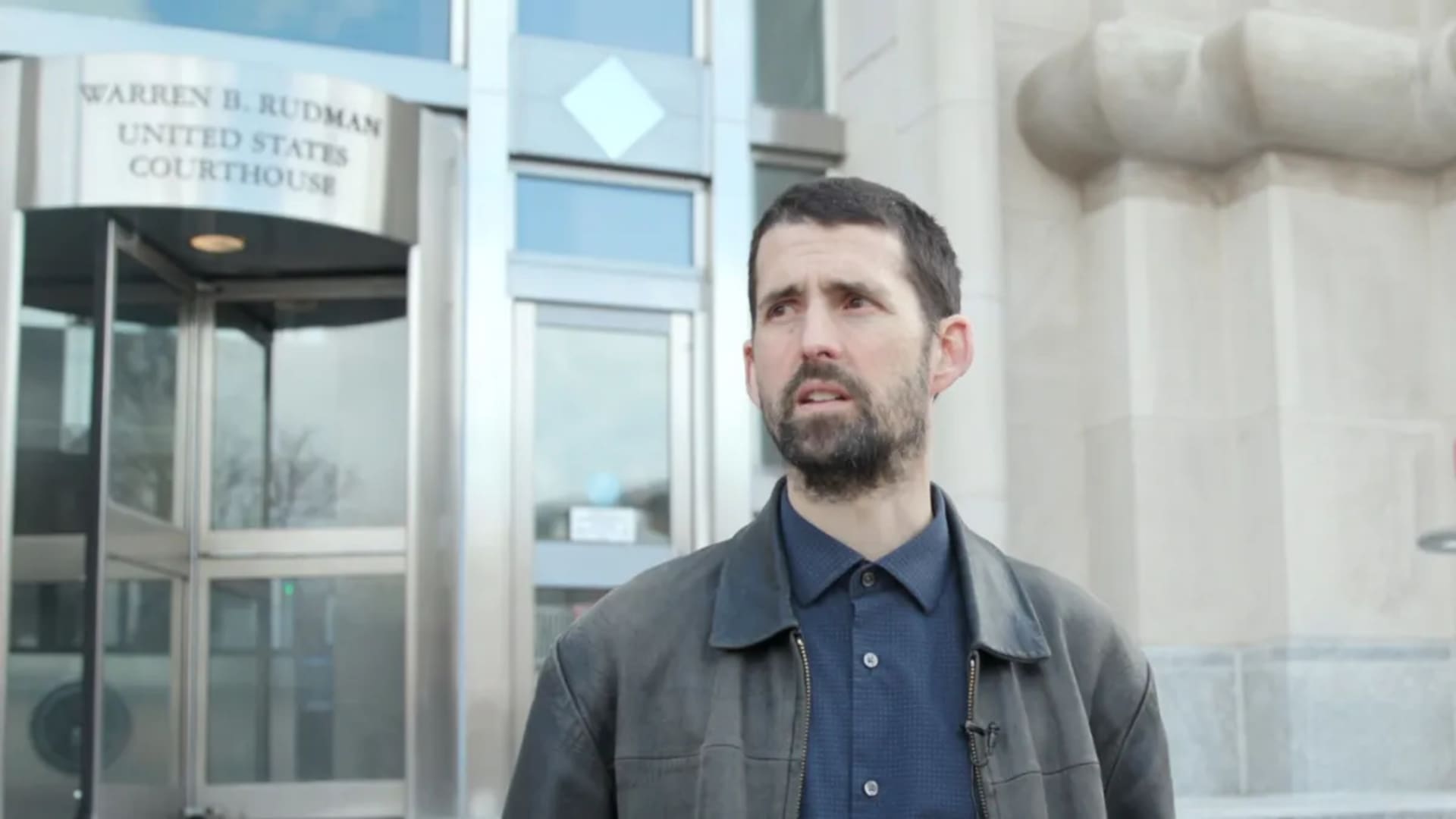
Ian Freeman, a New Hampshire libertarian activist and radio show host, has been ordered to pay over $3.5 million in restitution to 29 primarily elderly victims of romance scams and internet fraud, which he laundered using bitcoin. Freeman, who was sentenced to eight years in federal prison and fined $40,000, also forfeited assets including bitcoin and U.S. currency. Prosecutors described his actions as "the worst kind of crime," involving charging exorbitant fees to exchange dollars for cryptocurrency and using churches to receive money from victims under the guise of donations. Freeman's lawyer expressed satisfaction with the restitution order and stated that they will focus on appealing his conviction.
With Valentine's Day approaching, the risk of falling victim to online romance scams is heightened. The article provides tips to avoid being scammed, including being cautious of red flags, avoiding sharing personal information, and using antivirus software. It also lists steps to take if you suspect you're being scammed, such as logging out of accounts, changing passwords, and reporting the scammer. Additionally, it highlights common Valentine's Day scams, such as malicious e-cards and dangerous dating websites, and emphasizes the importance of trusting instincts and using common sense when navigating online relationships.
Fraud prevention experts warn that financial scams are at a crisis level, with AI tools and advanced technology making it harder for consumers to detect. The top financial scams to watch out for in 2024 include grandparent scams, romance scams, cryptocurrency scams, employment scams, and online account tax scams. To avoid falling victim, experts advise discussing potential scams with family and friends, setting up a "safe word" for emergency situations, being cautious of new love interests asking for money, avoiding mixing online dating with investment advice, researching potential employers, and setting up IRS online accounts directly through IRS.gov.
The US Justice Department has seized nearly $9 million worth of Tether cryptocurrency linked to an organization involved in romance scams and cryptocurrency confidence scams. The scammers targeted over 70 victims by creating fake websites and convincing them to make cryptocurrency deposits. The funds were quickly laundered through multiple cryptocurrency addresses and exchanged for different cryptocurrencies to obfuscate their origin. The seizure is a significant disruption to the financial infrastructure of the scam organization and serves as a reminder to cybercriminals that law enforcement will continue to follow the money and seize it back for victims.
The FBI is warning about the rise of "phantom hacker" campaigns that have already defrauded victims of $542 million in the first half of 2023. These scams involve scammers posing as bank executives or government officials to trick victims, particularly older adults, into draining their own bank accounts. The scams often begin with fake notifications about a computer breach and escalate to convincing victims to transfer their funds to a "secure" government account. The FBI advises individuals to stay skeptical, validate alerts with official sources, halt transfers, regularly review bank statements, use two-factor authentication, educate others about the scams, avoid remote access, strengthen passwords, install reputable antivirus software, and report incidents to the FBI. Additionally, the article warns about the "Romance Scam," where scammers exploit online daters by building trust and then requesting financial assistance.
A retired man from San Antonio discovered that his wife had been scammed by an online fraudster posing as a romantic interest, resulting in her accumulating around $50,000 in loans and credit card payments. Instead of divorcing his wife of 25 years, the husband is committed to working through the financial and emotional aftermath. Personal finance expert Dave Ramsey advised the couple to close the smaller credit card accounts and hold off on paying the larger loans until trust is rebuilt through therapy. Ramsey also suggested that the wife consider returning to work to repay the loans and take responsibility for the emotional affair. Romance scams are prevalent, with 70,000 people reporting being victims in 2022, according to the Federal Trade Commission.
Fraudsters are using artificial intelligence chatbots to scam victims on dating apps. A survey of 2,000 people in the UK found that 30% have fallen victim to a romance scam or know someone who has. Fraud prevention specialist Daniel Holmes has shared seven signs to identify if your love interest is an AI scammer, including checking if the profile exists on other social media apps, the recency of the profile creation, and early requests for funds. Generative AI like ChatGPT allows fraudsters to deploy romance scams at scale, generating high-quality responses to victims.