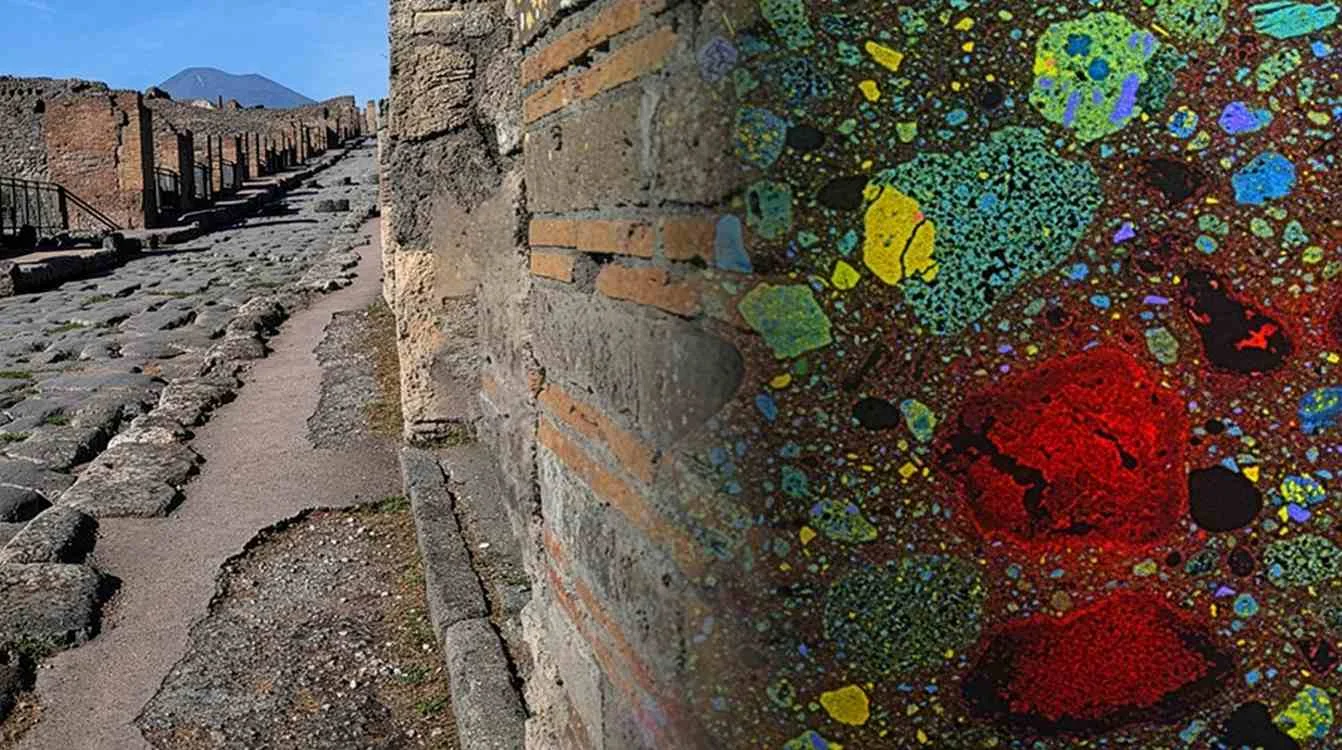
MIT Associate Professor Admir Masic confirms that ancient Rome’s self-healing concrete arose from hot-mixed lime with volcanic ash, a conclusion reinforced by Pompeii findings, and has launched a DMAT company to commercialize durable, self-repairing modern concretes.
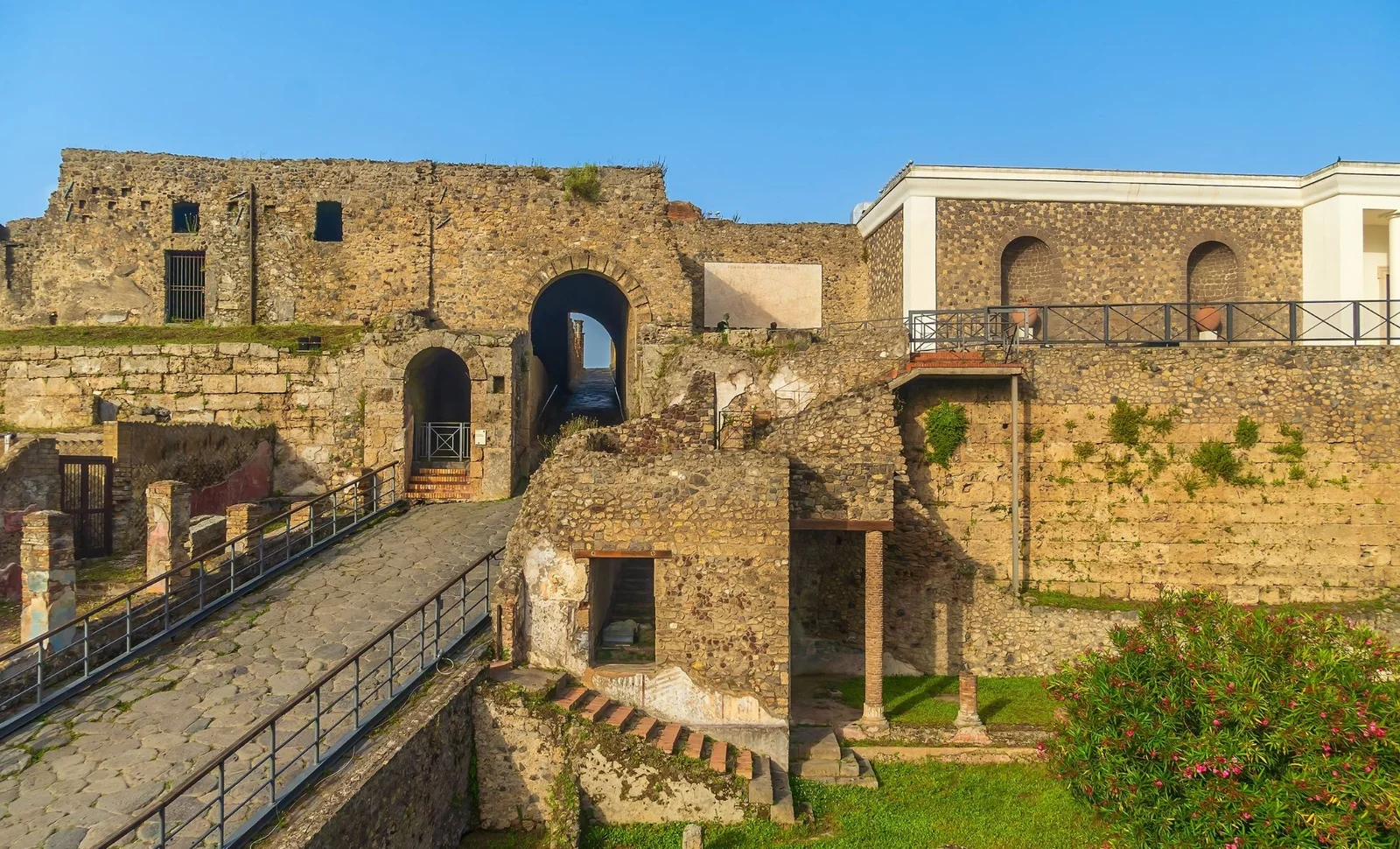
Researchers uncovered a well-preserved Roman construction site in Pompeii revealing that Romans used a 'hot mixing' process with volcanic ash and quicklime to create durable, self-healing concrete, challenging previous beliefs and offering insights for modern sustainable infrastructure development.
Researchers highlight concerns about chatbots providing harmful advice, explore the environmental sustainability of ancient Roman concrete, and identify brain structure changes linked to major depressive disorder and neuroticism.
Researchers from MIT have discovered the secret behind the durability of ancient Roman concrete. Contrary to previous beliefs, the team found that the Romans used a technique called "hot mixing," which involved directly mixing quicklime with pozzolana and water at high temperatures. This method resulted in the formation of lime clasts, which gave the concrete remarkable self-healing abilities. When cracks formed, water reacted with the lime clasts to form calcium carbonate, effectively gluing the crack back together. The team is now working on commercializing this more durable concrete as an environmentally friendly alternative.