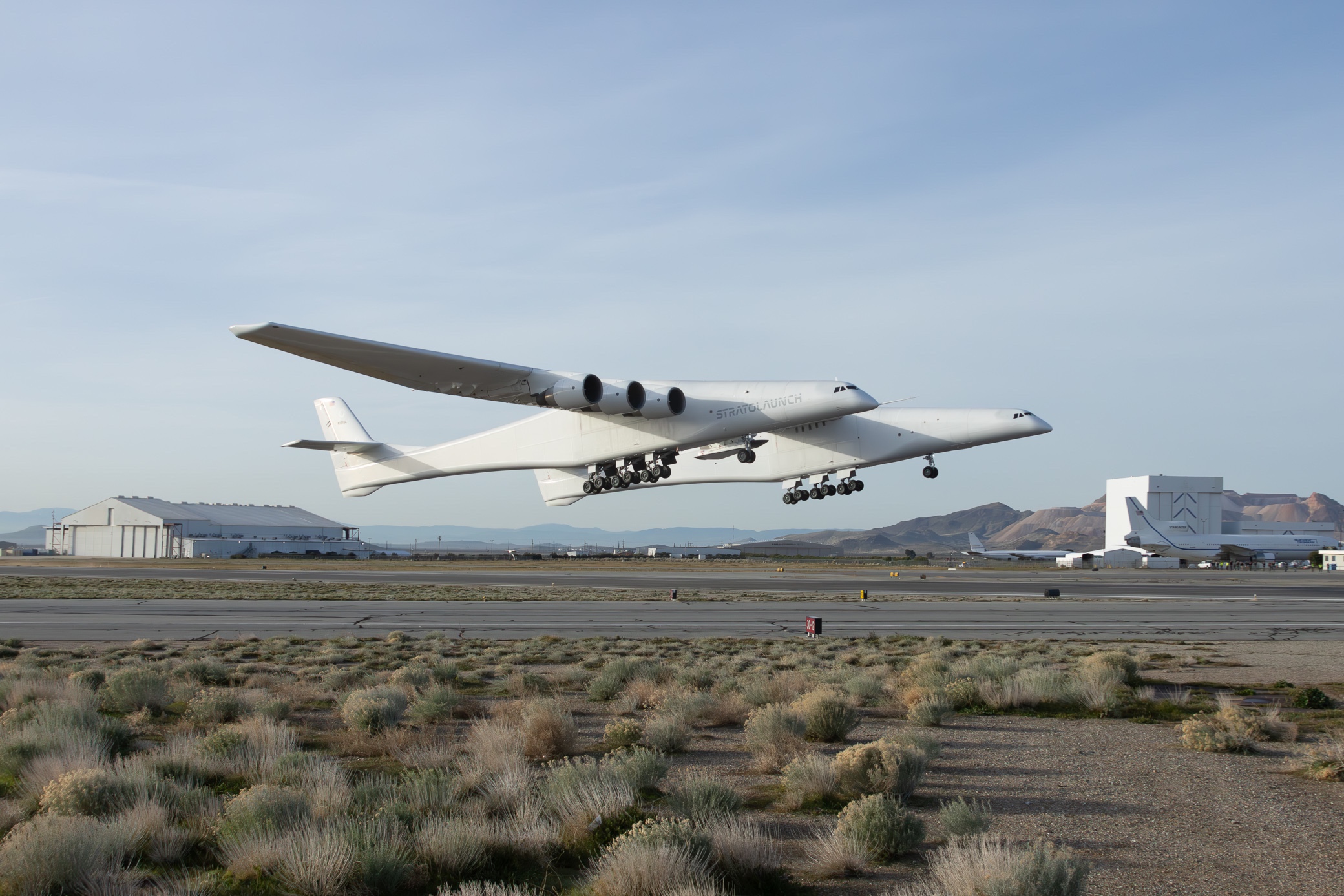
The world's largest aircraft, Roc, successfully flew and deployed the Talon-A vehicle, a mini space shuttle, marking its first real payload flight. Although the vehicle didn't reach hypersonic velocity, it collected valuable data for future development. Stratolaunch, initially founded to launch rockets mid-air, faced financial uncertainty after the death of its founder, Paul Allen, but was revitalized under new ownership to focus on launching hypersonic vehicles. The TA-1 vehicle was powered by Ursa Major Technologies' Hadley rocket engine, marking a significant milestone for the company.
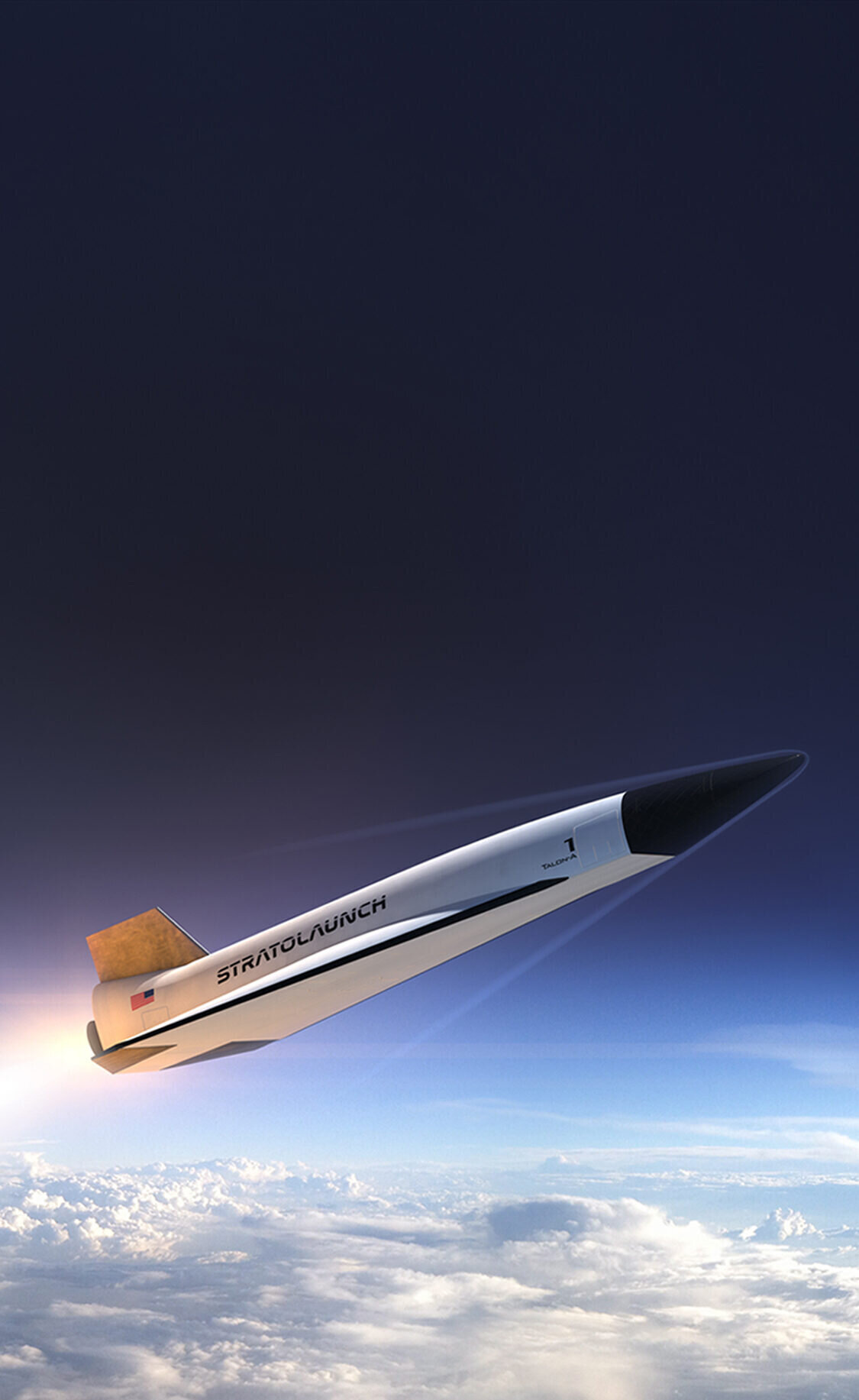
Stratolaunch successfully conducted the first powered test flight of a new unmanned hypersonic research craft, the Talon-A-1, off the coast of California. The vehicle reached high supersonic speeds approaching Mach 5 and collected valuable data, marking a major milestone in the development of privately funded, reusable hypersonic test capability. The massive carrier aircraft, Roc, released the Talon, which was powered by a liquid-fuel rocket engine and ended its flight with a controlled descent into the ocean. Stratolaunch aims to develop a reusable version capable of landing on a runway for future use in hypersonic research.
Stratolaunch successfully conducted the first powered flight of its Talon vehicle, reaching "high supersonic" speeds in an uncrewed test. The vehicle, TA-1, achieved its major test objectives, including release from the Roc aircraft, ignition of its engine, sustained acceleration, and controlled climb through high supersonic speeds before decelerating and gliding to an ocean splashdown. The company's next vehicle, TA-2, a reusable hypersonic vehicle, is scheduled for flight tests in the second half of the year. Stratolaunch is also modifying a Boeing 747 acquired last year to serve as a second air-launch platform.