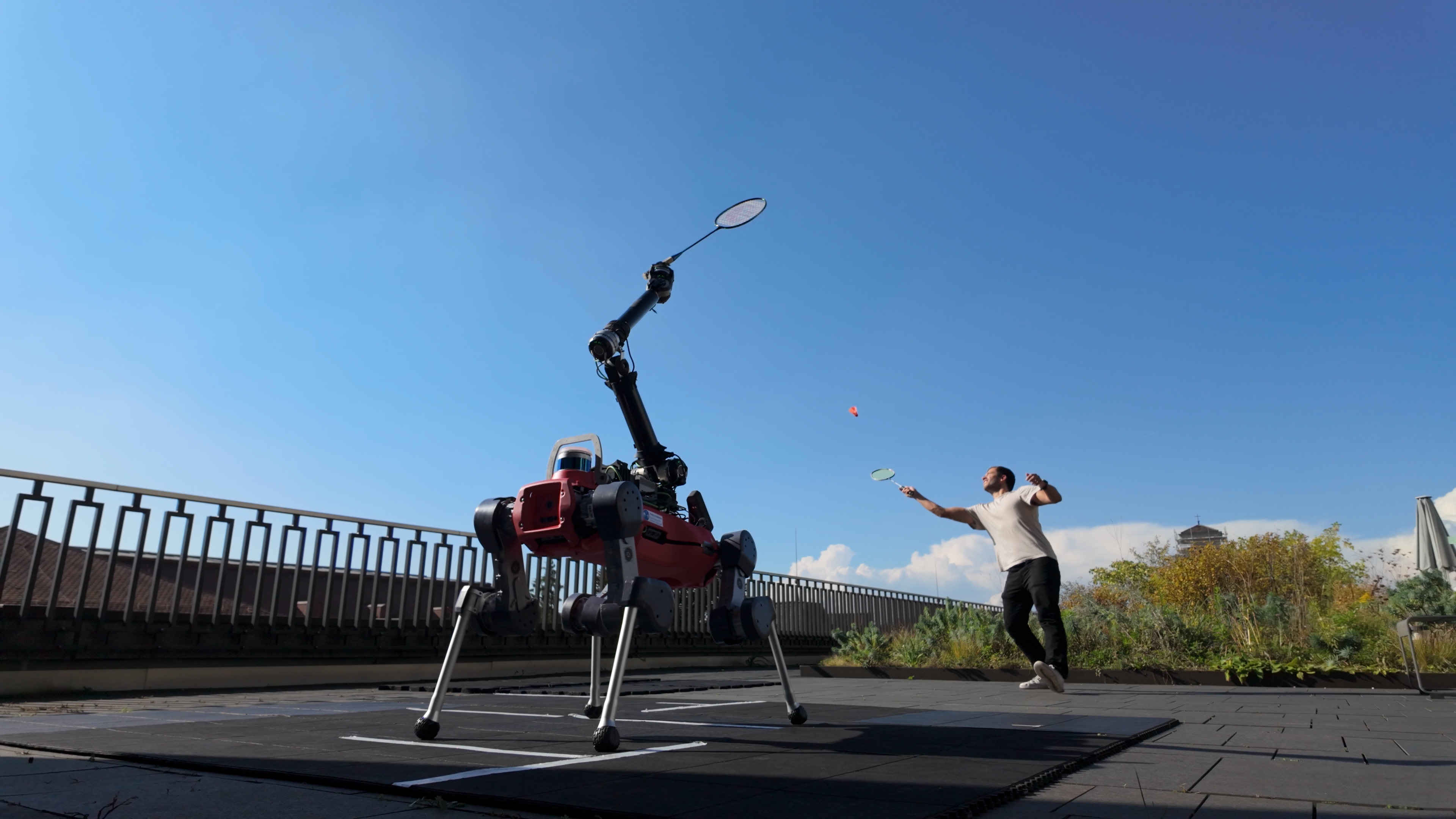
Scientists have trained a four-legged robot named 'ANYmal' to play badminton against humans using AI, visual perception, and reinforcement learning, demonstrating advanced coordination and adaptability in dynamic sports scenarios.
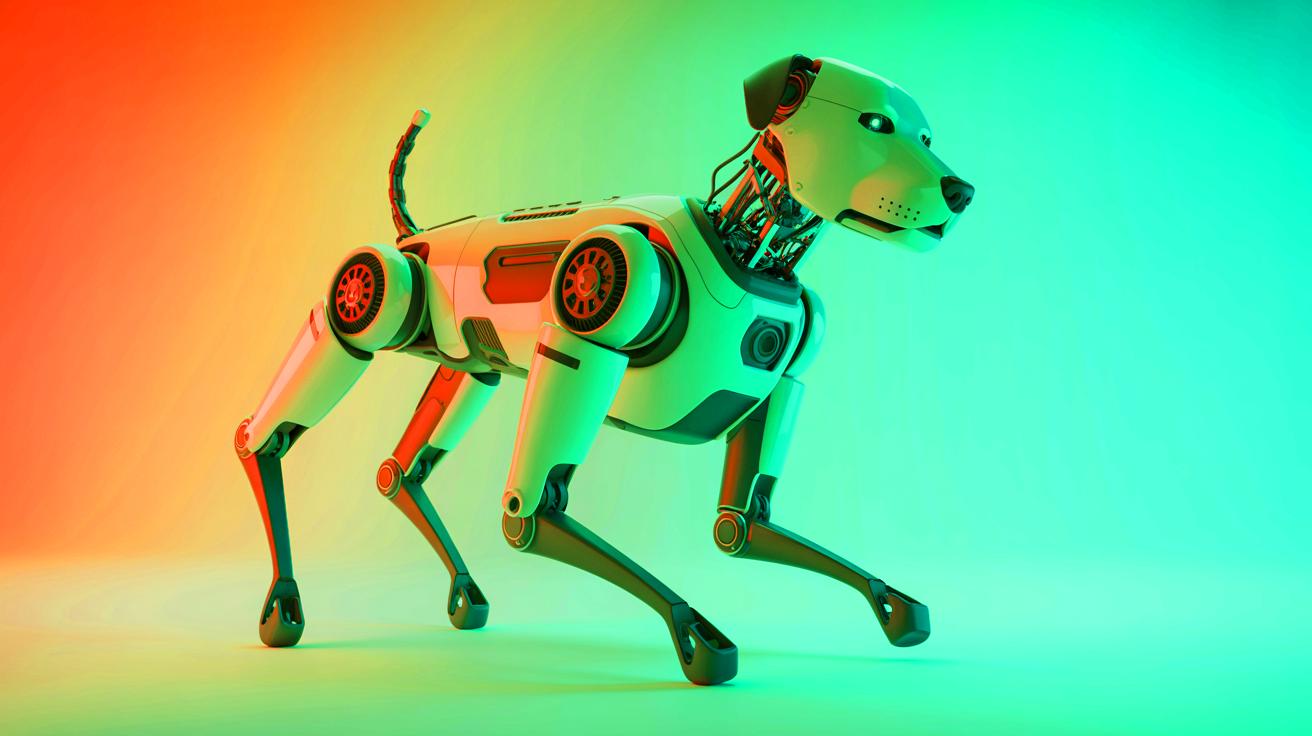
A Purdue University student, Aaed Musa, has developed CARA, a highly realistic rope-driven robot dog utilizing innovative capstan drive technology, advanced materials, and precise control techniques, with future plans for enhancements like wheels and accessories, showcasing significant progress in robotic engineering.
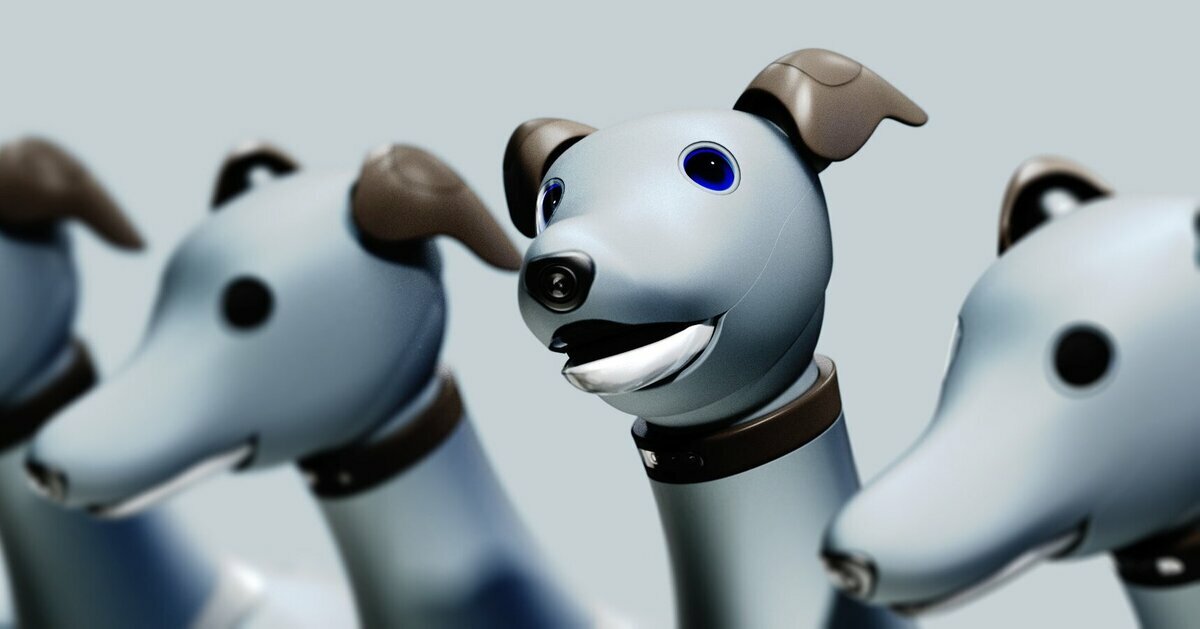
For the first time in history, a robot dog named Bert has been controlled by an astronaut outside of Earth's atmosphere, marking a significant milestone in space technology. The European Space Agency astronaut Marcus Wandt controlled Bert, along with other robotic systems, from the International Space Station as part of a project aiming to enable human commanders to control robots on other worlds like the Moon or Mars. The experiment also involved cooperation between different robots to perform tasks, with the ultimate goal of having astronauts control multiple robots on missions to the Moon and Mars.
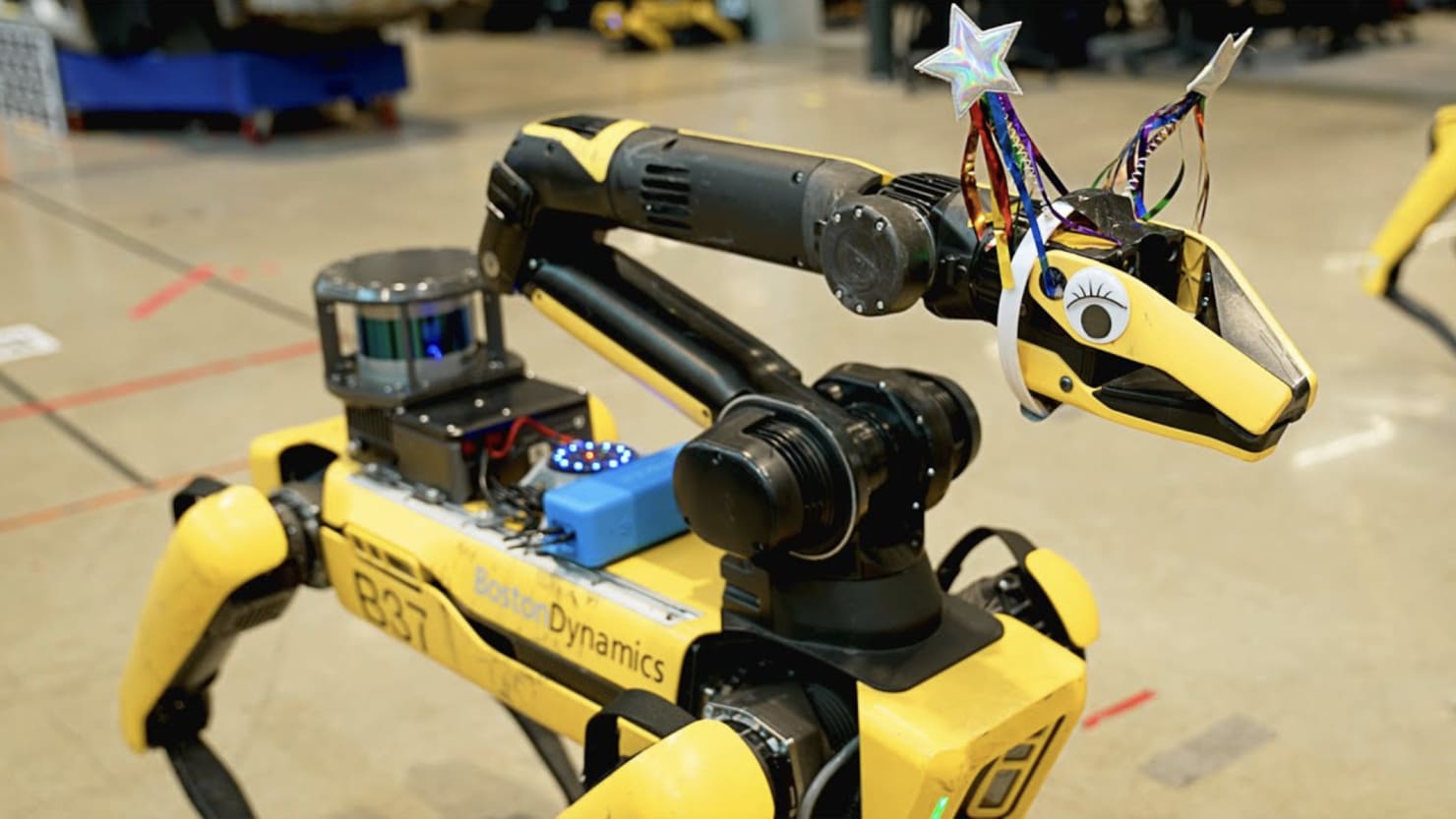
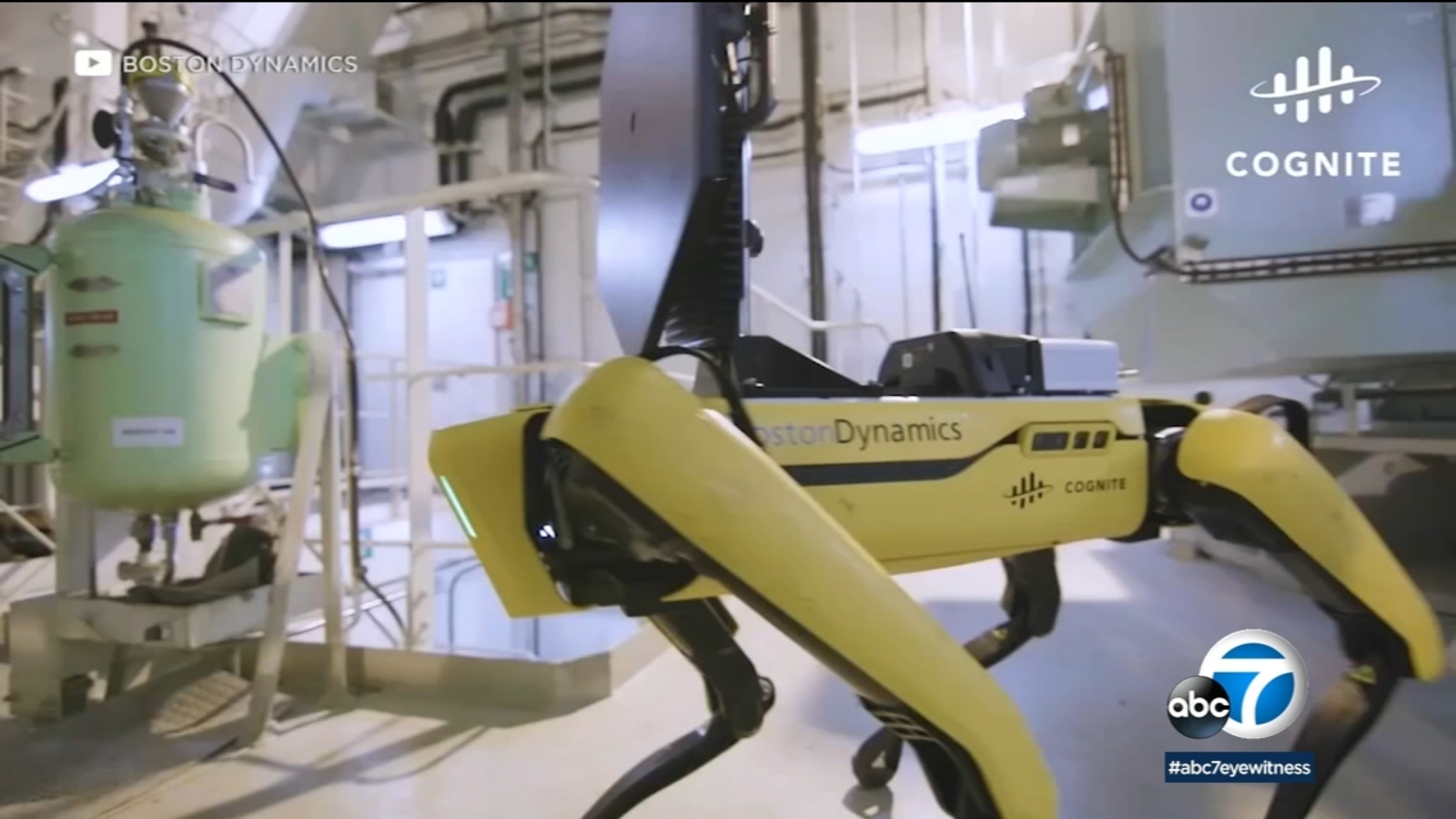
Boston Dynamics has showcased a robotic dog infused with OpenAI's ChatGPT, allowing it to speak in various voices and accents. The robot, created through a hackathon, combines AI technologies such as voice recognition, image processing, and ChatGPT with Boston Dynamics' famous "Spot" robot dog. While the robot cannot truly understand what it is saying or what others are saying to it, it can respond to prompts based on its training on a massive corpus of data. This development offers a glimpse into a future where talking robots like Spot could become more commonplace, potentially serving as tour guides or companions.
The Los Angeles City Council has approved the donation of a robot dog built by Boston Dynamics for use by the LAPD's Metropolitan Division. The $277,917 Quadruped Unmanned Ground Vehicle will be closely monitored, and the LAPD will provide quarterly reports on its deployment, outcomes, and any issues. The device will only be used in SWAT situations, hazardous-materials or search-and-rescue operations, and will never be equipped with weapons or facial-recognition technology, nor used in any type of patrol operations. The decision was met with criticism from some council members and members of the public who urged the council to decline the donation.