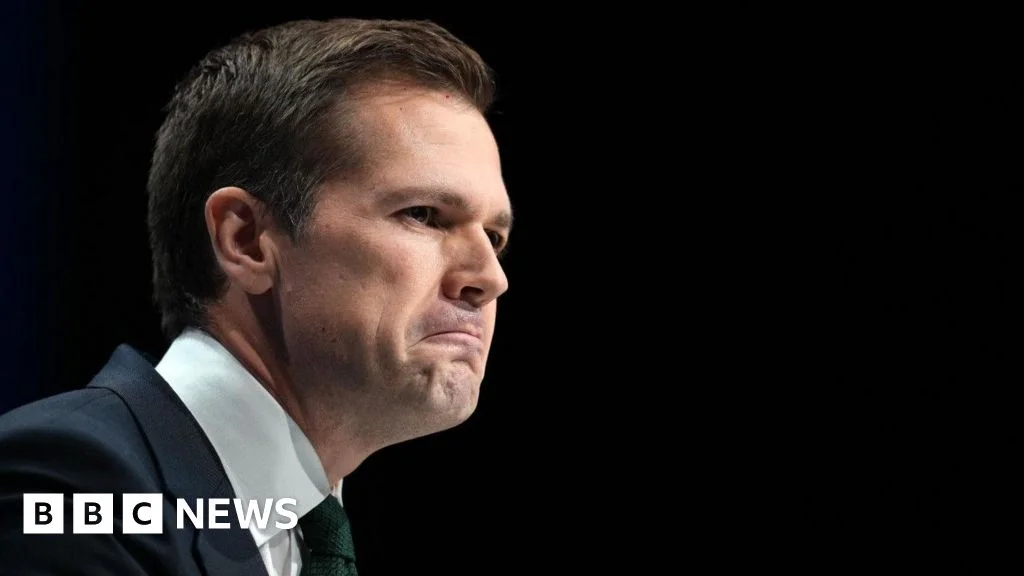
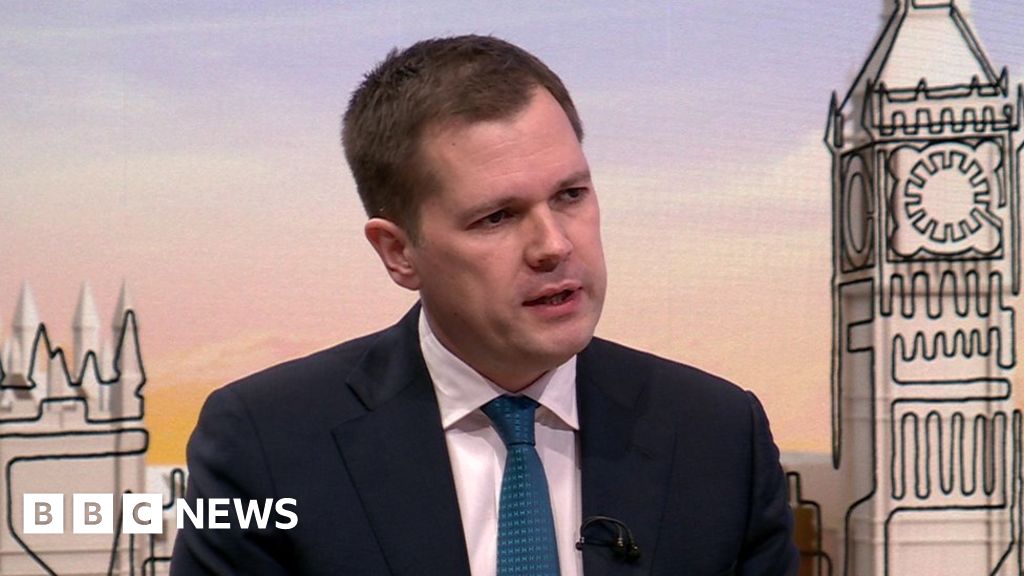
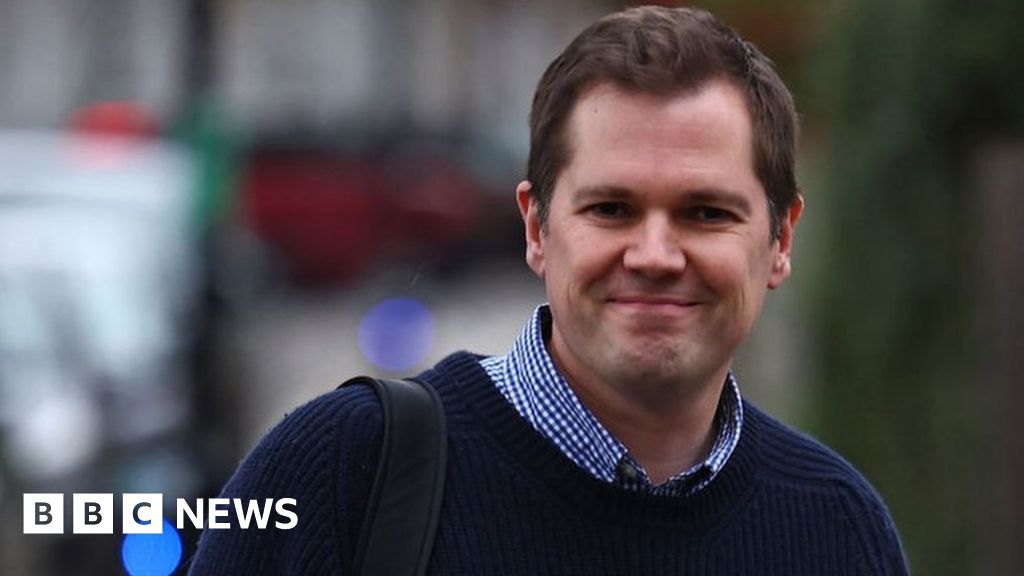
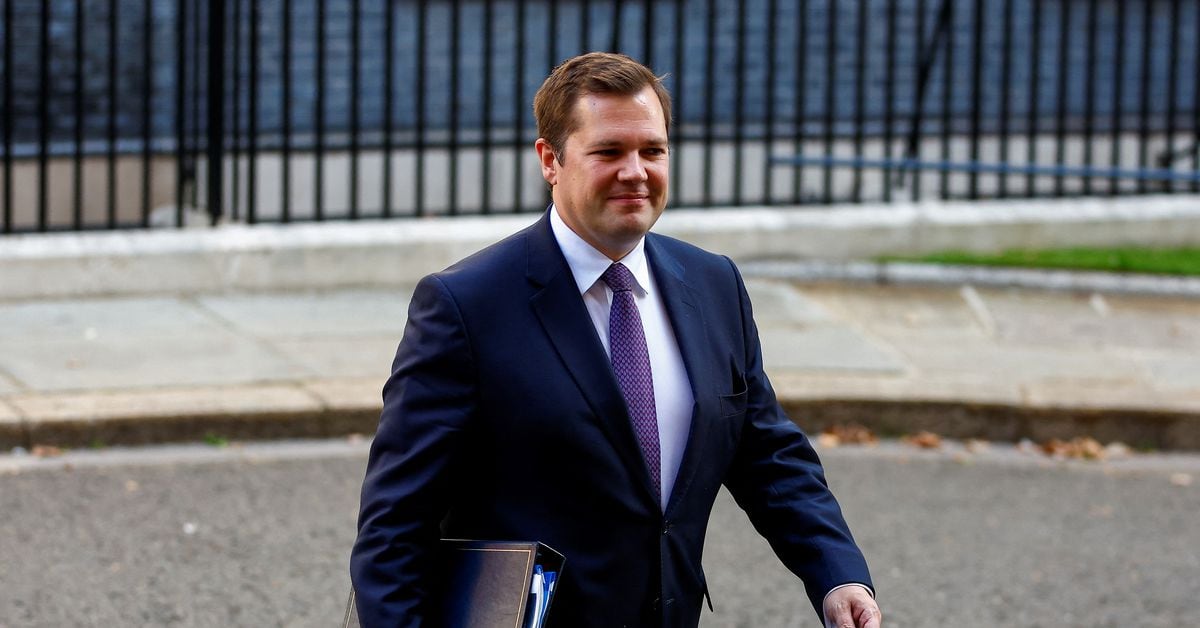
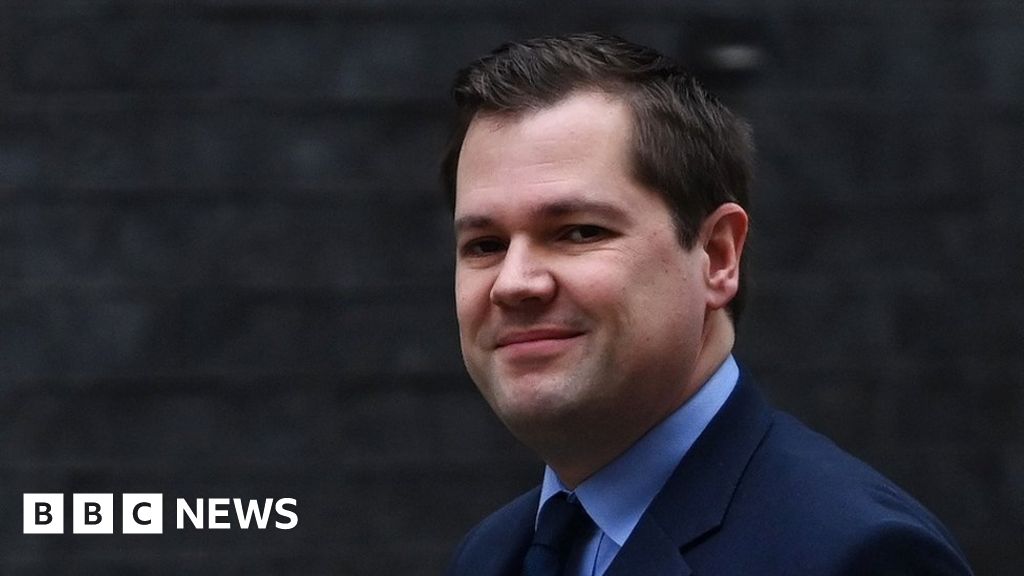
Robert Jenrick defects from the Conservatives to Reform UK after being sacked, raising questions about loyalty, timing, and whether Reform can unite the right without splitting the Tory vote, potentially sharpening the contest on the UK’s political right.
In a dramatic internal confrontation, shadow justice secretary Robert Jenrick was sacked by Conservative leader Kemi Badenoch amid claims he planned to defect to Reform UK, underscoring a splintering of the British right and a looming realignment within the Tory ranks ahead of elections.
Henry Zeffman argues that Robert Jenrick’s removal over alleged plans to defect to Reform UK marks a watershed moment for the Conservative Party and the wider British right, underscoring Tory fears of being overtaken by Reform, highlighting Badenoch’s leadership role, and illustrating a broader struggle over the party’s identity and future direction.
Robert Jenrick has accepted the role of shadow justice secretary in Kemi Badenoch's new shadow cabinet, as she seeks to unite the Conservative Party by appointing former leadership rivals and figures from different party wings. Badenoch is also expected to appoint Dame Priti Patel as shadow foreign secretary and Mel Stride as shadow chancellor. Despite past tensions, Jenrick and Badenoch have expressed mutual respect and a commitment to party unity. The full shadow cabinet announcement is anticipated soon, with other key appointments including Laura Trott as shadow education secretary.
Former immigration minister Robert Jenrick warns that Tory rebels' attempts to address flaws in the Rwanda bill are the "last opportunity" to get the policy right, as they aim to rewrite the legislation in the House of Commons. The amendments seek to restrict an individual's ability to block their removal to Rwanda and prevent international law from being considered in legal challenges against the policy. The government also announced plans to expand court capacity and train 150 judges to run a new fast-track appeals system for Rwanda deportations.
Former UK immigration minister Robert Jenrick has announced that he will not vote for Rishi Sunak's bill aimed at deporting asylum seekers to Rwanda, stating that it would not work and needed to go further in setting aside human rights law. This is a blow to the prime minister, as the bill's passage is likely to hinge on the votes of Jenrick and other right-wing MPs. There is growing talk of a potential ousting of the prime minister before the election by plotters within his own party, with some backbenchers considering reinstalling Boris Johnson or an ally of Liz Truss.
Former immigration minister Robert Jenrick has criticized the draft legislation to revive the Rwanda asylum scheme, stating that it is weak and will be bogged down by legal challenges. He believes the bill will not succeed in deterring asylum seekers from crossing the English Channel. Jenrick resigned from his post because he could not support a weak bill that he deemed ineffective. The bill has divided opinions among Conservative MPs, with some arguing it goes too far in bypassing the courts and others saying it does not go far enough. The government needs enough Tory MPs to vote for the bill to ensure its passage.
Former immigration minister Robert Jenrick has criticized the UK government's proposed legislation to send asylum seekers to Rwanda, stating that it will fail to resolve the legal challenges surrounding the scheme. Jenrick, who recently resigned, argued that the legislation does not go far enough in preventing the removal of asylum seekers who have entered the UK illegally. While some MPs believe the bill is too tough, others share Jenrick's view that it lacks effectiveness. The government sees the policy as a deterrent to those attempting to make the dangerous journey across the English Channel. Jenrick also expressed his belief that border control would be easier if the UK withdrew from international frameworks.
Rishi Sunak's emergency legislation to remove migrants to Rwanda has been given a "50% at best" chance of success, according to an official legal assessment. The legislation, aimed at reviving the stalled £290 million policy, faces the risk of the European Court of Human Rights blocking removal flights. Former immigration minister Robert Jenrick has argued that the legislation will fail and called for Britain to leave international treaties such as the European Convention on Human Rights. The Prime Minister is facing opposition from divided Tory MPs, with some concerned about the safety of Rwanda and others wanting to disapply the European Convention on Human Rights. The legal advice suggests that asylum seekers will still be able to challenge their deportation based on individual circumstances.
The Conservative Party is experiencing internal turmoil as different factions within the party clash over various issues. These factions include the New Conservatives, the European Research Group, the Common Sense Group, No Turning Back, and the Northern Research Group. While some groups are pressuring Prime Minister Boris Johnson to take a hardline approach on issues like immigration and international obligations, others, such as the One Nation Conservatives, are advocating for a more moderate stance. The party is awaiting the verdict of a "star chamber" of experts before making a final decision on proposed legislation.
Suella Braverman, former home secretary, has stated that Prime Minister Rishi Sunak's flagship Rwanda Bill "will fail" in its current form. The bill, designed to deter illegal immigration, has already faced criticism and led to the resignation of immigration minister Robert Jenrick. Braverman emphasized the importance of delivering on the promise to "stop the boats" in order to win the next election. The bill, which grants ministers powers to disregard sections of the Human Rights Act, will face a vote in Parliament on Tuesday, and its failure could pose a significant challenge for the prime minister.
UK Immigration Minister Robert Jenrick resigned after Prime Minister Rishi Sunak introduced a bill to deport asylum seekers to Rwanda, which was seen as insufficient to address concerns within the ruling party. The bill aimed to proceed with a controversial deportation program that UK courts have deemed unlawful, but Jenrick believed it didn't go far enough to deter increasing numbers of asylum-seekers crossing the English Channel.
UK immigration minister Robert Jenrick has resigned, stating that the government's draft emergency legislation on the Rwandan migrant deportation scheme did not go far enough. Jenrick believes that the legislation should have limited the opportunities for domestic and international courts to challenge the policy. He expressed his inability to take the proposed legislation through the House of Commons, as he does not believe it provides the best chance of success. Jenrick has been vocal about the need to address the arrival of small boats on the southern coast of England, stating that it is "profoundly wrong" for people to enter the country in this way.
Robert Jenrick has resigned as immigration minister, stating that the government's emergency Rwanda legislation does not provide sufficient protections and could lead to legal challenges. The bill aims to establish Rwanda as a safe country for asylum seekers, but falls short of the demands of some Conservative MPs. Jenrick's resignation is seen as a blow to Rishi Sunak's leadership, as the government faces challenges in addressing migration issues. The draft legislation orders courts to ignore certain sections of the Human Rights Act and other laws that hinder deportations to Rwanda, but does not override the entire Human Rights Act or the European Convention on Human Rights.