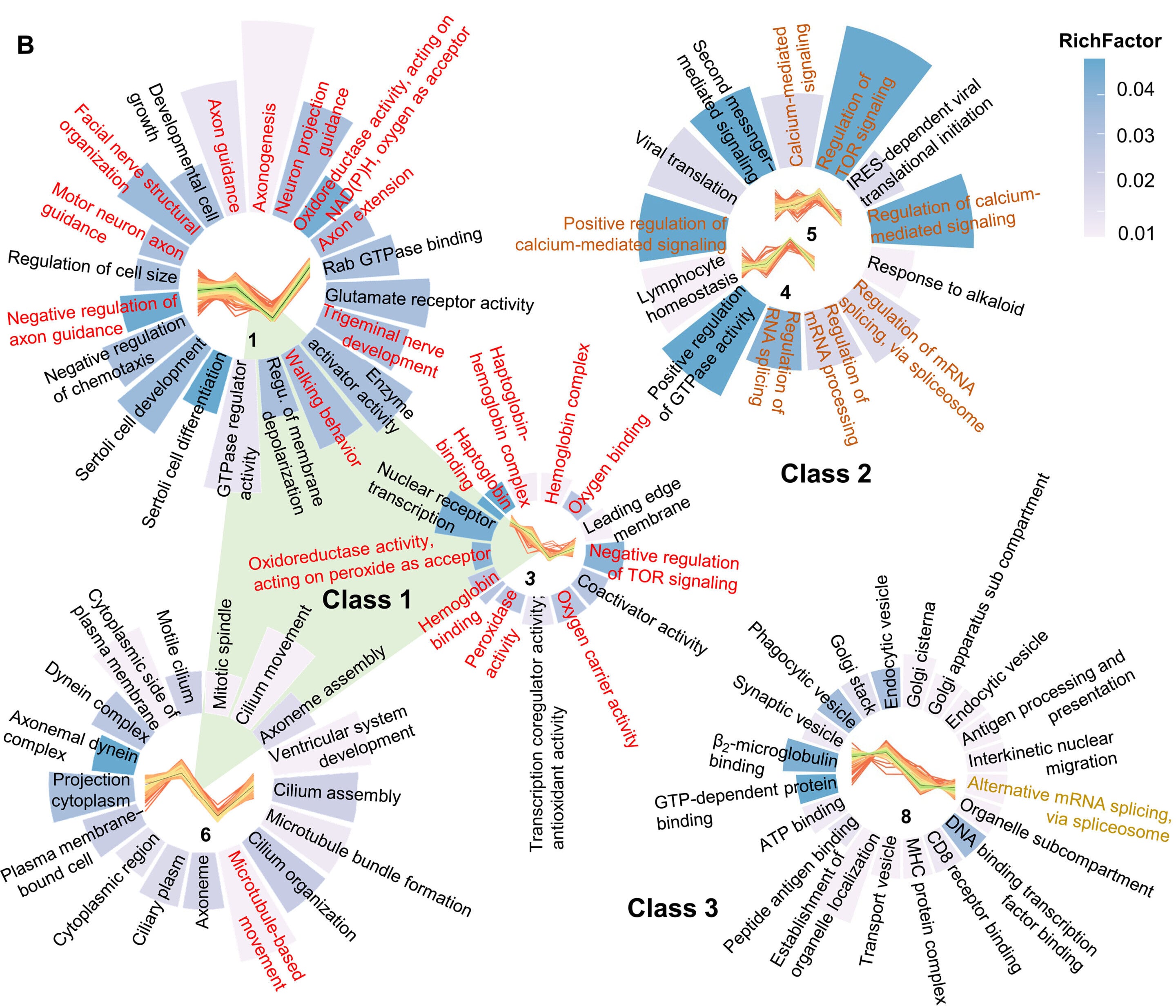
A study published in Science Advances reveals that boosting NAD⁺ levels can restore memory and improve brain function in Alzheimer's disease models by correcting RNA splicing errors through the regulation of EVA1C, offering potential new therapeutic avenues.
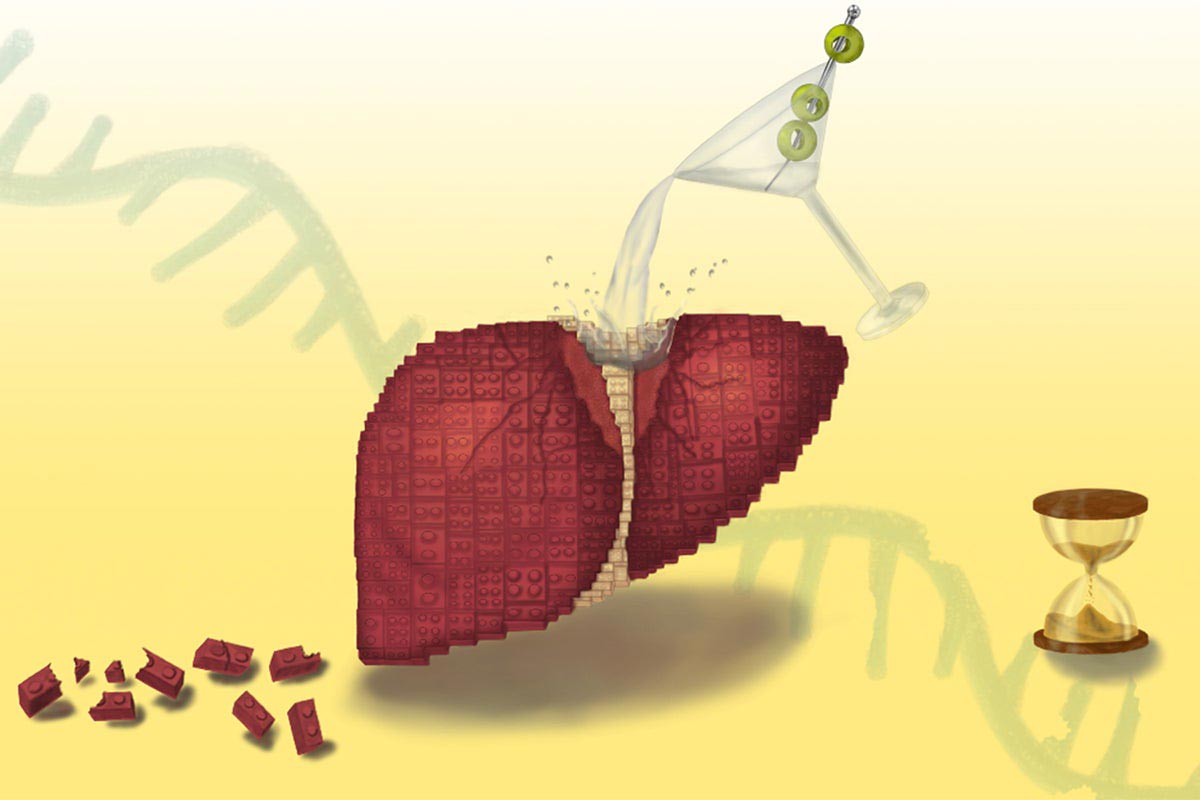
Excessive alcohol impairs liver healing by causing RNA missplicing and reducing ESRP2 protein, trapping liver cells in a non-functional state even after quitting alcohol, which contributes to liver failure. The study suggests potential treatment targets to improve liver recovery.
Long-term alcohol consumption impairs liver regeneration by causing inflammation-induced RNA splicing errors, leading to cells being stuck in an intermediate state; targeting inflammation and restoring ESRP2 may offer new treatment options.
A new study reveals that chronic alcohol use impairs liver regeneration by causing RNA missplicing due to ESRP2 deficiency, leading to cells being trapped in a non-functional state, which contributes to liver failure. The findings suggest potential treatment pathways targeting inflammation and RNA splicing to improve liver recovery.
Research reveals that the protein ELAV acts as a master regulator of circular RNA (circRNA) production in neurons by promoting back-splicing over linear splicing, which contributes to the stability and abundance of circRNAs in the brain, potentially impacting brain health and neurodegenerative diseases.
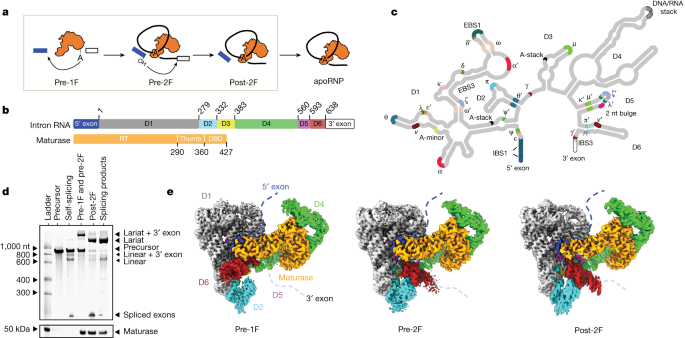
Scientists have gained new insights into the structural organization and catalytic mechanisms of group II introns, which are RNA molecules involved in splicing. Using cryo-electron microscopy, researchers visualized the intron ribonucleoprotein (RNP) complex at different stages of splicing. They discovered the intricate molecular interactions that position the branch helix and recognize the branchpoint nucleotide. The study also revealed the conformational dynamics of the intron RNP during the splicing process. These findings provide a better understanding of the fundamental reactions involved in RNA splicing and shed light on the evolution of splicing machines.