
Tag

Riceuniversity

All articles tagged with #riceuniversity

health-and-science2 years ago

"Breakthrough 'Molecular Jackhammer' Yields Near-Perfect Cancer Treatment Success in Lab Tests"

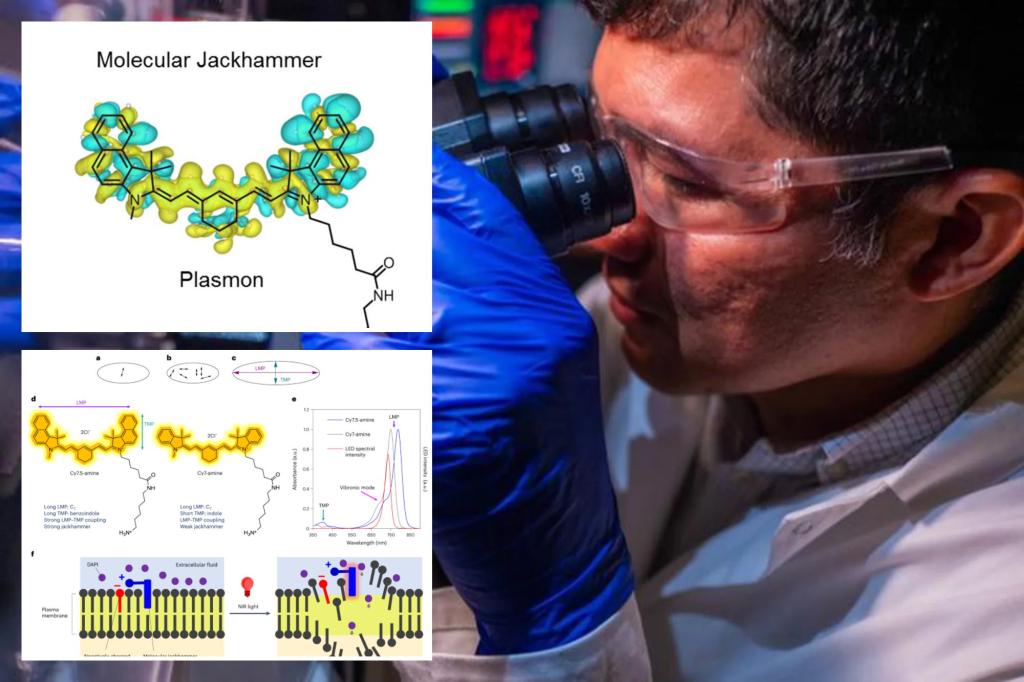
Researchers at Rice University have developed a novel cancer treatment method using "molecular jackhammers," small dye molecules that, when stimulated by near-infrared light, vibrate intensely and rupture cancer cell membranes. This technique has proven effective in lab cultures and in mice, killing 99% of human melanoma cells and curing half of the treated mice. The method offers a highly selective and potentially less toxic alternative to traditional treatments, as it targets only the cells exposed to the specific light. While promising, this approach faces several hurdles before it can be used in patients, including FDA approval and the development of appropriate light-delivery instruments.
health-and-medicine2 years ago

"Breakthrough: 'Next-Gen' Nanomachines Propel Cancer Treatment Discovery"

Researchers at Rice University have developed a "new generation" of nanomachines, termed "molecular jackhammers" (MJH), which offer a potential new cancer treatment method. These nanomachines utilize a cyanine dye activated by infrared light to selectively destroy cancer cells without harming surrounding tissue, potentially reducing side effects compared to traditional chemotherapy. While promising results have been observed in mice, with a significant portion becoming cancer-free, human trials are still many years away. The team is also exploring the combination of this technology with immunotherapy to target residual cancer cells.

health-and-science2 years ago

"Breakthrough 'Molecular Jackhammer' Technique Destroys 99% of Cancer Cells, May Replace Surgery"

Researchers at Rice University have developed a new cancer treatment method that uses aminocyanine molecules, which are activated by near-infrared light to act as "molecular jackhammers," effectively destroying 99% of cancer cells in lab tests and eradicating tumors in half of the treated mice. This approach, which leverages the molecules' ability to attach to cell membranes and the penetrative power of near-infrared light, could potentially treat hard-to-reach cancers without surgery. The findings, adding to recent advances in cancer therapy, were published in the Nature Chemistry journal.