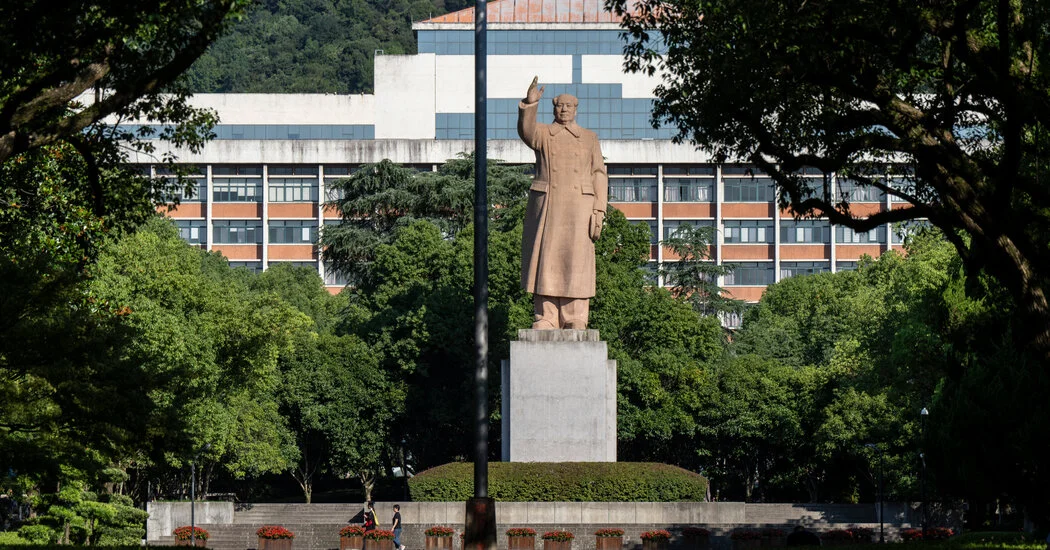
Chinese universities surge to the top of a global ranking of research output, pushing Harvard from the lead to No. 3 and signaling a broader shift as American institutions fall behind the rising productivity of Chinese schools.
A study of over seven million digital publications found that more than two million articles with active DOIs were not properly archived, highlighting the failure of systems to preserve papers online. This poses a significant challenge to the long-term sustainability of the research ecosystem, as the inability to verify past research could lead to a reliance on blind faith. The study suggests measures to improve digital preservation, including stronger requirements at DOI registration agencies and better education and awareness among publishers and researchers.
India has surpassed China as the most represented higher education system in Asia, with 148 featured universities in the latest QS World University Rankings. IIT-Bombay and IIT-Delhi are among the top 50, and there are five other Indian institutions in the top 100. India's universities have shown outstanding research output, stability, and highly trained faculty. While India falls below the regional average in academic and employer reputation, it excels in papers per faculty and faculty with PhD indicators. India produces a significant amount of research and has seven of Asia's top 10 universities in terms of papers per faculty.
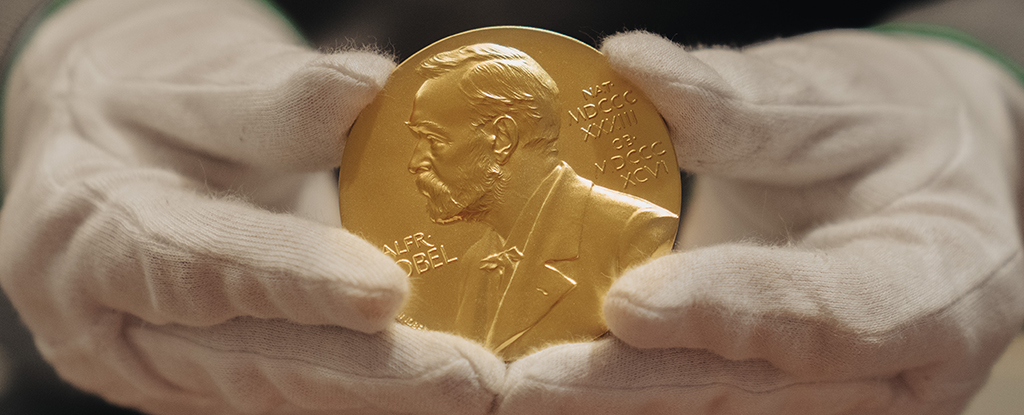
A study analyzing data on Nobel Prize winners in Physiology or Medicine from 1950 to 2009 suggests that recipients of the prestigious award tend to reduce their research output after winning. The analysis compared the number of published papers, novelty of ideas, and citations with winners of the Lasker Award. While Nobel Prize winners scored higher before receiving the prize, their productivity declined afterward. The study raises questions about the impact of the Nobel Prize on research and suggests recognizing scientists earlier in their careers to encourage innovative work.