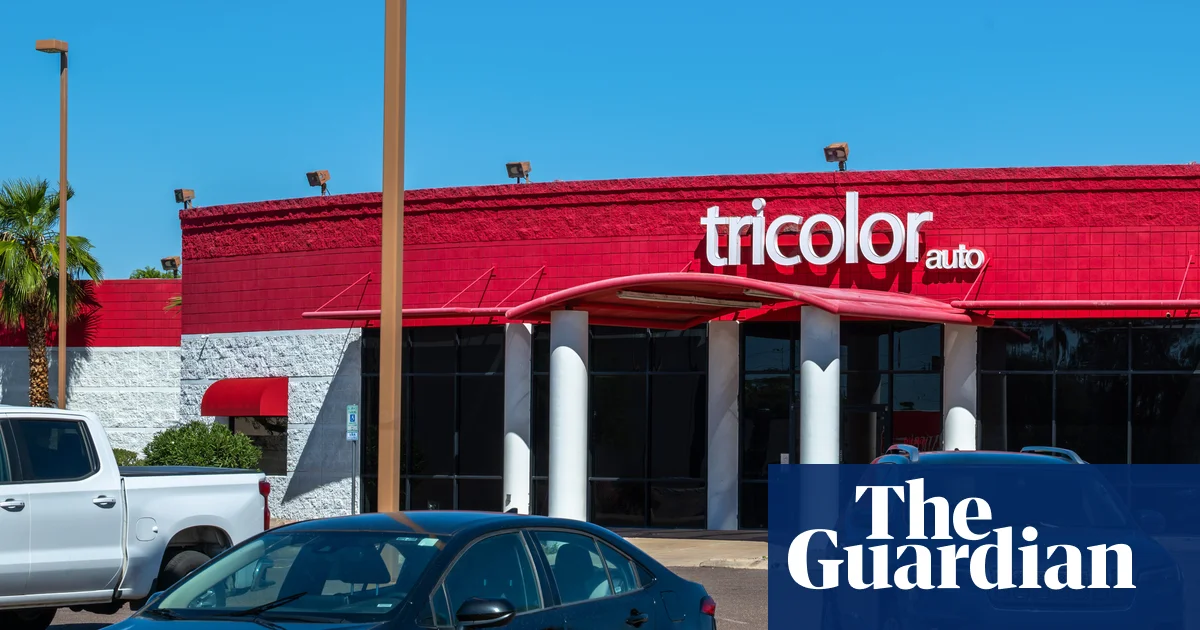
The surge in auto loan delinquencies and repossessions in the US, driven by rising car prices, higher interest rates, and economic stress on lower-income households, signals potential broader economic issues, especially within the sub-prime auto lending sector, as recent company collapses highlight increasing credit stress.

An Ohio woman, Tiah McCreary, repossessed her Kia after the dealer, Taylor Kia of Lima, lost the rights to its own name due to registration issues. She then filed a lawsuit claiming fraud and unjust enrichment, and sought ownership of the dealership's name, leading to a legal battle that challenges the dealership's authority and highlights issues in auto sales practices.
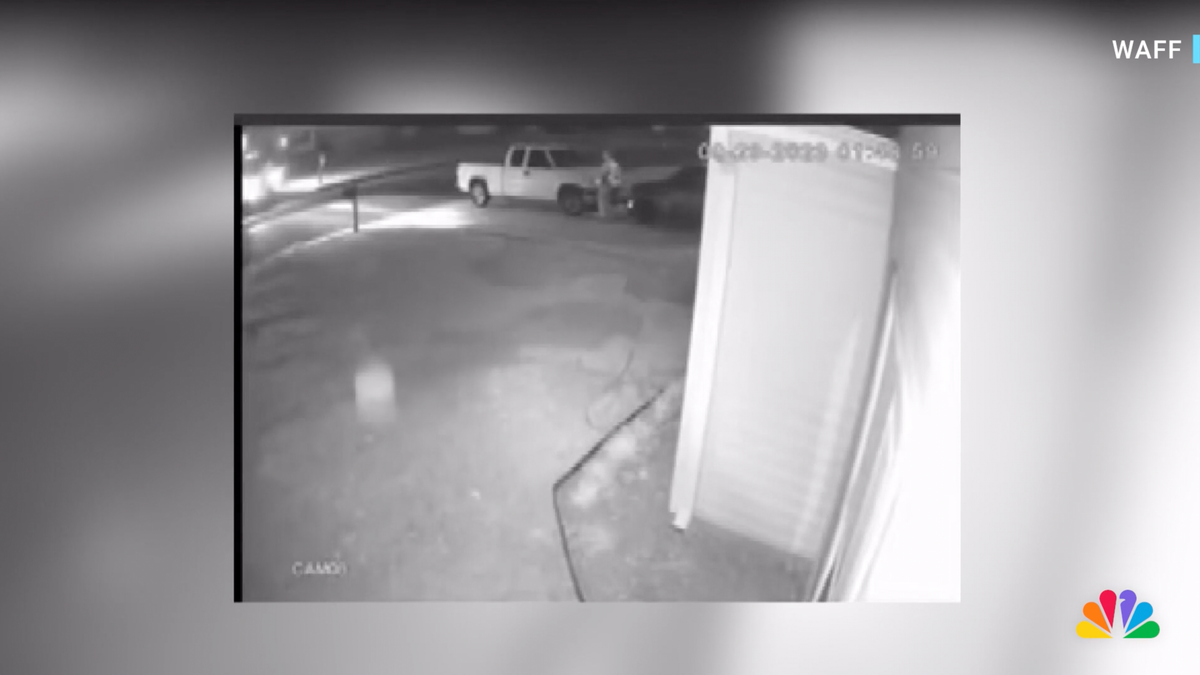
Three police officers in Decatur, Alabama have been fired and a fourth suspended after fatally shooting a man while his truck was being repossessed. The officers fired at Steve Perkins outside his home, with video footage showing them yelling at him before shooting. The officers' termination was announced by the city's mayor, who also expressed the need to ensure the tragedy is not forgotten. The police claim that Perkins emerged with a handgun, but his family disputes this, stating it appeared to be an ambush. The incident is now under criminal investigation, and a review of police policies will be conducted.
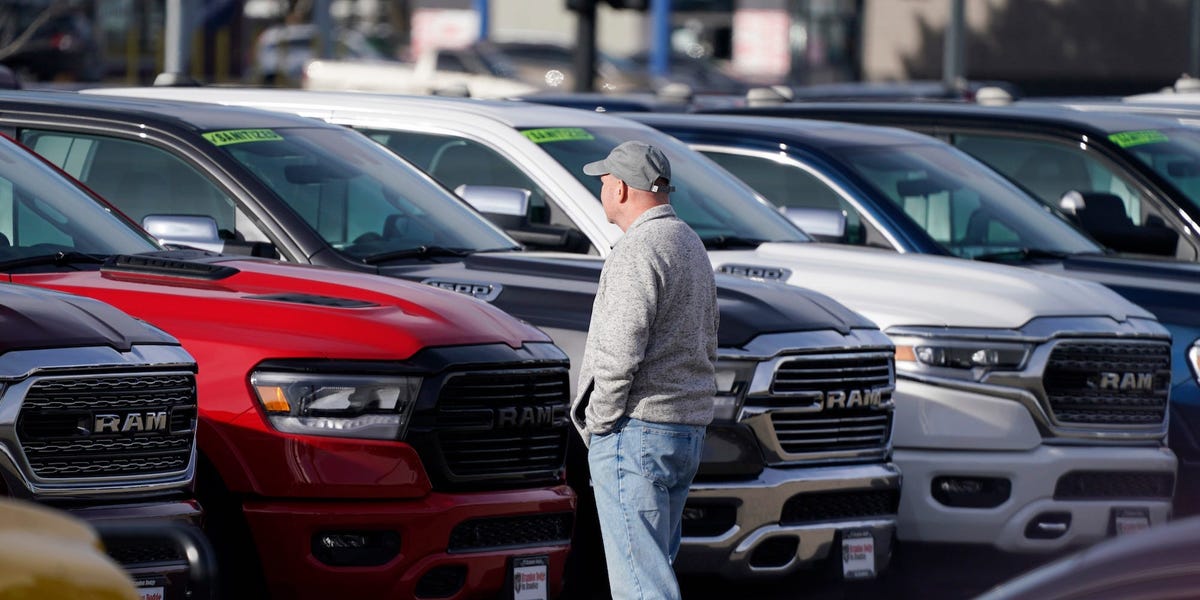
The rate of subprime borrowers behind on auto loan payments by more than 60 days reached a record high of 6.11% in September, according to Fitch Ratings. This indicates ongoing economic struggles for lower-earning workers amid high inflation, a challenging job market, and the resumption of federal student loan payments. Delinquency rates are expected to continue rising, peaking at around 10% before declining. The high interest rates and increasing reliance on borrowing are contributing factors. Vehicle repossession rates are also on the rise, leaving many without transportation.
Harley-Davidson's credit losses in Q1 were partly due to a shortage of repossession agents, as the repossession industry sees an uptick in demand amid more Americans struggling to afford their car payments. The shortage combined with a decline in retail bike values contributed to realized credit losses of about $52.6 million. Many repossession agents left the industry during the pandemic when business largely dried up due to stimulus measures. The company is making enhancements to its repossession strategy and expects a seasonal recovery in credit losses to reduce the loss rate in the coming quarters.