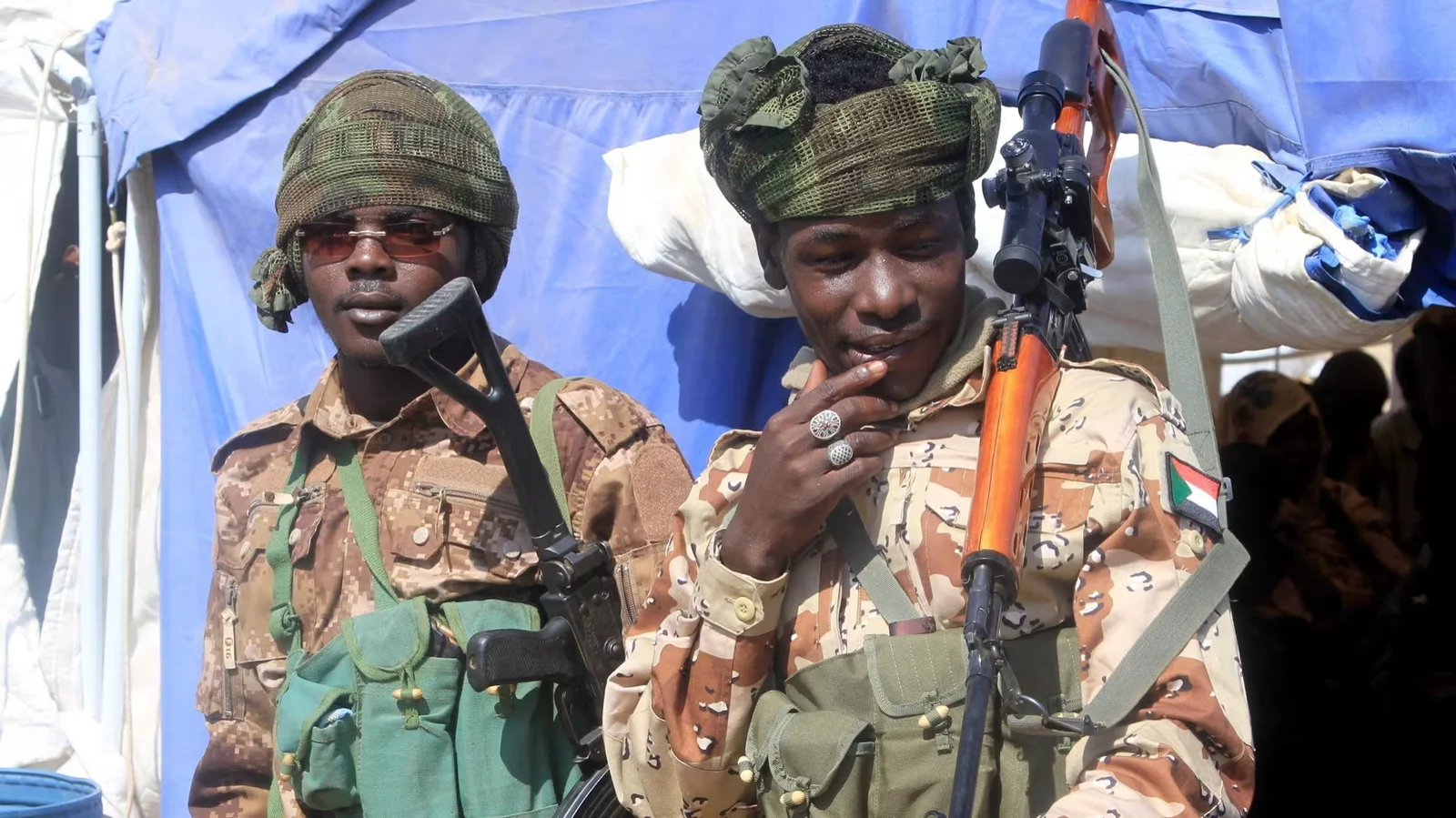
Sudan's RSF Gains Ground Amid Regional Tensions and Ongoing Conflicts
The article discusses how the conflict involving Sudan's ruthless paramilitary forces is impacting regional stability and power dynamics.

All articles tagged with #regional powers
The article discusses how the conflict involving Sudan's ruthless paramilitary forces is impacting regional stability and power dynamics.
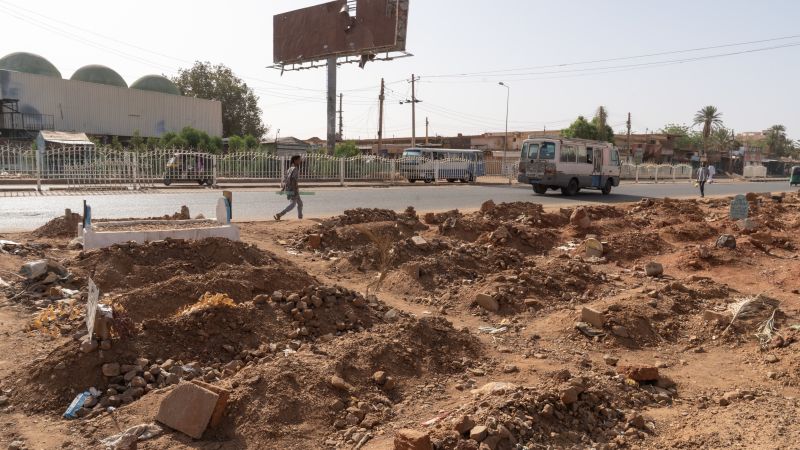
The conflict in Sudan, marked by a recent massacre in Darfur, is heavily influenced by foreign powers including the UAE, Saudi Arabia, Egypt, and Russia, each supporting different factions for strategic and economic reasons, complicating efforts for peace and stability.
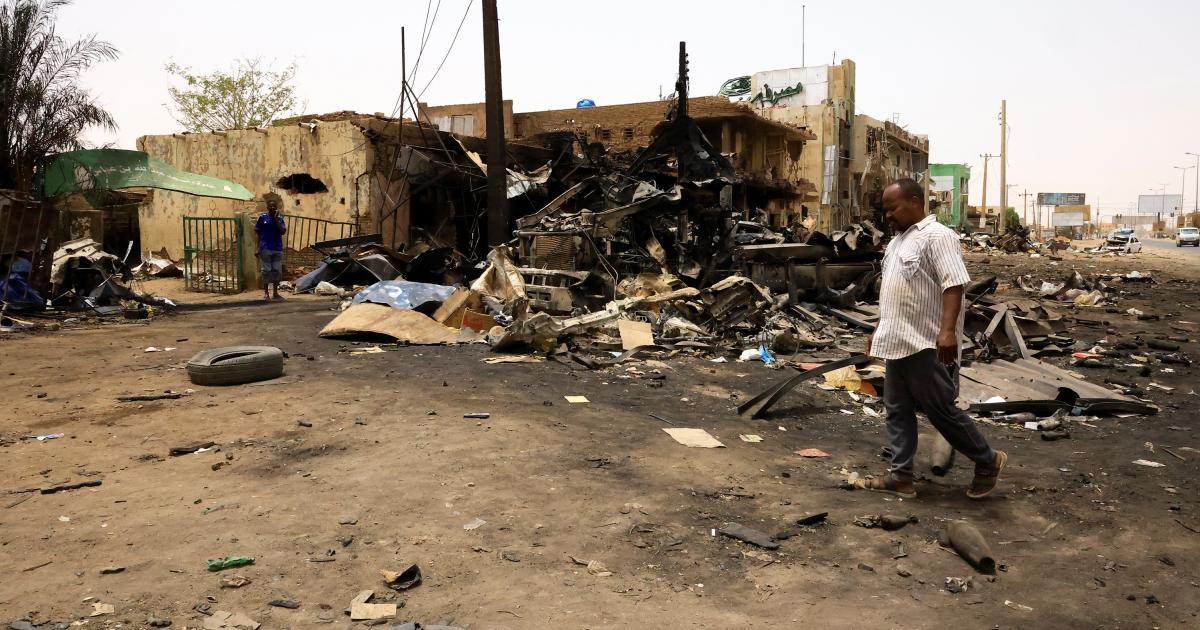
Sudan is on the brink of a protracted civil war as the country's two main security organs, the army and a paramilitary group known as the Rapid Support Forces (RSF), have been fighting for power since they jointly overthrew longtime dictator Omar al-Bashir in 2019. The conflict has escalated, with violence breaking out in at least eight of Sudan's 13 states, and regional powers are lining up behind the main belligerents. The best chance of extinguishing the conflict lies in a unified front: if Western and regional powers come together with Sudanese civil society groups to push for a permanent cease-fire and eventually a civilian-led transition to democracy, they may still be able to halt Sudan's slide into civil war.
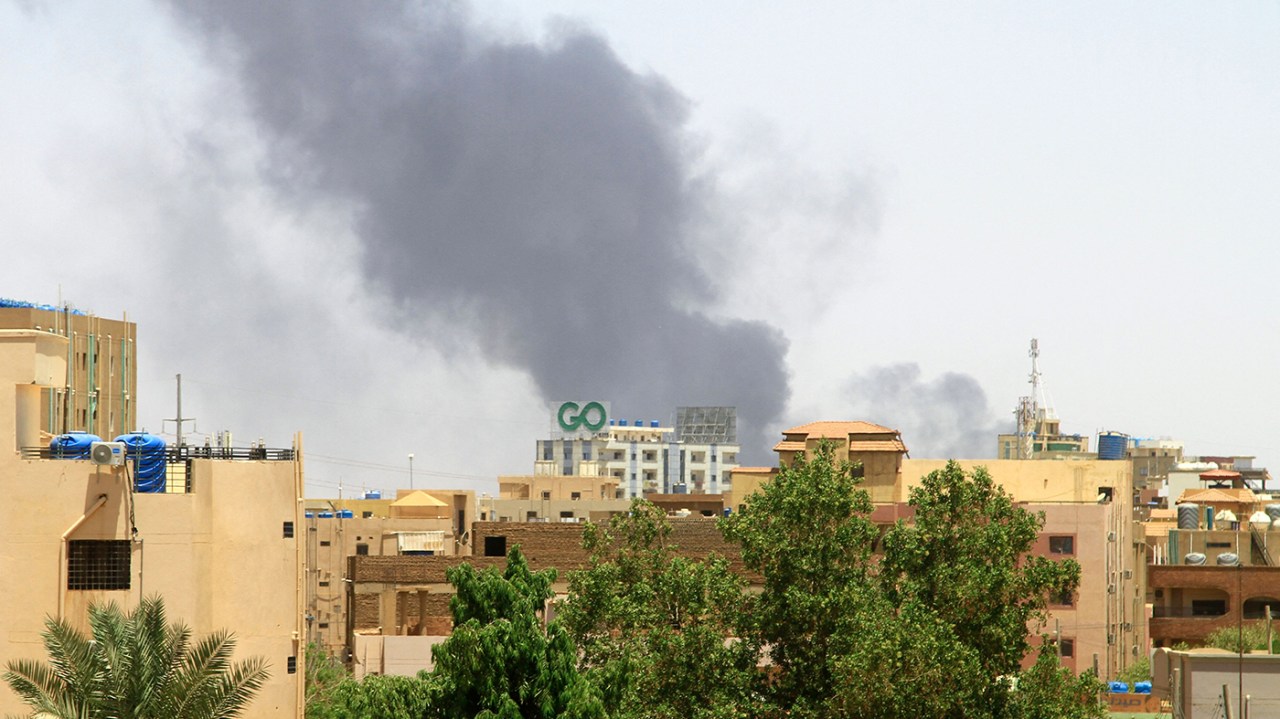
Heavy fighting continues in Sudan between the Sudanese army and the paramilitary Rapid Support Forces (RSF), with over 400 people killed and 3,500 injured since last Saturday. Both sides agreed to a three-day truce for Eid al-Fitr, but fighting appears to have largely continued. The US is preparing for a possible embassy evacuation, and regional powers such as the UAE, Saudi Arabia, and Egypt have called for a ceasefire, but concerns remain that some may take sides in the conflict.
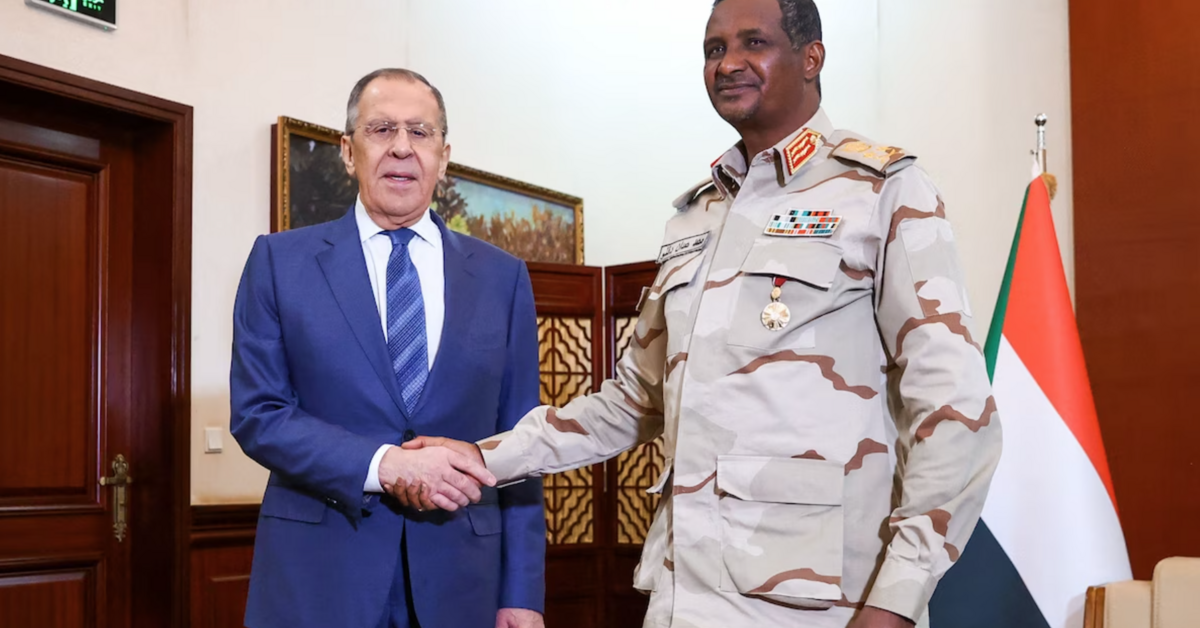
The armed conflict between the Sudan Armed Forces (SAF) and the Rapid Support Forces (RSF) has many underlying factors, including mounting pressure on the paramilitary RSF into integrating within the SAF too quickly. The conflict is not a regional proxy war, but rather a multi-level conflict involving various players, including warlords, foreign backers, and Sudanese forces. The situation is still fluid and could escalate into an existential war between the two arms of the Sudanese security apparatus.
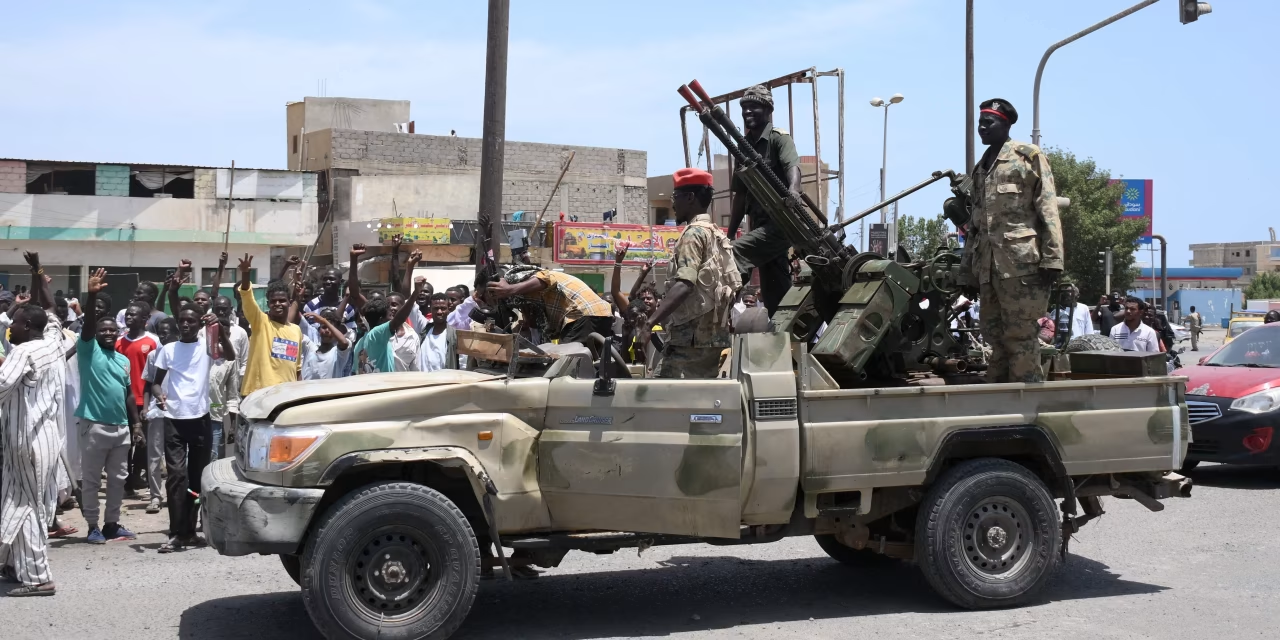
A Libyan militia leader and the Egyptian military have sent military support to rival generals fighting for control of Sudan, according to sources. Khalifa Haftar, the commander of a faction that controls eastern Libya, sent at least one plane to fly military supplies to Sudan’s paramilitary Rapid Support Forces, while Egypt sent warplanes and pilots to back the Sudanese military. The involvement of regional powers highlights the potential for the conflict to escalate.
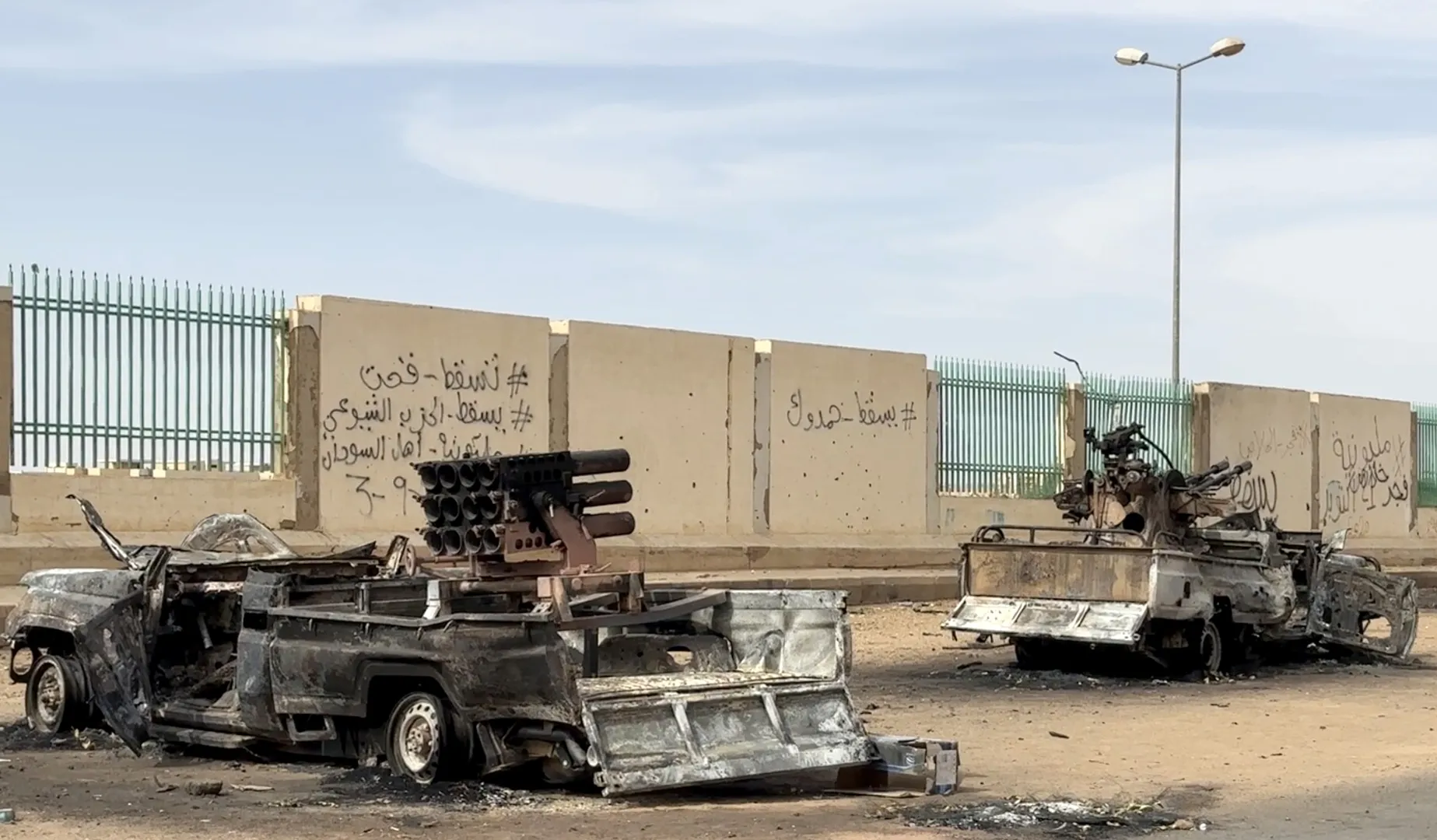
Intense fighting between the Sudanese army and a paramilitary force has continued for a fifth day despite calls by international stakeholders to stop the violence and engage in dialogue. The conflict has led to at least 270 deaths and observers are growing increasingly concerned about the possible ramifications of this conflict dragging on. Regional and international actors are all trying to stop the fighting, with the United States coordinating with Saudi Arabia and the United Arab Emirates on Sudan. Meanwhile, leaders of several African nations have said they plan on visiting Sudan, but it remains unclear whether or when that will be possible as fighting continues.
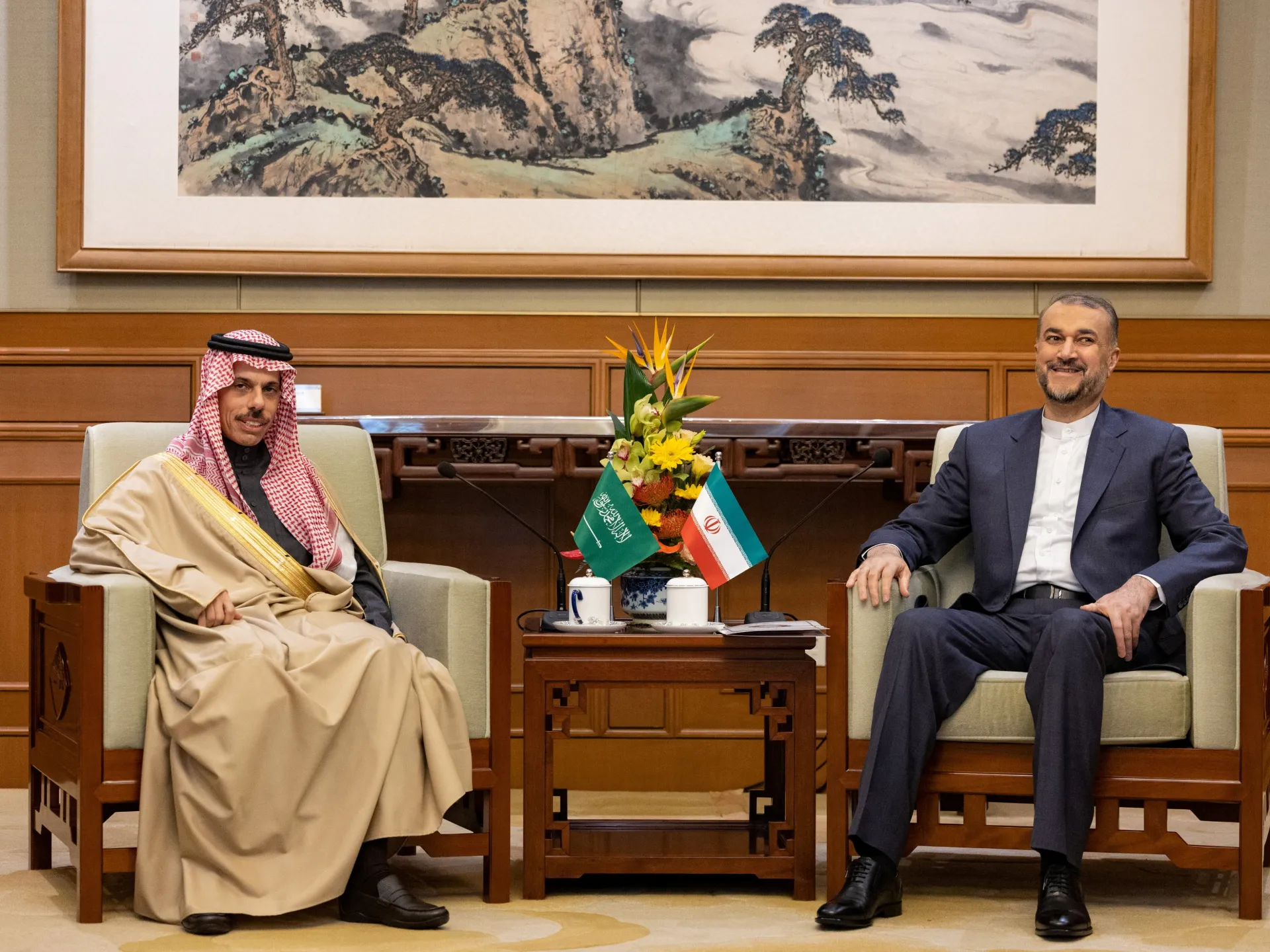
A Saudi Arabian diplomatic delegation has arrived in Tehran to discuss the reopening of its diplomatic missions after a seven-year absence, following a meeting between the foreign ministers of both countries in China this week after they agreed last month to restore diplomatic ties. The two countries severed ties in 2016 after protesters in Iran attacked Saudi diplomatic missions following Riyadh’s execution of a prominent Shia leader. The rapprochement between mainly Sunni Muslim Saudi Arabia and Shiite-majority Iran has the potential to reshape relations across a region characterised by turbulence for decades.