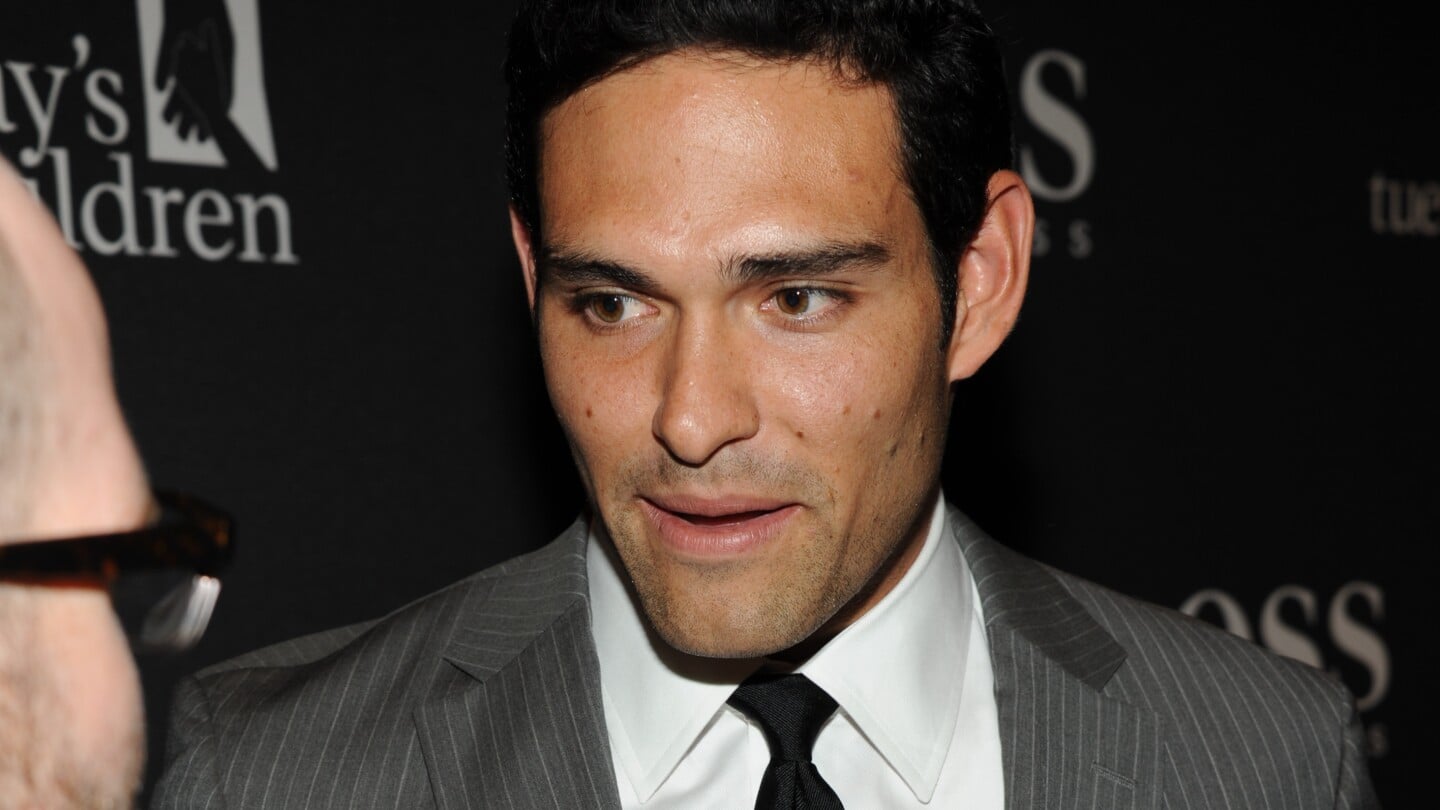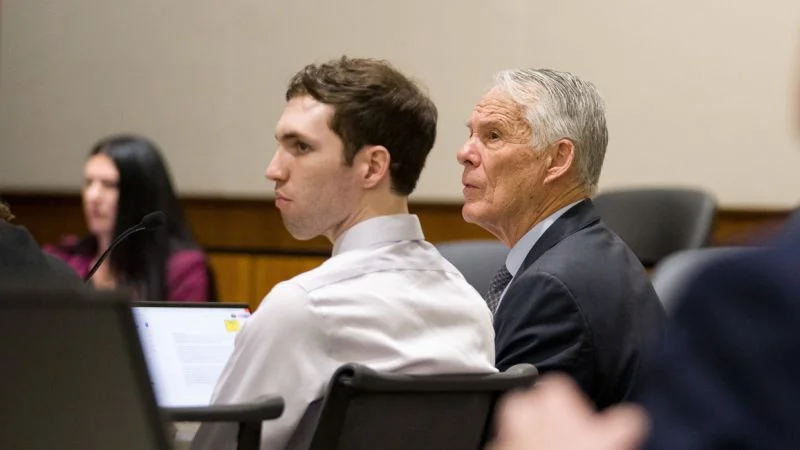
An Indiana judge recused herself from the criminal case against former NFL quarterback Mark Sanchez, which involves charges of battery and misdemeanors related to an altercation in Indianapolis. The case has been reassigned, with a pretrial conference scheduled for October and a jury trial tentatively set for December.
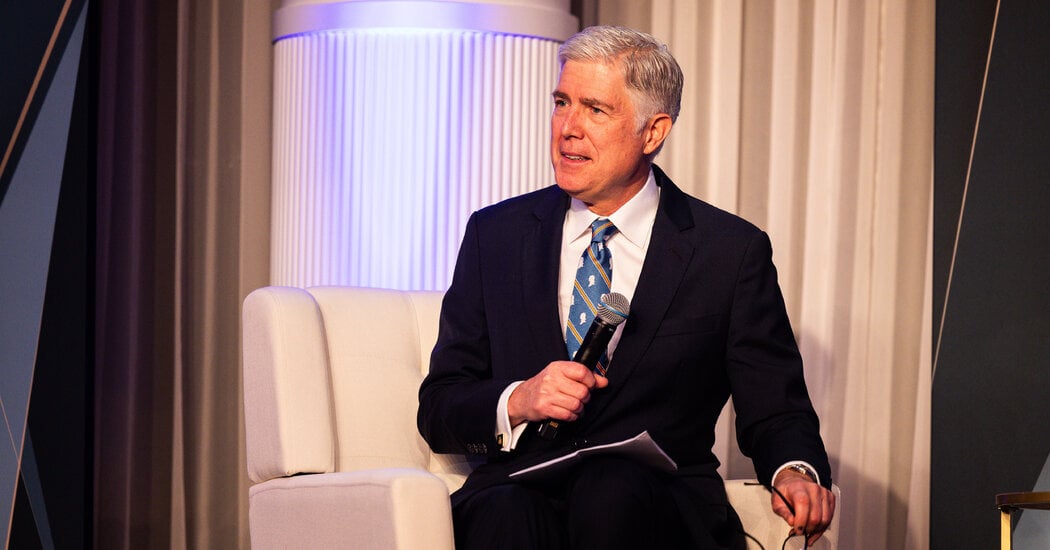
Supreme Court Justice Neil Gorsuch has recused himself from a case that could potentially benefit a Colorado billionaire, highlighting the importance of impartiality in judicial proceedings.
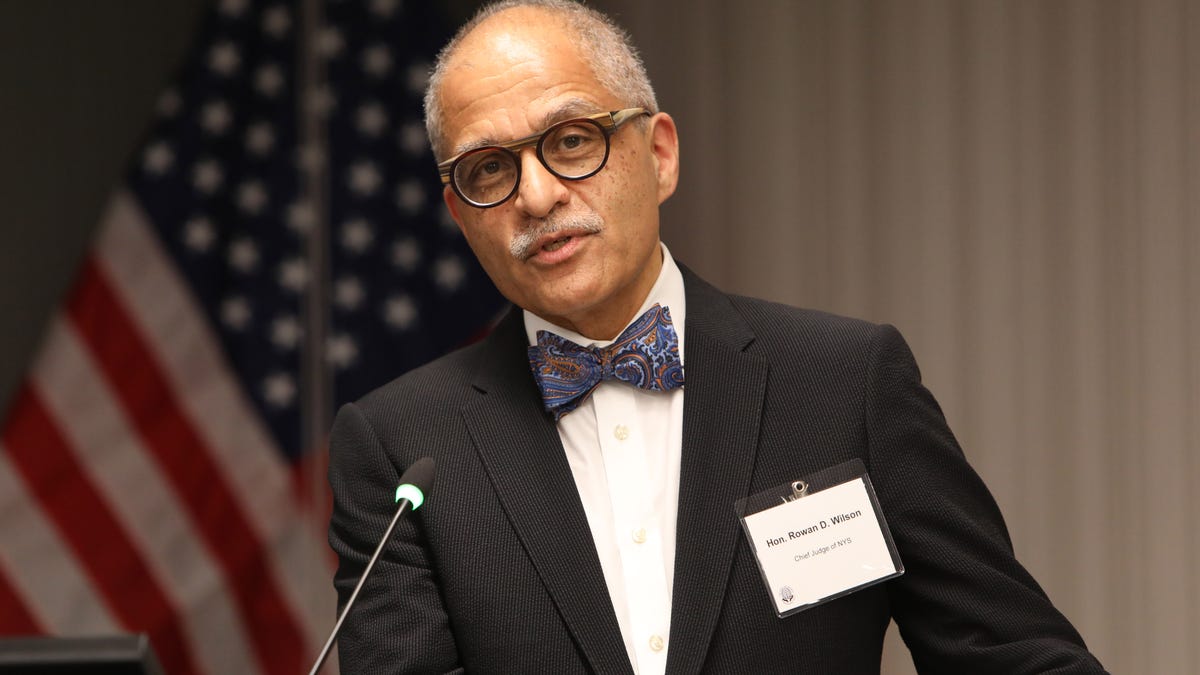
New York's Chief Judge Rowan Wilson recused himself from Donald Trump's gag order appeal due to ethical concerns over the representation of Justice Juan Merchan by the Office of Court Administration, which Wilson oversees. The Court of Appeals rejected Trump's automatic appeal, and Wilson's recusal, along with Judge Caitlin Halligan's, leaves only five judges to decide if Trump's discretionary appeal will be heard. This recusal could impact the outcome of Trump's criminal case, especially given Wilson's history of supporting criminal defendants' rights.
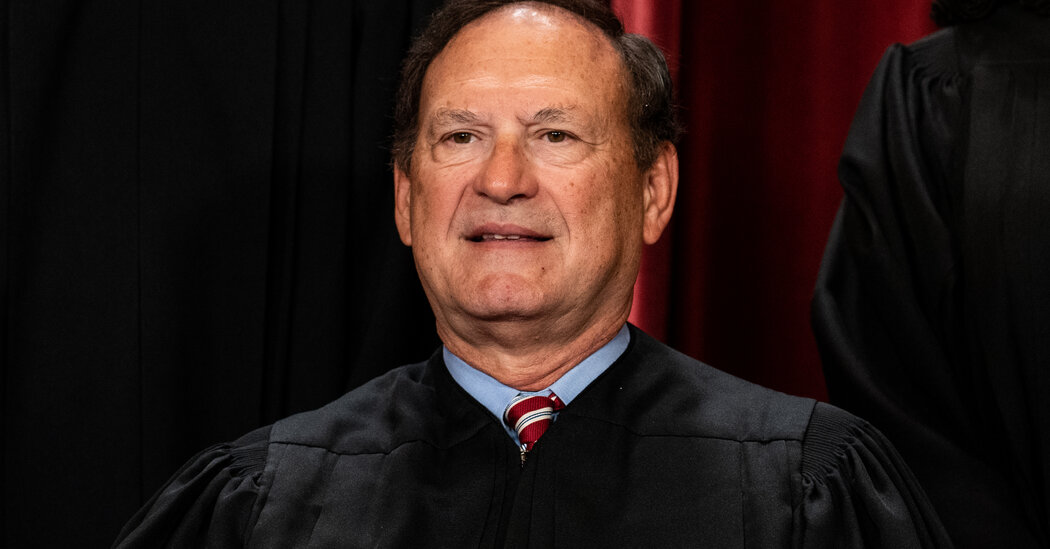
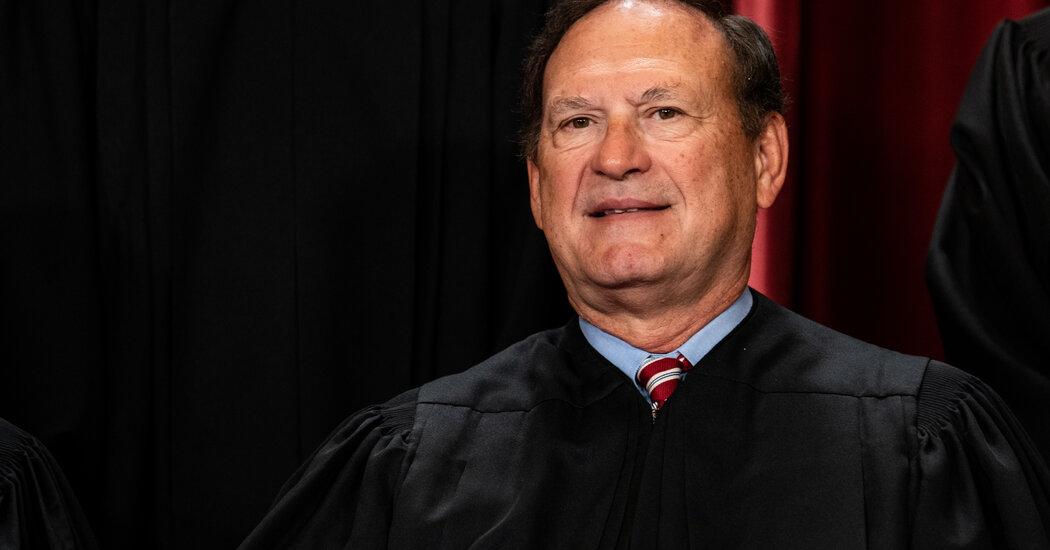
Supreme Court Justice Samuel Alito has provided conflicting accounts regarding politically charged flags flown outside his homes, which has led to criticism and calls for his recusal from certain cases. Alito claims his wife was responsible for the flags, citing a neighborhood dispute as the reason, but police records and neighbor testimonies contradict his explanations. The motivations behind the flags, particularly an upside-down American flag and an "Appeal to Heaven" flag, remain unclear, raising questions about potential political bias.
Plaintiffs suing the Biden administration over Gaza policy have requested the recusal of Judge Ryan Nelson from their case due to his participation in a World Jewish Congress-sponsored trip to Israel, which they argue was intended to influence U.S. judicial opinion on Israeli military actions. The 9th U.S. Circuit Court of Appeals is set to hear arguments next week, and the plaintiffs have filed an emergency motion for recusal, citing ethical concerns. Legal experts are divided on whether recusal is necessary.
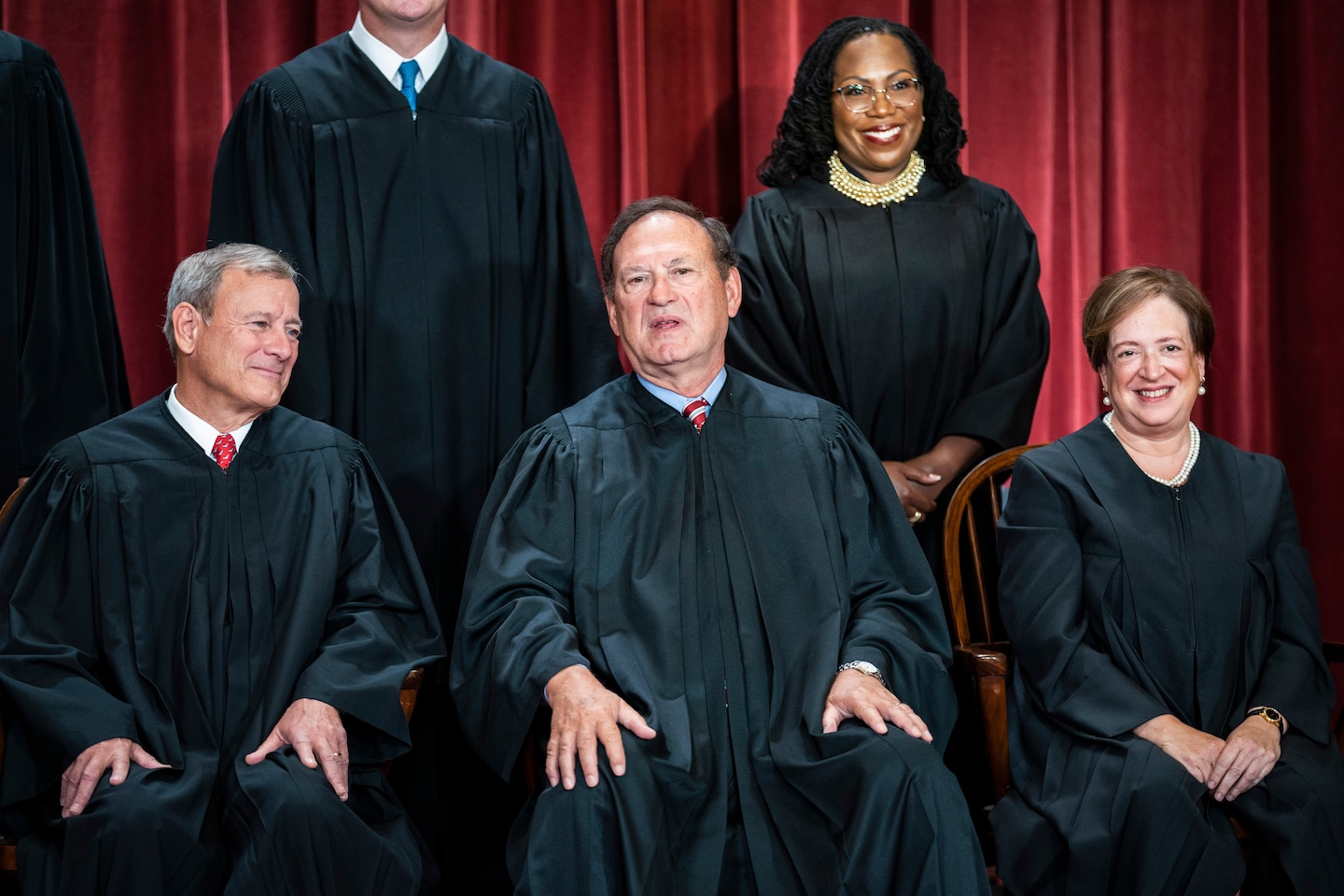
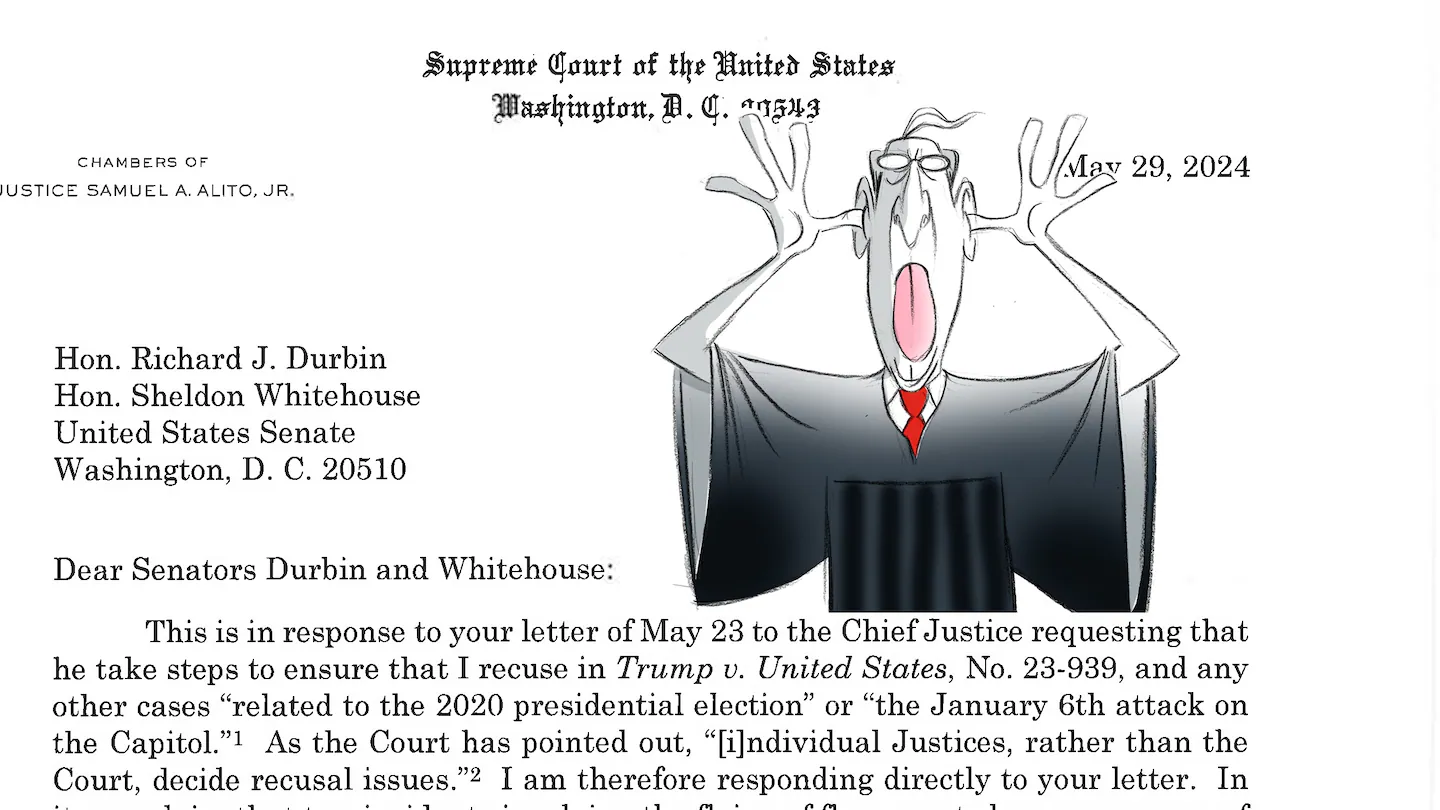
Chief Justice John G. Roberts Jr. declined requests for Justice Samuel A. Alito Jr. to recuse himself from Jan. 6 cases, stating that individual justices decide on recusal issues. Roberts also refused to meet with Democratic senators to discuss Supreme Court ethics, citing concerns about separation of powers and judicial independence.
Legal ethicists are questioning Justice Samuel A. Alito Jr.'s decision not to recuse himself from two Jan. 6 cases, despite flags associated with the "Stop the Steal" movement being displayed outside his house. Alito explained that the flags were flown by his wife, not him, but experts remain unconvinced by his rationale. This controversy adds to ongoing concerns about ethics and political influence within the Supreme Court.
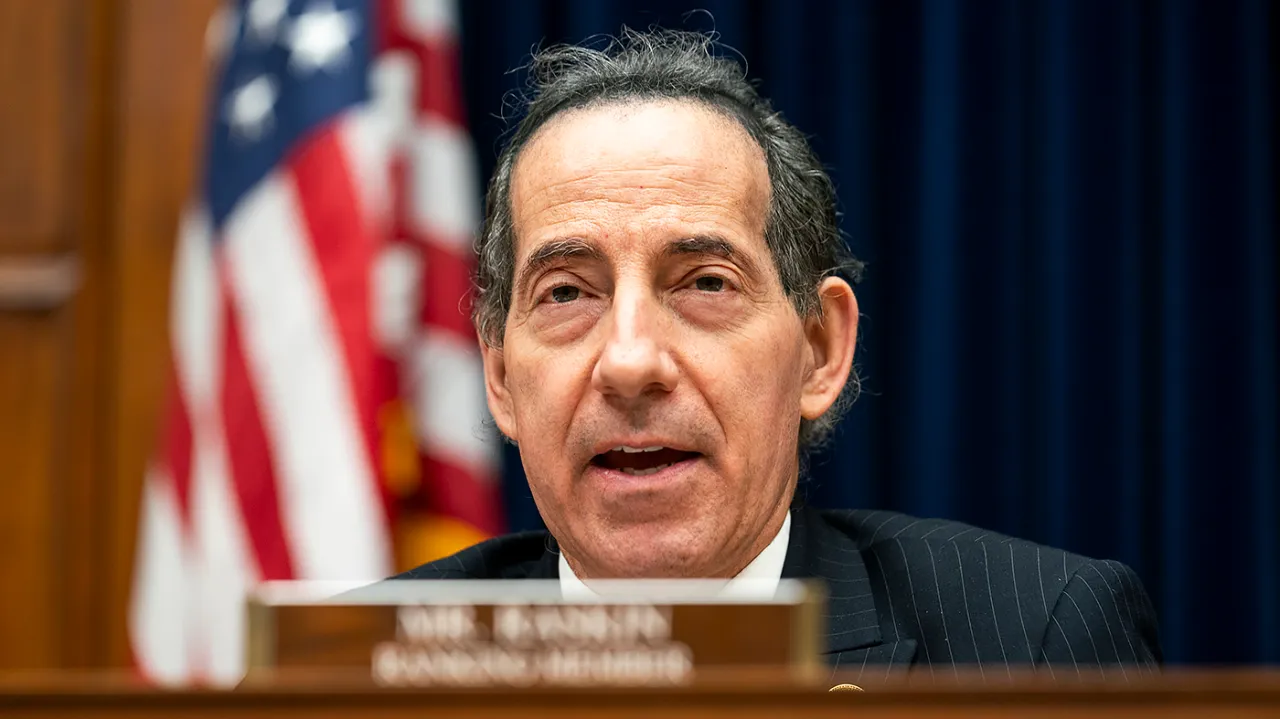
Rep. Jamie Raskin argues that the Department of Justice can compel Supreme Court Justices Clarence Thomas and Samuel Alito to recuse themselves from Jan. 6-related cases due to potential biases, citing constitutional and federal statutes.
Justice Samuel A. Alito Jr. has refused to recuse himself from two Supreme Court cases related to the Jan. 6 Capitol attack, despite reports of provocative flags flown at his homes. Alito stated that the flags, which appeared to support the "Stop the Steal" movement, were displayed by his wife and not by him. The decision has raised concerns about potential bias in the cases, which involve former President Donald Trump and charges against Capitol rioters.
Jamie Raskin argues that Justices Alito and Thomas should be forced to recuse themselves from Jan. 6 cases due to potential conflicts of interest, suggesting that the U.S. Department of Justice can petition the other justices to mandate their recusal as a matter of law.
Justice Samuel Alito has refused to recuse himself from Supreme Court cases involving former President Donald Trump despite calls from congressional Democrats. The controversy centers around two flags that flew outside his homes, which Democrats argue create an appearance of impropriety. Alito maintains that the flags were flown by his wife and had no political or ideological significance, asserting that the incidents do not meet the standard for recusal.
Supreme Court Justice Samuel Alito informed lawmakers he will not recuse himself from cases related to the 2020 presidential election or the January 6 Capitol riot, despite controversy over two flags flown on his properties. Alito stated that the flags, one flown upside-down and another with historical significance, were decisions made by his wife and did not meet the conditions for recusal. Congressional Democrats criticized his decision, while former President Trump praised it.
Former federal prosecutor Joyce Vance and other legal experts have criticized Judge Aileen Cannon's handling of Donald Trump's classified documents criminal trial, calling for her recusal due to decisions that appear to favor the former president. Cannon's recent denial of two motions from Trump's legal team has raised concerns that she may be setting the stage for Trump to avoid accountability for alleged crimes. The Department of Justice is urged to file a motion to recuse Cannon from the trial to address the risks she poses to the case.
Former President Donald Trump demands a new judge just days before his hush-money criminal trial, citing bias and conflict of interest due to the judge's daughter being a Democratic political consultant. The trial is set to begin on April 15, and if the judge were to step aside, it would disrupt the trial schedule. Trump's lawyers also attempted to force NBC to provide materials related to its recent documentary about Stormy Daniels, a key prosecution witness, but the judge blocked the subpoena. Trump's attacks on the judge and his daughter have led to an expanded gag order, and his lawyers argue that circumstances have changed with Trump's rematch against President Joe Biden, and Democrats seeking to capitalize on Trump's legal troubles with fundraising emails.