Tag

Recruitment Challenges

All articles tagged with #recruitment challenges

Defense Sector Faces Skills Shortage Challenge
technology2 months ago

Defense Sector Faces Skills Shortage Challenge

The UK defence sector faces a significant skills shortage across various areas, including digital, cyber, and green technologies, compounded by ethical concerns and a perception of rigidity. Efforts are underway to attract younger talent through outreach, diversification of recruitment, and collaboration with educational institutions, aiming to address the skills gap and support increased defence spending.


Bill Belichick's Surprising Move to UNC Sparks Debate and Excitement
sports1 year ago

Bill Belichick's Surprising Move to UNC Sparks Debate and Excitement

North Carolina's decision to hire Bill Belichick as their new football coach is criticized due to his lack of college coaching experience, recruitment skills, and adaptation to the college football environment. Despite his NFL success, Belichick's age and introverted personality may hinder his ability to connect with recruits and donors. The article argues that his NFL-centric approach may not translate well to college football, drawing parallels to other unsuccessful NFL-to-college coaching transitions.

"US Army Overhauls Force Structure, Cuts Thousands of Jobs to Prioritize Future Threats"
military2 years ago

"US Army Overhauls Force Structure, Cuts Thousands of Jobs to Prioritize Future Threats"

The US Army is reducing its force by 24,000 positions, mainly in already-empty posts, and restructuring to focus on large-scale combat operations against more sophisticated enemies. The plan includes adding 7,500 troops in critical missions such as air-defense and cyber capabilities. This move comes as the Army faces significant recruitment challenges and aims to modernize its forces for future warfare scenarios.

"US Military Forces Overhaul: Massive Job Cuts and Recruiting Revamp"
military2 years ago

"US Military Forces Overhaul: Massive Job Cuts and Recruiting Revamp"

The US Army is reducing its force size by about 24,000, or nearly 5%, and restructuring to better prepare for future wars, focusing on critical missions such as air-defense and cyber capabilities. The cuts will mainly come from already-empty posts, not actual soldiers, and will include jobs related to counter-insurgency. This move reflects the Army's struggle with recruiting shortfalls and aims to address the need for a more modern and agile force to meet evolving global threats.

"Gen. Milley's Views on Ukraine, Tuberville, and the Impact of 'Wokeness'"
militaryinternational-relations2 years ago

"Gen. Milley's Views on Ukraine, Tuberville, and the Impact of 'Wokeness'"

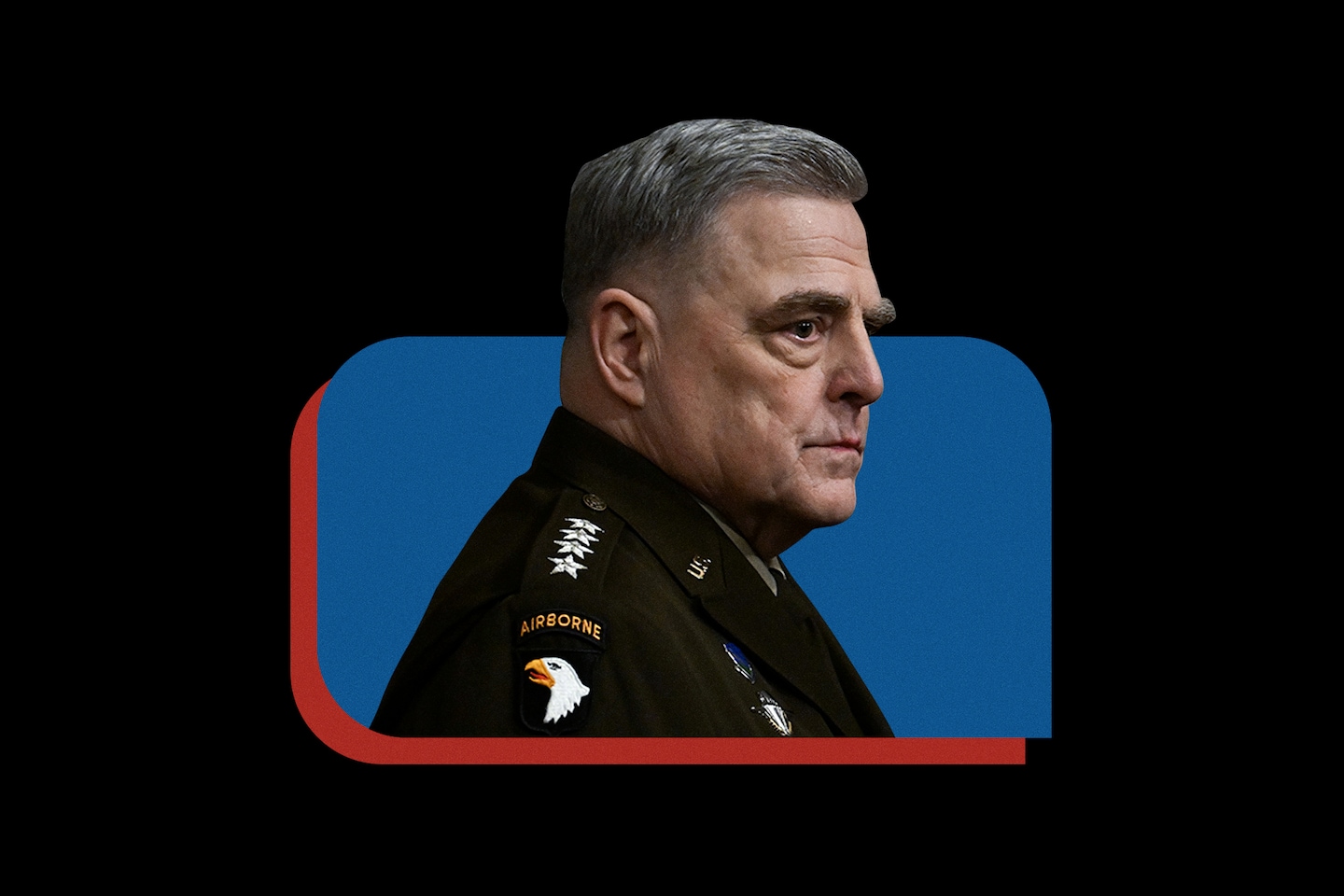
In an interview, Gen. Mark A. Milley, the chairman of the Joint Chiefs of Staff, discussed various topics including the situation in Ukraine, the U.S. military's withdrawal from Afghanistan, Sen. Tommy Tuberville's blocking of military promotions, and military recruitment challenges. Milley stated that the U.S. has provided Ukraine with significant military assistance and that the Russian forces are facing difficulties. He also emphasized that the outcome of the conflict in Ukraine depends on the definition of "win" and highlighted the importance of preserving the international order. Milley addressed concerns about "wokeness" in the military, stating that while there are some issues, the perception is overstated. He also expressed support for investigations into the Afghanistan withdrawal and emphasized the need to provide transparency and accountability to the families of fallen soldiers.

workforce-and-employment2 years ago

The Surprising Consequences of Forced Office Returns Revealed

Reports from Greenhouse, the Federal Reserve, and Unispace highlight the damaging consequences of mandated returns to the office. Unispace found that 42% of companies experienced higher employee attrition than expected, while 29% struggled with recruitment. The Greenhouse report revealed that 76% of employees would consider leaving if flexible work schedules were revoked, with underrepresented groups being 22% more likely to seek other options. The Federal Reserve's survey equated the shift from flexible to traditional work to a 2-3% pay cut. These findings emphasize the importance of flexible work policies in talent acquisition and retention, with employees ranking it as a top priority alongside compensation and job security. Real-life cases also mirror these findings, with companies experiencing decreased attrition rates and increased job applications after implementing flexible work policies. Understanding cognitive biases such as the status quo bias and anchoring bias can help create a workplace that attracts and retains employees in the new age of flexibility.