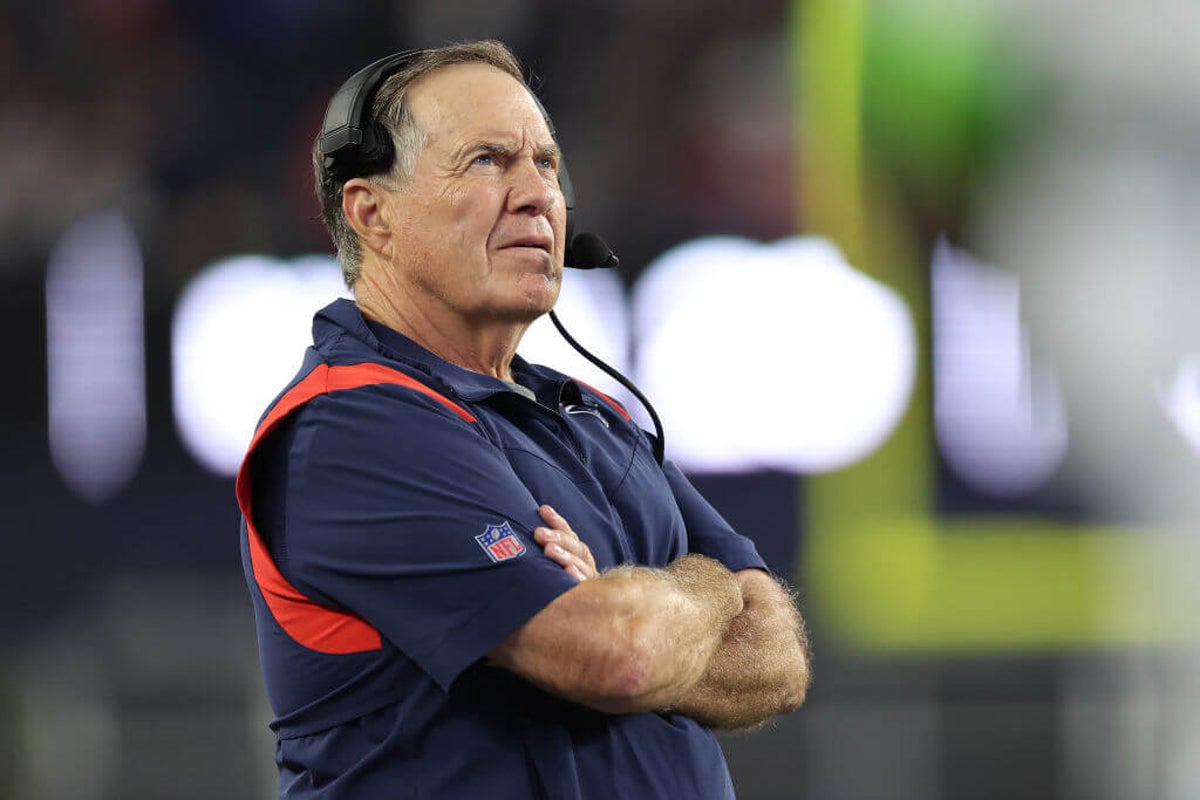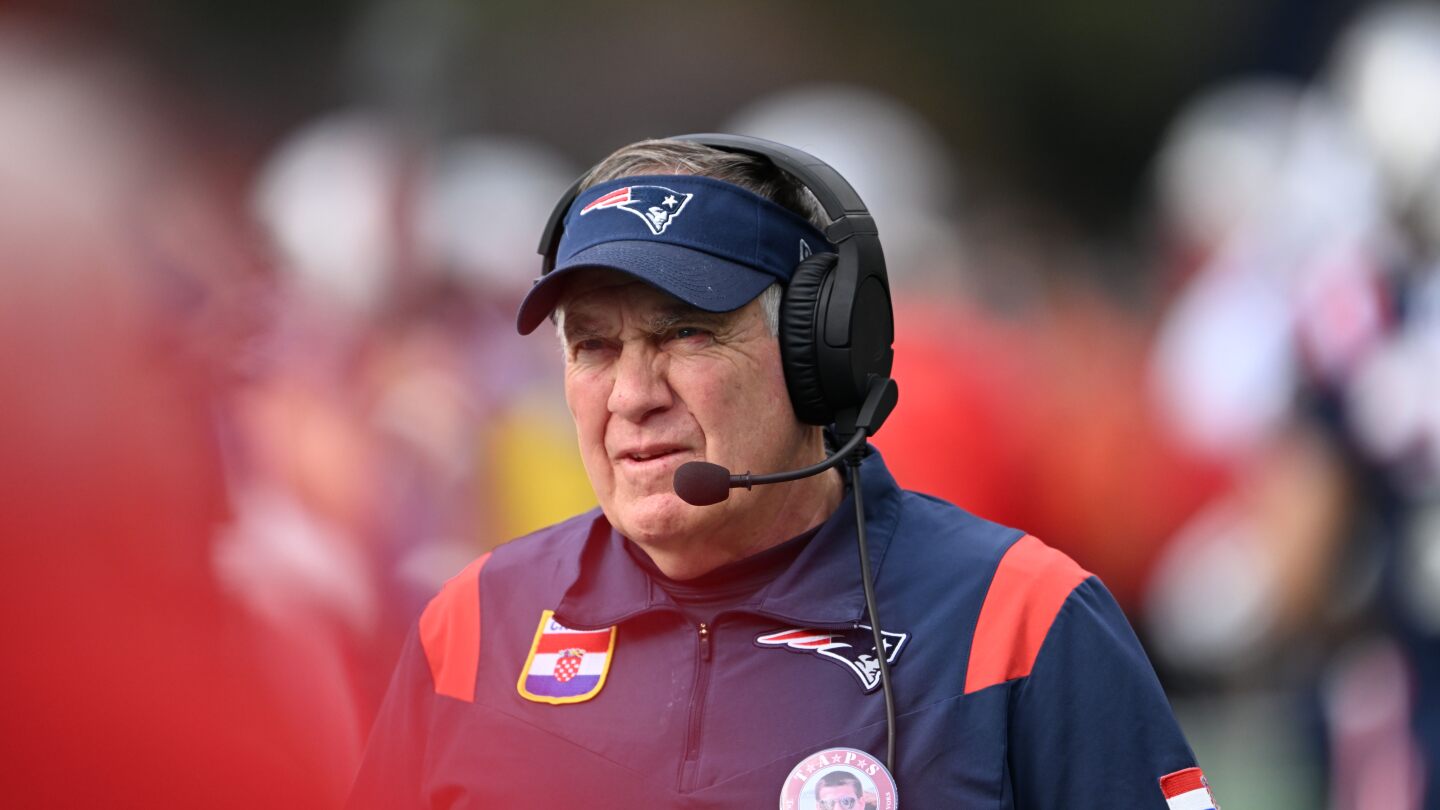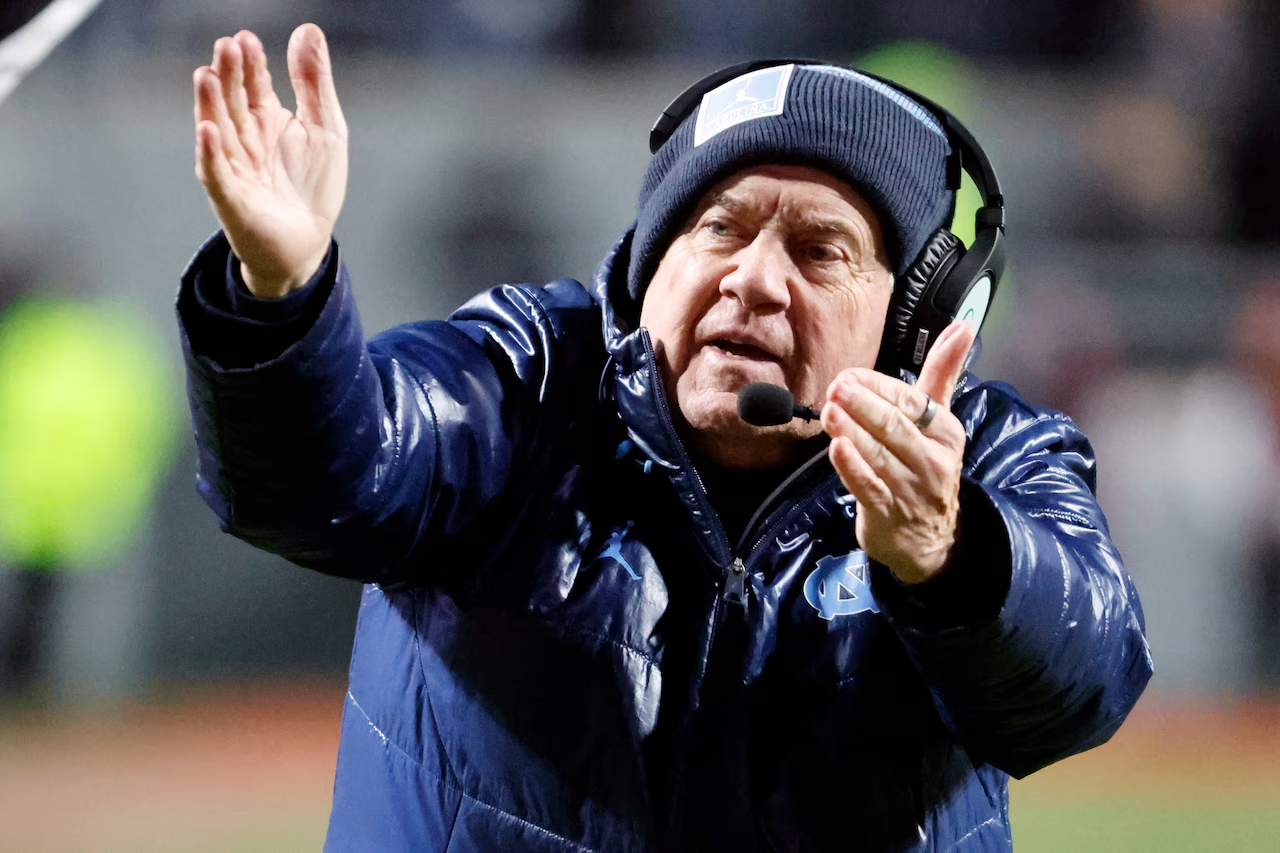
Bill Belichick's first college coaching season with North Carolina ended with a 4-8 record and a series of blowout losses, leading to mixed national reactions that highlight the challenges of transitioning from NFL success to college coaching and the scrutiny faced by public figures in sports.
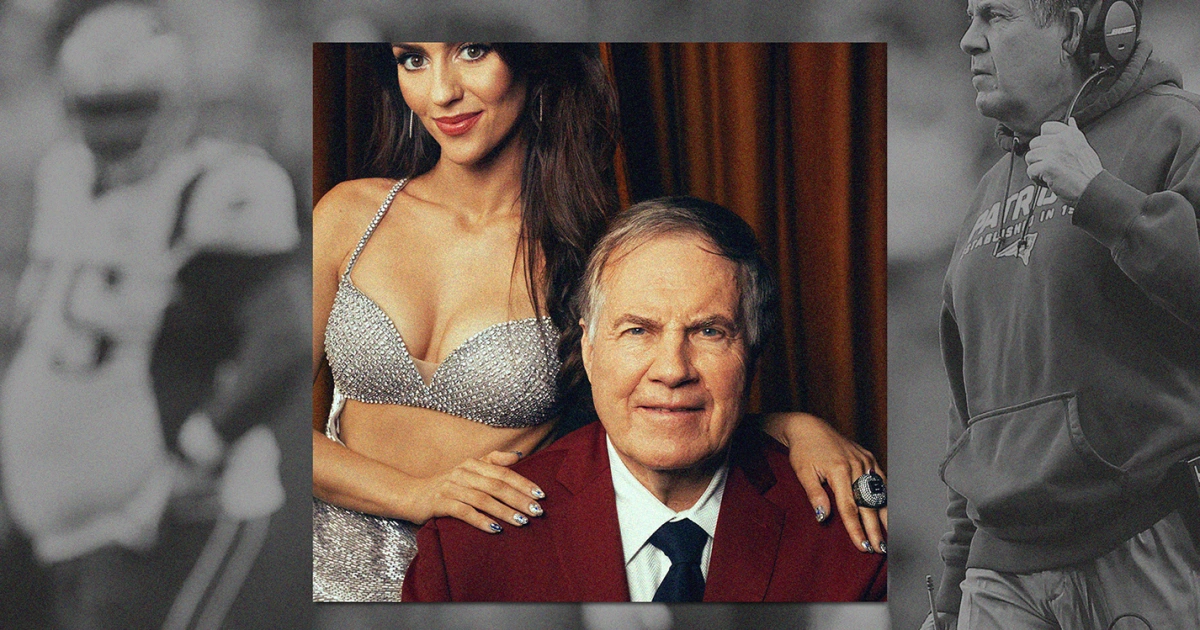
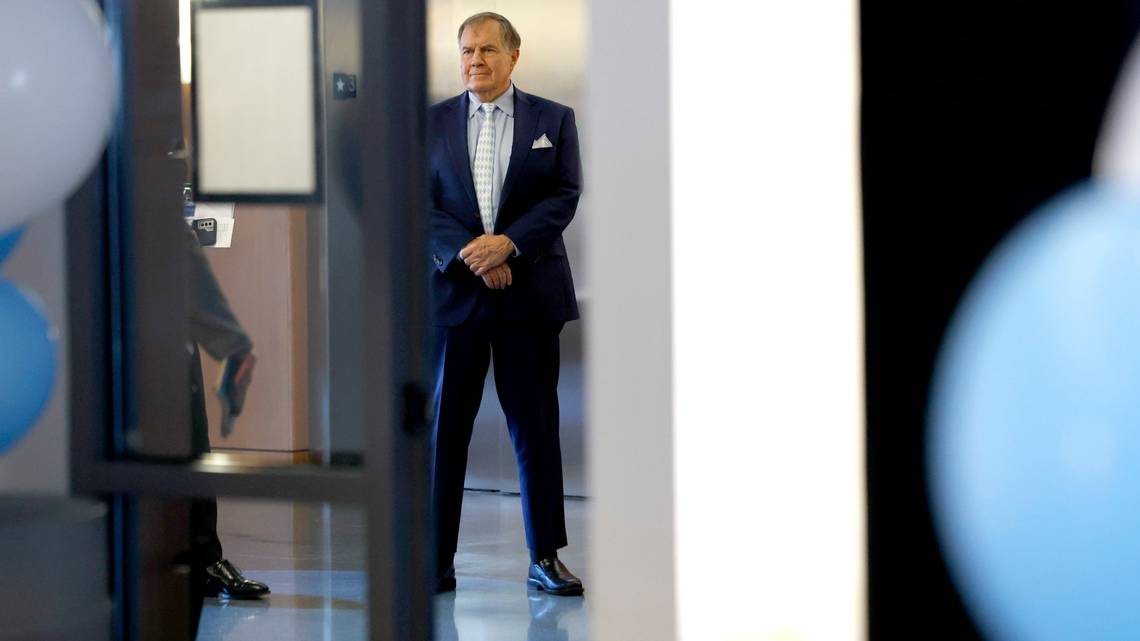
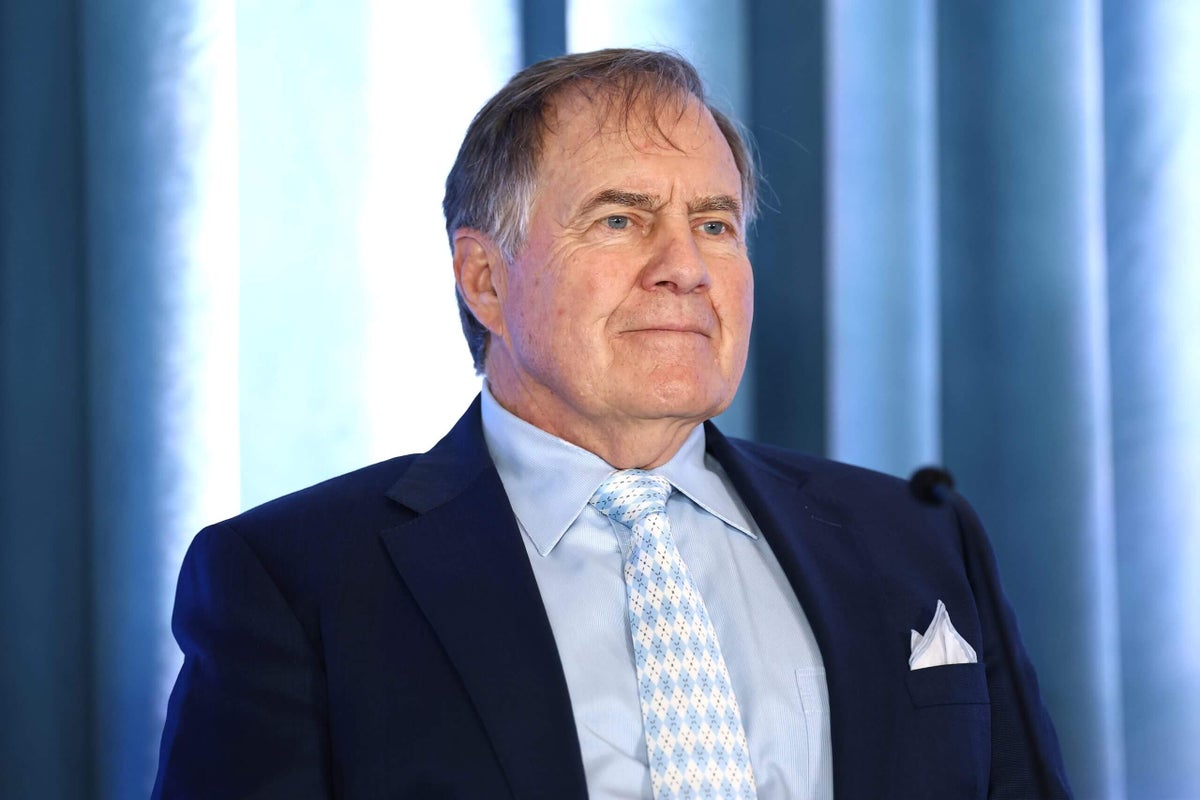
Bill Belichick, renowned NFL coach with six Super Bowls, has transitioned to college football as the head coach of North Carolina, facing a new set of challenges and distractions, including intense media scrutiny and personal life controversies, as he aims to establish a winning program.
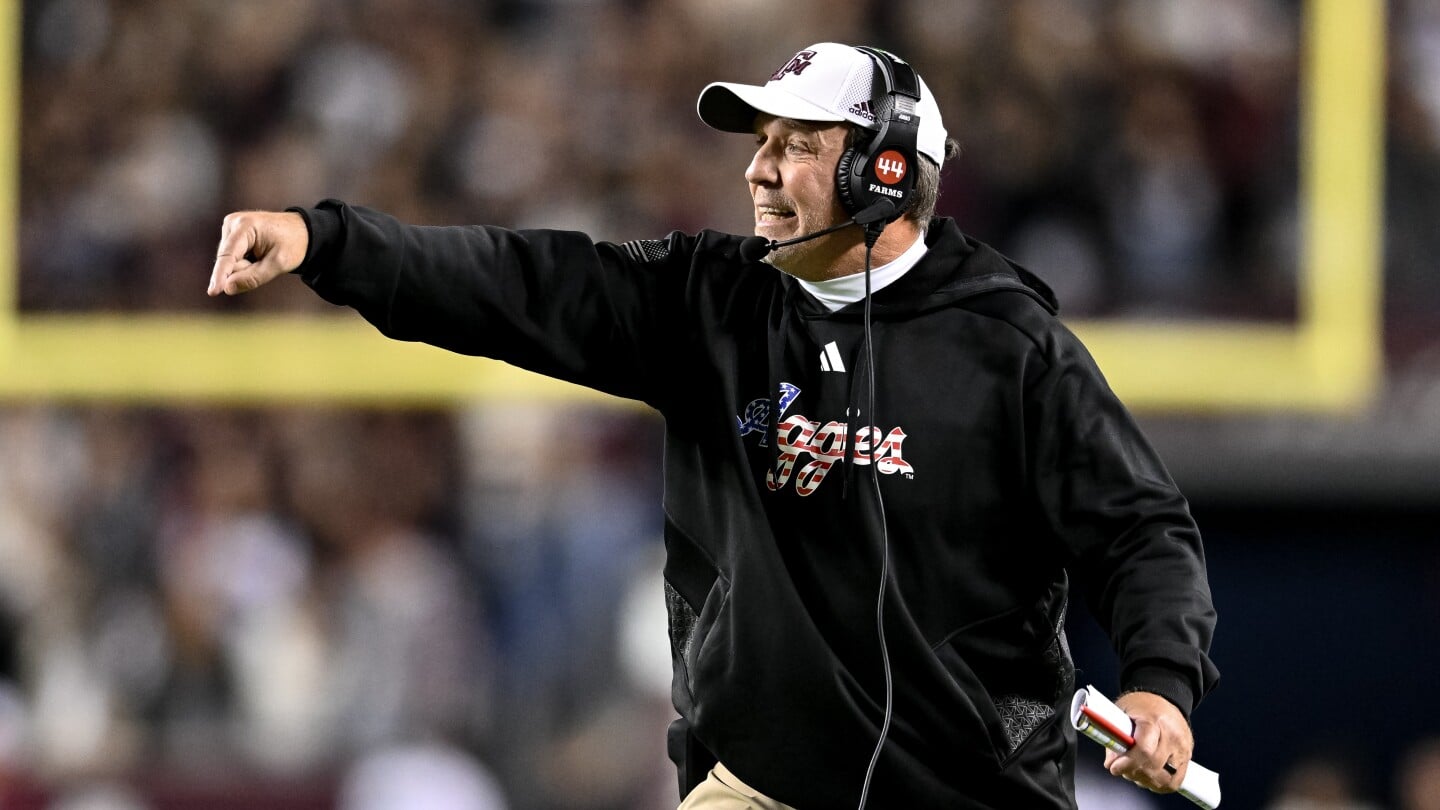
Jimbo Fisher expressed his desire to return to college coaching, citing his success and love for the game, and is seeking the right opportunity, despite his recent departure from Texas A&M and the high buyout costs involved.
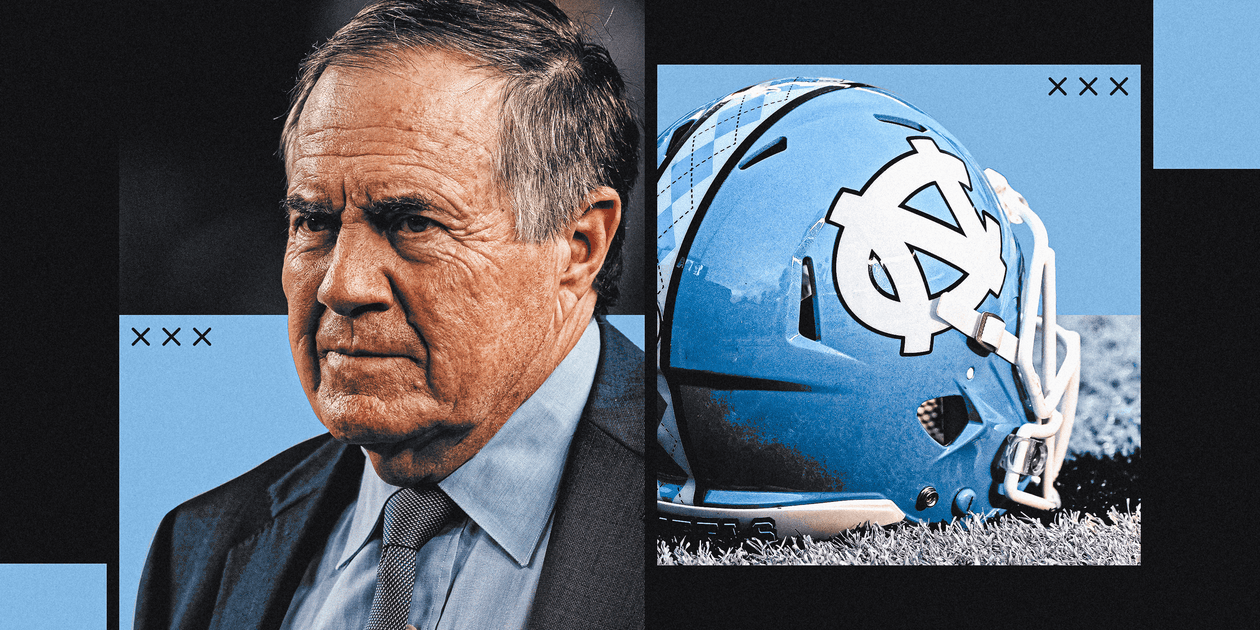
In a surprising move, the University of North Carolina (UNC) has hired Bill Belichick, the legendary NFL coach known for leading the New England Patriots to six Super Bowl victories, as its new head football coach. This decision follows the firing of Mack Brown and marks Belichick's first foray into college coaching. The hiring is seen as a bold statement by UNC, aiming to elevate its football program to national prominence, despite its historical struggles in the sport. Belichick expressed that coaching at UNC fulfills a long-held dream, aligning with his father's legacy as a former UNC assistant coach.
Bill Belichick has signed a unique five-year contract to become the head coach of North Carolina's football team, with only the first three years guaranteed. This short guarantee period is unusual in college football and may impact recruiting, as rival coaches could argue Belichick won't stay long. The contract includes a $10 million annual salary and a $1 million buyout after June 2025, making it easy for Belichick to leave for an NFL job. UNC's significant financial investment in Belichick and his staff marks a new era for the program, aiming to boost its competitiveness.
North Carolina's decision to hire Bill Belichick as their new football coach is criticized due to his lack of college coaching experience, recruitment skills, and adaptation to the college football environment. Despite his NFL success, Belichick's age and introverted personality may hinder his ability to connect with recruits and donors. The article argues that his NFL-centric approach may not translate well to college football, drawing parallels to other unsuccessful NFL-to-college coaching transitions.
Bill Belichick, the former New England Patriots coach with six Super Bowl wins, has agreed to a five-year, $50 million deal to become the head football coach at the University of North Carolina, pending board approval. This marks Belichick's first foray into college coaching, succeeding Mack Brown, who was recently fired. Belichick aims to transform UNC's program into a pipeline for the NFL, despite the challenges of transitioning from the NFL to college football. His son, Steve Belichick, is expected to join his coaching staff.
Bill Belichick's interest in college coaching positions may be a strategic move to prompt NFL owners to express interest in hiring him before college opportunities are no longer available. Despite his strong NFL reputation, Belichick had limited interviews last year, and he may be using this tactic to gauge NFL interest before committing to a college role. This approach could challenge the Rooney Rule, as any NFL team interested in hiring him would need to navigate league interview requirements discreetly.
Arkansas sports talk radio host Randy Rainwater believes it's a done deal that Eric Musselman will leave Arkansas to become the head coach of USC basketball, citing Musselman's history of seeking new challenges and his apparent efforts to leave Arkansas even before the team's recent struggles. Reports suggest that issues with NIL funds may have hampered Arkansas' ability to land top talent, potentially contributing to Musselman's desire to leave. Some USC basketball fans are concerned about Musselman's reliance on one-and-done players and his inability to retain in-state talent, expressing a preference for a coach with potential longevity and strong recruiting from high school ranks.