Shares of Robinhood and AppLovin surged after being added to the S&P 500 index, with Robinhood up 13.5% and AppLovin up 12.6%, following their inclusion in the quarterly rebalancing that takes effect on September 22.
Robinhood and AppLovin are set to join the S&P 500 index, replacing Caesars Entertainment and MarketAxess Holdings, leading to stock jumps for Robinhood and AppLovin, amid broader index rebalancing changes across various sectors.
Palantir stock dropped 9.4% amid Russell index rebalancing and upcoming S&P 500 changes, despite strong year-to-date gains and positive technical ratings, with investors cautious about passive index tracking effects.
S&P Dow Jones left the S&P 500 unchanged in its latest quarterly rebalancing, with Robinhood Markets experiencing a 13% rise amid speculation of potential inclusion, though shares fell 5% after hours; companies must meet certain criteria like a $20.5 billion market cap to qualify for the index.
JPMorgan analysts predict a $50 billion outflow from US equities due to quarter-end rebalancing by institutional investors, including defined benefit pension funds, balanced mutual funds, and sovereign wealth funds. This could reverse the recent support provided by declining short interest in SPY and QQQ ETFs.
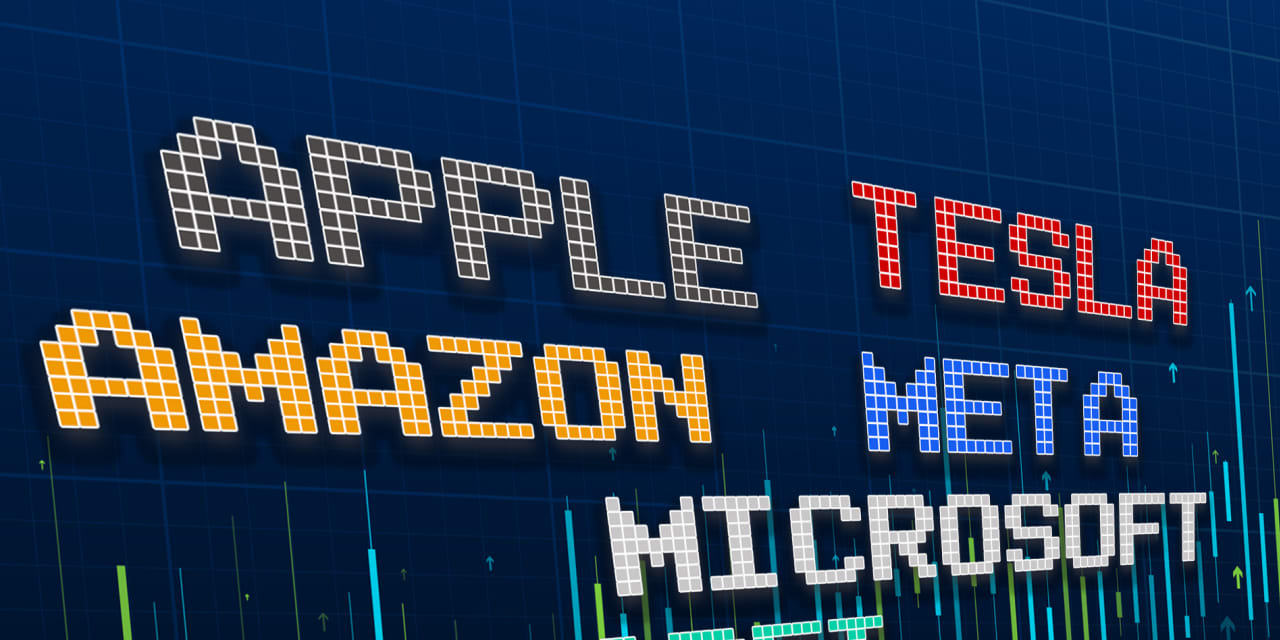
The Nasdaq 100's Magnificent Seven stocks, including Apple, Amazon, Tesla, Nvidia, Microsoft, Meta, and Alphabet, closed in the red on Monday due to rebalancing by the Nasdaq committee. The rebalancing resulted in significant selling of these stocks, with Apple, Microsoft, Amazon, Alphabet, Nvidia, and Meta experiencing downweights totaling approximately $13 billion. Investment funds tracking the index changes were forced to adjust their portfolios, leading to a poor day of relative performance. The selling may continue as other committees may follow suit in the new year.
Goldman Sachs predicts that Chinese stocks may experience their first annual gain in four years in 2024, as the policy environment becomes more supportive. The investment bank highlights sectors such as mass consumer markets and technology, media, and telecom as potential winners in China's ongoing rebalancing. They expect the MSCI China and CSI 300 indexes to rise 12% and 15% respectively, driven by estimated earnings growth of around 10% and moderate valuation gains. Goldman Sachs also identifies opportunities in sectors like artificial intelligence and new infrastructure, while downgrading sectors such as consumer services and insurance due to exposure to the Chinese property crisis. They believe the Chinese housing deleveraging process will continue to impact economic growth in the coming years, necessitating policy support.
The Nasdaq 100 is undergoing its second "special rebalancing" in 25 years, resulting in changes to the weightings of its largest stocks. The seven stocks with the heaviest weightings will see their collective weight reduced, while the information technology sector's weight will decline. Apple and Microsoft will remain the largest constituents but with reduced index weights. Broadcom's index weight will see the biggest increase. The rebalancing aims to address concentration risk. Analysts do not expect significant market impact from these changes.
The Nasdaq 100 will undergo rebalancing on July 24, with weight reductions for Apple, Microsoft, Alphabet, Amazon, NVIDIA, Meta Platforms, and Tesla, while Broadcom, PepsiCo, Costco, Adobe, Cisco Systems, and Netflix will see increased weights. Despite expectations of selling in the rebalanced stocks, the consensus is to buy on any dip. Additionally, $2.4 trillion of options expiration may counter the selling pressure. Investors are advised to understand market mechanics and consider the protection band strategy. In early trading, investors are buying Tesla and Netflix, while American Express is being sold. The momo crowd is buying stocks and oil, while selling gold. Bitcoin is below $30,000.