AppLovin, Robinhood, and Emcor to Join S&P 500 in Major Rebalance
AppLovin and Robinhood will join the S&P 500 index starting September 22, causing their shares to rise about 7% in extended trading, as part of the index rebalancing by S&P Global.

All articles tagged with #index inclusion
AppLovin and Robinhood will join the S&P 500 index starting September 22, causing their shares to rise about 7% in extended trading, as part of the index rebalancing by S&P Global.
Robinhood and AppLovin stocks declined after not being included in the S&P 500 index, despite prior speculation and analyst expectations, with some controversy involving a short seller lobbying against AppLovin's inclusion.
Robinhood's shares fell 6% after S&P Dow Jones Indices announced no changes to the S&P 500, dashing hopes of inclusion that had driven recent gains, highlighting the volatility around index membership expectations.
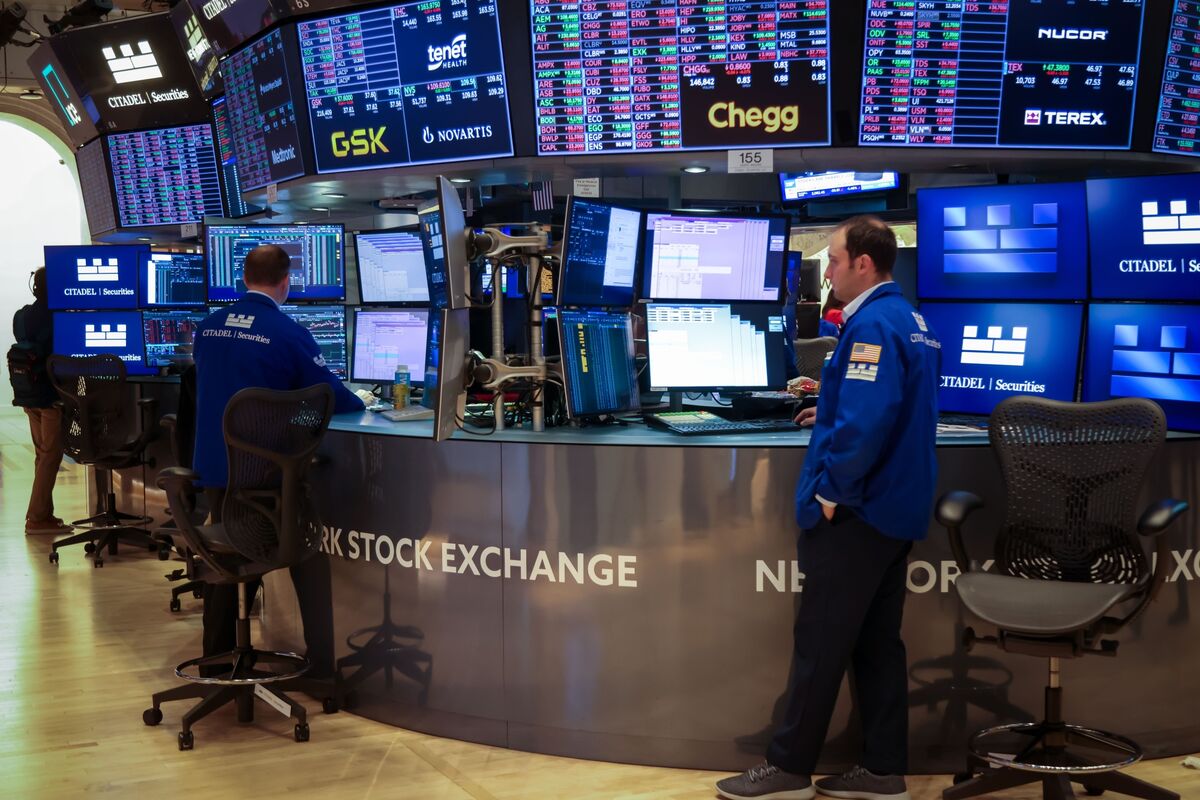
S&P Dow Jones left the S&P 500 unchanged in its latest quarterly rebalancing, with Robinhood Markets experiencing a 13% rise amid speculation of potential inclusion, though shares fell 5% after hours; companies must meet certain criteria like a $20.5 billion market cap to qualify for the index.
Robinhood's shares have risen for six consecutive days amid speculation that it may be included in the S&P 500, a move that could attract passive investment funds. Major banks like Bank of America and Barclays have identified Robinhood as a top candidate for inclusion, which typically results in short-term gains for the stock. The announcement is expected after the market closes, and similar companies like Coinbase have seen significant gains upon inclusion.
First Republic Bank's stock plunged 64% over the past two sessions after its earnings report showed a nosedive in deposits and raised further questions about its survival. Its market capitalization briefly fell below $1 billion, putting its membership in the S&P 500 Index in jeopardy. Companies must have a market cap of at least $12.7 billion to be considered for inclusion in the S&P 500. If First Republic were to be removed from the index, it could lead to additional selling pressure on the stock.