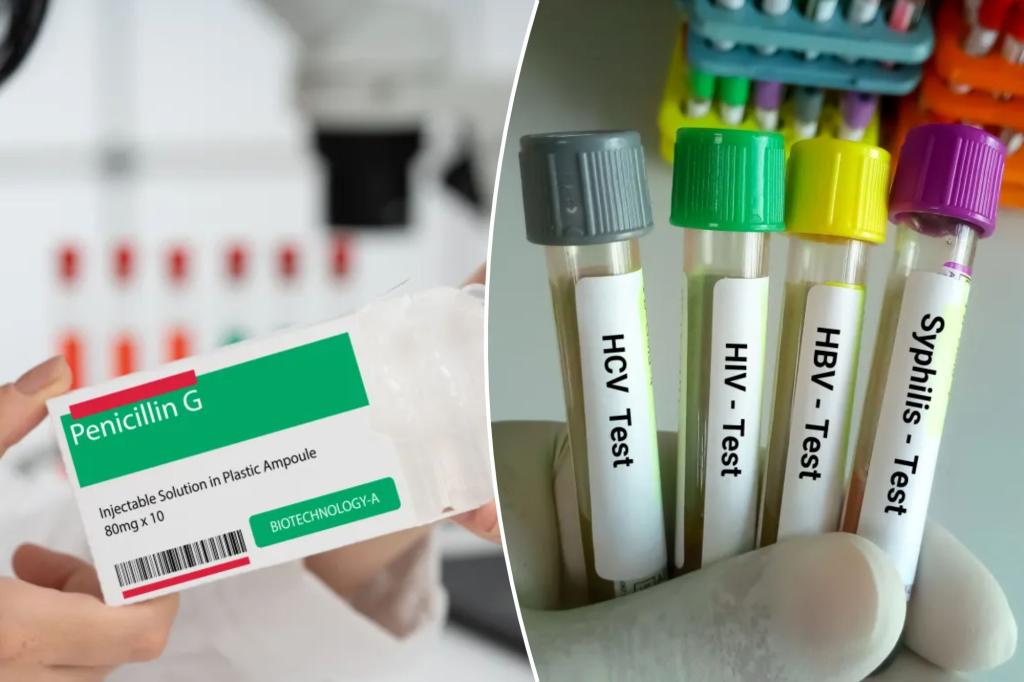
As syphilis cases soar to their highest level in over seven decades, doctors are being urged to ration penicillin due to an insufficient supply, with Pfizer warning of increased demand that they can't meet. The rise in sexually transmitted infections, attributed to decreased condom use and lack of recognition of syphilis symptoms, has led to a shortage of the essential antibiotic. Public health agencies have recommended prioritizing pregnant individuals for treatment due to the risks to both mother and baby, as untreated syphilis can be deadly or lead to deformities in infants.
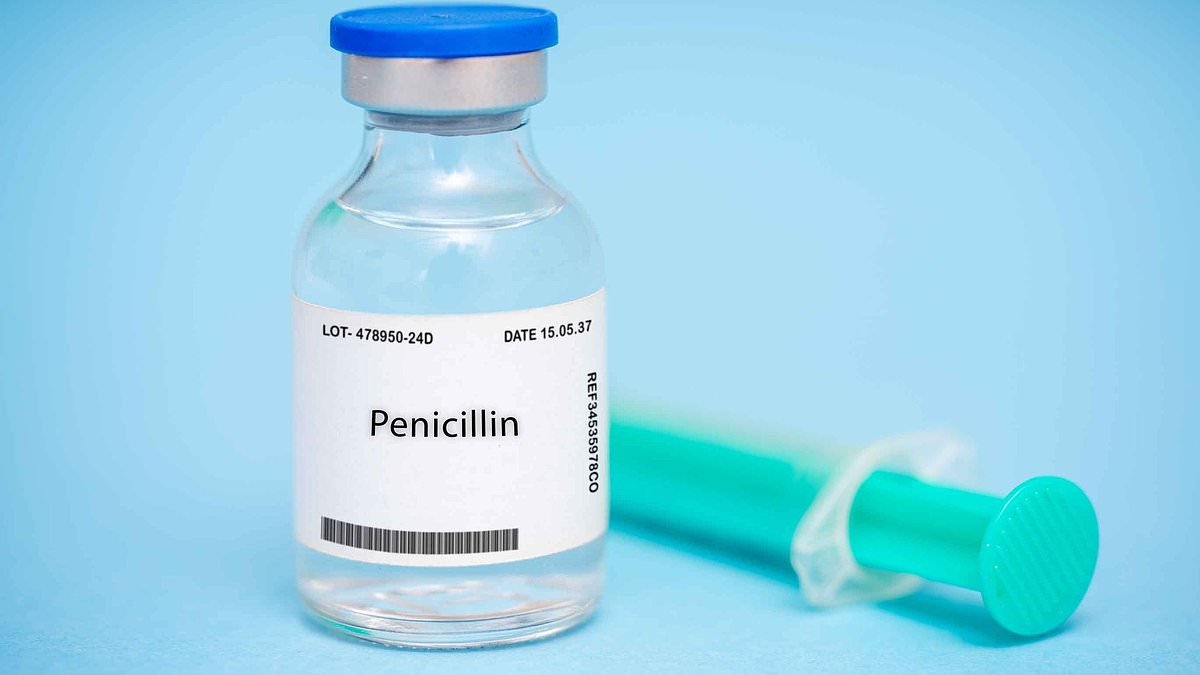
Doctors in the US are facing a shortage of penicillin, the first-line treatment for the alarming surge in syphilis cases, which have increased by over 2,000 percent since 2002. The shortage has led to rationing of the drug, with priority given to pregnant patients due to the risk of congenital syphilis. The epidemic is partly attributed to a drop in condom use and the popularity of dating apps, while a wider drug shortage in America has left many without treatment for bacterial infections. The situation is exacerbated by manufacturing issues and supply-chain disruptions, with the pandemic also increasing demand for medication and equipment.
Cases of respiratory syncytial virus (RSV) are rising in New Jersey, prompting experts to recommend a new RSV immunization called nirsevimab as a game-changer for reducing hospitalizations. However, the high demand for the drug has led to limited supplies, forcing the Centers for Disease Control and Prevention to issue an alert advising pediatricians to prioritize it for infants most at risk. Last year, New Jersey saw a significant spike in RSV cases, but this year the rise appears to be milder. RSV can be severe, especially for babies, older adults, and the immunocompromised. Nirsevimab, a monoclonal antibody treatment, has shown promising results in preventing hospital admissions and can protect children for an entire respiratory season.
A shortage of cancer drugs in the United States has led to the rationing of chemotherapy treatments, leaving patients with limited access to life-saving medications. The scarcity of these drugs, caused by manufacturing issues and supply chain disruptions, has forced hospitals and doctors to make difficult decisions about who receives treatment and who does not. This crisis highlights the vulnerabilities in the healthcare system and the urgent need for solutions to ensure that cancer patients have uninterrupted access to essential medications.
The US is facing a dire shortage of cheap, generic platinum-based cancer drugs, leading doctors to ration the drugs and prioritize patients who have a shot at being cured. Some patients may only receive 60-80% of standard doses, and doctors don't know how this will affect outcomes. The shortage was triggered by the FDA's inspection of a drug manufacturing facility in India, which had supplied around half of the generic cisplatin and carboplatin in the US. The shortage is expected to continue, and the long-term cracks in the generic drug industry will likely remain.
Widespread shortages of cancer drugs are forcing doctors to make difficult decisions about how to treat their patients, including rationing doses and turning to other treatment options with potentially more side effects. As of Wednesday, the Food and Drug Administration listed 14 cancer drugs in shortage. The current carboplatin shortage was caused in part by quality concerns at one manufacturing facility, Intas Pharmaceuticals, in India, but experts say the real problem is more chronic. Long-term solutions are going to require “intervention by Congress and the White House in order to get this industry in the right place,” said FDA Commissioner Dr. Robert Califf.