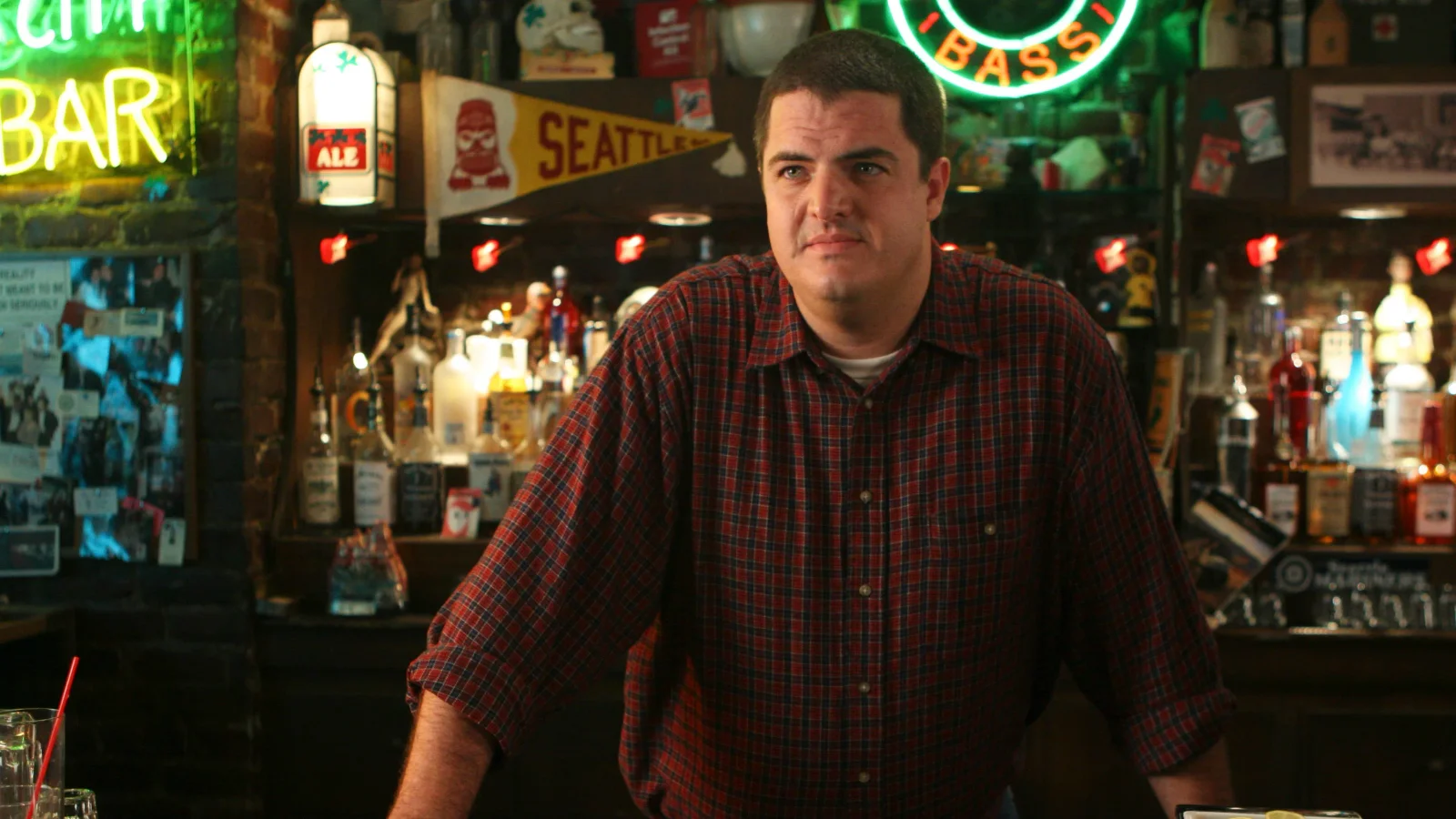
Steven W. Bailey, known for his role on 'Grey's Anatomy,' revealed he has a rare genetic disorder called Congenital Myasthenia Syndrome, which causes muscle weakness and fatigue, leading him to adapt his acting career and embrace his condition publicly after years of hiding it.
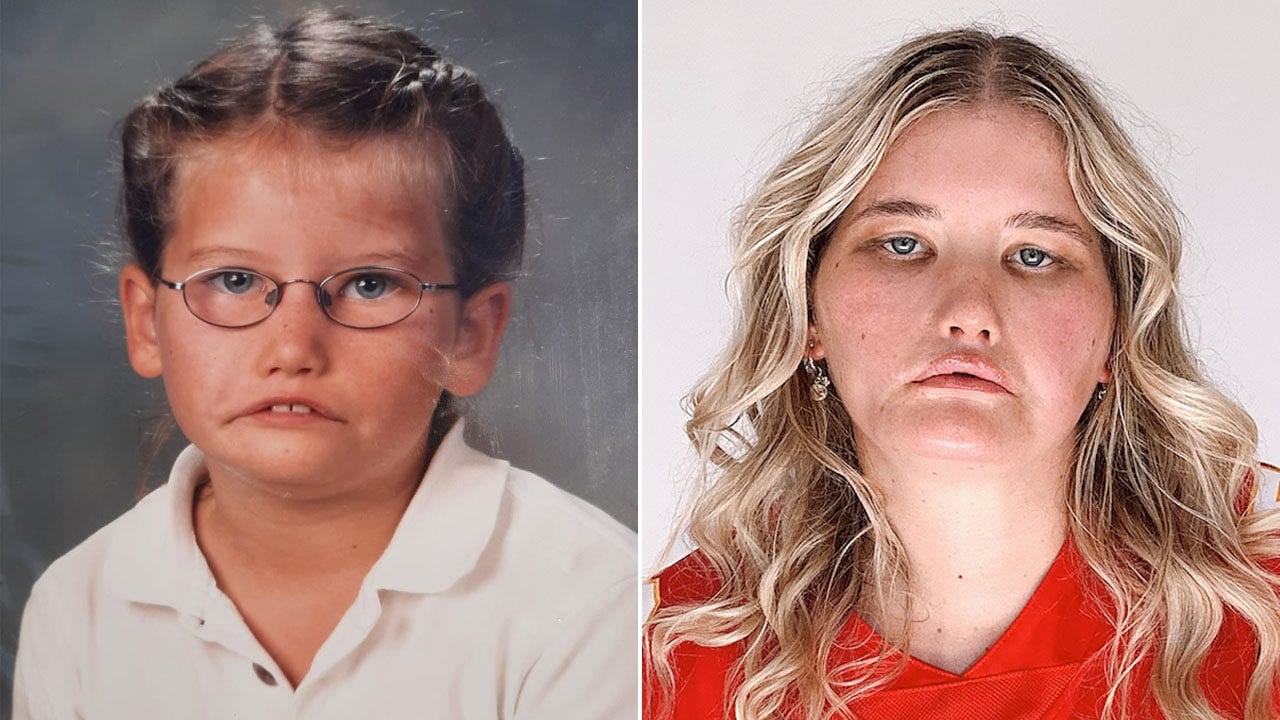
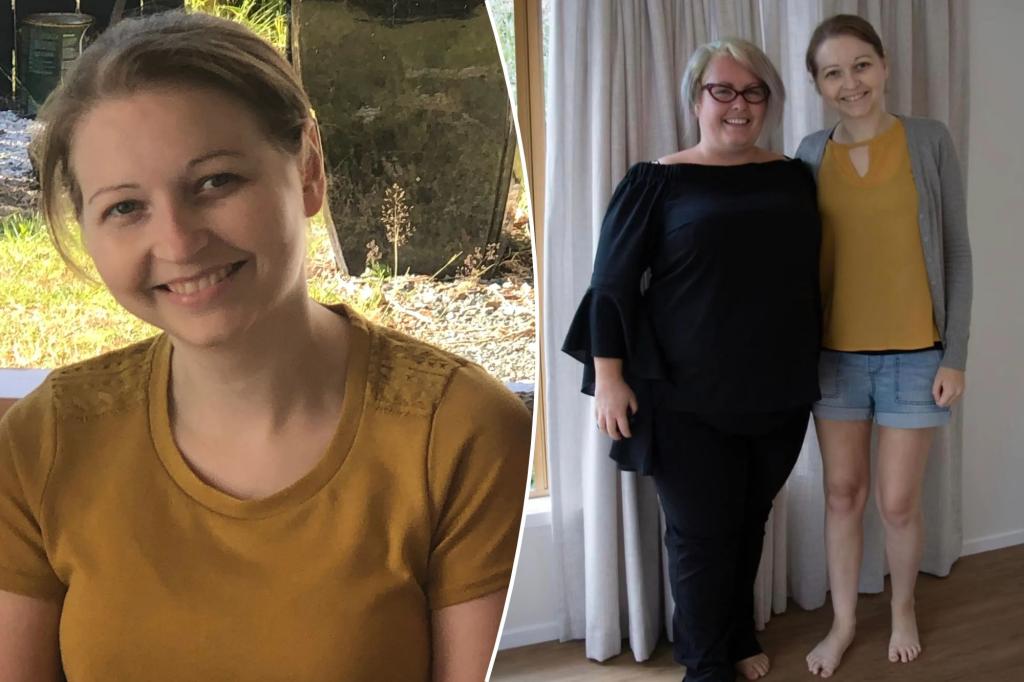
Tayla Clement, 26, was born with Moebius syndrome, a rare neurological disorder that causes facial paralysis and inhibited eye movement. Despite facing bullying and unsuccessful surgery to correct her inability to smile, Clement has found purpose as a sports content creator and advocate for inclusion in sports. She has used her platform to connect with others with syndromes or disabilities and aims to educate others on treating young people who feel unseen or unheard. Clement considers her condition to be a "greatest gift" and embraces her uniqueness, smiling in her own way.
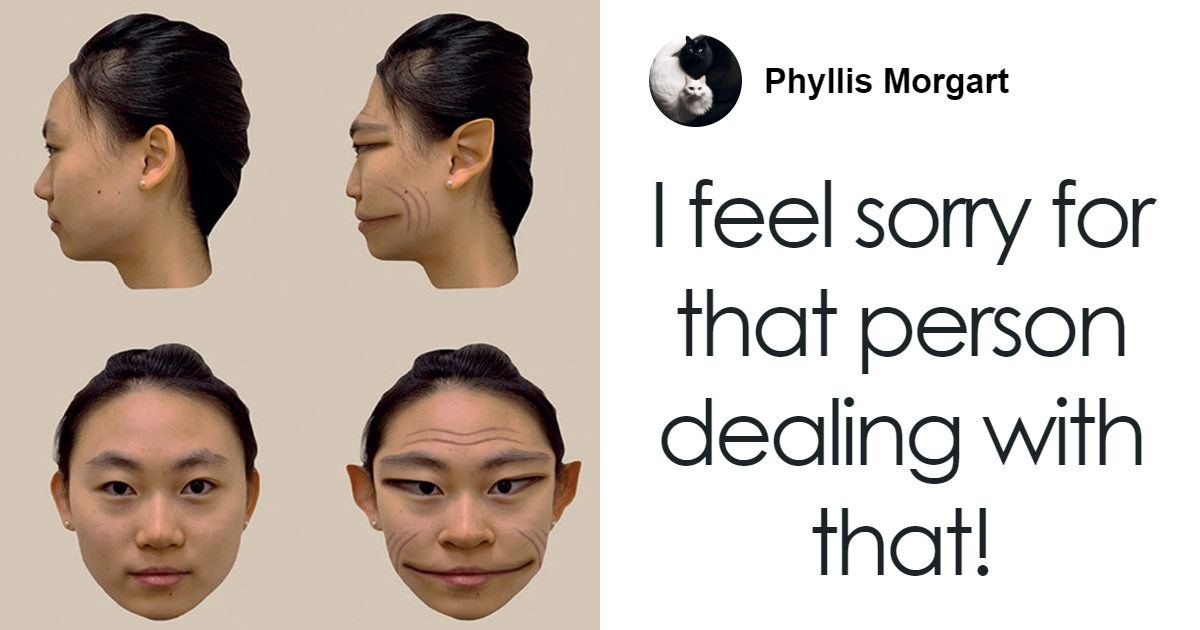
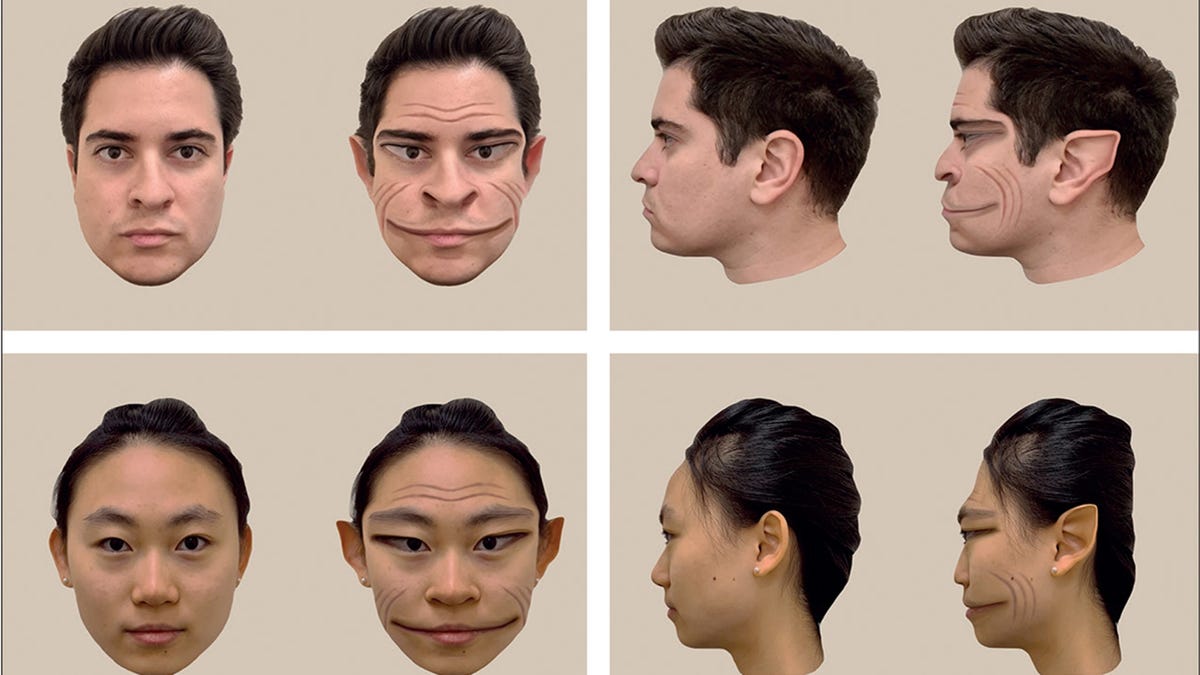
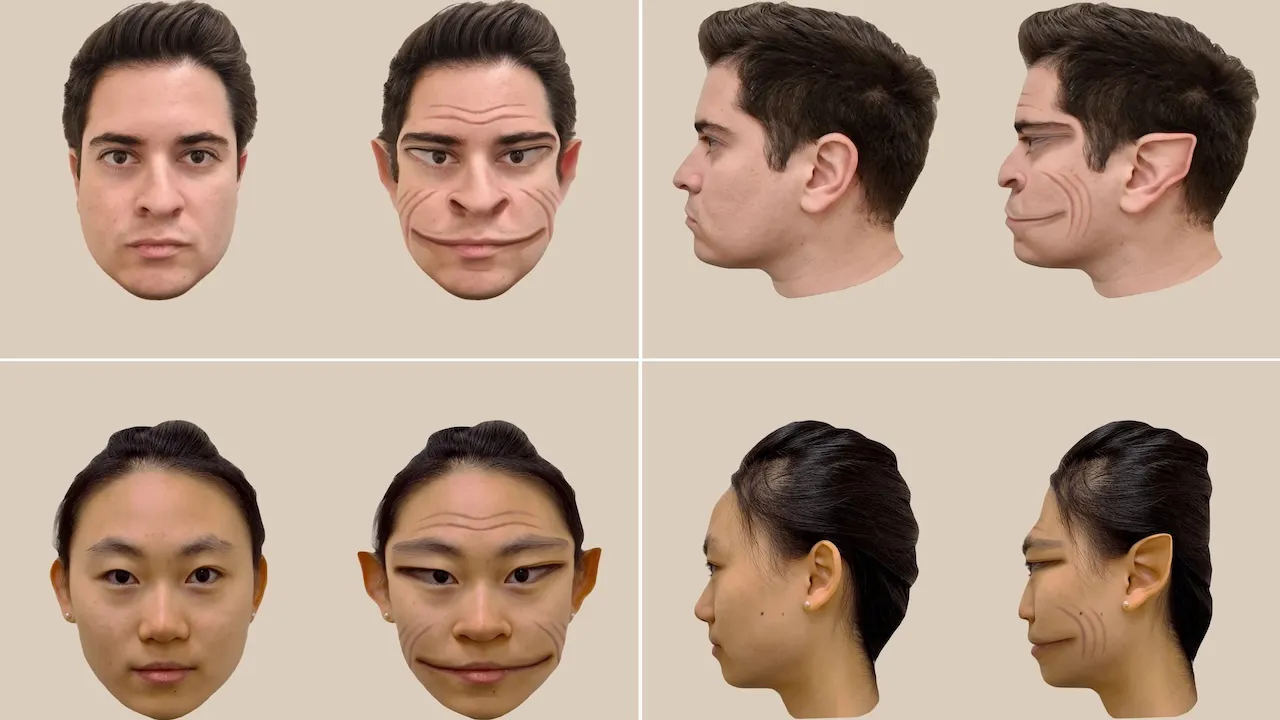
Victor Sharrah, a 59-year-old man from Tennessee, has prosopometamorphopsia (PMO), a rare neurological disorder that causes human faces to appear as demonic figures. Fewer than 100 cases of PMO have been reported since 1904, and many doctors are unaware of the condition. Researchers used Victor's case to digitally recreate distorted human faces for a scientific study, gaining new insight into the rare disorder. The disorder is linked to dysfunction in the brain network that handles facial processing, but its triggers remain unclear. Victor's symptoms are alleviated by wearing glasses with green-tinted lenses, allowing him to see faces as they really are.
Victor Sharrah, 59, has been experiencing prosopometamorphopsia (PMO), a rare condition causing him to see distorted faces resembling "demons." Researchers believe his PMO may be linked to a head injury, carbon monoxide poisoning, and a lesion in his brain. Sharrah hopes to raise awareness about PMO to prevent misdiagnoses and help others experiencing similar symptoms, as the condition is often mistaken for psychiatric disorders.
A rare condition called prosopometamorphopsia (PMO) causes facial features to appear distorted, with a recent study revealing a 58-year-old man reporting seeing faces as "demonic" for 2½ years. Despite the distortions, the patient was still able to recognize people, and researchers used computer software to visualize his real-time perception of the face distortions. PMO is a very rare visual disorder that causes visual distortions of facial features, and experts believe it may result from an injury to specific parts of facial processing networks in the brain. Treatment for PMO should be tailored to the underlying cause, and while some patients recover quickly, others may take years or show no improvement. The study aims to raise awareness of this impactful but often misunderstood condition.
A Missouri couple was shocked when their baby girl, Wrenley, was born without eyes due to a rare genetic condition affecting only 30 people worldwide. Wrenley has haploinsufficiency of the PRR-12 gene, causing her eyes to not develop in the womb. The family is preparing for surgery to unseal her eyelids and provide prosthetics to help her facial structure develop normally. Experts estimate a 50 percent chance Wrenley could pass the condition on to her future children. The family has launched a GoFundMe to cover medical costs, and they are focused on helping Wrenley navigate the world without vision.
Stephanie Aston, a 33-year-old woman from New Zealand, has died from Ehlers-Danlos Syndrome (EDS), a rare genetic disorder affecting connective tissue. Aston had been dismissed by a doctor who claimed her illness was "all in her head." EDS is often referred to as an "invisible disease" as sufferers can appear healthy despite experiencing severe symptoms. Aston's death has shaken the EDS community, highlighting the challenges faced by those with rare and invisible illnesses. Advocates are calling for systemic change within the healthcare system to prevent similar tragedies.
A UK court has ruled that a 19-year-old critically ill patient with a rare disorder cannot make her own decisions about continuing her medical care, as her doctors seek to pursue end-of-life care. The patient, known as "ST," has a degenerative mitochondrial disease and is currently dependent on a ventilator and feeding tube. She is fighting to be allowed to travel to Canada for experimental treatment. The court ruled that she is mentally incapable of making decisions for herself, despite assessments from psychiatrists stating otherwise. The case has sparked controversy and calls for an overhaul in how end-of-life decisions are made in the NHS and the courts.
A UK court has ruled that a 19-year-old critically ill female patient with a rare genetic mitochondrial disease cannot make her own decisions about continuing her medical care, despite her desire to pursue experimental treatment. The patient, known as "ST," has spent the past year in the ICU and requires a ventilator, feeding tube, and regular dialysis. Her doctors believe she is "actively dying" and should receive palliative care, while her family argues that she is conscious and able to communicate. The court has determined that "ST" is mentally incapable of making decisions for herself and that her future care should be determined by the Court of Protection.