Tag

Rana Plaza

All articles tagged with #rana plaza

fashion-industry2 years ago

The Fashion Industry's Decade-Long Struggle for Worker Safety and Fair Wages.

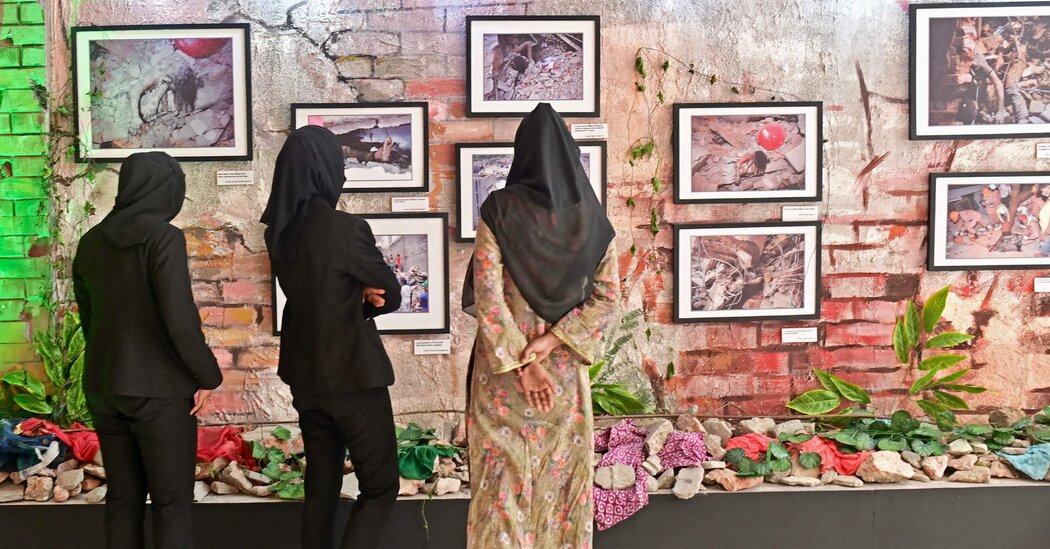
The Rana Plaza tragedy in Bangladesh, which killed over 1,100 people and injured 2,500 more, led to the Accord on Fire and Building Safety in Bangladesh, a legally binding agreement between brands, trade unions and NGOs. While the Accord has raised awareness around the safety of garment workers in Bangladesh, the industry continues to fall short on other matters, such as paying people enough to reach the living wage threshold. Sustainable and fair production in the fashion industry is being called for by numerous organizations, including Fashion Revolution and Human Rights Watch.
fashion-industry2 years ago

Rana Plaza: A Decade Later, Has the Fashion Industry Improved?

Ten years after the Rana Plaza factory collapse in Bangladesh, which killed over 1,000 workers, the garment industry in the country is safer, but there is still much work to be done. While the Accord on Bangladesh Fire and Building Safety has made factories demonstrably safer, two million workers remain in factories untouched by the agreement. The power dynamic between western companies and the garment sector in Bangladesh remains deeply unbalanced, and workers are not free to exercise their union rights. The industry still lacks living wages, and wage stagnation and inflation have put pressure on workers and their families.

world-news2 years ago

Rana Plaza: A Decade Later, Is Bangladesh's Garment Industry Safe?

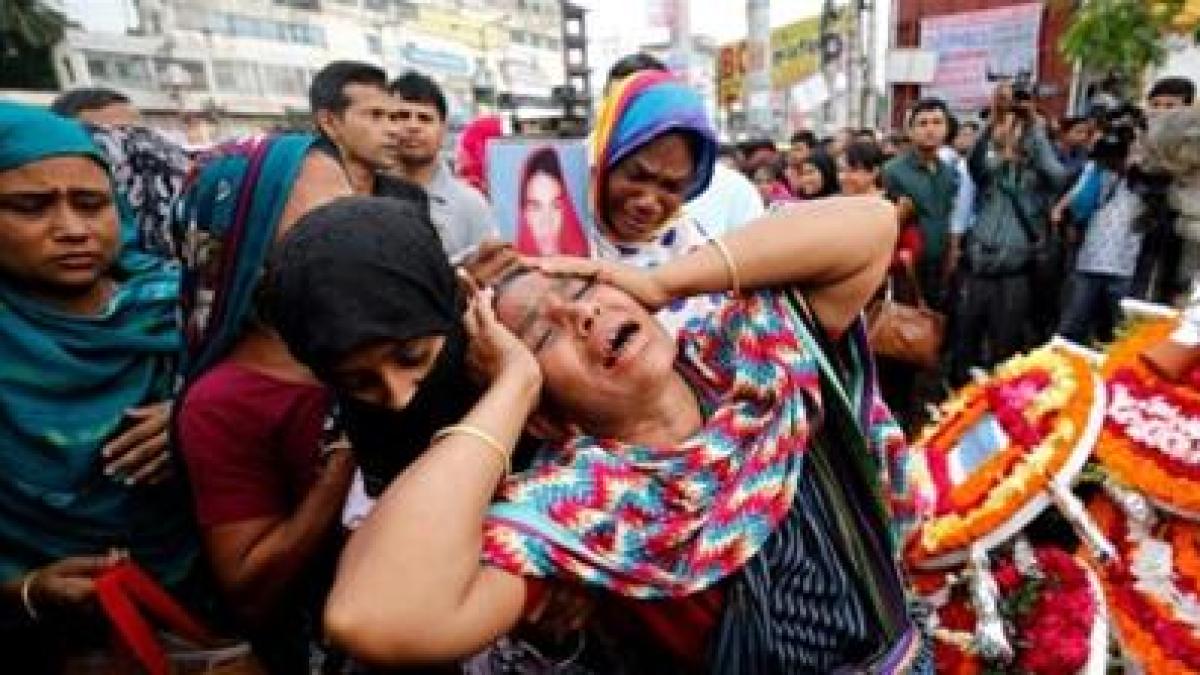
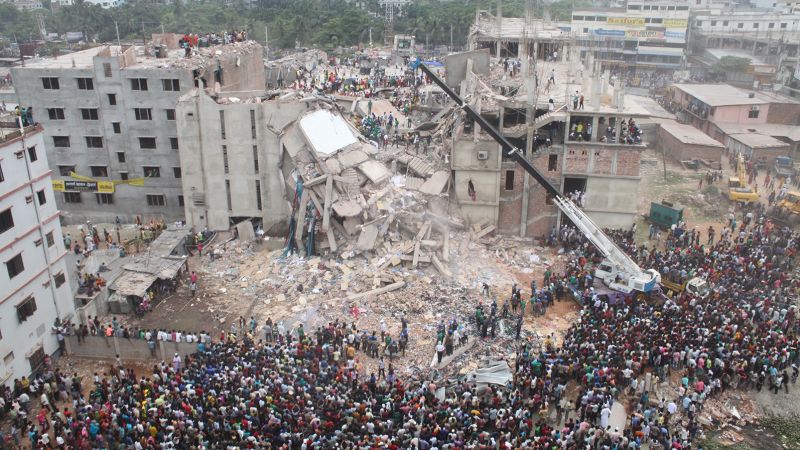
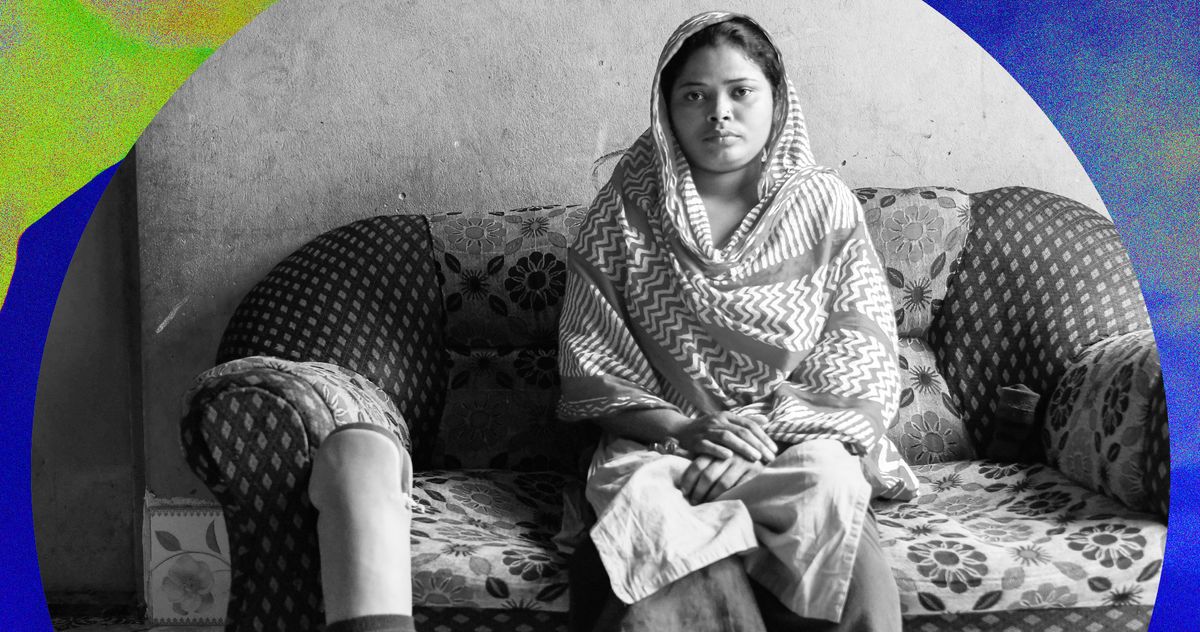
Ten years after the Rana Plaza disaster, which killed over 1,100 people in an eight-story building that housed five garment factories in Bangladesh, progress has been made in ensuring workplace safety for garment workers. The Accord on Fire and Building Safety, a legally binding agreement between factory owners, global unions, and European clothing brands, has led to 56,000 inspections across 2,400 factories in Bangladesh and more than 140,000 issues being corrected. However, many American companies that source from Bangladesh, including Walmart, Levi’s, Gap, and Amazon, haven’t signed the International Accord despite reaping its benefits. Survivors of the tragedy continue to struggle with physical and mental health issues, unemployment, and financial hardship.

business2 years ago

Assessing the Safety of Bangladesh's Garment Industry 10 Years After Rana Plaza

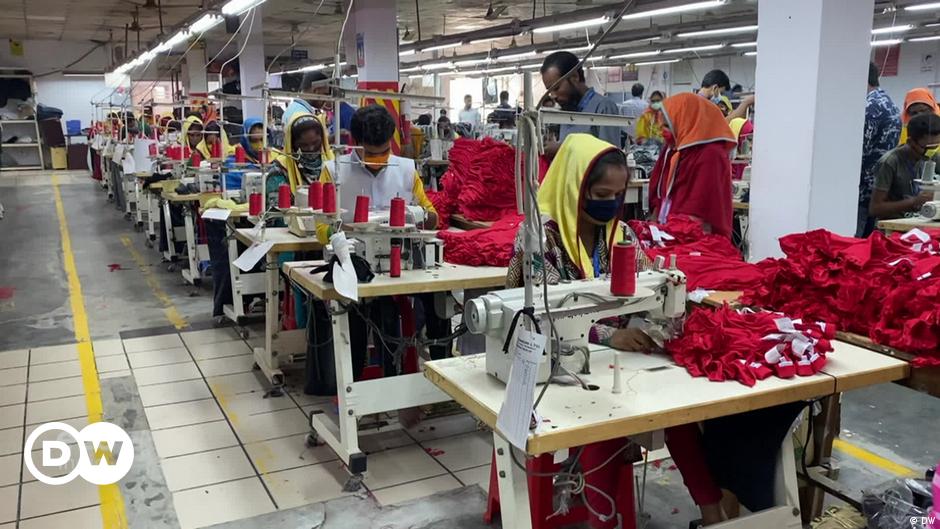
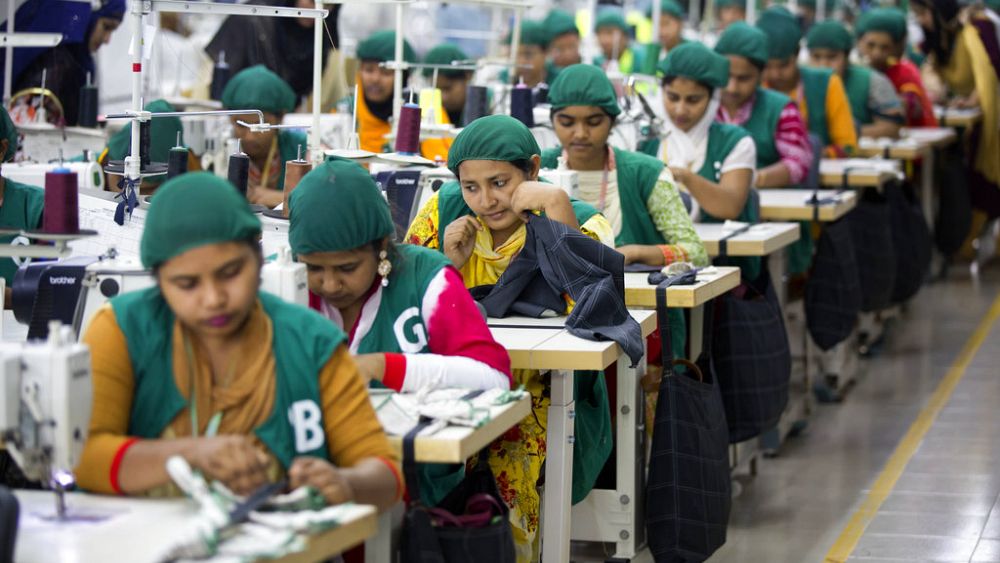
Ten years after the Rana Plaza disaster, which claimed the lives of over 1,100 garment workers in Bangladesh, the country's garment industry has undergone significant transformation in terms of safety standards. More than 80% of Bangladesh's 3,200 readymade garment factories are now internationally compliant with safety and security standards, and the country is home to half of the world's top 100 Leadership in Energy and Environmental Designs (LEED)-certified green industrial units. The RMG Sustainability Council (RSC) was formed in 2020 to continue improving safety standards in industrial units, and Bangladesh's clothing industry has grown by 79% from $19bn in 2015 to $34bn in 2022. However, there are still areas for improvement, such as periodic boiler inspection, which is currently understaffed.

business2 years ago

Assessing the Safety of Bangladesh's Garment Industry 10 Years After Rana Plaza.

Ten years after the Rana Plaza disaster, which killed over 1,100 people, mostly women, in Bangladesh's garment industry, the country's factories are safer due to the Accord on Fire and Building Safety in Bangladesh, a legally binding commitment signed by over 200 brands, factories, and trade unions. However, the Accord only covers around half of the country's garment factories, and many small manufacturers and subcontractors still operate outside its remit. Activists are urging brands to renew the agreement and expand their commitments to cover wages, union rights, and worker welfare.

business2 years ago

Rana Plaza 10 years later: Fast fashion and safety concerns persist.

Ten years after the Rana Plaza disaster, the Bangladesh Accord has made over 1,600 factories in Bangladesh safer for over 2.5 million workers, but fast fashion brands still resist change. The accord has its limitations, primarily focusing on factory safety issues and not addressing wage theft and mass redundancies. Some major brands continue to dodge signing the International Accord protecting safety standards, and America has been particularly resistant to reform. The accord also has a limited timeframe and must be negotiated every few years, which is a problem as it gives an opportunity to actors who would like to see a weaker accord.