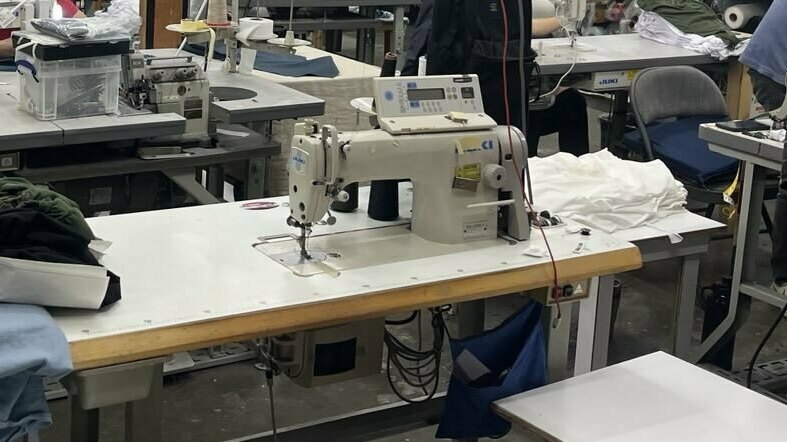
The episode explores the U.S. garment manufacturing industry by tracing the production of a basic purple sports bra, highlighting the labor involved, wages paid, and the industry's potential for growth within America.
H&M, the world's second largest fashion retailer, has announced that it will gradually phase out its operations in Myanmar due to increased allegations of labor abuses at garment factories in the country. The decision could impact tens of thousands of workers. The move comes after a workers' advocacy group documented 212 alleged cases affecting at least 108,000 workers between February 2021 and February 2023. Other global businesses, including Nestlé, TotalEnergies, and Chevron, have also cut ties with Myanmar.
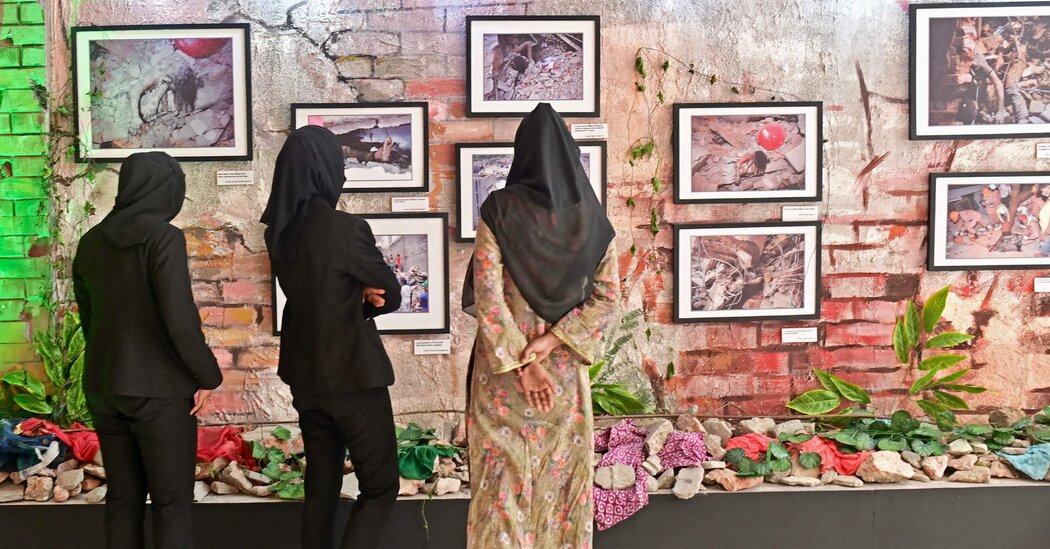
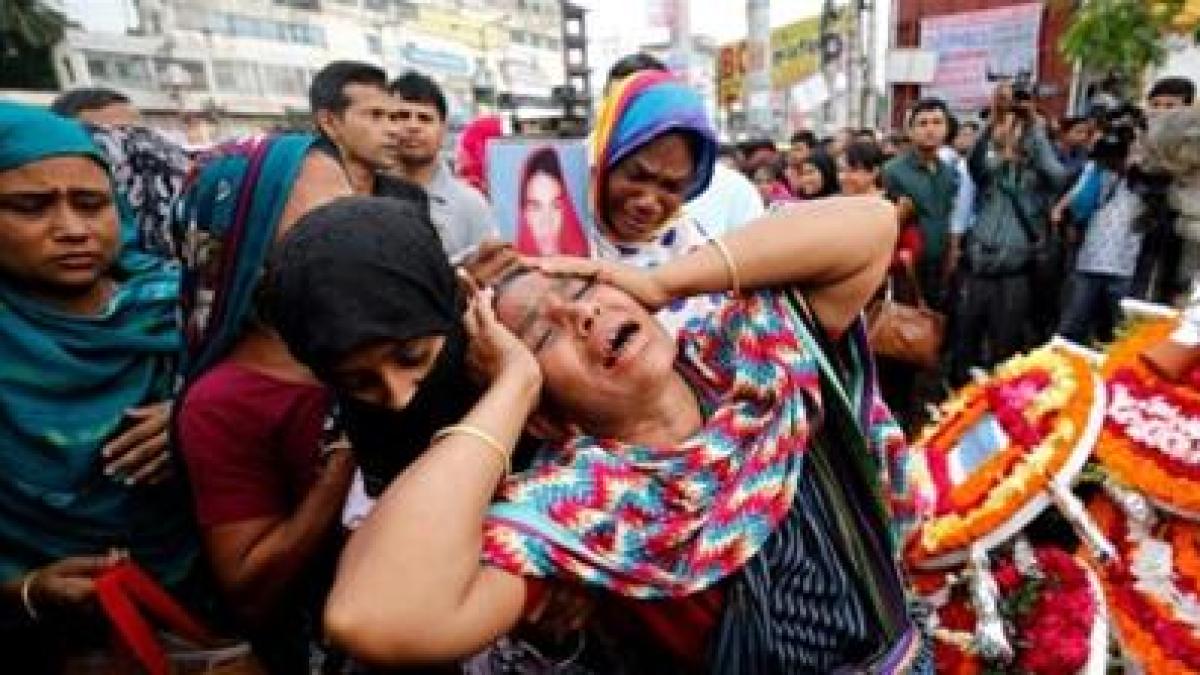
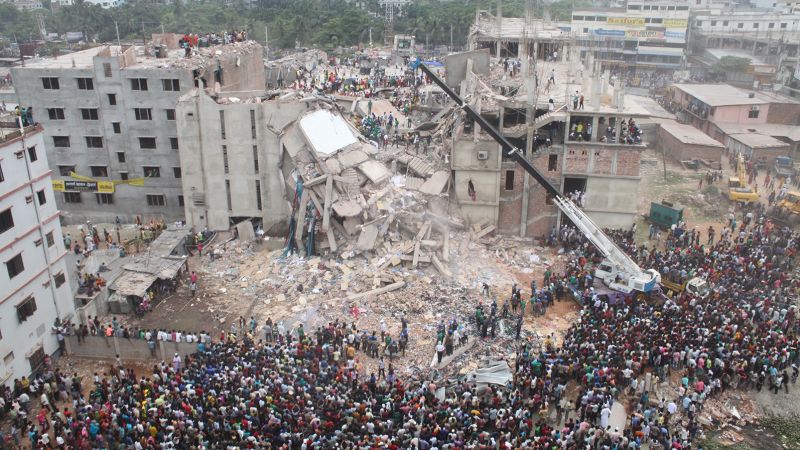
Ten years after the Rana Plaza disaster, which killed over 1,100 people in an eight-story building that housed five garment factories in Bangladesh, progress has been made in ensuring workplace safety for garment workers. The Accord on Fire and Building Safety, a legally binding agreement between factory owners, global unions, and European clothing brands, has led to 56,000 inspections across 2,400 factories in Bangladesh and more than 140,000 issues being corrected. However, many American companies that source from Bangladesh, including Walmart, Levi’s, Gap, and Amazon, haven’t signed the International Accord despite reaping its benefits. Survivors of the tragedy continue to struggle with physical and mental health issues, unemployment, and financial hardship.
Ten years after the Rana Plaza disaster, which claimed the lives of over 1,100 garment workers in Bangladesh, the country's garment industry has undergone significant transformation in terms of safety standards. More than 80% of Bangladesh's 3,200 readymade garment factories are now internationally compliant with safety and security standards, and the country is home to half of the world's top 100 Leadership in Energy and Environmental Designs (LEED)-certified green industrial units. The RMG Sustainability Council (RSC) was formed in 2020 to continue improving safety standards in industrial units, and Bangladesh's clothing industry has grown by 79% from $19bn in 2015 to $34bn in 2022. However, there are still areas for improvement, such as periodic boiler inspection, which is currently understaffed.
Ten years after the Rana Plaza disaster, which killed over 1,100 people, mostly women, in Bangladesh's garment industry, the country's factories are safer due to the Accord on Fire and Building Safety in Bangladesh, a legally binding commitment signed by over 200 brands, factories, and trade unions. However, the Accord only covers around half of the country's garment factories, and many small manufacturers and subcontractors still operate outside its remit. Activists are urging brands to renew the agreement and expand their commitments to cover wages, union rights, and worker welfare.