The Impact of Climate Change on Fall Allergies: Longer and More Intense Seasons
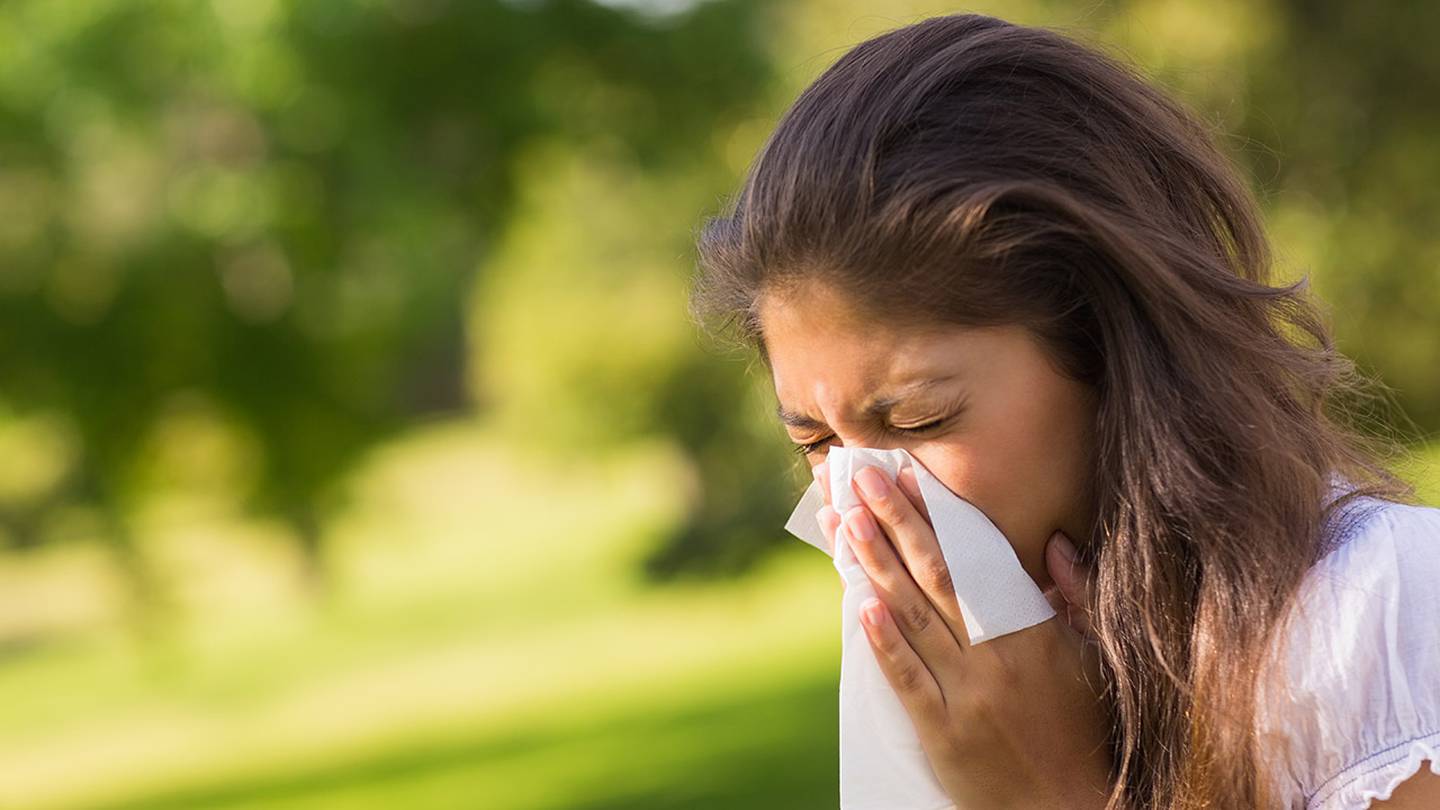
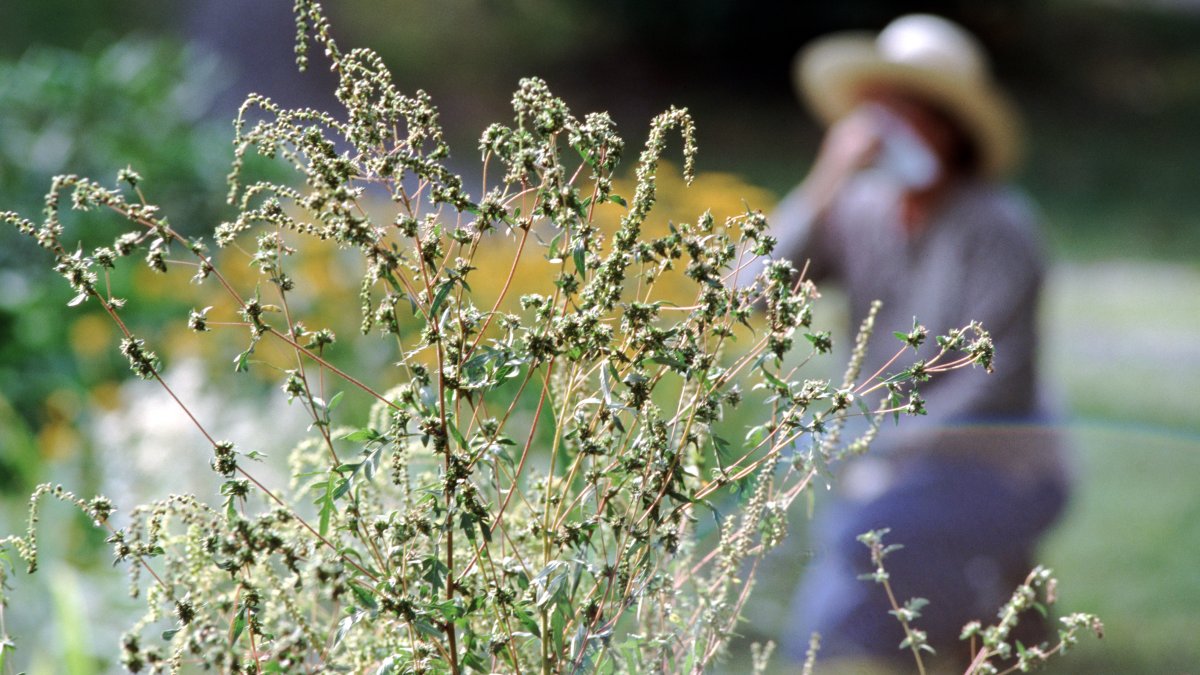
Fall allergies are often caused by ragweed pollen, which is highly allergenic and easily carried by the wind. Rising temperatures and carbon dioxide levels may extend the ragweed season in the future. Additionally, mountain cedar, which pollinates during the winter in the southern US, is expected to cause allergies in December and peak in January.