Texas A&M University is implementing new restrictions on discussing race, gender, and sexuality in courses, affecting around 200 classes, including cancellations and content revisions, amid political and social backlash.
Texas universities are experimenting with AI to review and revise courses discussing race and gender, aiming for transparency and accountability amid political controversy. However, experts warn these AI systems are unreliable for content analysis and may shift control from faculty to administrators, raising concerns about academic freedom and the effectiveness of such tools.
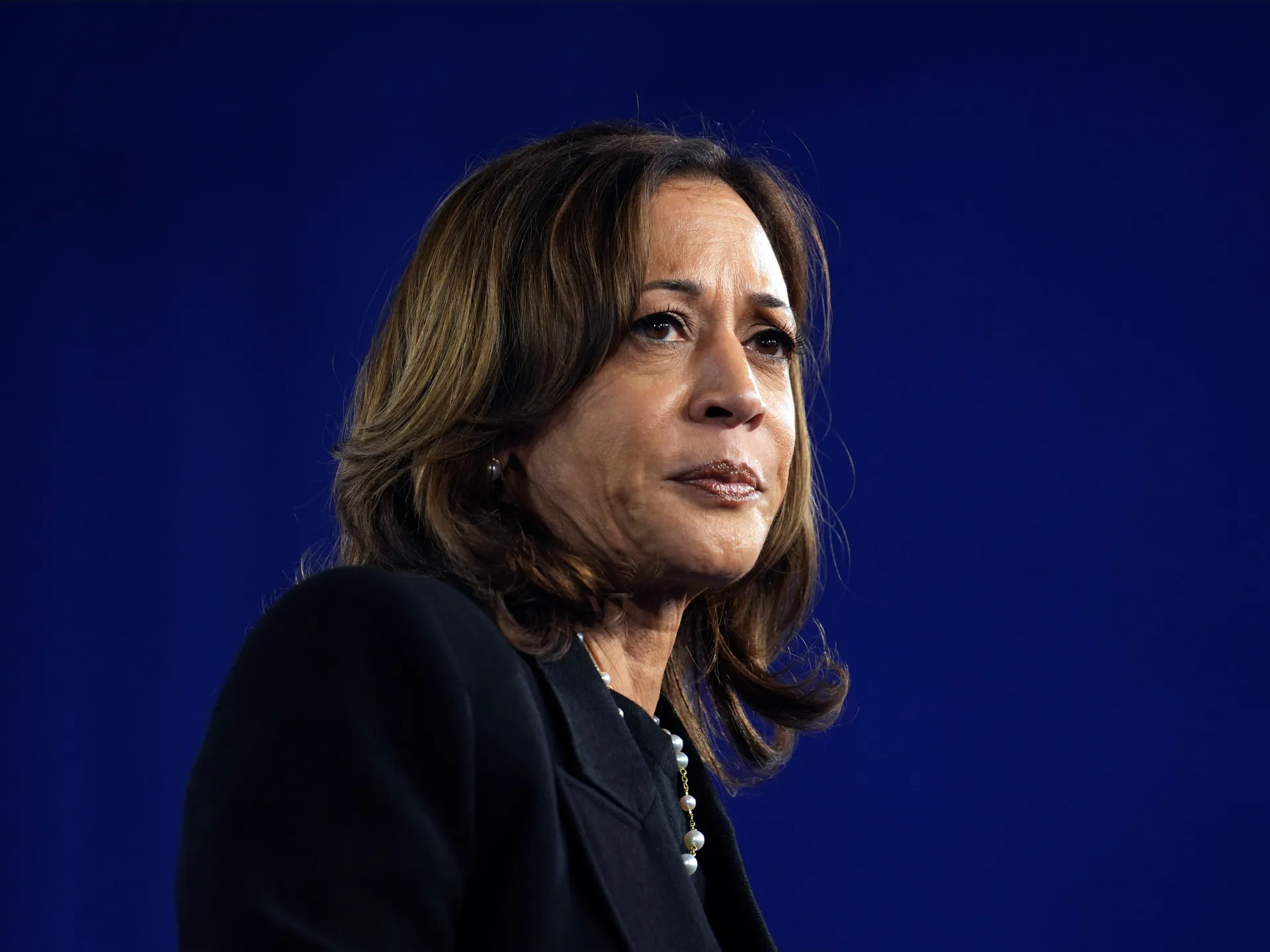
Kamala Harris's loss in the 2024 US presidential election to Donald Trump has sparked discussions about the role of race and gender in American politics. Analysts compare her defeat to Hillary Clinton's in 2016, highlighting the challenges faced by female and minority candidates. The Democratic Party is expected to face backlash and must reassess its strategies, particularly in connecting with key demographics. Harris's pro-Israel stance and the party's failure to engage with under-resourced communities are seen as contributing factors to her defeat.
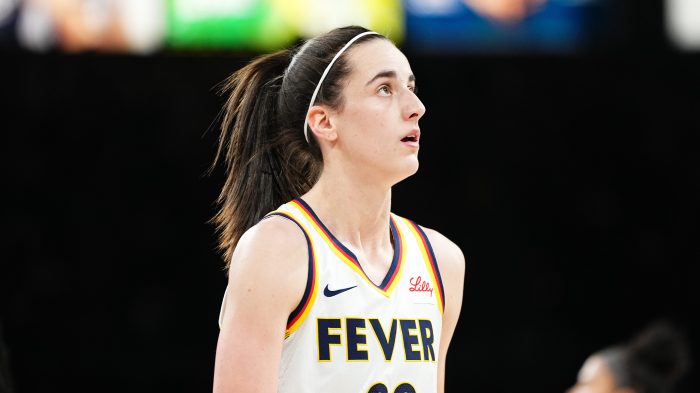
Caitlin Clark's entry into the WNBA has sparked discussions not just about her talent but also about sociopolitical issues, including race and gender dynamics. Despite claims from figures like Charles Barkley and LeBron James about supposed negativity towards Clark, there is little evidence of actual animosity from other WNBA players. Instead, the narrative seems to be driven by stereotypes and misconceptions, which ultimately do a disservice to Clark and her peers. Clark's focus remains on her game, but the media's portrayal risks creating unnecessary tension and scrutiny.