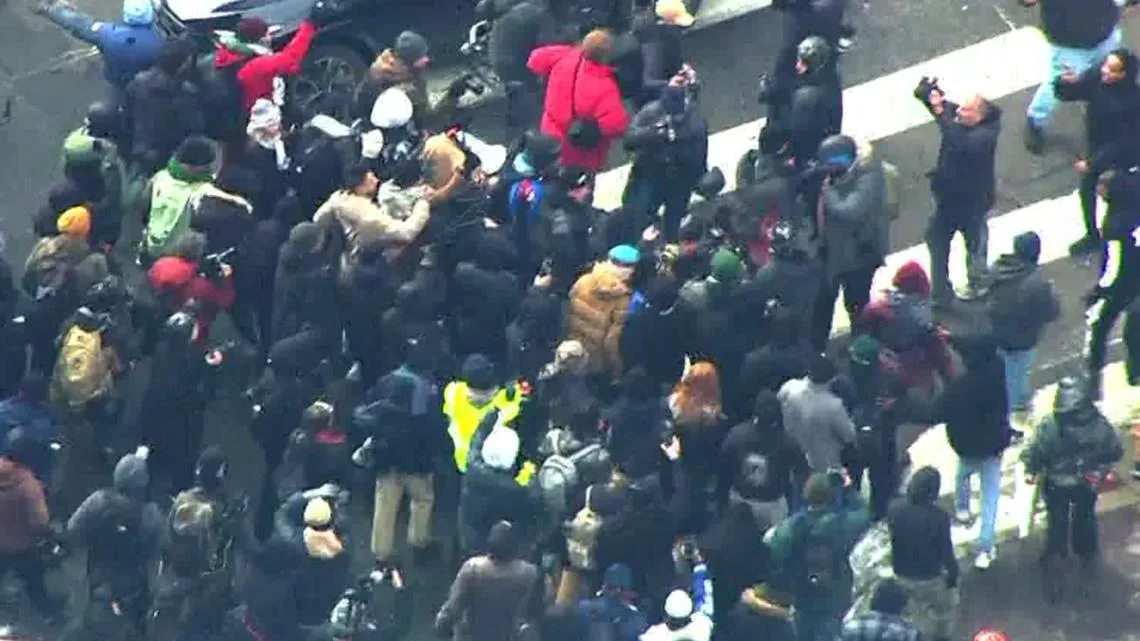
A clash in downtown Minneapolis erupted as Jan. 6 provocateur Jake Lang led an anti-Muslim rally near City Hall, planning to burn a Quran. He was overwhelmed and chased away by counter-demonstrators, eventually fleeing into a hotel while visibly bruised as the crowd pursued him.
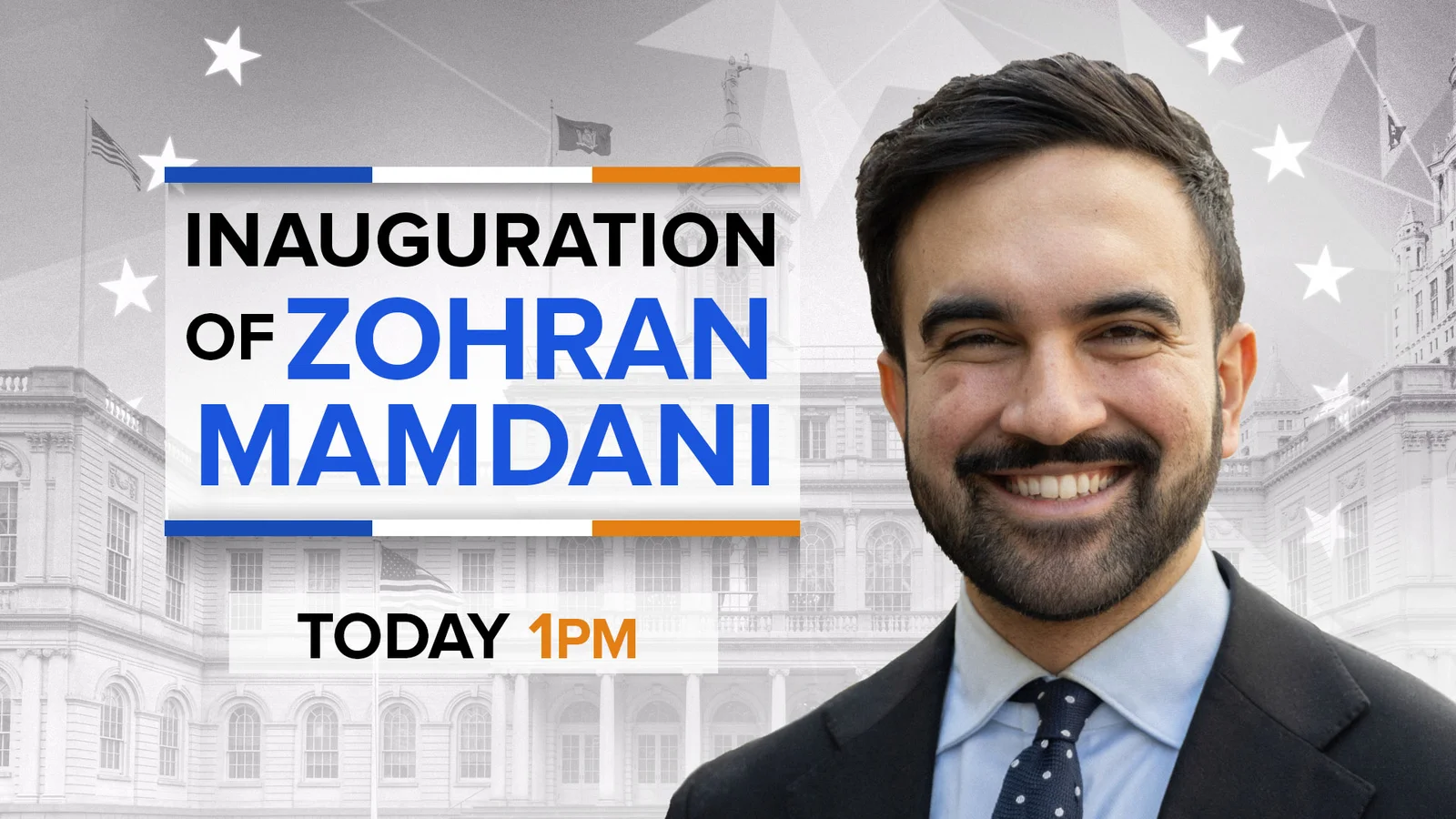
Zohran Mamdani will be inaugurated as NYC's mayor using a Quran, marking historic firsts for the city as the first Muslim, South Asian, and African-born mayor, with the Quran symbolizing the city's diverse Muslim community. The ceremony highlights cultural diversity and faith, amid some controversy and support for increased understanding of Islamic history in New York.
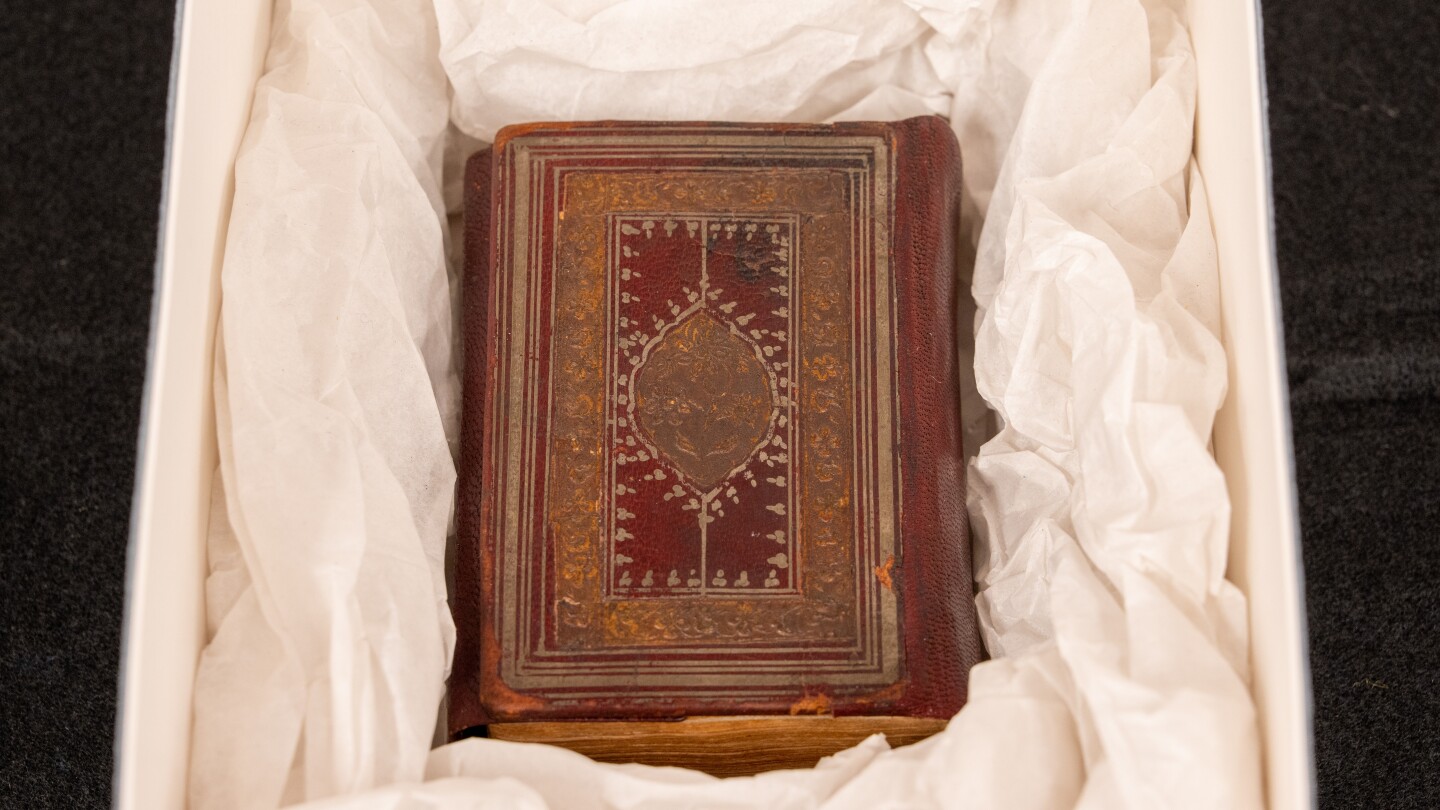
Zohran Mamdani will be sworn in as New York City mayor on a historic Quran, marking the first time a NYC mayor uses an Islamic holy text for the oath, highlighting the city's diverse Muslim community and breaking religious barriers.
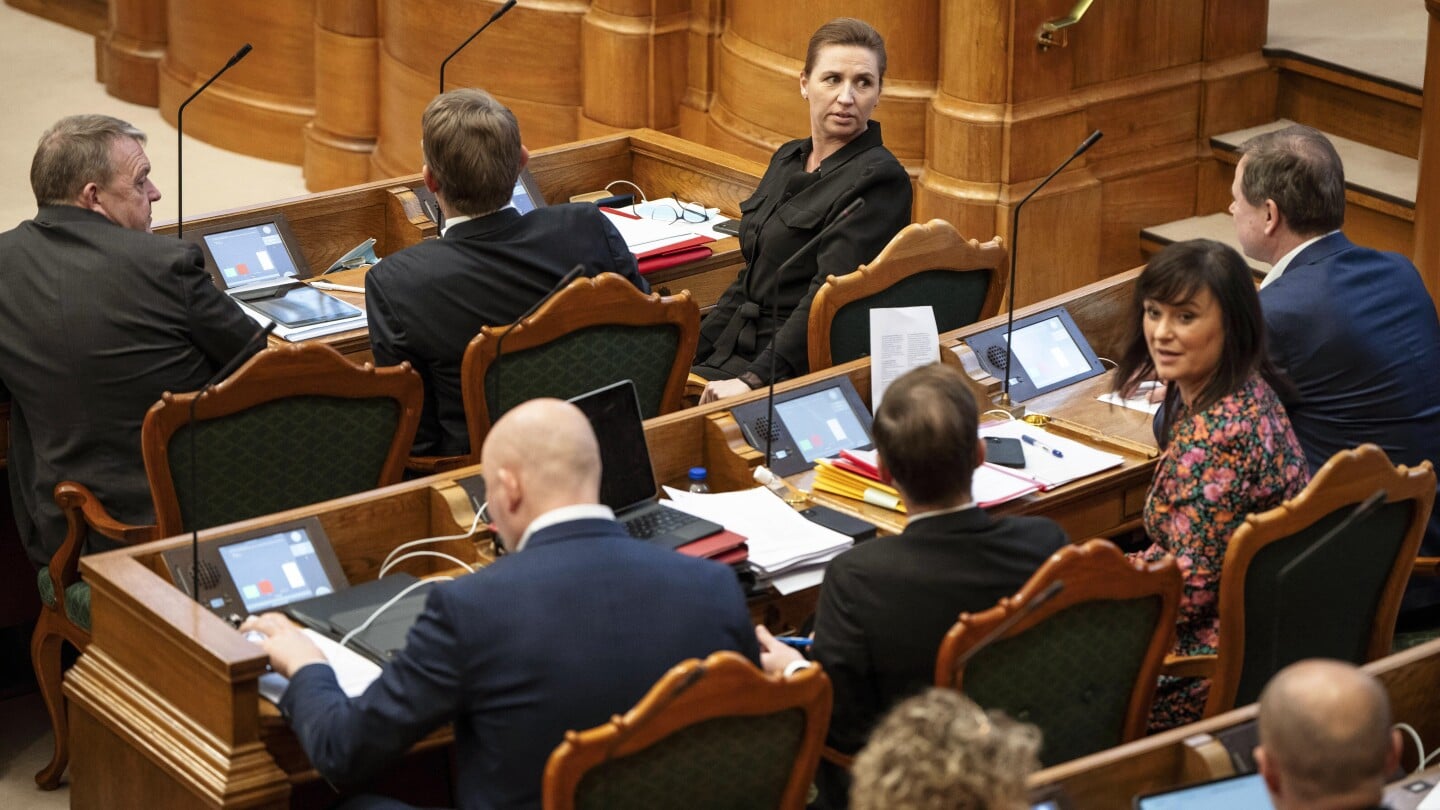
Denmark's parliament has passed a new law making it illegal to desecrate any holy text in the country, following recent public desecrations of the Quran by anti-Islam activists. The law aims to counter the systematic mockery that has intensified the threat of terrorism in Denmark. The legislation criminalizes the inappropriate treatment of religious texts or objects with significant religious significance. Left-leaning and far-right parties united against the center-right government during the debate, with opposition members criticizing the law as a restriction of freedom of expression. Violators of the law may face fines or up to two years in prison. Denmark's figurehead monarch Queen Margrethe is expected to formally sign the law later this month.
Young Americans, particularly on TikTok, are turning to the Qur'an to better understand the faith of Muslim Palestinians and show solidarity with them. Many are organizing book clubs and sharing their experiences of reading the Qur'an, finding resonance with its anti-consumerist, anti-oppressive, and feminist themes. The interest in the Qur'an on TikTok differs from post-9/11, as it is driven by a desire to understand the resilience and moral strength of Muslim Palestinians rather than confirming biases about Islam. Reading the Qur'an has led some individuals to convert to Islam, while others have gained a deeper appreciation for the faith and developed empathy for its followers.
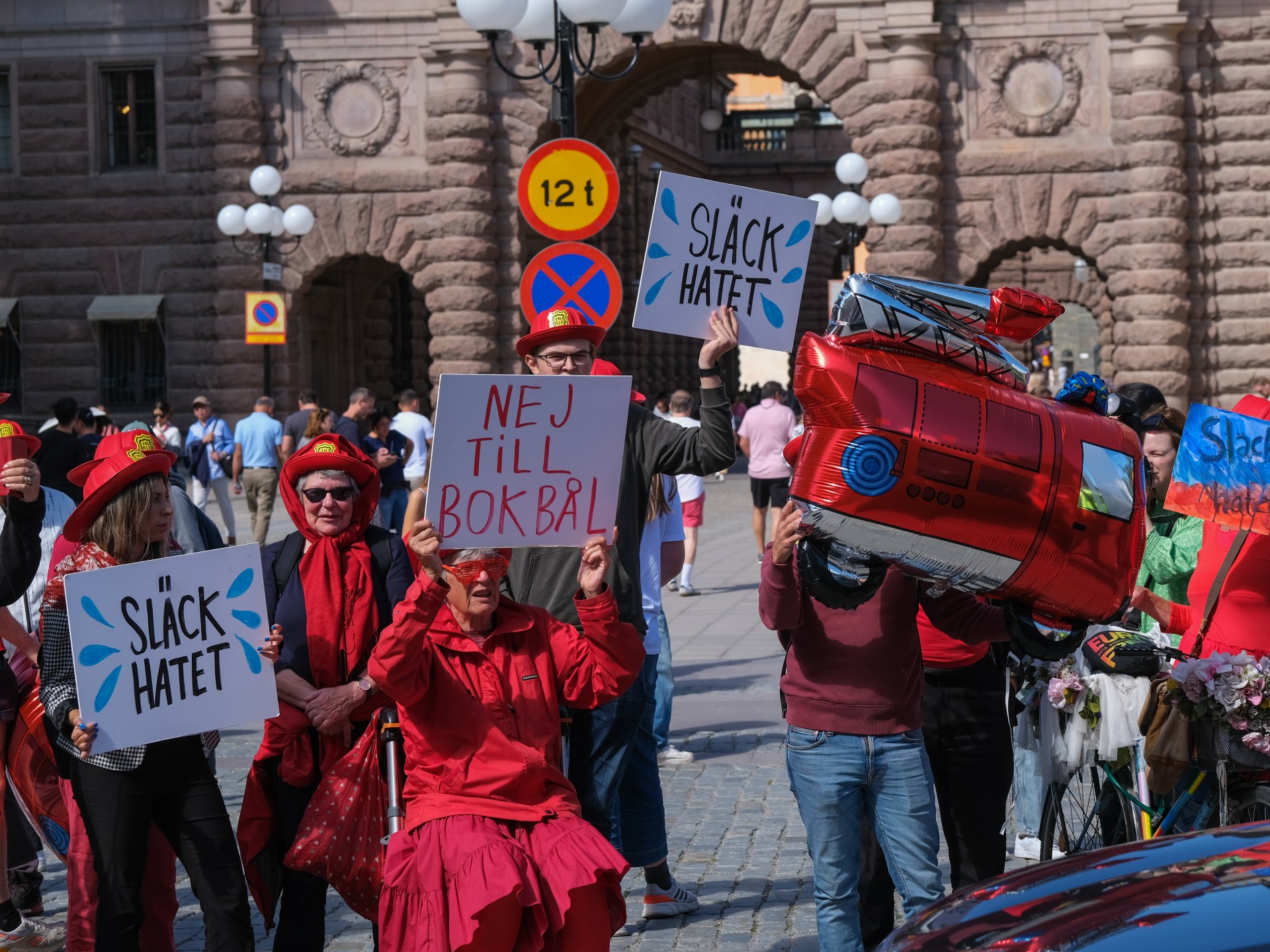
Two men in Sweden desecrated a copy of the Quran by kicking it and burning its pages in front of Stockholm's Royal Palace, an act permitted under Sweden's freedom of speech laws. This incident, the second in recent weeks, has sparked outrage in Muslim countries and led to diplomatic tensions. Counterprotesters drowned out the men's actions, and a group wearing firefighter-themed outfits encouraged peaceful dialogue. The burnings have caused a diplomatic crisis for Sweden, with calls for boycotts and security concerns for Swedish nationals abroad. The Swedish government has ruled out sweeping changes to freedom of speech laws but is considering measures to prevent the burning of holy books if there is a clear threat to national security.
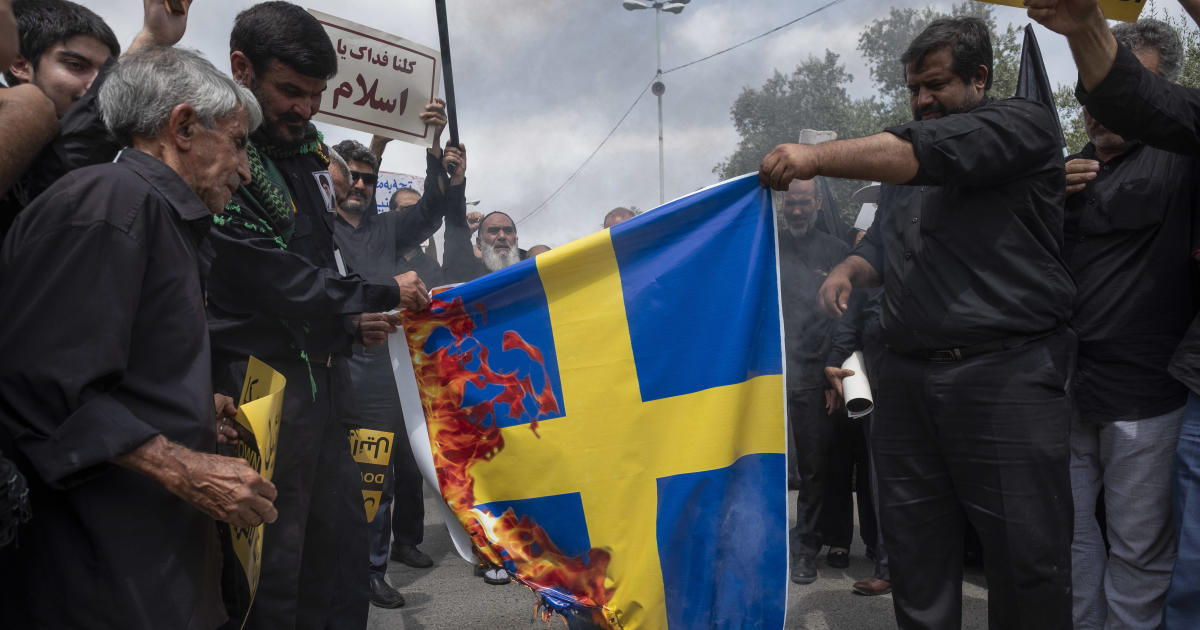
Sweden is facing a "clear risk" of retaliatory terror attacks as Iran issues threats over recent protests in Stockholm where a man desecrated the Quran. The demonstrations have sparked anger in the Muslim world, leading to calls for reprisals from Iranian officials. In response, the Swedish government has instructed various agencies to enhance security measures. Swedish Prime Minister Ulf Kristersson expressed concern over the potential for serious incidents and warned that the country is now considered a "prioritized" target for terror attacks. The protests have strained relations between Sweden and Muslim nations, with Iraq cutting diplomatic ties and other countries summoning Swedish ambassadors to lodge formal protests. Iran has demanded that Sweden hand over the Quran desecrator, with officials calling for severe punishment, including execution.
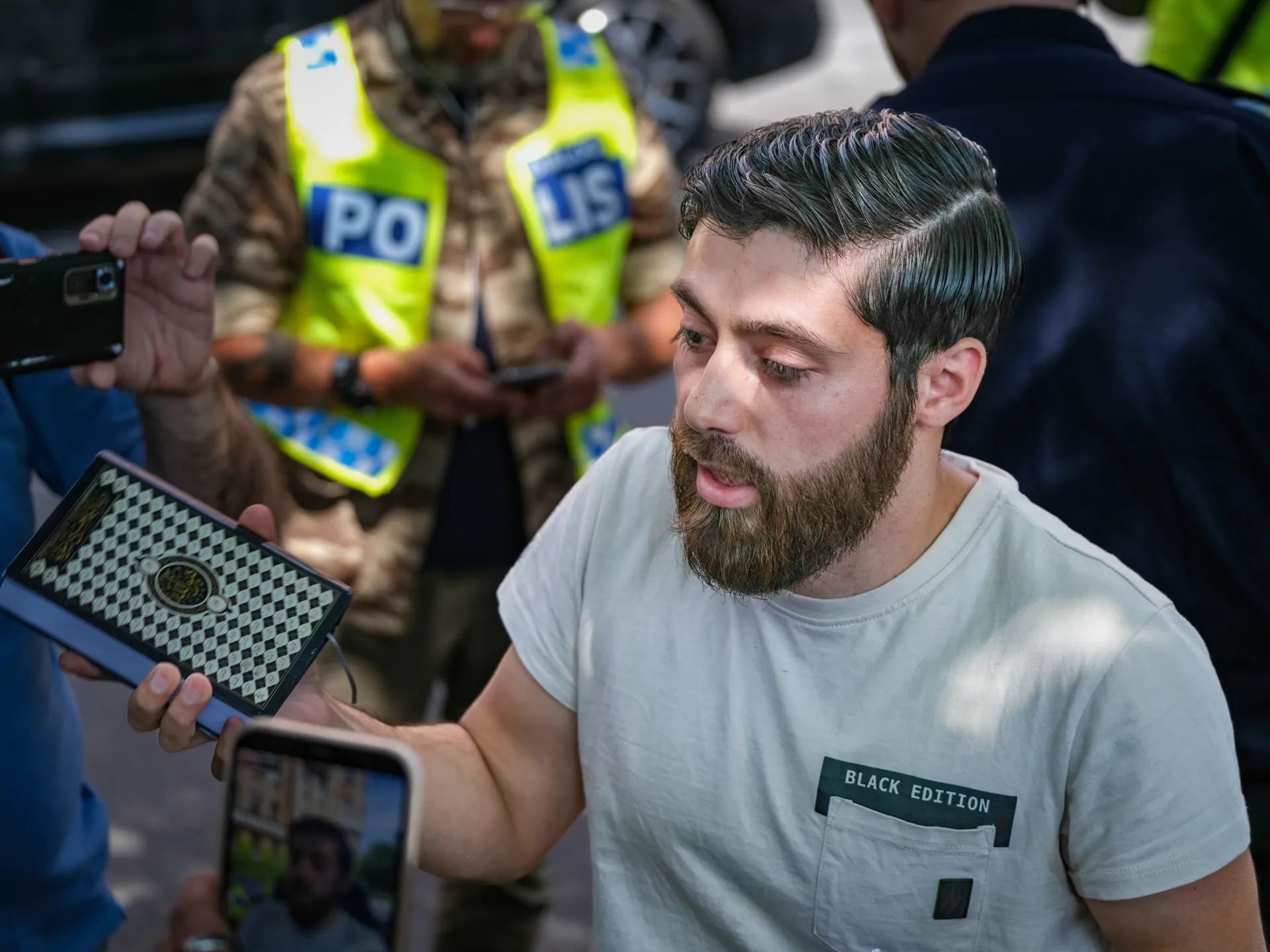
Ahmad Alloush, who had planned to burn the Torah and the Bible outside the Israeli embassy in Sweden, abandoned the plan and instead held a demonstration against desecrating holy books. Alloush criticized previous incidents of Quran burnings in Sweden, stating that while it is acceptable to criticize Islam, burning the Quran is not freedom of expression but an action. The burning of holy books has caused controversy in Sweden, with little popular support and condemnation from the Swedish foreign ministry. A recent poll showed that the majority of Swedes support a ban on public burnings of religious texts, but a complete ban would require the reintroduction of a law scrapped in the 1970s. The United Nations Human Rights Council approved a resolution on religious hatred and bigotry following the burnings in Sweden, opposed by the United States and the European Union.
Kuwait has announced plans to print and distribute 100,000 copies of the Holy Quran translated into Swedish, aiming to promote Islamic principles and values of tolerance. This decision comes in response to concerns over the desecration of the Quran in some European countries, including recent incidents in Sweden and Germany. The United Nations Human Rights Council has voted on a draft resolution condemning the desecration of the Quran, with some Western countries voting against it.
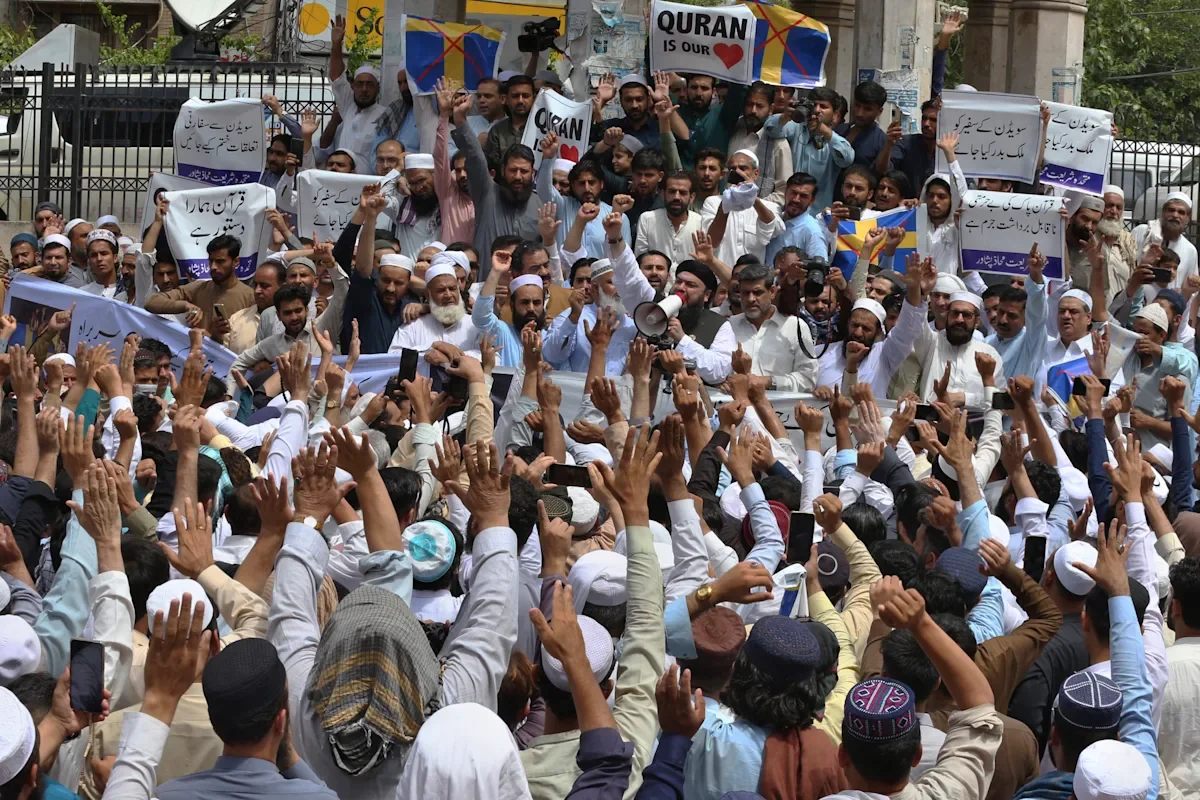
Thousands of Muslims in Pakistan held anti-Sweden protests in response to the burning of the Quran in Stockholm. The protests, called for by Prime Minister Shehbaz Sharif, took place in cities such as Lahore, Karachi, and Islamabad, with demands for the severing of diplomatic ties with Sweden. Supporters of opposition parties and radical Islamist groups also participated. The incident has sparked anger in Muslim countries, and Pakistani leaders have condemned the act as an example of rising Islamophobia. Pakistan's Foreign Minister announced plans to address the issue at the United Nations.