Teacher Patrick Lawler, who expressed extremist views and made offensive comments about Islam and others, has been banned from teaching indefinitely after a disciplinary hearing found him guilty of professional misconduct and bringing the profession into disrepute, citing his involvement with far-right groups and inappropriate classroom behavior.
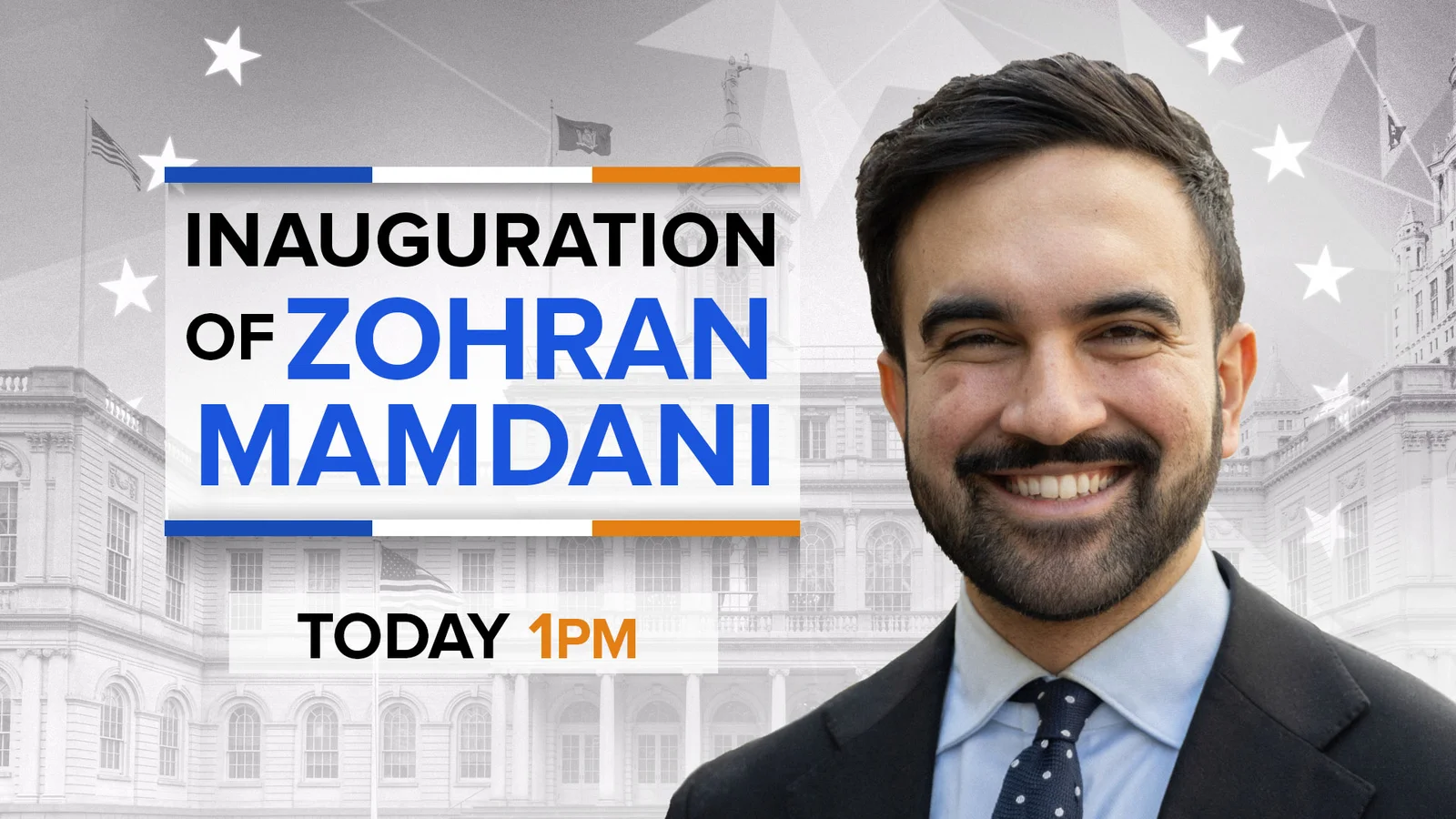
Zohran Mamdani will be inaugurated as NYC's mayor using a Quran, marking historic firsts for the city as the first Muslim, South Asian, and African-born mayor, with the Quran symbolizing the city's diverse Muslim community. The ceremony highlights cultural diversity and faith, amid some controversy and support for increased understanding of Islamic history in New York.
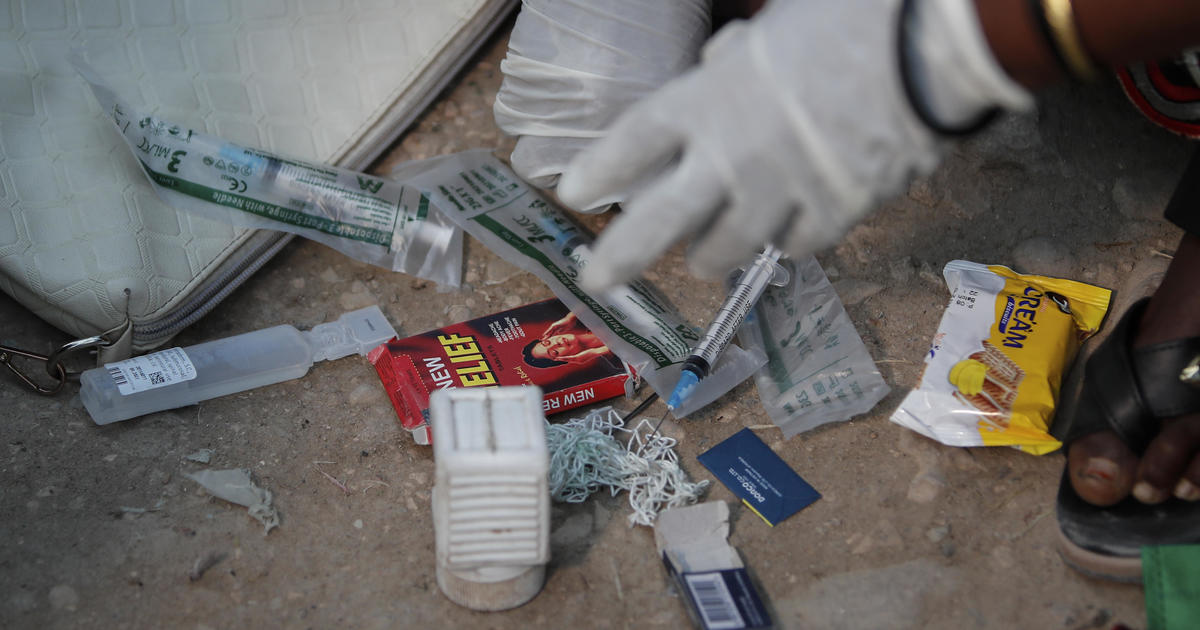
A teacher named Patrick Lawler was found guilty of professional misconduct for expressing extremist views, including calling Islam 'satanic', discussing cocaine inappropriately, and sharing far-right opinions, leading to potential disrepute for the teaching profession.
A Pew Research Center study shows that Islam is the fastest-growing religion globally, mainly due to natural demographic growth, with Muslims increasing by 347 million over a decade, while Christianity remains the largest religion but is declining slightly, and the religiously unaffiliated are the third largest group.
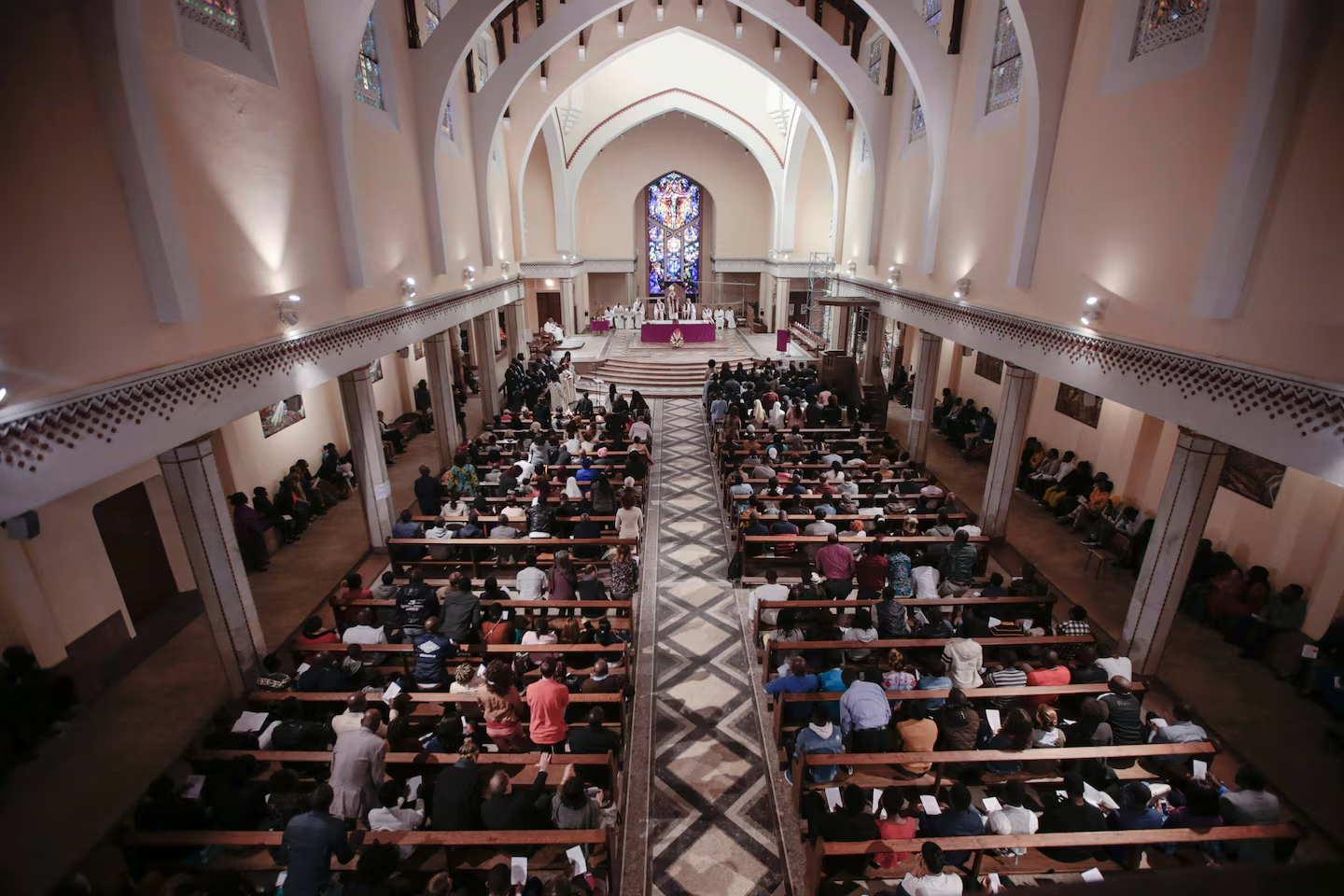
A Pew Research Center report shows that while Christianity remains the largest religion globally, its share has decreased due to disaffiliation, whereas Islam is the fastest-growing major religion, driven by a younger population and higher fertility rates, leading to a convergence in the size of these two religions.
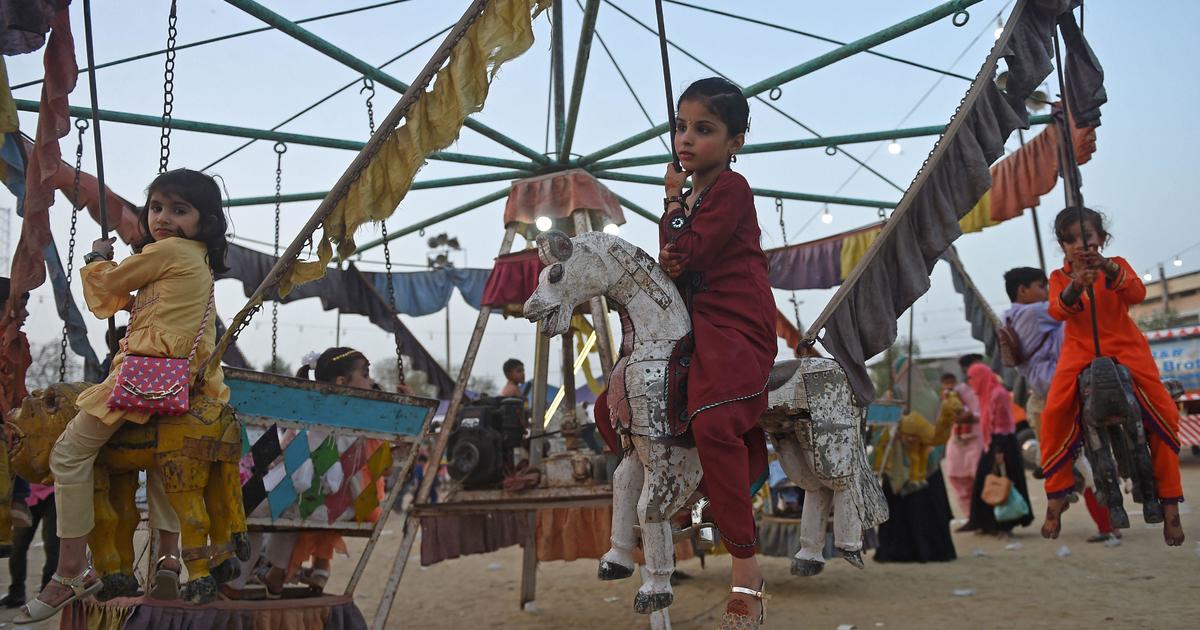
Eid al-Fitr is a significant Islamic festival celebrated twice a year, marking the end of Ramadan and the Hajj pilgrimage. It involves special prayers, greetings, sweet dishes, gift-giving, and acts of forgiveness. Eid al-Adha, the "feast of the sacrifice," commemorates Ibrahim's willingness to sacrifice his son. Both festivals vary in celebration practices across different countries and are based on the lunar Islamic calendar. Eid al-Fitr is also a time for charity and reflection on Allah's provision of strength and endurance.
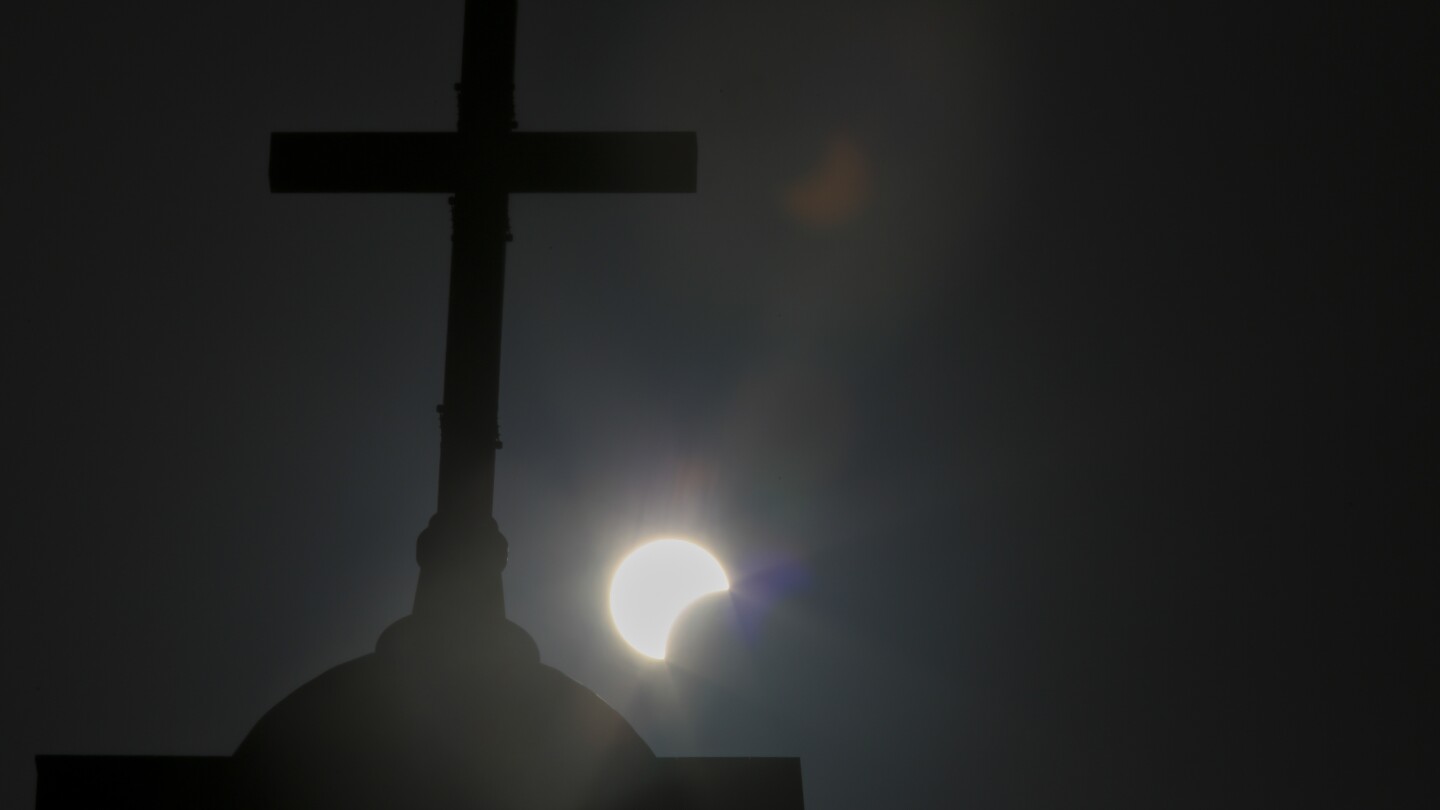
Solar eclipses have historically evoked awe and dread in various religions, with beliefs ranging from auspicious days for spiritual practice in Tibetan Buddhism to signs of the "end times" in Christianity. In Hinduism, eclipses are seen as bad omens, leading to fasting, ritual bathing, and prayer. In Islam, a solar eclipse is a time for prayer and turning to God, while Judaism views eclipses as ill omens and opportunities for introspection.
Lawmakers in Gambia are set to vote on a bill that seeks to repeal the ban on female genital mutilation (FGM), potentially making the country the first to reverse such a prohibition. The practice, which involves the partial or full removal of external genitalia, is widely performed on young girls in parts of Africa and is incorrectly believed to control women's sexuality. The bill is backed by religious conservatives and aims to uphold religious purity and cultural norms, but activists fear it could lead to the erosion of other laws safeguarding women's rights. The United States has supported activists opposing the practice, and the bill has sparked protests outside Gambia's parliament. If passed, the bill is expected to be signed into law by President Adama Barrow.
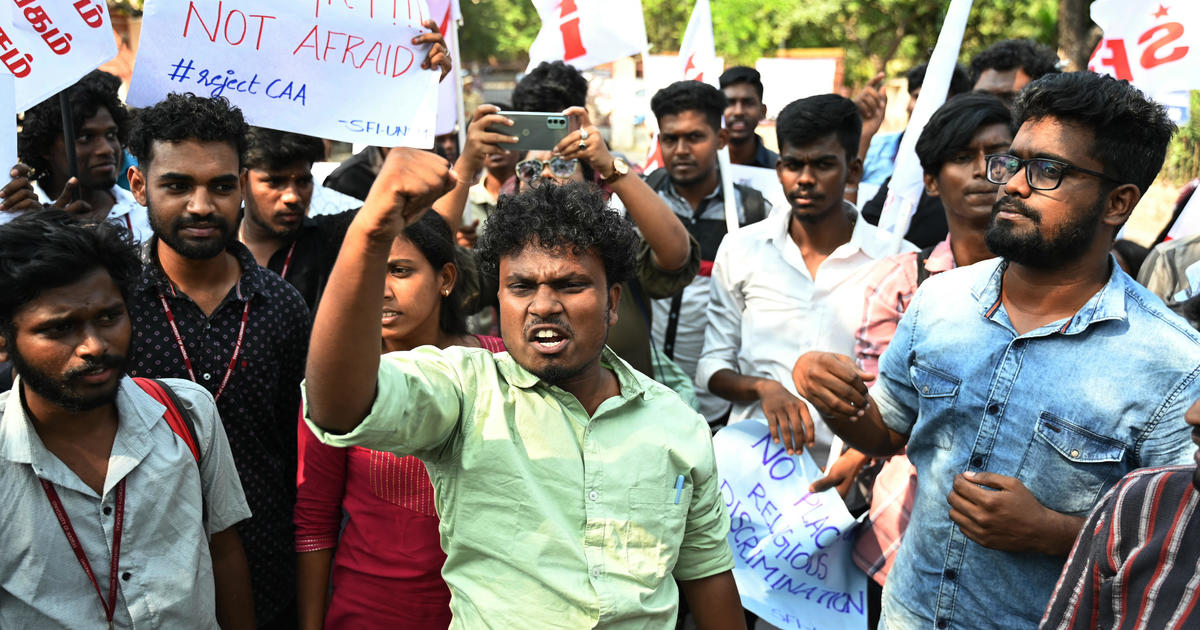
India's government has implemented a controversial citizenship law that singles out Muslims, drawing accusations of polarization ahead of general elections. The Citizenship Amendment Act (CAA) paves the way for non-Muslims who fled religious persecution in neighboring countries to become Indian citizens, but excludes Muslims. Critics argue that the law violates India's secular principles and could be used in conjunction with a proposed National Register of Citizens (NRC) to marginalize or disown Indian Muslims. The move has sparked protests and accusations of deliberate polarization by opposition parties and activists.
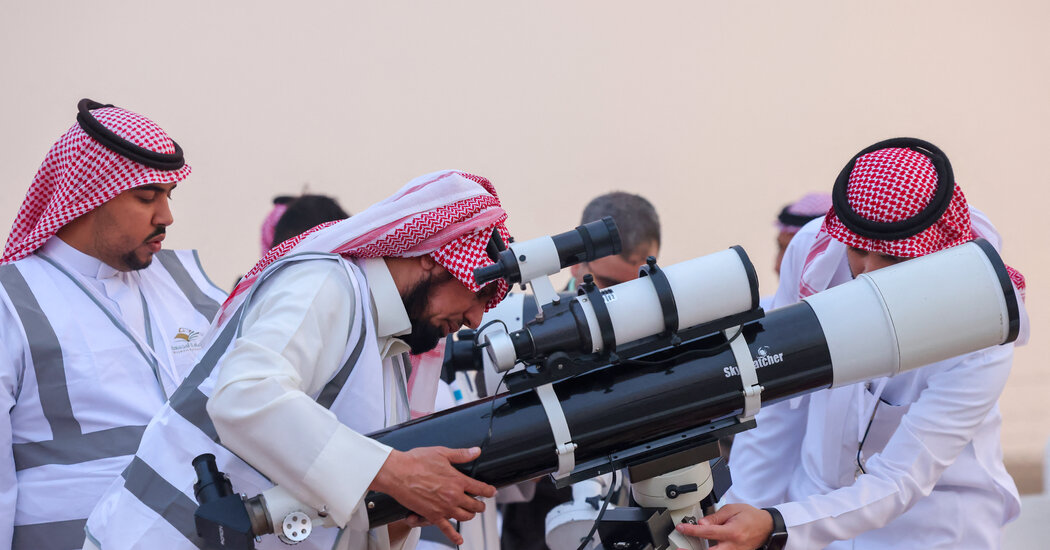
The start date of Ramadan varies from country to country due to the sighting of the new moon by local Islamic authorities, marking the beginning of the ninth month in the traditional Hijri calendar. Factors such as observation methods and weather conditions contribute to the variation, leading to countries like Saudi Arabia and Oman beginning Ramadan about 24 hours apart. In Southeast Asia, several countries will observe Ramadan from Tuesday, providing extra preparation time for millions of Muslims in the region.
The crescent moon was sighted in Saudi Arabia, marking the start of Ramadan for many Muslims, who will begin fasting on Monday. However, some Asia-Pacific countries will start fasting on Tuesday. This year's Ramadan comes amid the Israel-Hamas war, with concerns that the conflict may spark unrest beyond current borders. Muslims around the world are preparing for a month of religious reflection, family gatherings, and giving, while also facing challenges such as inflation and high food prices.
The crescent moon was sighted in Saudi Arabia, marking the start of Ramadan for many Muslims, while some countries will begin fasting on Tuesday. The ongoing Israel-Hamas war in Gaza and global food inflation are casting a shadow over this year's Ramadan. The conflict and Israeli restrictions on Muslims praying at Jerusalem's Al-Aqsa Mosque may fuel militant anger, while the Islamic State group has historically launched attacks during Ramadan.
Muslims around the world are preparing for Ramadan, a month of fasting, spirituality, and reflection, which is expected to start around March 11, 2024, and end on April 9, 2024. During Ramadan, Muslims fast from sunrise to sunset, engage in extra prayers, and focus on personal and spiritual development. The last ten nights are considered especially sacred, with Laylat Al-Qadr falling on one of those nights. Muslims also increase charity and come together for iftar meals and celebrations, culminating in the festive holiday of Eid Al-Fitr.
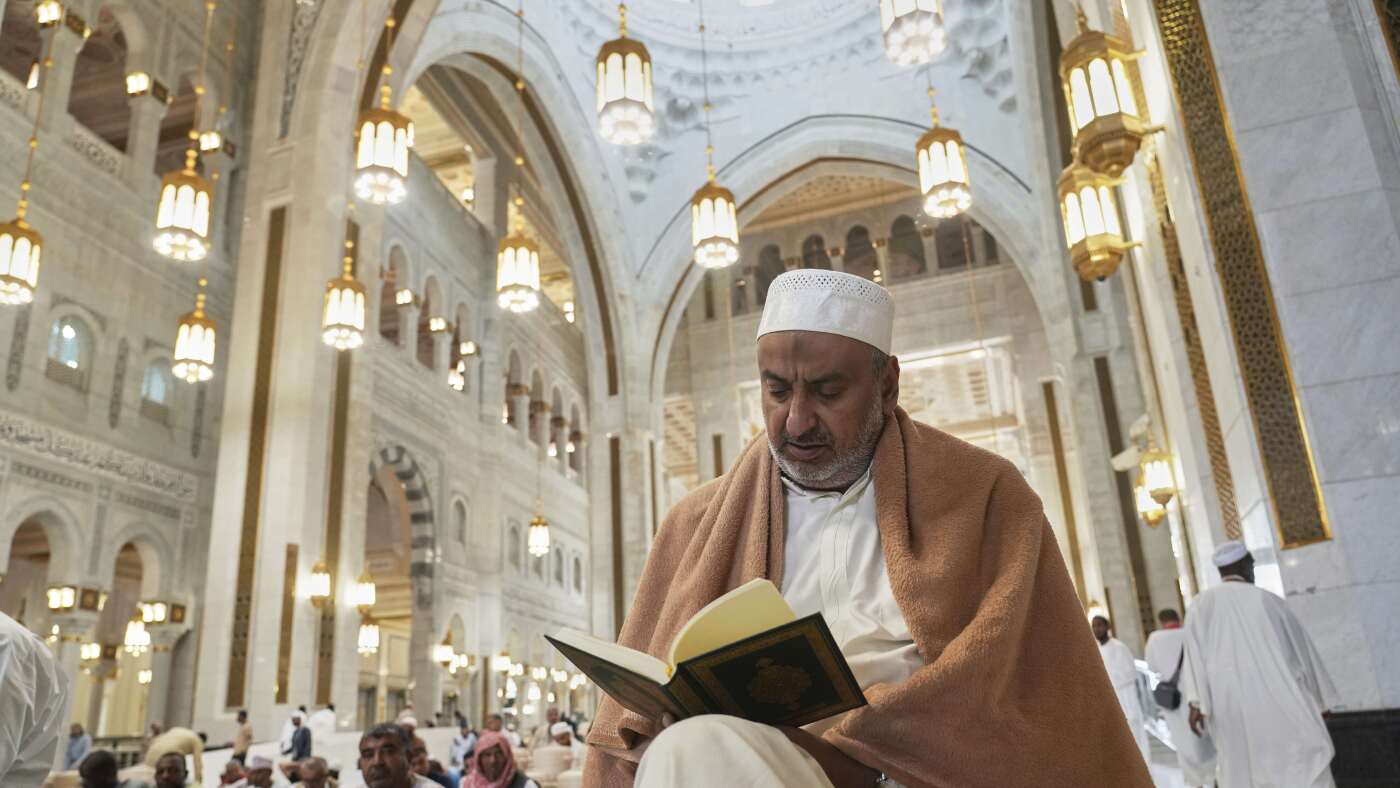
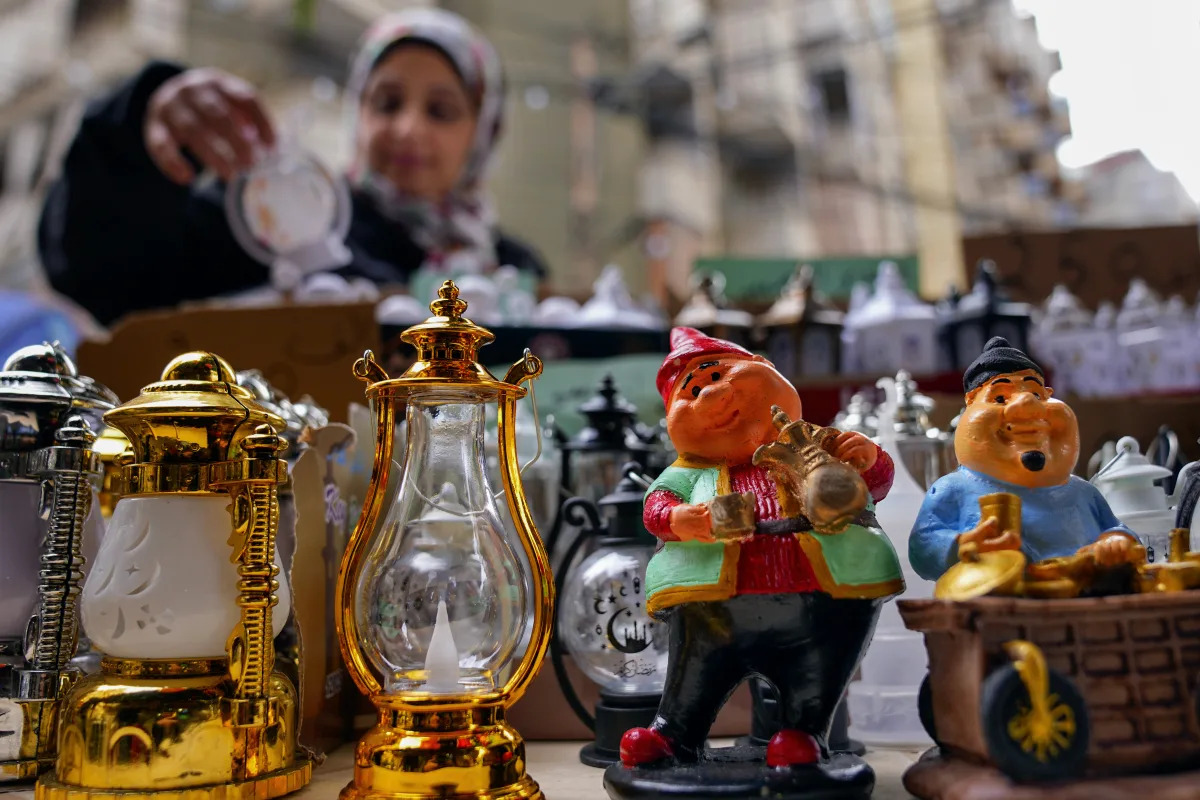
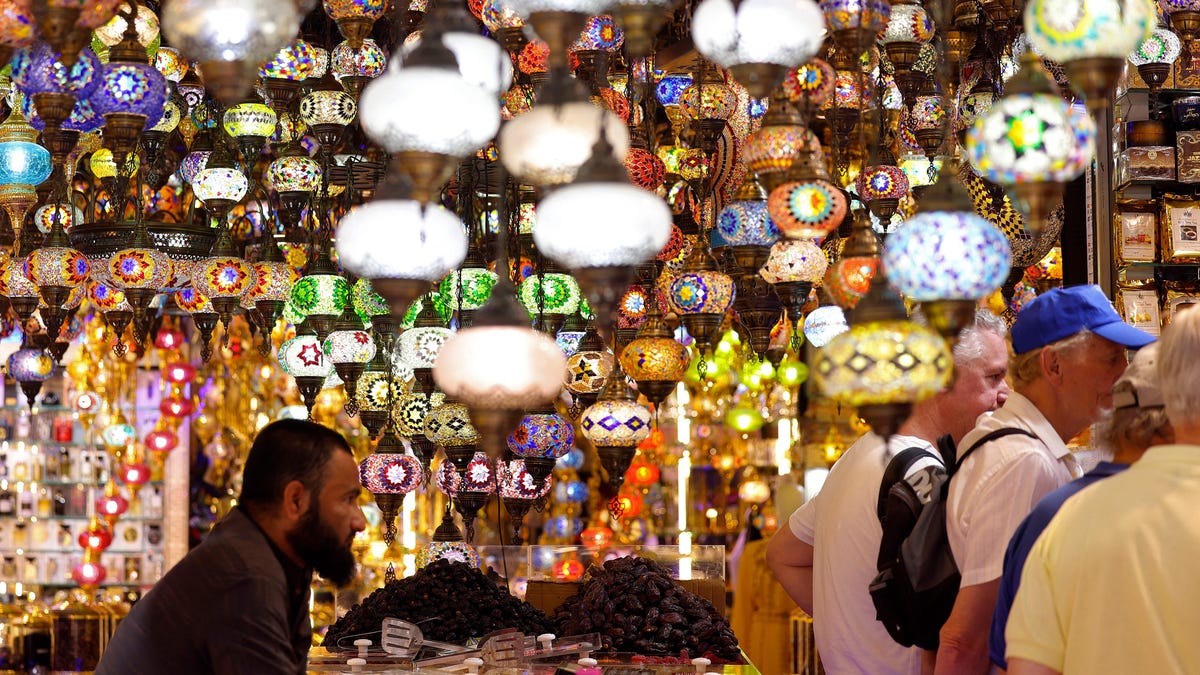
Ramadan is the Islamic holy month of fasting, increased worship, and charity, starting around March 11 this year. Muslims fast from dawn to sunset, refraining from food, drink, and bad deeds, and dedicate more time for religious contemplation and reading the Quran. Social and cultural traditions associated with Ramadan vary across different regions, including festive gatherings, decorations, communal meals, and TV shows. Muslims around the world observe Ramadan with diverse rituals and customs, while also considering ways to remain mindful of humanitarian crises, such as the situation in Palestine.
The ongoing conflict between Israel and Hamas has led to increased tensions between Israel and Hezbollah in Lebanon, with fears of a wider regional conflict. Hezbollah, a Shiite Muslim political and military force supported by Iran and Syria, operates within the Lebanese government as a political party and maintains its own paramilitary force. The group has been targeting Israeli positions in support of Hamas, but it is not believed to extensively coordinate with Hamas. Iran supports both Hezbollah and Hamas, and there are concerns about the prospect of a wider war involving these Iran-backed groups. The decision for a full-scale war with Israel ultimately lies with Hezbollah's leaders and their sponsors in Iran.