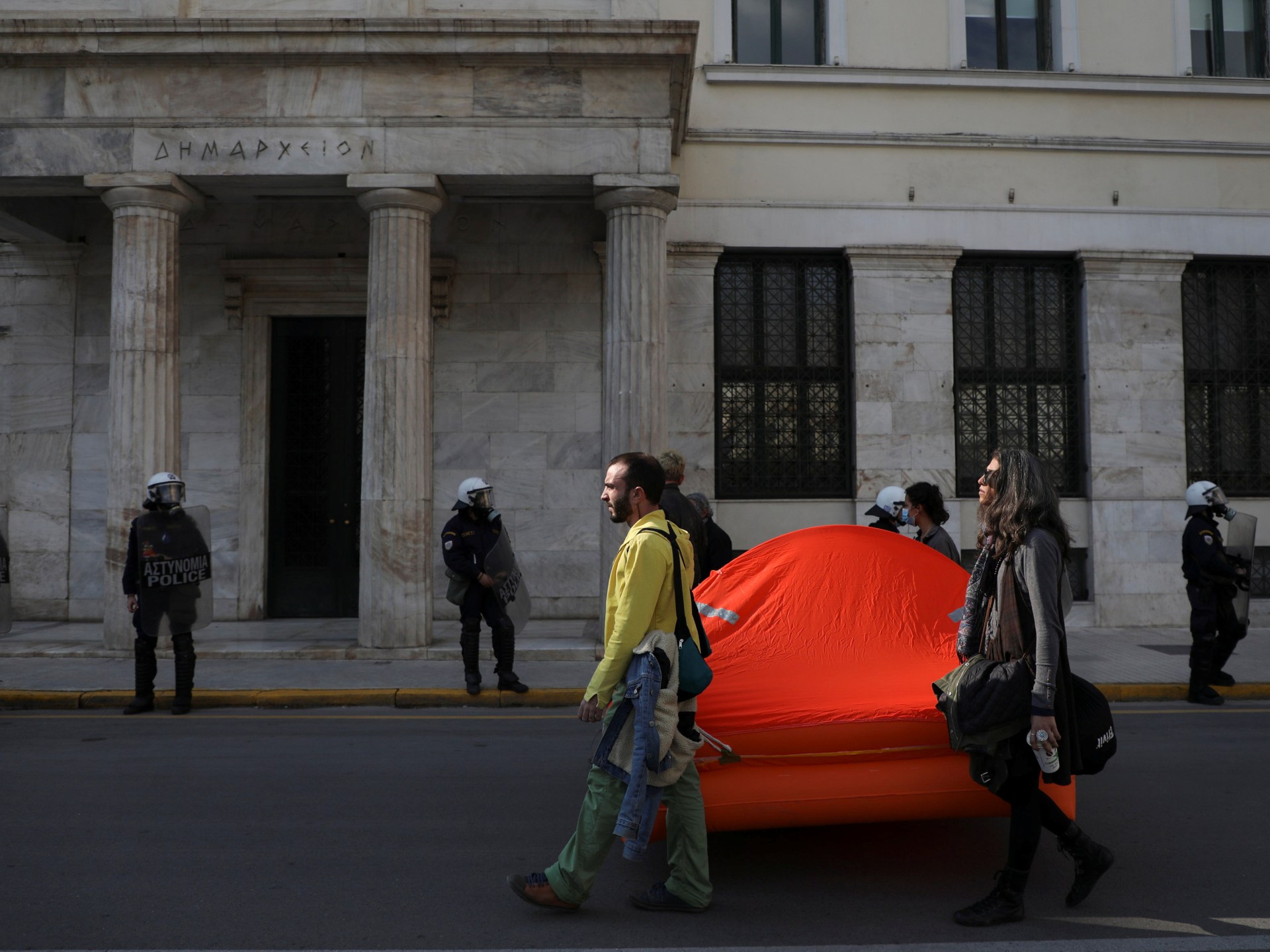
Refugees attempting to cross EU borders have reported experiencing invasive and degrading genital searches during pushbacks. Interviews with refugees, legal experts, and NGOs, as well as internal documents from Frontex, the EU's border and coastguard agency, reveal a pattern of abusive practices aimed at humiliating asylum seekers and deterring them from making future attempts. The searches involve forced undressing and invasive touching of breasts and genitals, often conducted by masked men who are part of the border guard systems. These practices violate human rights and may constitute prohibited collective expulsion and inhuman and degrading treatment.
The European Court of Justice has dismissed a case brought by a Syrian refugee family against the European border agency Frontex. The family argued that Frontex should be held accountable for their deportation from Greece to Turkey in 2016 without the opportunity to apply for asylum. The court ruled that Frontex does not have the power to assess return decisions or applications for international protection, and therefore cannot be held liable. The family's lawyers plan to appeal the ruling, stating that individuals should be able to hold Frontex accountable for its treatment of them. The case raises questions about how Frontex should monitor respect for fundamental rights in its activities.
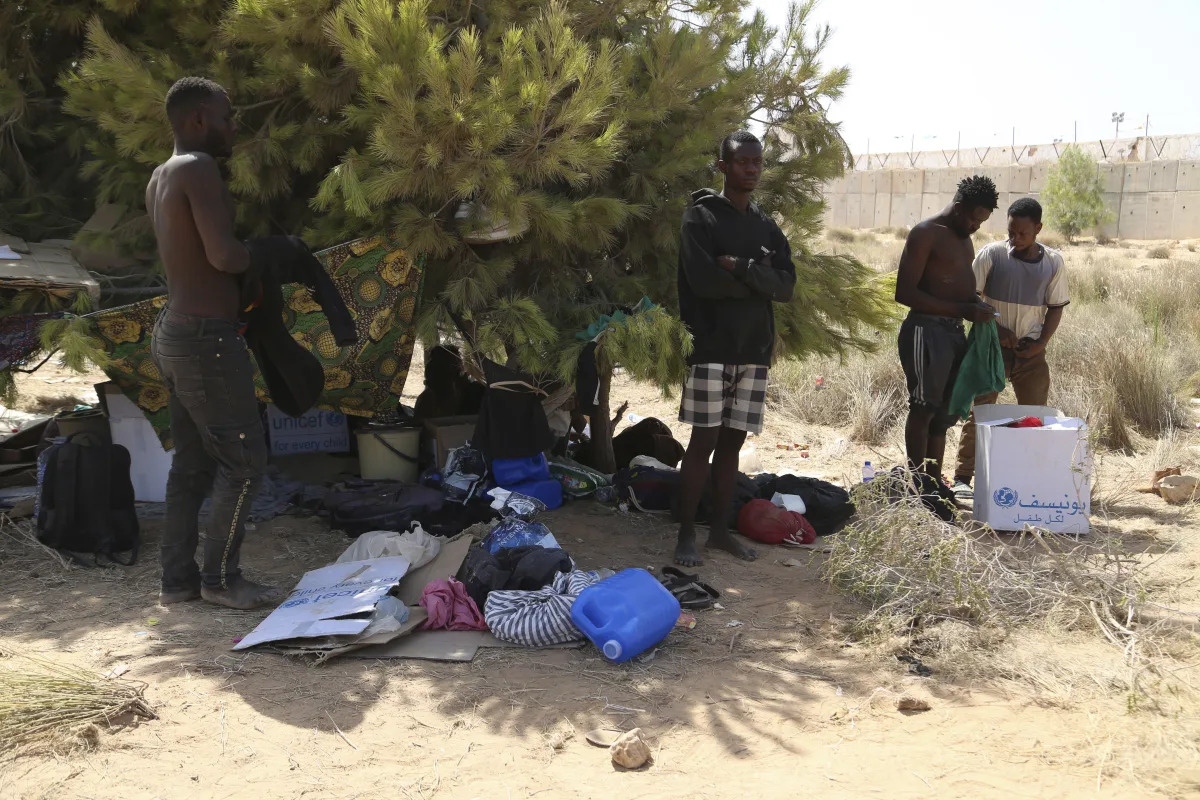
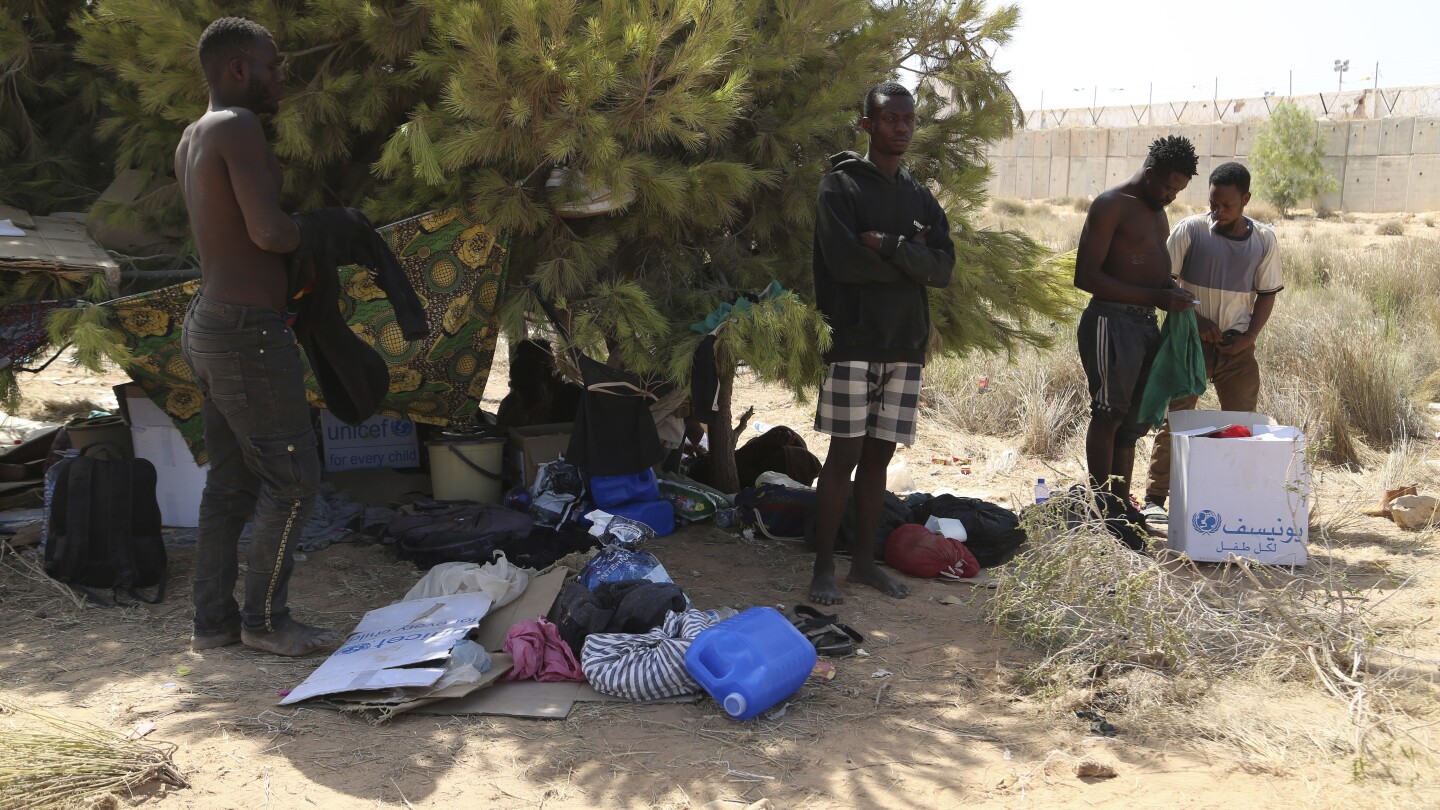
Tunisia's interior minister acknowledged that small groups of sub-Saharan migrants attempting to enter the country are pushed back into the desert border areas with Libya and Algeria, but dismissed allegations of mistreatment by the UN, humanitarian groups, and migrants themselves. While denying collective deportations, the minister admitted that small groups without papers are pushed back, with three migrant bodies found in the desert. Tunisia's eastern coast has become a major departure point for migrants heading to Europe, leading to tensions with the local population. The minister stated that 1,057 migrants had agreed to be voluntarily returned home, and there are currently around 80,000 undocumented migrants in Tunisia. President Kais Saied has fueled anti-migrant sentiment, claiming an organ trafficking business has emerged around migrants. The minister also dismissed claims of abuse by security officials, stating that migrants were manipulated for personal gain. The viral images and videos of migrants stranded between Tunisia and Libya have damaged Tunisia's reputation, leading to cancellations of concerts and entertainers donating their earnings to humanitarian organizations.
Tunisia's interior minister admitted that small groups of sub-Saharan migrants attempting to enter the country are pushed back into the desert border areas with Libya and Algeria, but denied allegations of mistreatment. While there are no collective deportations, the minister acknowledged that small groups without papers are pushed back. Tensions have risen between the local population and migrants in Tunisia's eastern coast, with security forces removing some migrants from the city and reportedly abandoning them in the desert. President Kais Saied has fueled anti-migrant sentiment, claiming an organ trafficking business has emerged around migrants. The minister stated that the short-term solution is to return migrants to their home countries in cooperation with human rights organizations.
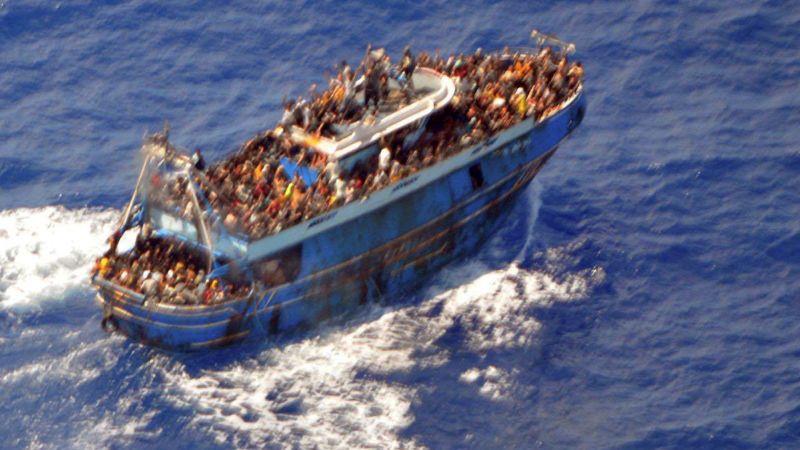
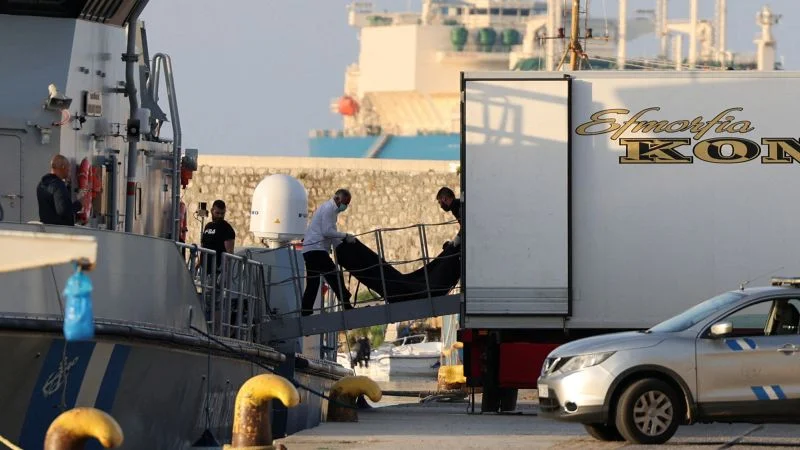
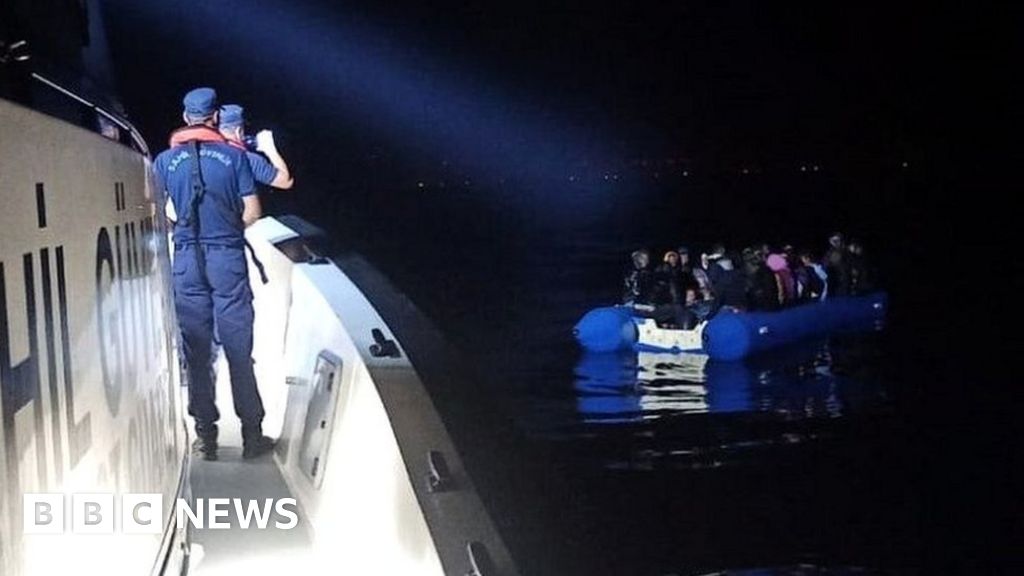
Survivors of a migrant boat disaster off the coast of Greece have pointed blame at the Greek coast guard, suggesting more lives could have been saved and may even point to fault on the part of Greek authorities. The Hellenic Coast Guard has repeatedly denied attempting to tow the vessel. An official investigation into the cause of the tragedy is still ongoing. Human rights groups say the authorities had a duty to act to save lives, regardless of what people on board were saying to the coast guard before the migrant boat capsized.
Nine crew members have been arrested for people smuggling after a packed vessel sank in the Mediterranean on Wednesday, killing dozens of people, as human rights campaigners accused Greek authorities of neglecting those on board. The NGO Alarm Phone denounced the Greek response to the tragedy, alleging that authorities failed to acknowledge an earlier alert that the vessel was in danger. Pushbacks are state measures aimed at forcing refugees and migrants out of their territory, while impeding access to legal and procedural frameworks, according to the Berlin-based European Center for Constitutional and Human Rights (ECCHR).
Doctors Without Borders has accused Greece of mistreating asylum-seekers on the island of Lesbos, including allegations of illegal deportations and using hunger as a weapon against some migrants. The group claims that fear of pushbacks is preventing many newly-arrived migrants from accessing its health services, while others who could not be found may have been secretly deported. The Greek government has ordered an investigation into claims of illegal deportations, but has repeatedly denied engaging in pushbacks.