The FDA has approved an updated indication for WINREVAIR (sotatercept-csrk) based on the Phase 3 ZENITH study, showing it significantly reduces the risk of clinical worsening and improves exercise capacity in adults with PAH, expanding its use in treatment.
Insmed's experimental therapy for pulmonary arterial hypertension succeeded in a mid-stage trial, causing shares of competitors Liquidia and United Therapeutics to fall in premarket trading.
The FDA has approved a new drug called sotatercept, now known as Winrevair, for the treatment of pulmonary arterial hypertension (PAH), a rare and fatal condition. The drug, manufactured by Merck, has shown promising results in clinical trials, with patients experiencing improved ability to walk and reduced risk of disease progression. While the drug has shown potential for reversing the effects of PAH, there are still unknowns and potential side effects, including bleeding and dizziness. The annual cost of the medication is estimated to be around $243,000, and it will be available in specialty pharmacies by the end of April. Patients initially need to receive injections in a clinic but may eventually be able to administer the drug at home.
The FDA has approved Merck's WINREVAIR (sotatercept-csrk) for the treatment of adults with pulmonary arterial hypertension (PAH, WHO Group 1) to increase exercise capacity, improve WHO functional class, and reduce the risk of clinical worsening events. WINREVAIR, a first-in-class activin signaling inhibitor therapy, demonstrated significant clinical benefits in a Phase 3 trial, including improved exercise capacity and reduced risk of death or PAH clinical worsening events. Healthcare providers should monitor hemoglobin and platelets before each dose, as WINREVAIR may increase hemoglobin and decrease platelet count. The medication is expected to be available in the U.S. by the end of April and comes with support for patients through the Merck Access Program.
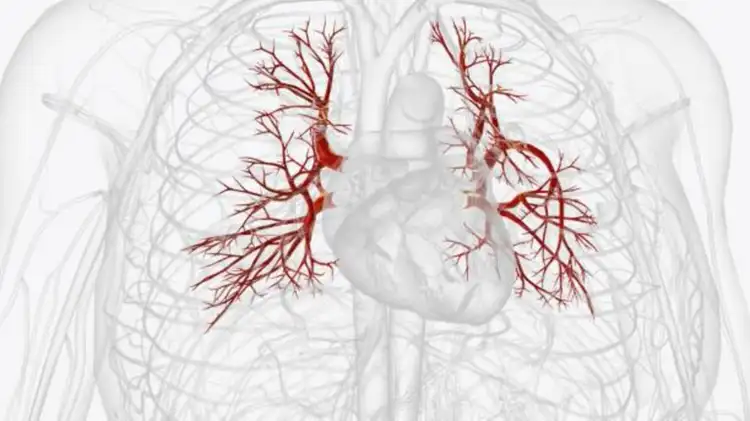
The global market for pulmonary arterial hypertension (PAH) treatments is expected to reach nearly $11 billion by 2030, attracting the interest of biopharma companies. PAH is a rare cardiovascular disease characterized by the thickening and narrowing of arteries in the lungs, leading to fatal heart failure. Current treatments focus on symptom relief but do not address the underlying cause of the disease. However, new therapies like sotatercept, which targets cell proliferation, show promise in reversing the disease. Anti-proliferation drugs are driving a "new wave" of PAH treatments, and their development could also benefit related diseases like pulmonary hypertension secondary to heart failure.
Heather Kauffman was diagnosed with pulmonary arterial hypertension (PAH) in 2017, the same rare condition that killed her brother when he was five. After joining a clinical trial and undergoing genetic testing, she discovered that she did not have the gene for PAH. PAH is a type of pulmonary hypertension that causes high blood pressure in the lungs and can lead to heart failure. The cause can be complex, and it can be difficult to diagnose. However, there are several drugs available to treat it, and a new potential medicine, Sotatercept, is awaiting FDA approval after a successful clinical trial.