Senate Republicans are reviving a plan to sell 2.2 to 3.3 million acres of federal lands in Western states to fund housing development, sparking controversy within the party and opposition from conservationists.
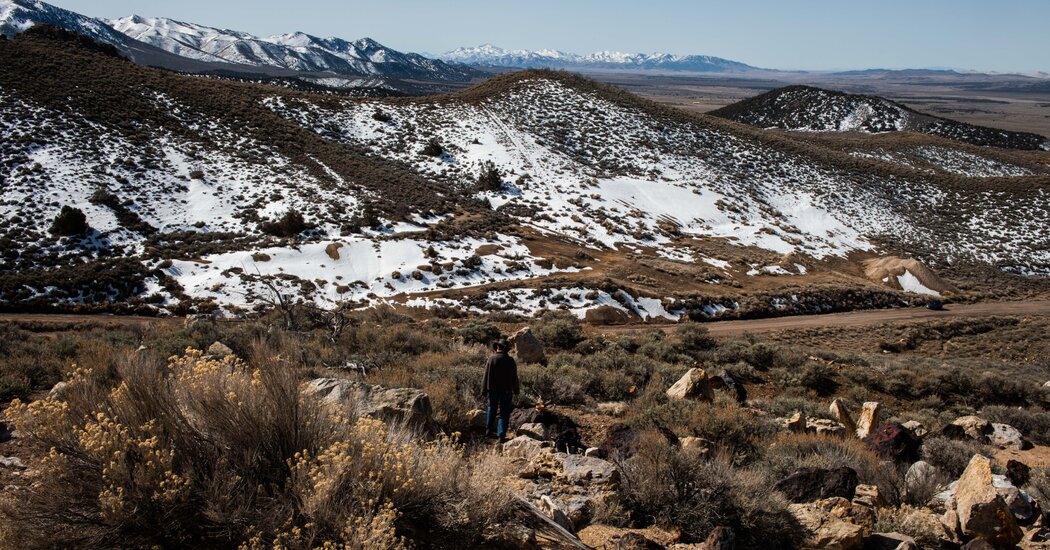
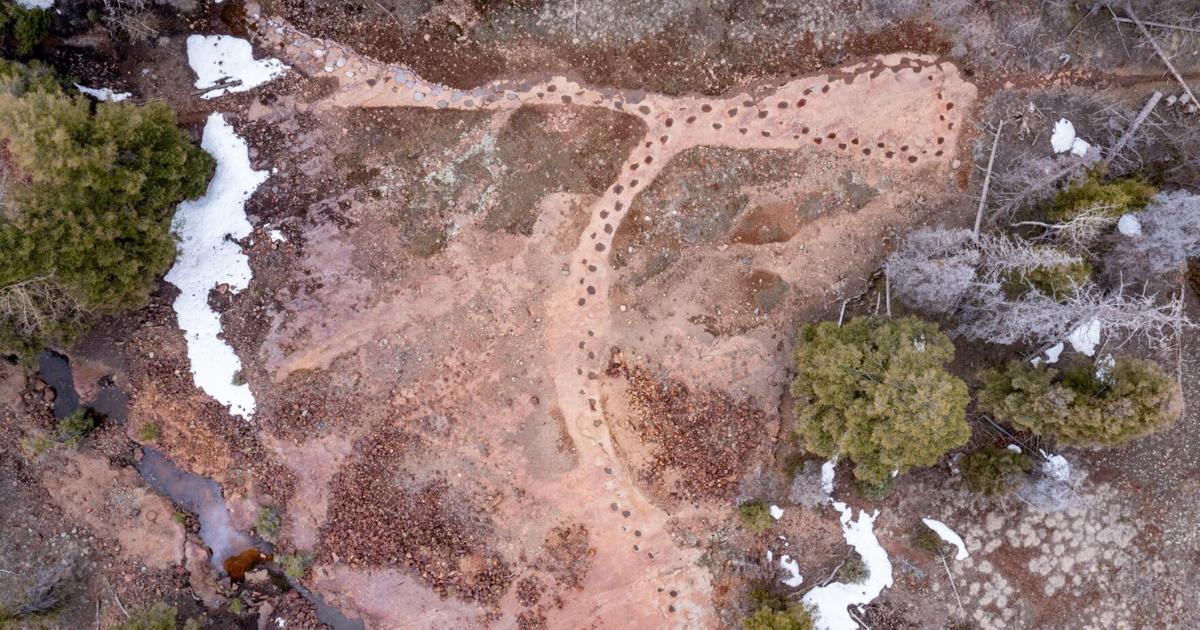
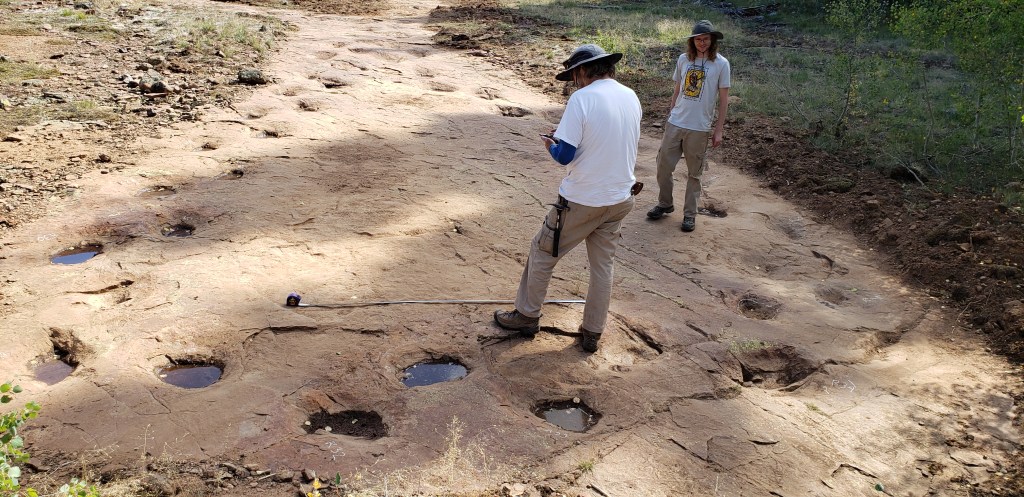
The Grand Mesa, Uncompahge, and Gunnison National Forests have acquired 27 acres of land in Ouray County, Colorado, including a trackway featuring 134 fossilized dinosaur footprints left by a long-neck sauropod dinosaur over 150 million years ago. The acquisition aims to protect this valuable scientific resource and provide an opportunity for the public to connect with the distant past. The site, known as the West Gold Hill Dinosaur Tracksite, will be open to the public, accessible via the steep and rugged Silvershield trail, with plans to add signage and improve access. This adds to Colorado's collection of prehistoric sites, including the Picket Wire Canyonlands tracksite in southeast Colorado.
The U.S. Forest Service has purchased three mining claims in the San Juan Mountains, making the West Gold Hill Dinosaur Tracksite in Ouray officially public land. The site features a unique sauropod trackway with 134 consecutive steps, including a more than 180-degree turn, and is one of the longest continuous trackways in the world. Hikers can now access the site, located at an altitude of 9,300 feet, and the Forest Service plans to raise awareness about it while ensuring it remains open to the public for generations.
The Municipality of Anchorage has joined a coalition of cities and jurisdictions in asking the U.S. Supreme Court to review a federal court ruling that has limited their ability to enforce bans on homeless camping on public land. The ruling by the U.S. Court of Appeals for the 9th Circuit protects the rights of homeless individuals to camp outdoors on municipal property when there is no alternative indoor shelter available. Critics argue that the ruling has hindered local governments' ability to address the homelessness crisis effectively. The Supreme Court declined to take up the case in 2019, but the growing criticism has prompted a renewed effort to challenge the ruling.
Portland City Council held a five-hour hearing on a proposal to ban daytime camping on public land and restrict camping near schools and other locations. Over 100 people testified, with most speakers opposing the proposal despite its broad public support. The City Council seems likely to move forward with the ban.
Portland Mayor Ted Wheeler plans to criminalize daytime camping and warming fires on public land in the city, with fines or jail time for repeat offenders who violate the proposed new rules more than twice. The ban would also restrict camping around-the-clock near schools and over a dozen other locations.