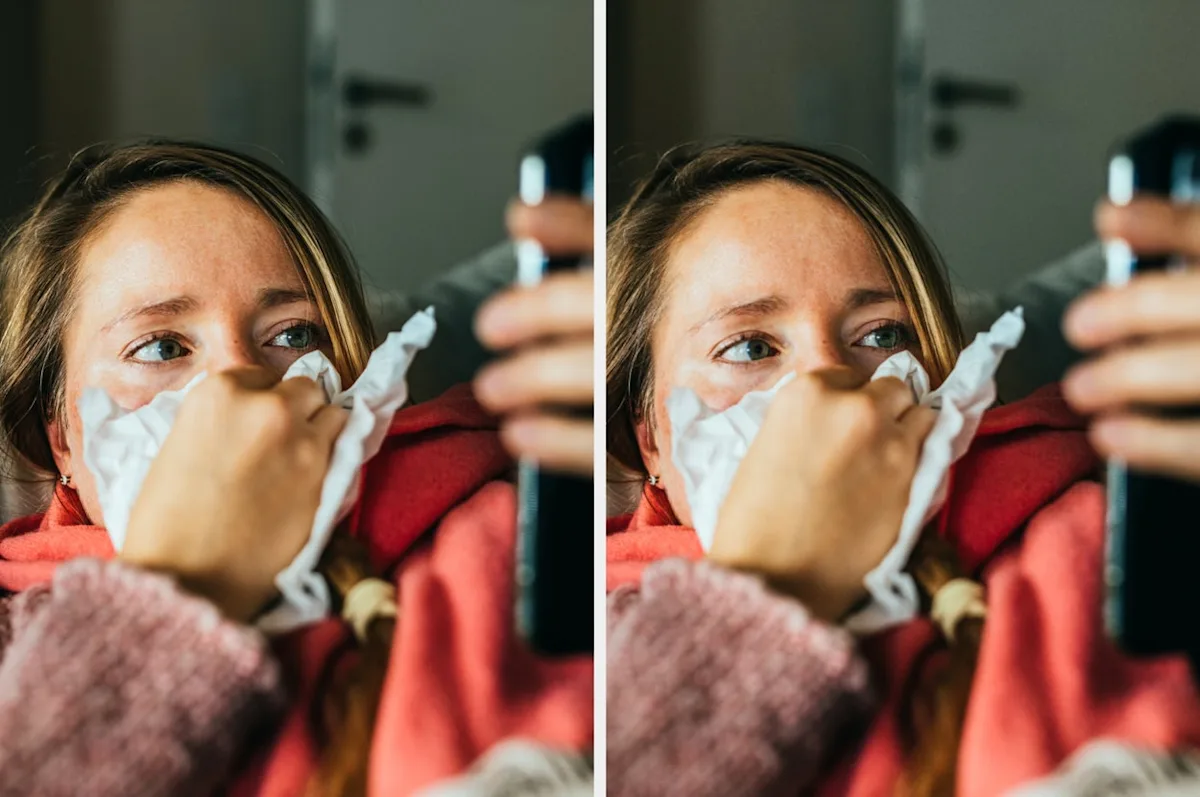
Banner Health has implemented a mandatory mask policy across all its facilities in six states due to a surge in seasonal influenza, particularly the H3N2 subvariant, to protect vulnerable populations like the elderly and immunocompromised. Masks are required for patients, visitors, and staff in areas with patients, with masks available at entrances, and additional health measures are encouraged to reduce flu transmission.
A study published in Science found that fears of a rebound in infectious diseases after COVID-19 lockdowns were largely unfounded, with airborne diseases like influenza slightly increasing but not offsetting the overall decline during the pandemic, and sexually transmitted infections remaining low post-pandemic, highlighting the complex effects of public health measures.
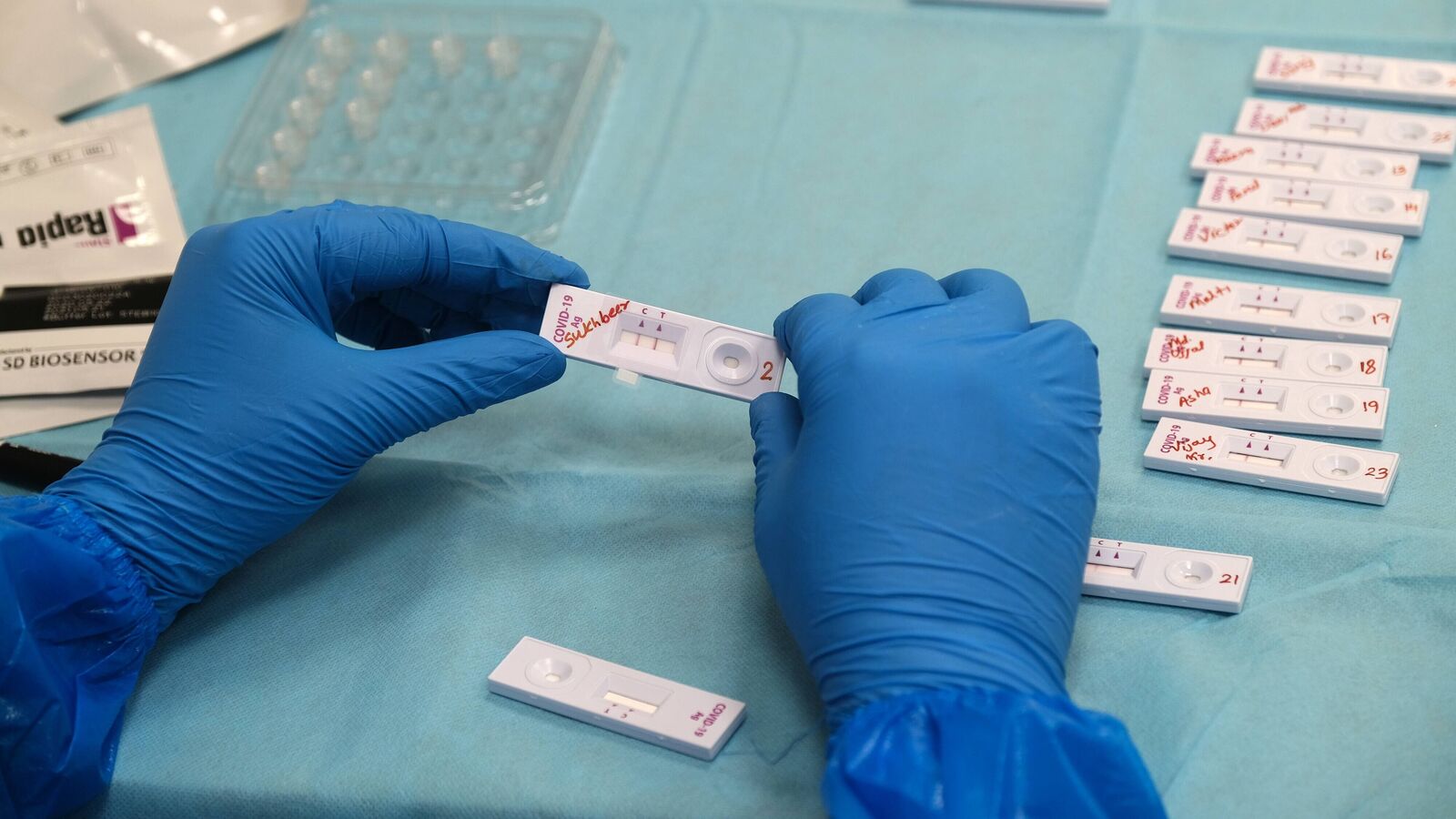
COVID-19 cases are rising again in the US, especially in Texas, California, Oregon, Nevada, and New Mexico, driven by new variants Stratus and Nimbus. Despite lower overall rates compared to previous peaks, the surge highlights the importance of precautions like testing, masking, and vaccination, particularly in high-risk regions. The situation underscores ongoing challenges in tracking and managing COVID-19, with recommendations for individuals to stay vigilant and protect themselves and others.
COVID-19 continues to surge each summer due to factors like travel, indoor gatherings, waning immunity, and virus mutations, with recent increases in California reflected in higher test positivity and emergency room visits, despite the pandemic's decline in public consciousness. Vaccination rates remain low, especially among younger populations, and health officials recommend staying up to date on vaccines, wearing masks in indoor public spaces, and practicing good hygiene to reduce risk.
Chikungunya virus is rapidly spreading across Chinese cities and has been reported in multiple countries worldwide. It is transmitted by mosquitoes, causing symptoms like fever and joint pain, but is not highly fatal. China is implementing strict measures, including quarantine and mosquito control, to contain the outbreak, which has affected thousands in China and is part of a broader global spread.
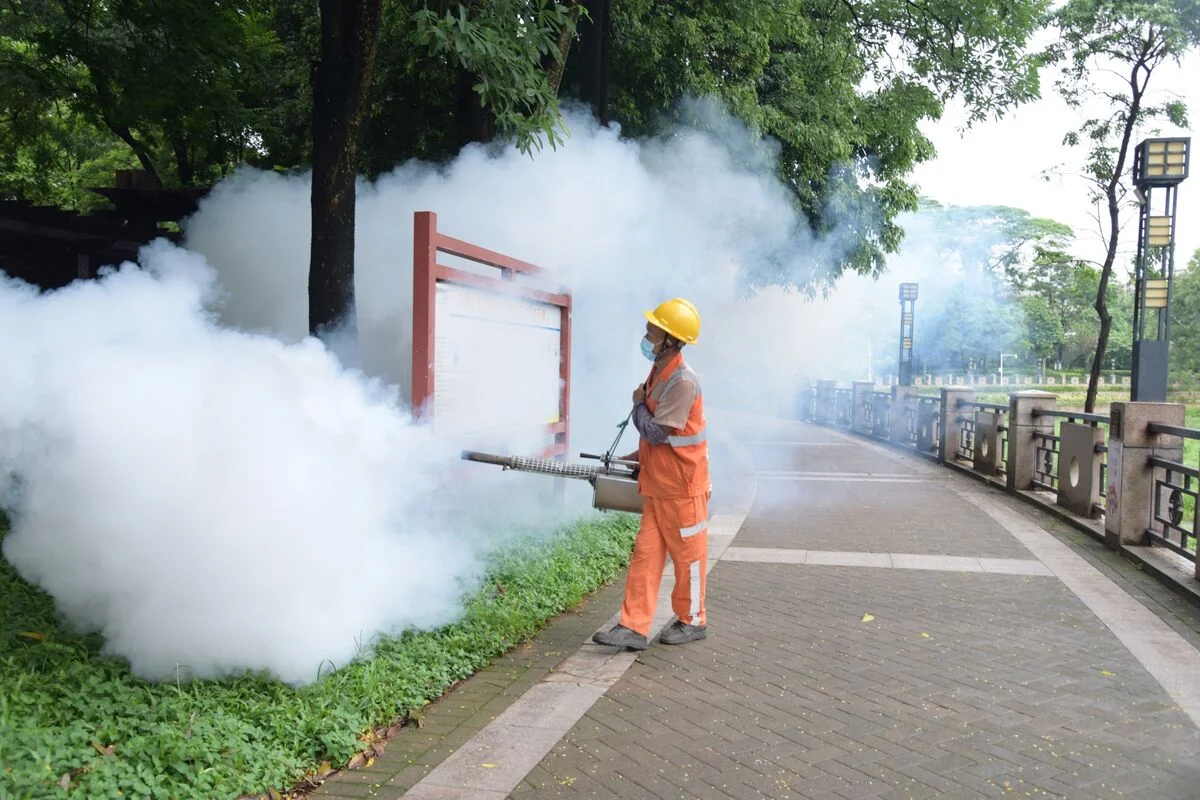
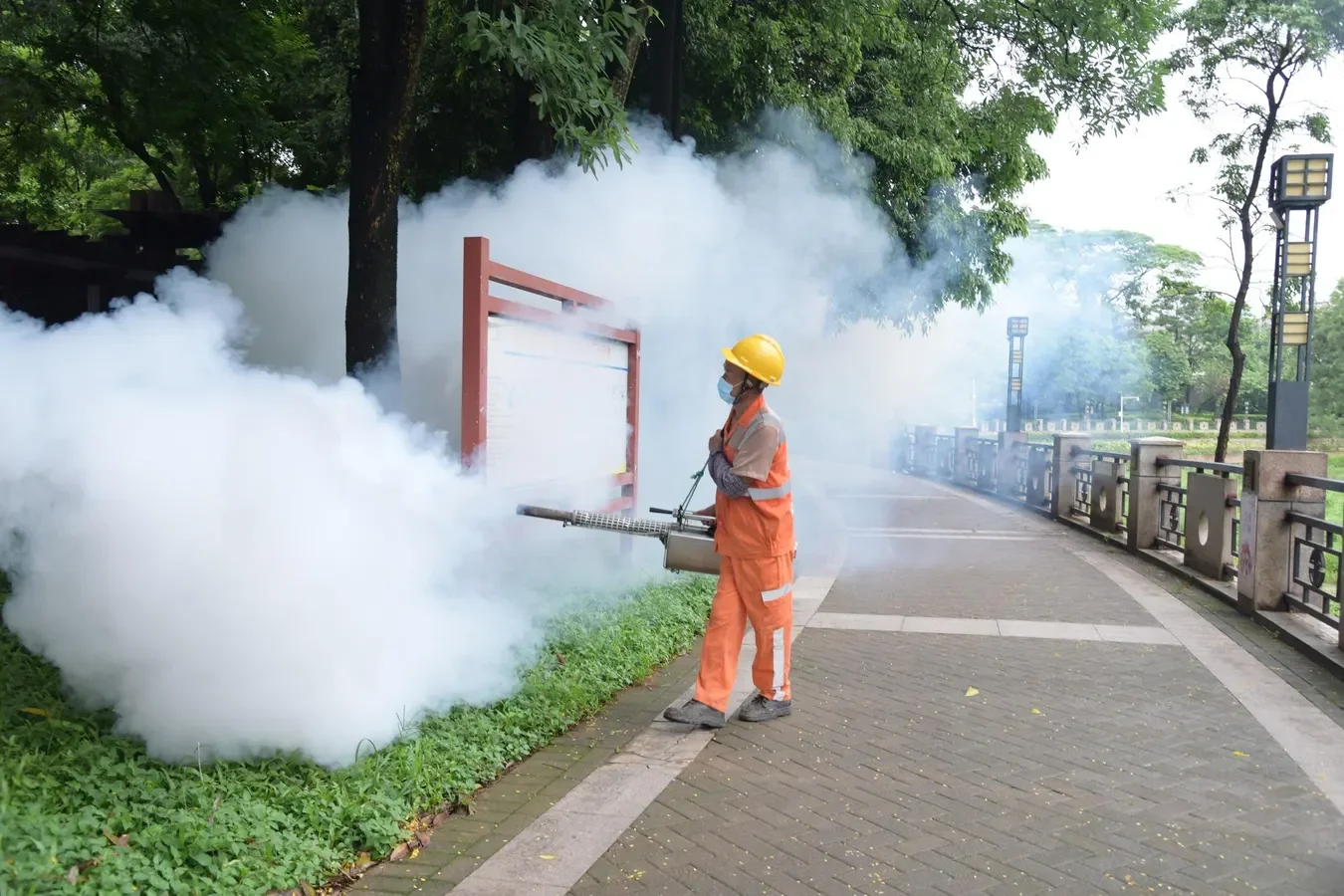
China is experiencing its largest chikungunya virus outbreak with over 7,700 cases, mainly in Foshan, prompting aggressive containment efforts including insecticide spraying, public health enforcement, and community engagement, amid concerns about the virus establishing itself locally for the first time.
China has reinstated some Covid-era health measures in Guangdong to control a chikungunya outbreak, including tracking medication purchases and community disinfection, amid social media criticism and concerns over the virus's spread through mosquito vectors, with neighboring cities implementing additional travel and health monitoring protocols.
A chikungunya virus outbreak has infected over 7,000 people across 13 cities in China's Guangdong province, prompting strict quarantine and mosquito control measures similar to COVID-19 protocols, despite the virus not being person-to-person transmissible. The virus, spread by infected mosquitoes, causes symptoms like joint pain and rash, and has a vaccine available in the US. Travel advisories have been issued for affected regions, with efforts underway to control mosquito populations and prevent further spread.
A comprehensive review involving almost 10 million people has found that ultra-processed foods (UPF) are directly linked to 32 harmful health effects, including an increased risk of heart disease, cancer, type 2 diabetes, adverse mental health, and early death. The study underscores the need for public health measures to target and reduce exposure to UPF, which now makes up more than half of the average diet in the UK and US. Experts are calling for action to address the harmful effects of UPF and are suggesting the development of a framework convention on ultra-processed foods similar to the framework on tobacco.
The Indian government has issued an advisory to all states to implement stricter public health measures in response to a rise in Covid-19 infections, particularly in Kerala. The advisory comes after the detection of the JN.1 variant, a sub-variant of Omicron with a high potential for evading immunity gained from vaccination or previous infection. The government has urged states to comply with operational guidelines for surveillance, increase testing, monitor and report illness cases, and send positive samples for genome sequencing. The WHO has classified JN.1 as a variant of interest.
Disabled and vulnerable individuals continue to face the consequences of the government's lack of official strategy and guidance on reducing Covid-19 transmission. Despite the increasing number of positive cases in England, there is a sense of denial and a desire to move on from the pandemic. Clinically vulnerable people are left without adequate protection, with limited access to vaccines and a lack of support. The abandonment of precautions in healthcare settings further endangers vulnerable patients. It is crucial to confront the virus and implement smart public health measures to protect vulnerable individuals and prevent further damage.
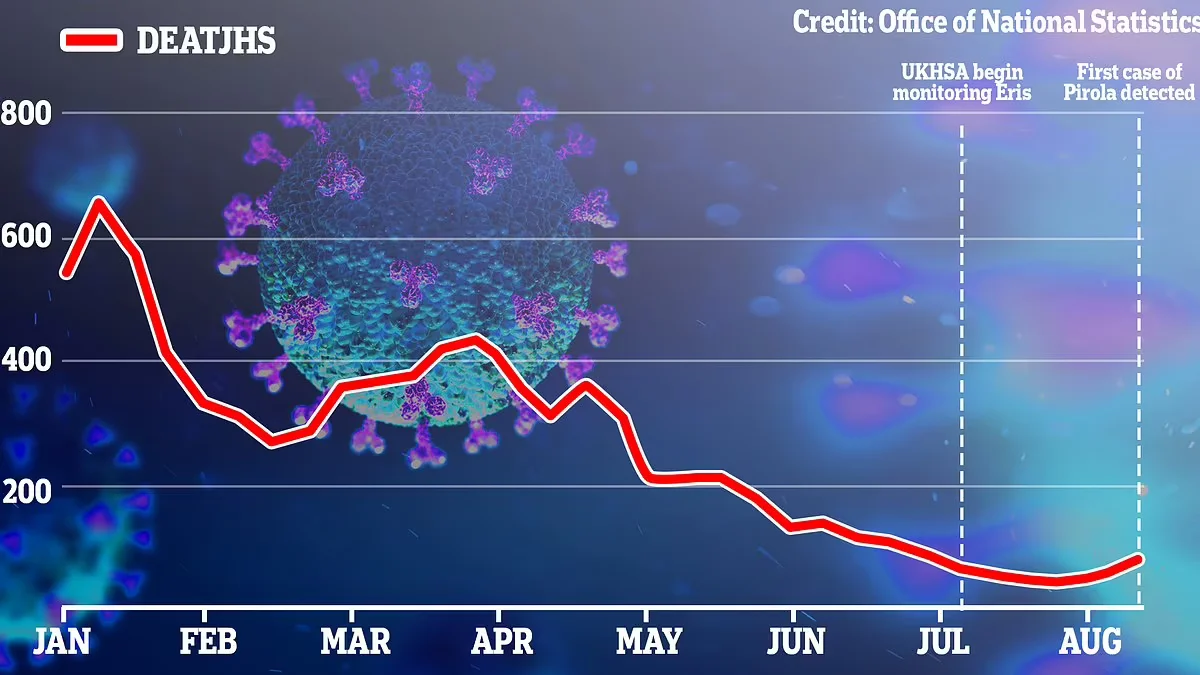
The number of COVID-19 deaths in England and Wales has surged by 57.4% in a week, with 74 deaths recorded in the seven days leading up to August 11. Scientists warn that this increase in deaths could indicate the spread of new virus variants and call for the reintroduction of pandemic mitigation measures such as mask-wearing and increased ventilation. The rise in deaths coincides with the emergence of the heavily-mutated Pirola variant, which has been detected in several countries. Experts emphasize the need for continued vigilance, especially as schools and workplaces reopen, and stress the importance of vaccination and public health measures to prevent further waves of infection.
Experts say the recent spike in invasive strep cases in Canada could be due to the removal of COVID-19 pandemic restrictions and a lack of immunity in children. Invasive group A streptococcus (iGAS) is less common but more severe than other types of streptococcus, and it can cause serious conditions, including meningitis and toxic shock syndrome. While Canadians don't need to "lose sleep" over the recent spike, they should stay informed and use common sense, such as practicing good hygiene and staying home if sick. If diagnosed, starting antibiotics early is advised.