Florida has banned public colleges from using state and federal funds for diversity, equity, and inclusion programs, as part of an anti-DEI bill signed into law by Gov. Ron DeSantis. The State Board of Education announced the new restrictions, which apply to 28 state schools within the Florida College System, and also removed a sociology course requirement, replacing it with a core course in American history. The move is part of DeSantis' broader campaign against "wokeness" and has sparked controversy and concerns about the impact on public education in Florida.
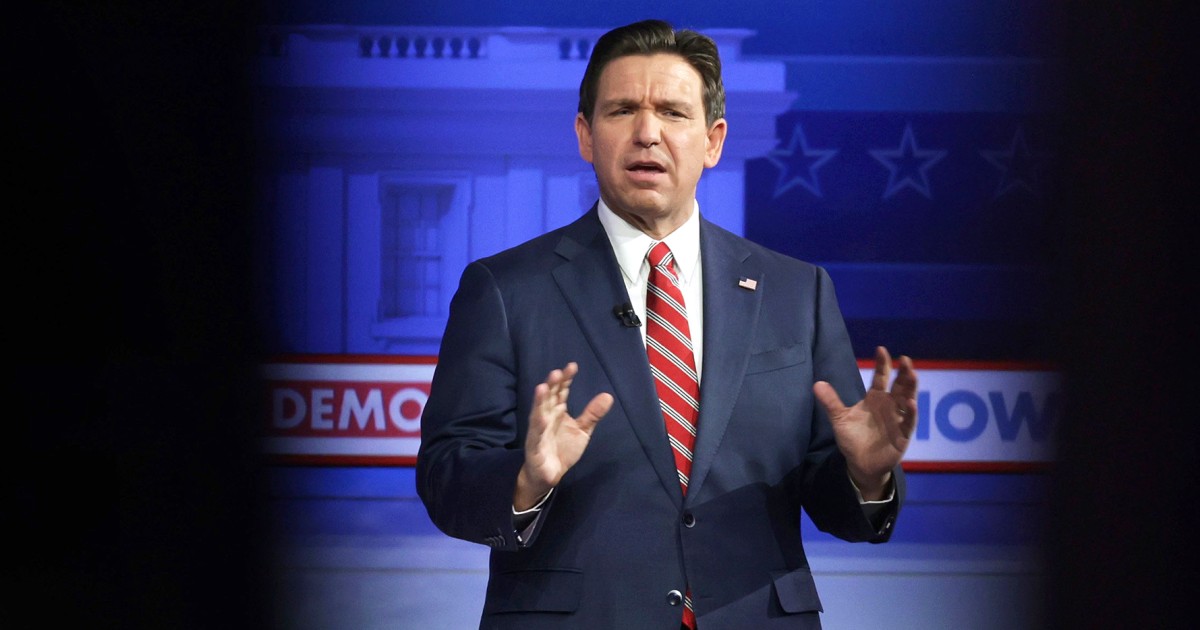
Florida's Board of Education has implemented a new rule prohibiting the use of state and federal funds for diversity, equity, and inclusion programs at public colleges in the state, aiming to prevent the promotion of what they consider "radical woke ideologies." This decision has sparked criticism from civil rights advocates and is part of a broader legislative effort to restrict DEI efforts in higher education, emphasizing the study of Western civilization and limiting the ways race and gender can be taught in classrooms.
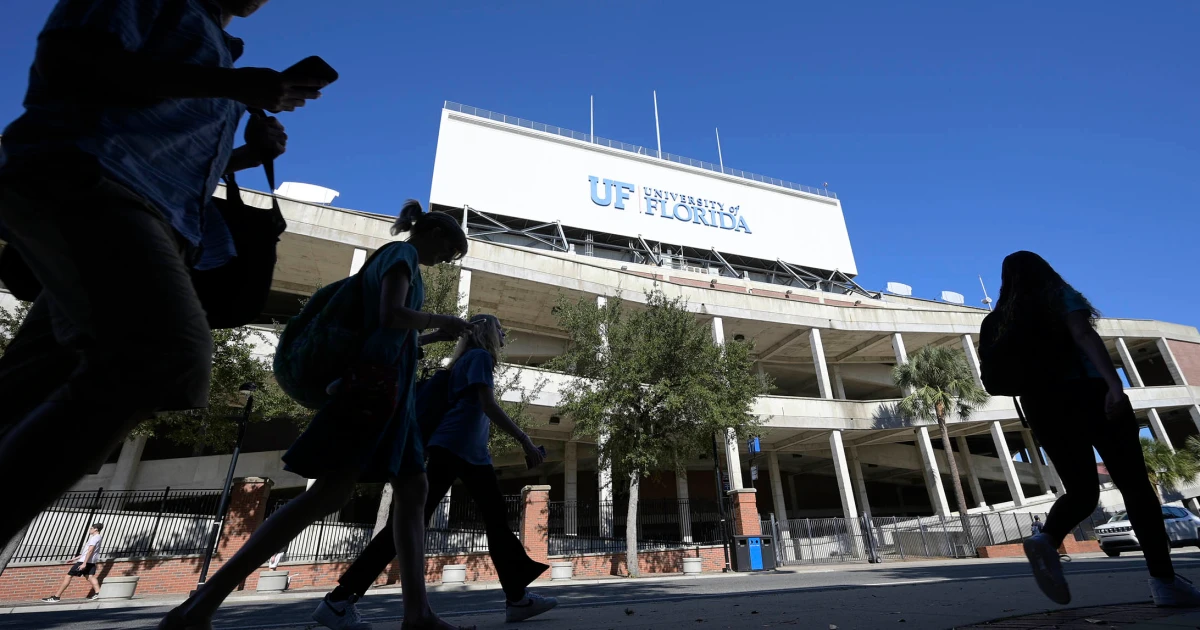
The Wall Street Journal has released its 2024 rankings of the best colleges and universities in the U.S., with a focus on public institutions. The University of Florida in Gainesville took the top spot among public schools, offering a low average net price and strong graduation rate. Other top-ranked public colleges include New Jersey Institute of Technology, University of Michigan, Florida International University, and University of Illinois Urbana-Champaign. The rankings considered factors such as student outcomes, learning environment, and diversity. Public colleges often provide more affordable options and access to research funding compared to private institutions.
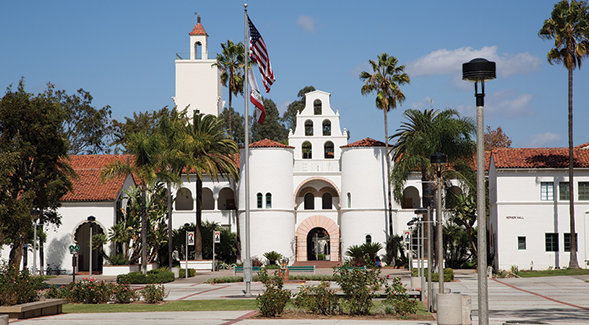
San Diego State University (SDSU) has been ranked No. 16 on Forbes' 2023 list of the Top 25 Public Colleges in the U.S. and No. 43 on the magazine's annual list of top 500 colleges. The rankings were determined based on factors such as graduation rates, graduate salaries, outcomes for low-income students, and return on investment. SDSU's rise in rankings reflects its commitment to providing a quality educational experience and creating opportunities for its students. The university has achieved milestones this year, including record research grant funding, approval for a new Doctor of Public Health program, and the opening of a Basic Needs Center. SDSU is the only university within the California State University (CSU) system to make the top 25 public colleges list.
Lawmakers in Minnesota have reached an agreement to provide free tuition to residents whose families earn less than $80,000 annually at public colleges starting in the 2024-2025 academic year. The program, called the "North Star Promise," would cost about $117 million in the first year, including startup costs, and $49.5 million annually thereafter. Eligible students must attend a two- or four-year school in the University of Minnesota or Minnesota State systems, or a tribal college, and meet certain academic and financial aid requirements. Private college tuition would not be covered.
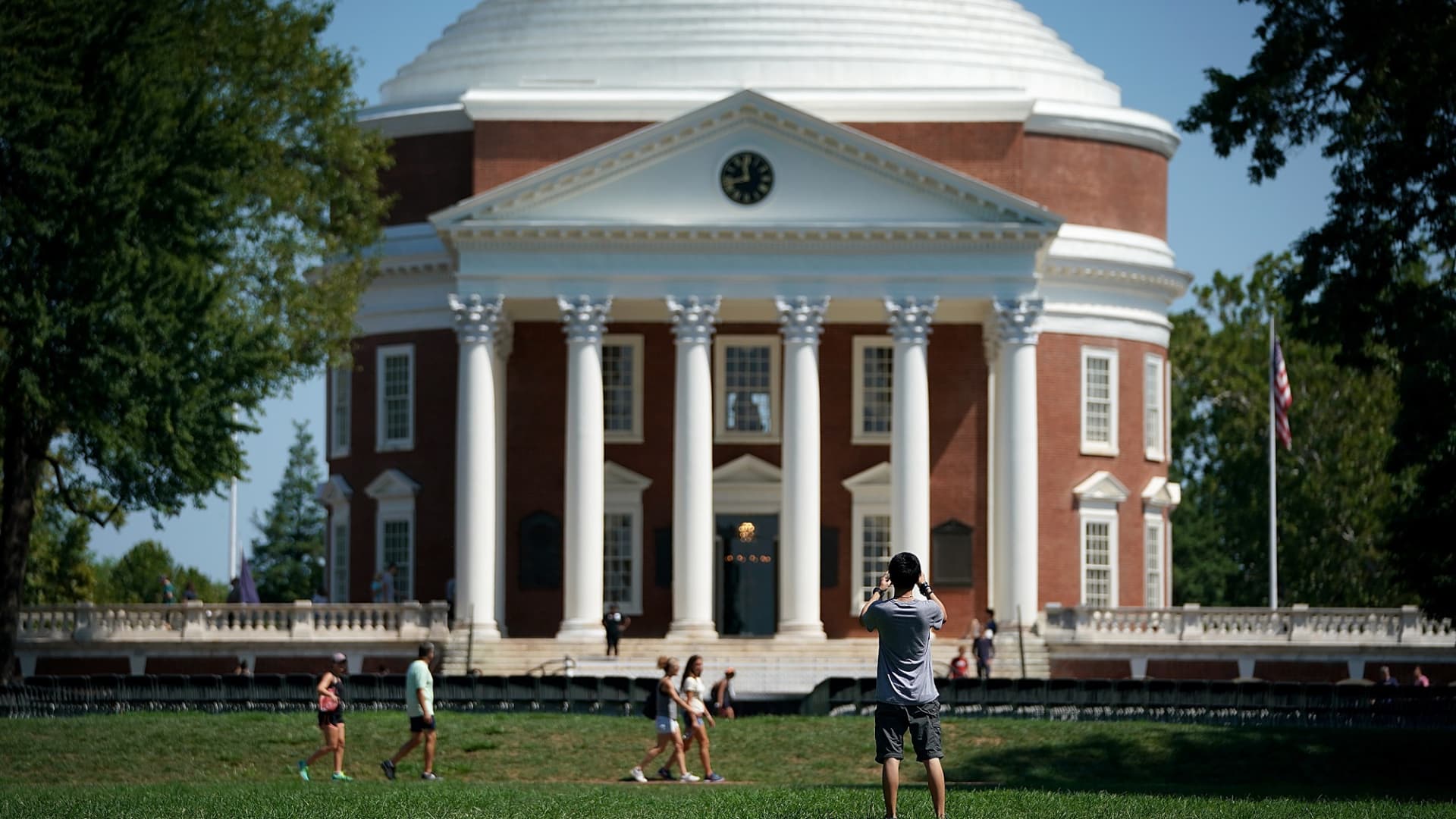
Most college-bound students and their parents now say affordability and dealing with the debt burden that often goes hand in hand with a college diploma is their top concern. A whopping 98% of families said financial aid would be necessary to pay for college, and 82% said it was "extremely" or "very" necessary. Private colleges like Vassar, Princeton, Yale, Pomona, and Vanderbilt offer generous financial aid packages, while public colleges like University of Virginia, University of North Carolina at Chapel Hill, Truman State University, New College of Florida, and City University of New York - Hunter College also provide significant need-based scholarships.