
Tag

Protosterol Biota

All articles tagged with #protosterol biota

"Discovery of 1.6 Billion-Year-Old Fossils Suggests Lost World of Ancient Life"
science2 years ago

"Discovery of 1.6 Billion-Year-Old Fossils Suggests Lost World of Ancient Life"

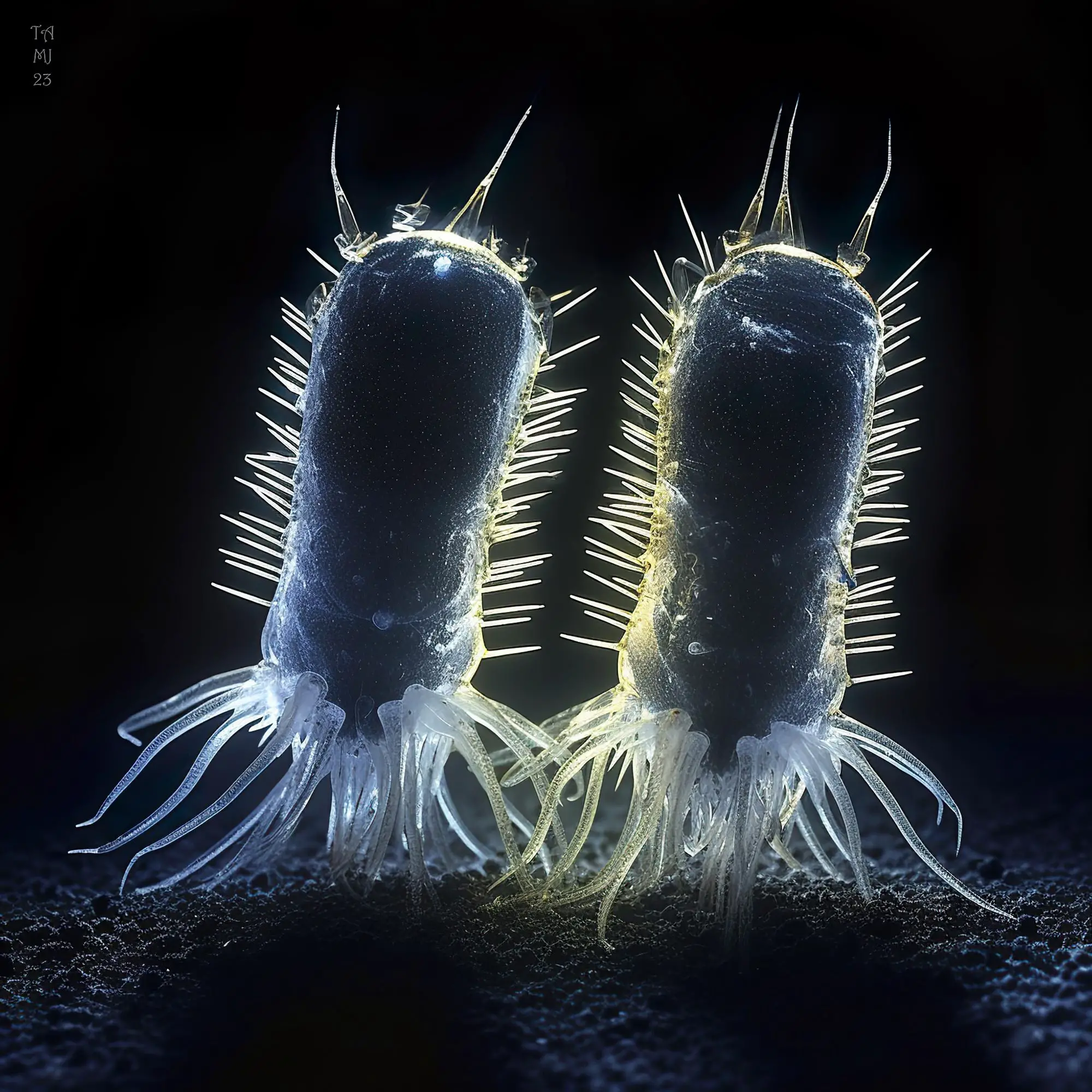
Researchers have discovered 1.6 billion-year-old eukaryotic organisms, the Protosterol Biota, believed to be Earth’s first predators. These ancient creatures, found through fossil fat molecules in ancient rocks, were more complex than bacteria, predating and likely shaping early marine ecosystems. The discovery challenges previous theories of a predominantly bacterial ancient ocean. The Protosterol Biota lived at least one billion years before any animal or plant emerged and were abundant in marine ecosystems across the world, probably shaping ecosystems for much of Earth’s history.
"Protosterol biota" sheds light on complex life evolution gap
science2 years ago

"Protosterol biota" sheds light on complex life evolution gap

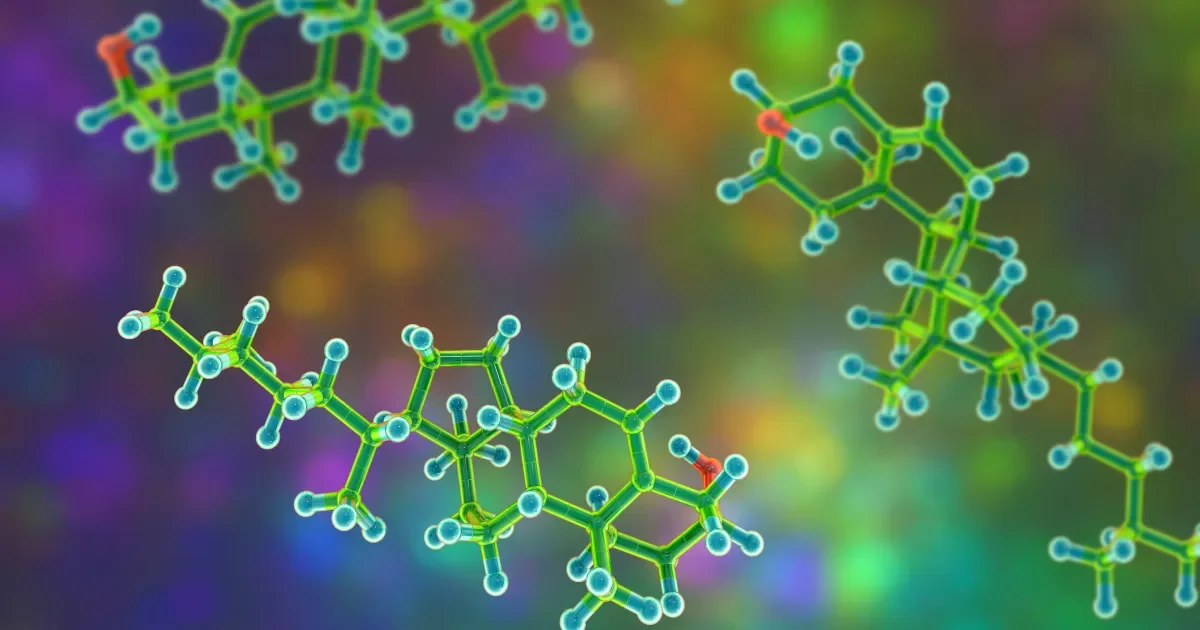
Scientists from the Australian National University have discovered evidence of "protosterol biota," a type of stem-eukaryote that lacked a complete sterol biosynthetic pathway but possessed the eukaryotic body form. These organisms may have acted as the world's earliest predators, possibly hunting bacteria. The discovery of protosterol biota allowed the researchers to put forth a theory describing the fate of eukaryotic life between 1.6 billion and 800 million years ago. The Earth between 1.6 billion and 800 million years ago was a less hospitable place for crown eukaryotes, leading to a parallel existence spanning several hundred million years, with crown eukaryotes found mainly on land and protosterol biota mainly in the oceans.

Uncovering a Billion-Year-Old Lost World of Life on Earth.
science2 years ago

Uncovering a Billion-Year-Old Lost World of Life on Earth.

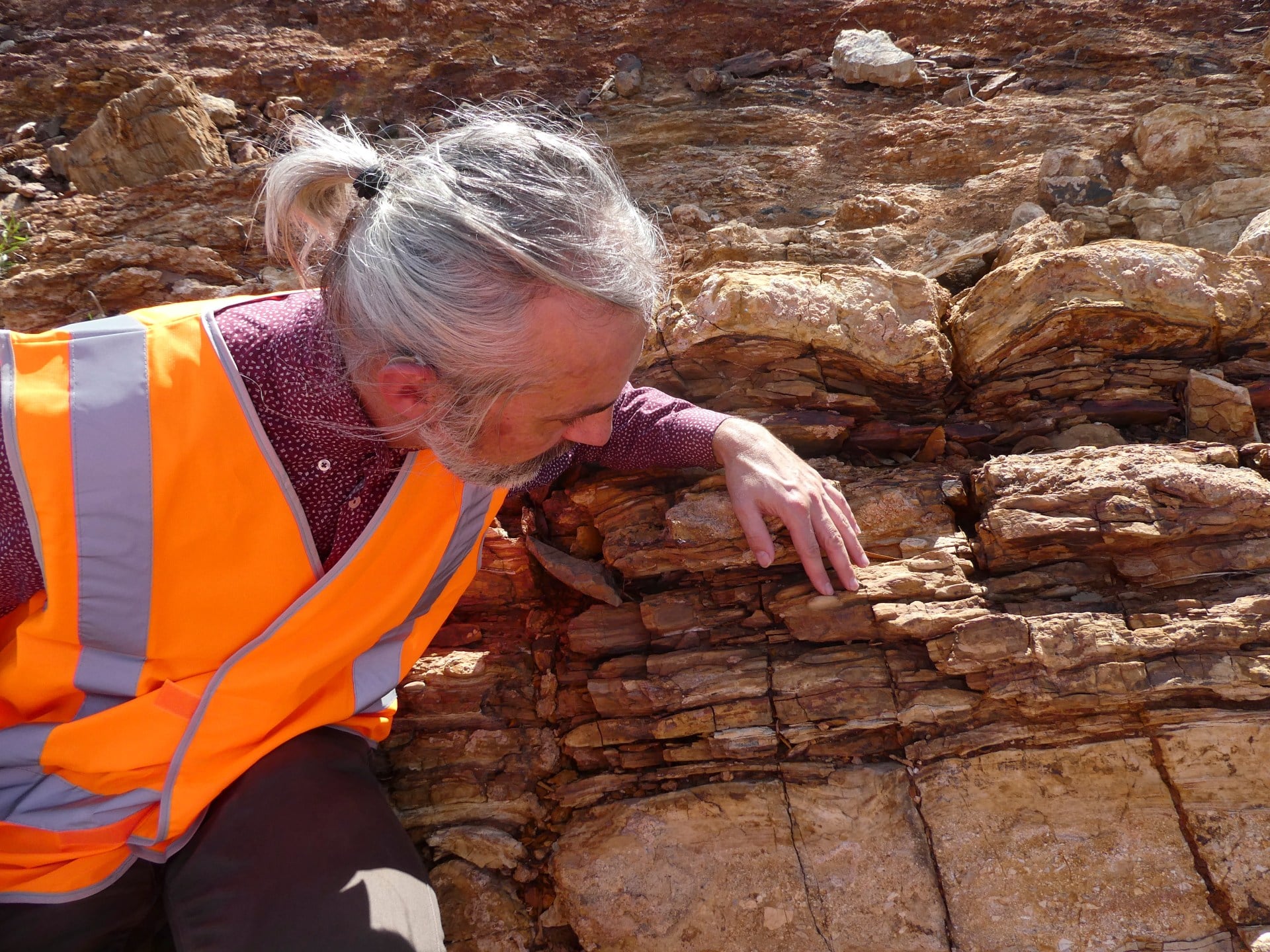
Scientists have discovered ancient organisms called Protosterol Biota in billion-year-old rocks from northern Australia, which could be the oldest remnants of human lineage. These microscopic creatures are part of a family of organisms called eukaryotes and lived in Earth’s waterways about 1.6 billion years ago. The discovery of the Protosterol Biota is the result of 10 years of work by researchers from the Australian National University and was published in Nature. The researchers found that the molecules had a primordial chemical structure that hinted at the existence of early complex creatures that evolved before the last eukaryotic common ancestors (LECA) and had since gone extinct.