Scientists have successfully extracted ancient proteins from a 24 million-year-old rhino fossil, demonstrating the potential of paleoproteomics to study fossils beyond the reach of ancient DNA, and suggesting that retrieving proteins from dinosaur fossils might be possible in the future.
Scientists have extracted the oldest animal proteins from 18 to 24 million-year-old fossils, using dental enamel to preserve these molecules in harsh environments, significantly extending the known age range for recoverable ancient proteins and opening new avenues for studying deep evolutionary history.
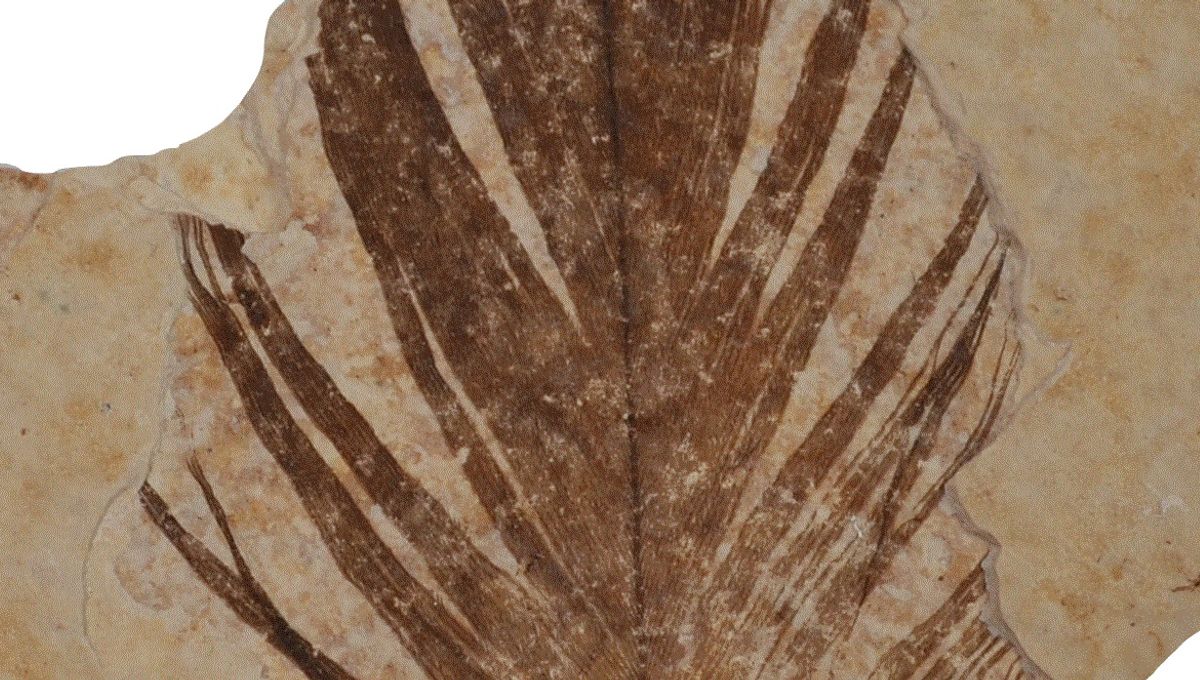
A study conducted by scientists from University College Cork, Linyi University, and the Stanford Synchrotron Radiation Light Source has revealed that the protein composition of dinosaur feathers is similar to that of modern birds, suggesting that the modern feather may have evolved much earlier than previously thought. By analyzing 125-million-year-old fossil feathers, the researchers found traces of beta-keratin, indicating that alpha-keratin was likely formed through degradation during the fossilization process. The study also highlights the need for a more holistic analysis of ancient fossils and their biomolecules, as well as the development of new tools to understand the chemical secrets of fossils.