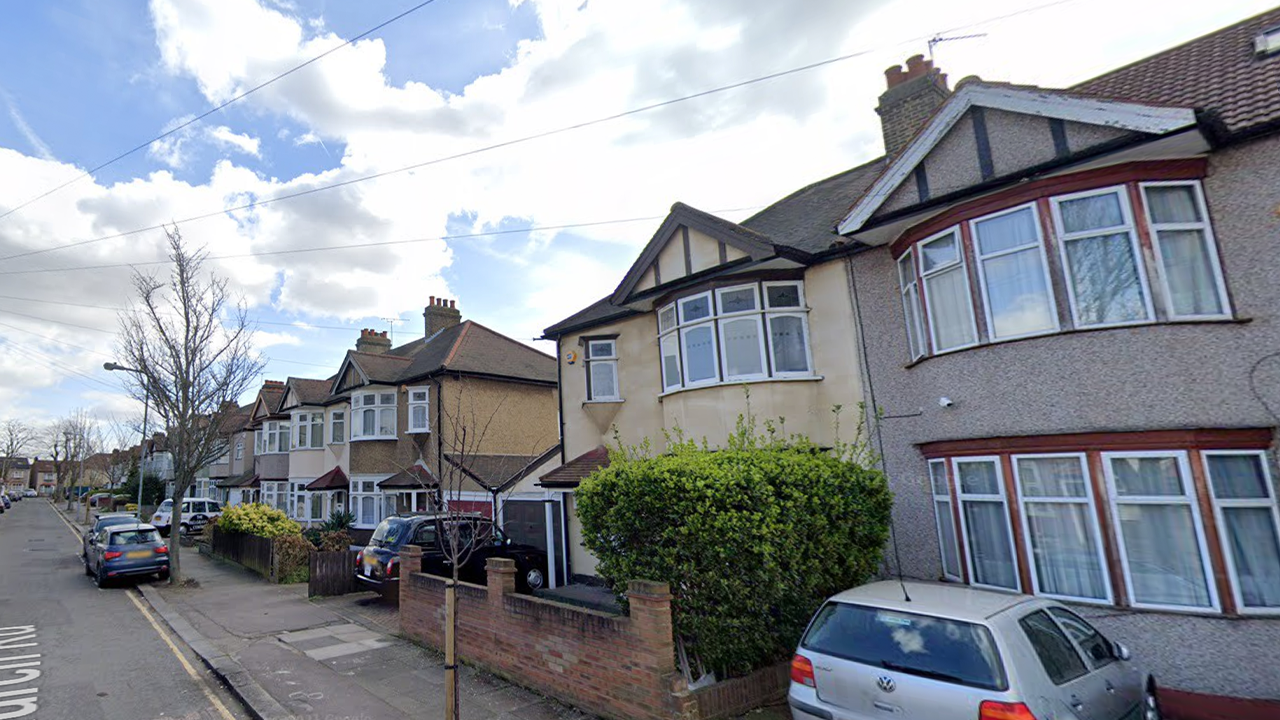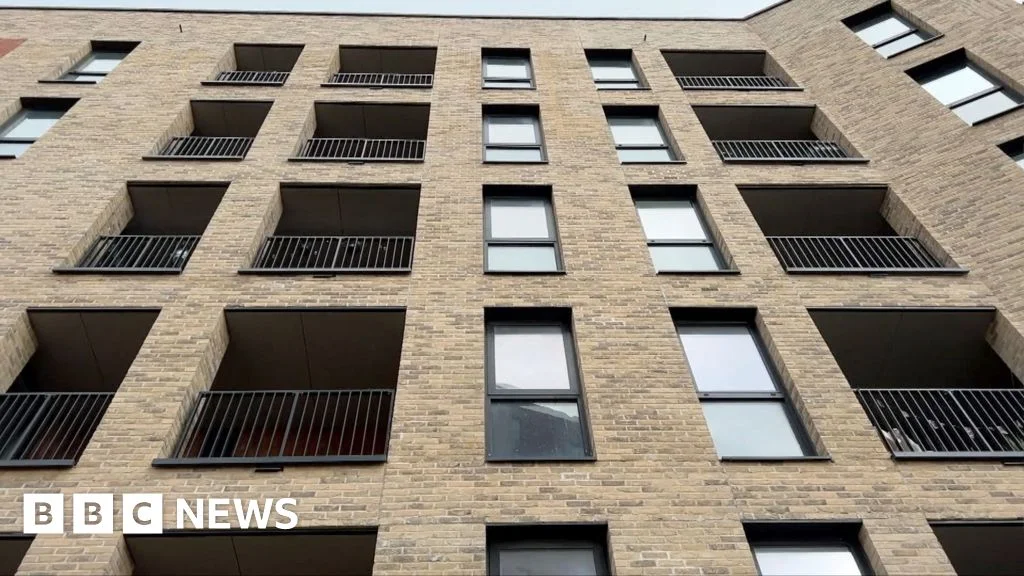
A group of wealthy landowners and charities are challenging the UK's 2024 leasehold and freehold reform laws in the High Court, arguing they violate human rights and could lead to significant financial losses, while leaseholders fear delays in beneficial reforms. The case highlights ongoing disputes over property rights, compensation, and the future of leasehold systems in England.
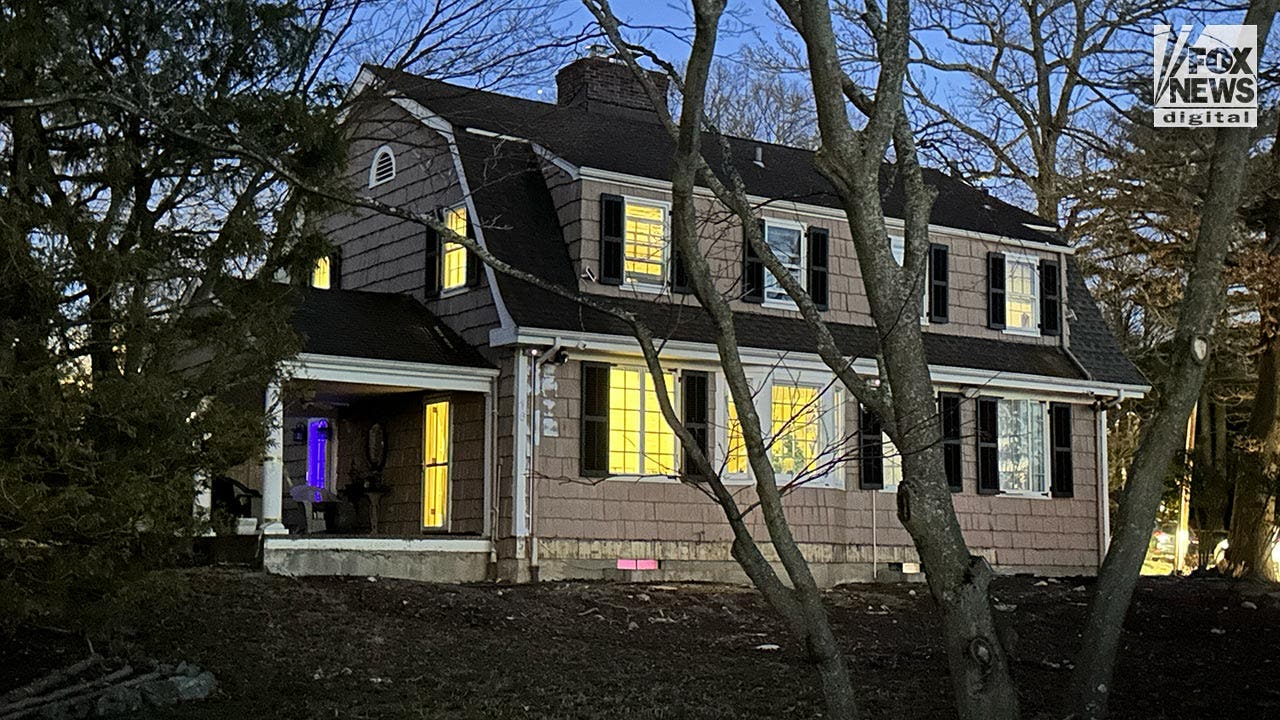
A family of interior designers in Queens, New York, purchased a $2 million house next door to their own, only to find a former caretaker, Brett Flores, squatting in the property after the previous owner's death. The family is now embroiled in a legal battle to evict Flores, who has filed for bankruptcy in an attempt to delay eviction. The family's lawyer argues that Flores has no legal basis for occupancy, but the situation has caused tension in the affluent neighborhood, with residents expressing surprise at the presence of a squatter in their midst.
Leasehold property owners in the UK, like Liz Winstanley and Anna, are facing challenges with poor communication, inadequate repairs, and unjustified service charges. The government is debating the Leasehold and Freehold (Reform) Bill to address these issues, aiming to provide greater transparency for service charges and make new leases a standard 990 years. However, campaigners argue that the proposed reforms don't go far enough and call for the complete abolition of the leasehold system in favor of commonhold, giving flat owners more control over their buildings.
The 11th U.S. Circuit Court of Appeals has blocked Florida from enforcing a law that prohibits Chinese citizens from owning property in the state, stating that the individuals challenging the law are likely to prevail in their claims that it violates federal real estate purchase laws. The law, signed by Republican Gov. Ron DeSantis, also restricts citizens of other countries from owning property near certain infrastructure. The court's decision has implications for similar proposed laws in other states and has drawn criticism for targeting specific nationalities.
A man in the UK, who gained legal ownership of a retiree's empty home in London under an ancient Roman law, has sold the property for a significant profit. The man, Keith Best, took over the property in 1997 and became its legal owner after filing for adverse possession. Despite a counter-claim by the original owner, the court ruled in Best's favor. He recently sold the property for £540,000, making a profit of £140,000. The new owner, Atiq Hayat, was unaware of the property's legal history and questioned the court's decision.
The new Sims 4 expansion pack, "For Rent," allows players to become landlords and earn money by owning and renting out properties. The pack introduces Residential Rentals, including duplexes and townhomes, expanding on the previous apartment feature. The expansion also offers a Southeast Asian-inspired world, Night Markets, Pool Parties, new decor, activities, and even a new death option. "For Rent" will be available on various platforms starting December 7th.
A federal judge has ruled that a Florida law restricting property ownership for citizens of China and six other countries will remain active while it is being challenged in court. The law, signed by Governor Ron DeSantis earlier this summer, prevents individuals associated with the Chinese government, political parties, business organizations, and non-U.S. citizens or legal permanent residents domiciled in China from buying property in Florida. It also limits property ownership for individuals from Russia, Iran, Korea, Cuba, Venezuela, and Syria. The American Civil Liberties Union (ACLU) plans to appeal the decision, arguing that the law legitimizes and expands housing discrimination. The U.S. Department of Justice has stated that the law likely violates the Fair Housing Act and the Equal Protection Clause of the 14th Amendment.
A U.S. judge in Florida has refused to block a state law that prohibits citizens of China and other "countries of concern" from owning homes or land in the state. The judge ruled that the ban, which is based on citizenship rather than race or national origin, is likely constitutional and does not violate housing discrimination laws. The decision came in response to a lawsuit filed by four Chinese nationals who sought to block the law. The American Civil Liberties Union (ACLU), representing the plaintiffs, plans to appeal the ruling. The law, signed by Republican Governor Ron DeSantis, aims to protect Americans from the influence of the Chinese Communist Party. The Biden administration has previously argued that the law violates the Fair Housing Act.
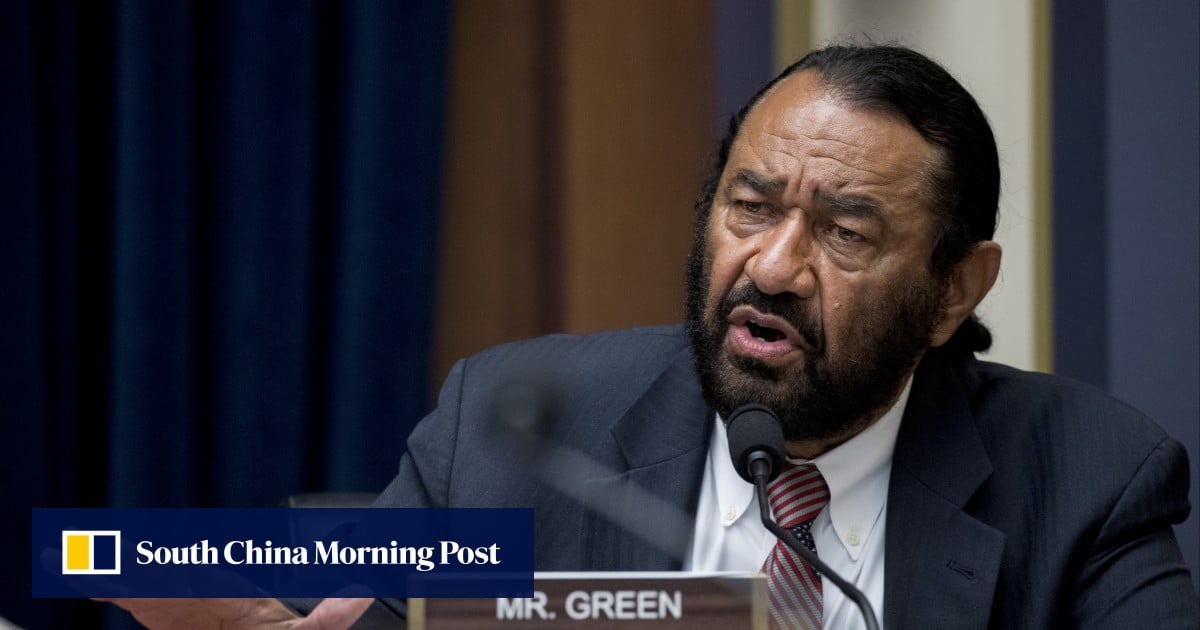
Two Democratic congressmen have proposed a bill that would pre-empt any US state or territory from restricting property ownership based on citizenship. The legislation aims to make it easier for individuals who claim harm to prove standing in federal court. Democratic congressman Al Green of Texas argues that state laws like Florida's that restrict property ownership of certain foreign nationals exacerbate hostility towards ethnic minorities.
Last Week Tonight host John Oliver criticized the private governing structure of homeowners associations (HOAs) in the US, which collect dues to manage amenities and enforce architectural and landscaping guidelines. HOAs can enforce fines and even foreclose on homes, and are largely unregulated, with disputes considered private matters. Oliver suggested measures such as mandating HOAs offer payment plans on unpaid debt before taking legal action and banning foreclosures based on fines and attorneys fees.
Jacob Garlick, who won the bid to acquire the Flatiron Building for $190 million, failed to come up with the required deposit of $19 million by the deadline, putting his future ownership of the property in question. The second-highest bidder, a group led by GFP Real Estate’s Jeffrey Gural, has the option to purchase the property at their last bid of $189.5 million. However, Gural has stated that he will not exercise his option, meaning the property is likely to head back to the auction block. Garlick's firm, Abraham Trust, invests in private equity buyouts, mergers and acquisitions, and venture capital.
Homeowners across the US are facing lengthy and expensive legal battles to regain control of their properties from squatters. Real estate lawyer Jim Burling warns that any unoccupied home can be a target for squatters, who can take over a property and claim to have signed a lease and paid rent. The police are unable to determine who is telling the truth, and the court process can take six months or longer. Squatting has also been an issue in the Pacific Northwest, where the homeless crisis has resulted in encampments on abandoned properties.