Walmart's stock fell nearly 3% after missing quarterly profit expectations despite strong sales growth and improved margins, leading the company to raise its full-year earnings and sales guidance.
Lockheed Martin's stock dropped over 7% after reporting a significant profit miss and $1.6 billion in losses related to its legacy defense programs, compounded by challenges in its classified aeronautics projects and revised earnings outlook for 2025.
Hasbro's stock plunged 11.9% after reporting fourth-quarter results that fell short of expectations, with net losses widening to $1.06 billion and revenue dropping 23.2% to $1.29 billion. The company expects declines in 2024 revenue for both the Consumer Products and Wizards of the Coast business segments, contributing to a downbeat sales outlook. Inventory was halved, and the stock is on track to suffer its biggest one-day decline since March 2020.
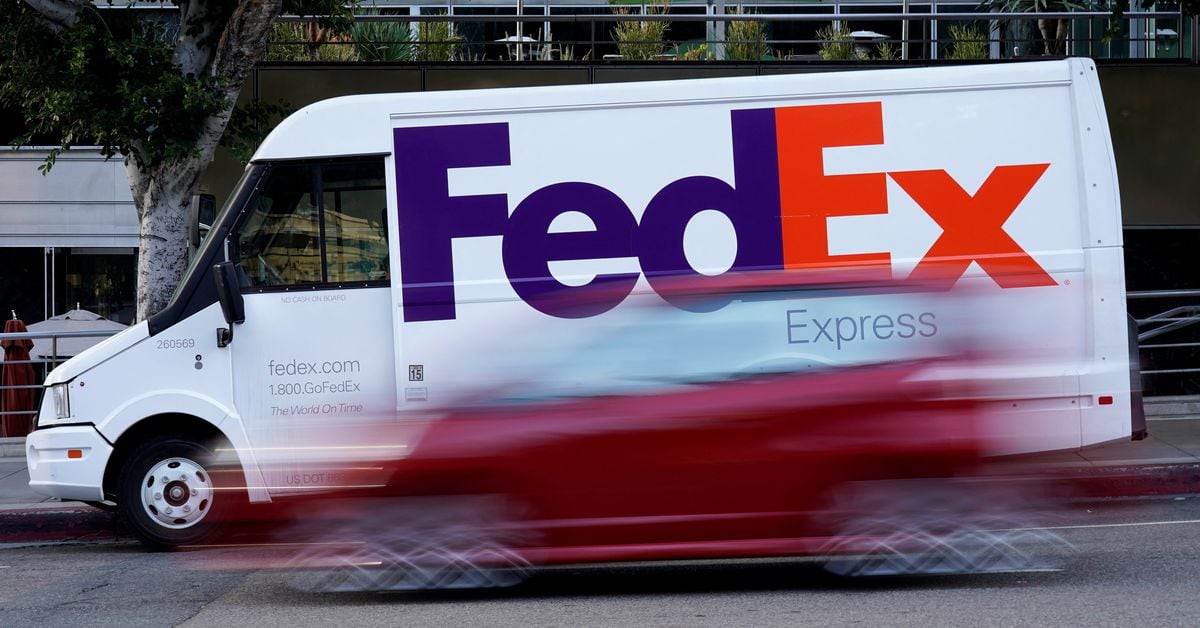
FedEx reported quarterly profit that fell short of analysts' expectations and cut its full-year revenue forecast due to a drop in demand from the U.S. Postal Service, causing shares to plummet by 9.8%. The company's adjusted earnings for the quarter increased by 23%, but still missed estimates. FedEx expects revenue to continue declining due to volatile macroeconomic conditions. The company plans to repurchase $1 billion of common stock in an effort to improve profitability. Operating income at the air-based Express unit dropped by 60% due to reduced volume from the U.S. Postal Service, while the Ground division saw a 51% increase in operating income.
Chevron's post-earnings selloff caused a $6.5 billion reduction in the value of its all-stock offer for Hess Corp. The slump in Chevron's stock price was due to a significant profit miss, primarily driven by weak overseas refining results. As a result, the deal premium for Hess investors decreased from 10% to 3.1%. However, the deal is not at risk, and once finalized, Hess investors will have a liquid stock supported by a strong buy-back program.
Nike's stock slid about 3% after the company reported lower-than-expected profits for the fourth quarter, despite sales that exceeded Wall Street expectations. The decline in profits was attributed to higher product input costs, elevated freight and logistics costs, higher markdowns, and unfavorable changes in net foreign currency exchange rates. Gross margins also fell to 43.6% from 45% in the previous year. However, Nike showed signs of recovery in Greater China, with sales surpassing analyst expectations and inventories remaining stable.
Nike's stock slid about 3% after the company reported lower-than-expected profits for the fourth quarter, despite sales that surpassed Wall Street expectations. The decline in profits was attributed to higher product input costs, elevated freight and logistics costs, higher markdowns, and unfavorable changes in net foreign currency exchange rates. Gross margins also fell compared to the previous year. However, Nike showed signs of recovery in Greater China, with sales exceeding analyst expectations and inventories remaining stable.