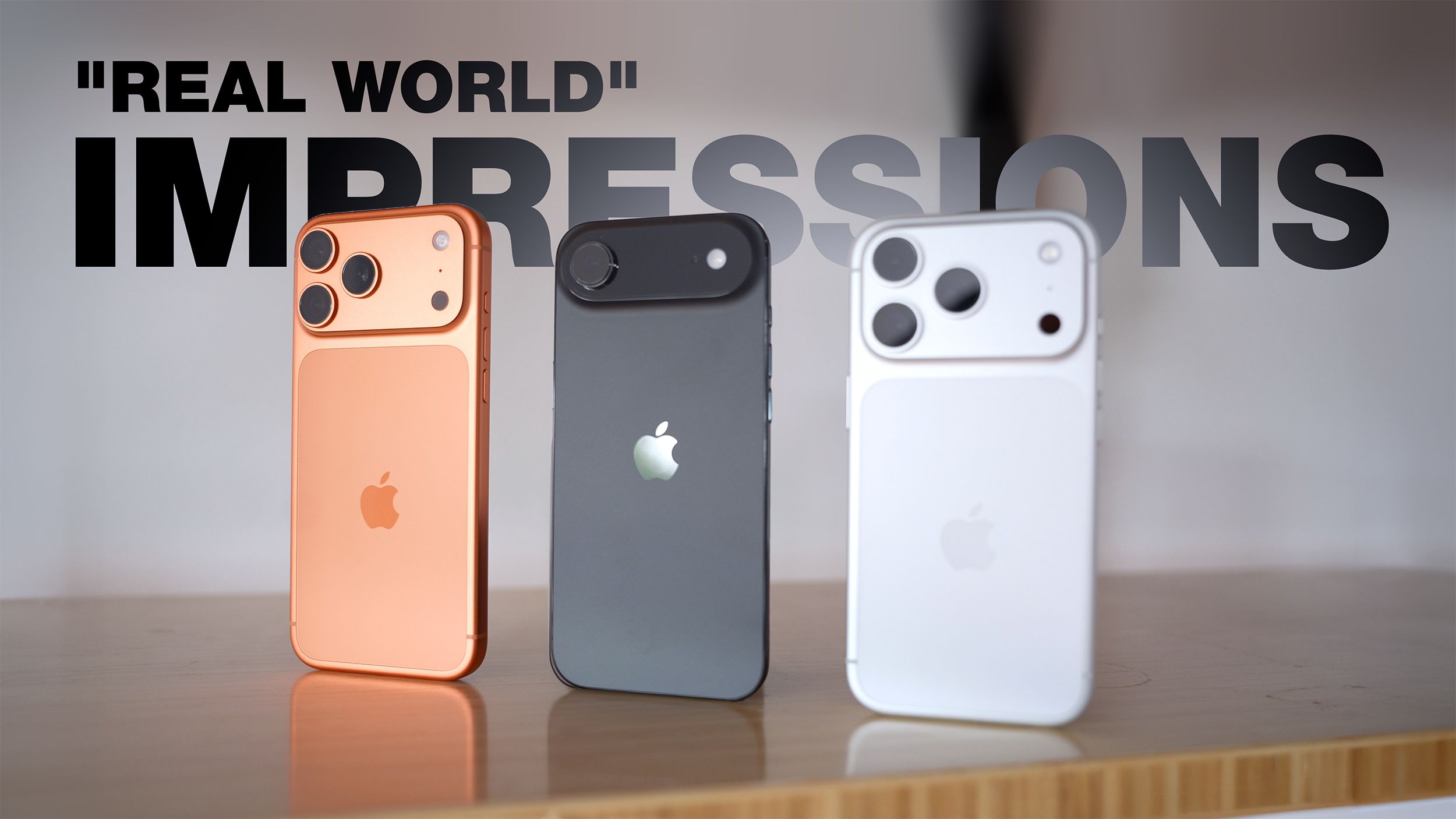
The iPhone 17 lineup, including the ultra-thin iPhone Air and the more robust Pro models, has been released, showcasing new designs, improved performance, and camera features, with notable changes like a camera plateau and new cooling systems. The iPhone Air is praised for its thinness and performance, while the Pro models feature a larger camera bump, new colors, and enhanced thermal management. Early impressions highlight design and durability concerns, especially scratches on darker finishes, and the upcoming iOS 26.0.1 update aims to address some issues.
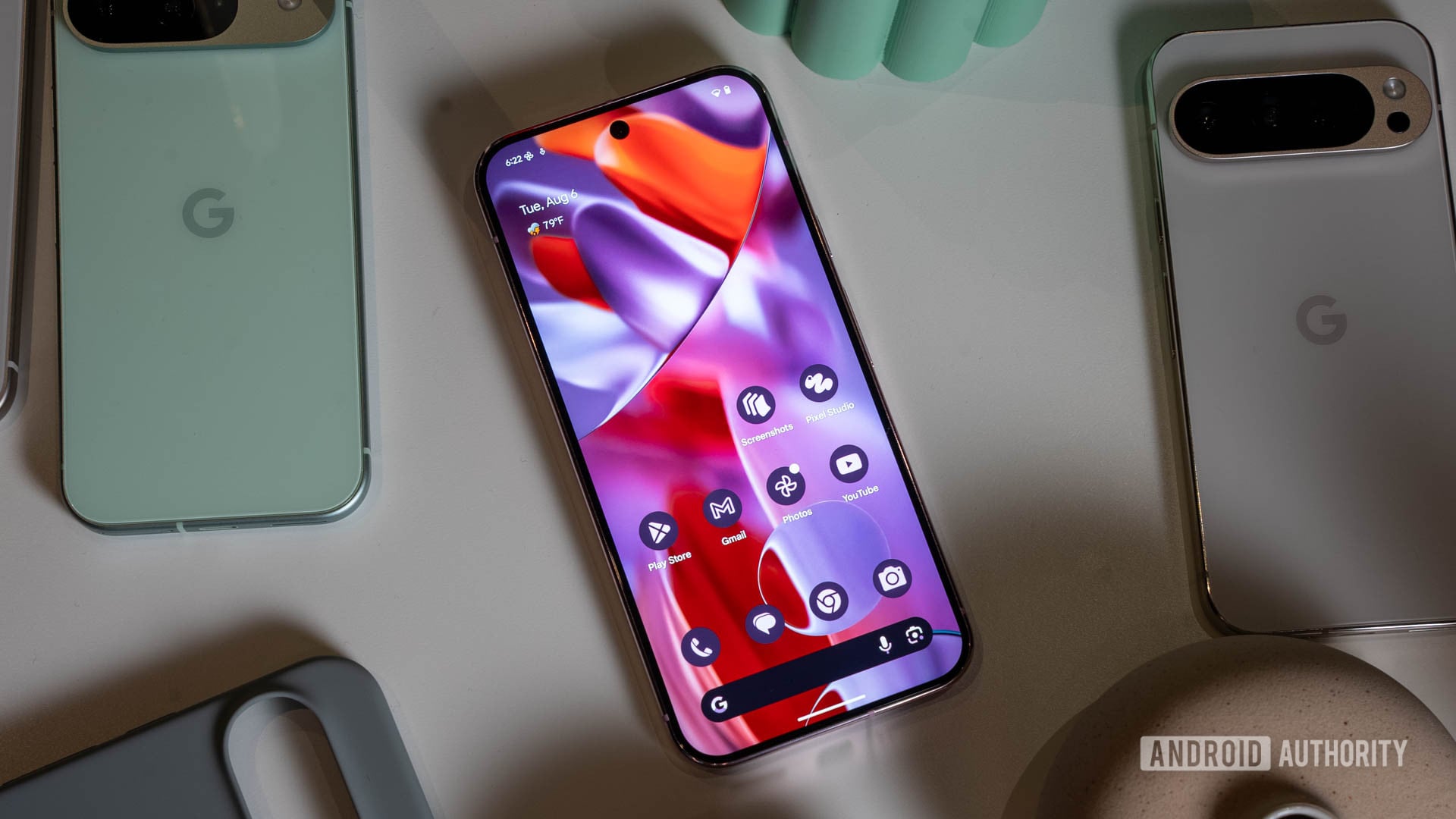
Google's Pixel 10 Pro and Pro XL are expected to feature a higher PWM dimming frequency of 480Hz, which could reduce eye strain, unlike the regular Pixel 10 and Fold models that may stick to 240Hz. The displays will also be brighter by about 200 nits, continuing Google's trend of upgrading display quality, but these improvements might be exclusive to the Pro series.
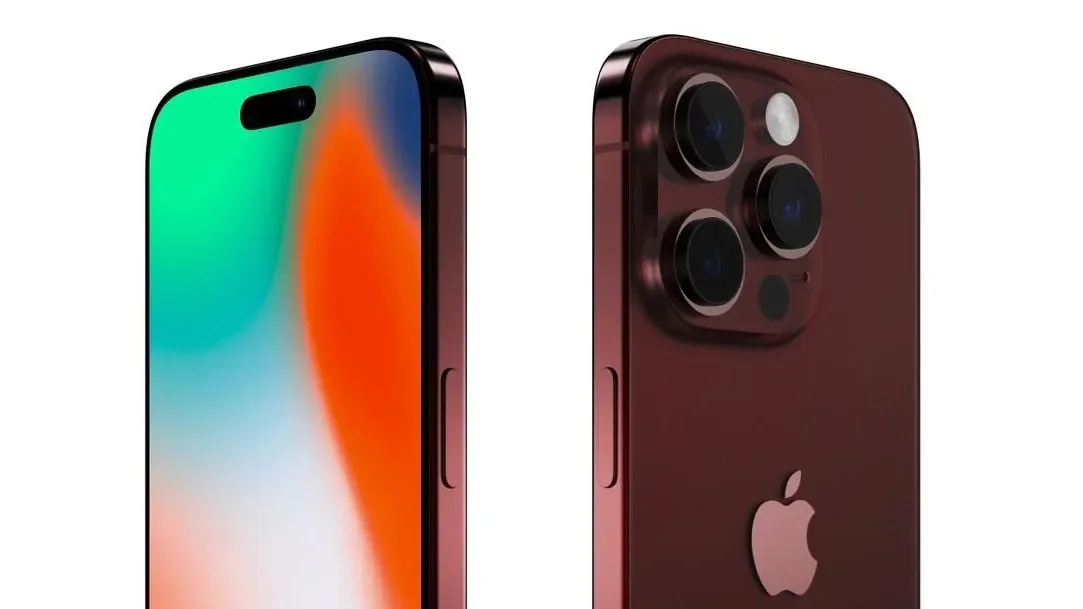
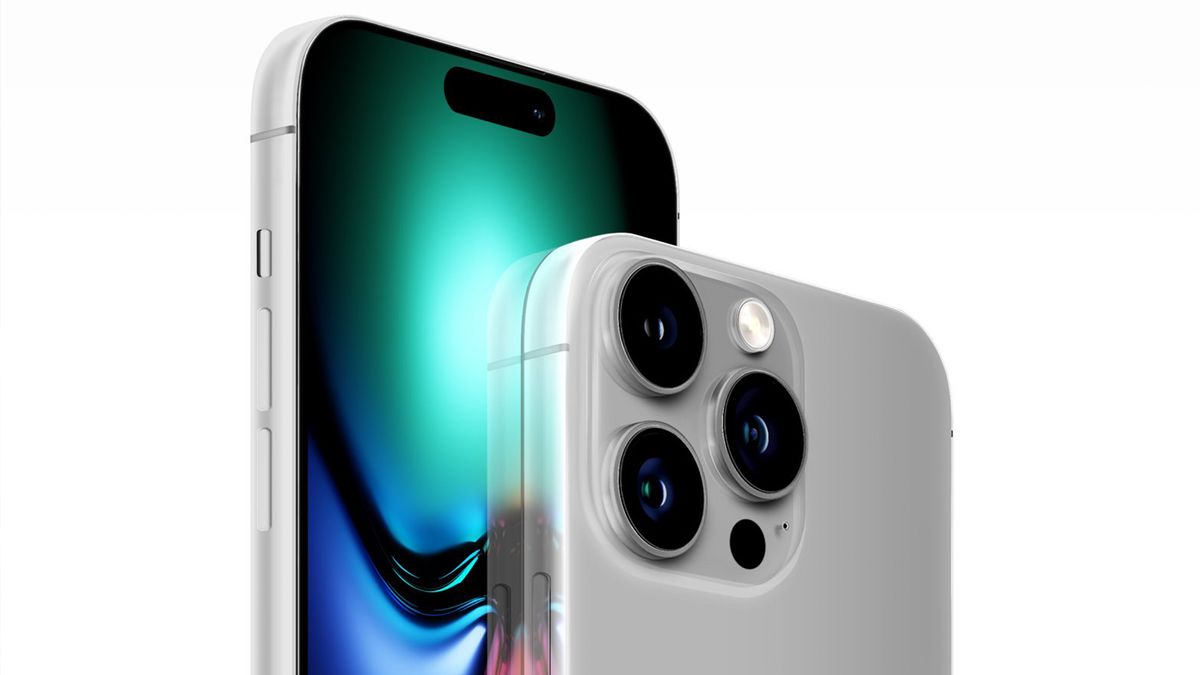
The upcoming iPhone 17 series is expected to feature a significant design overhaul, including the introduction of vapor chamber cooling for the Pro models to improve heat management, new color options, and a redesigned rear with potential material changes. While the front design remains similar, these updates mark an industrial design revamp, with more radical changes anticipated in future models.
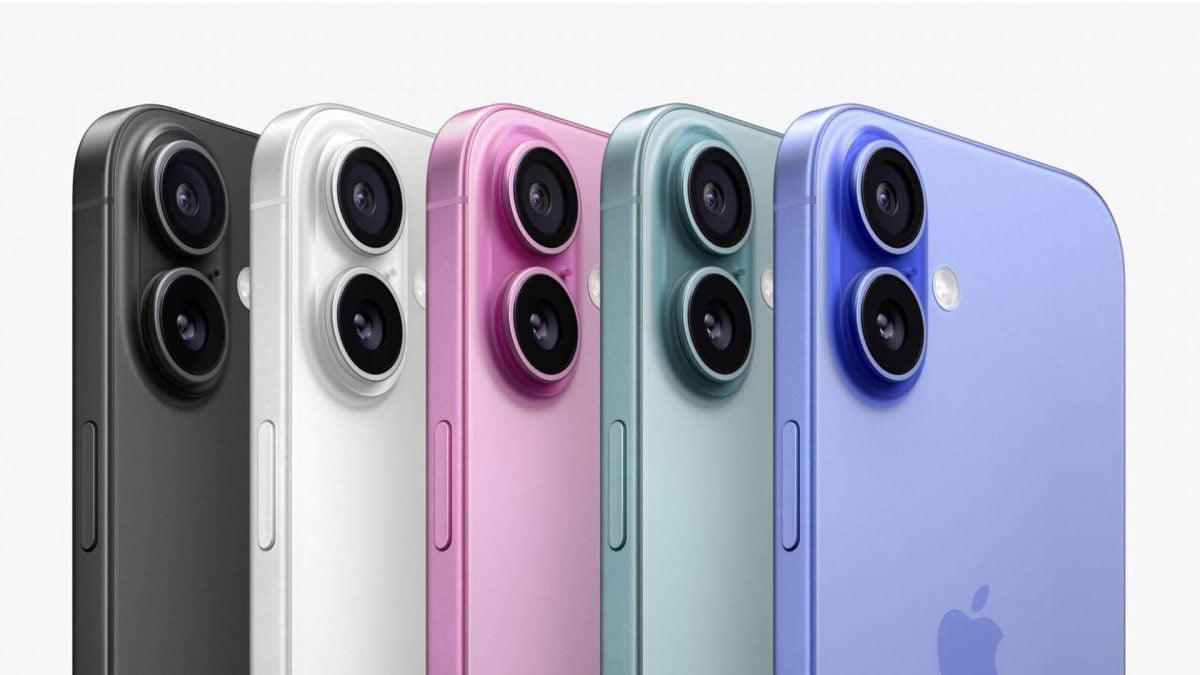
The upcoming iPhone 17 series is expected to feature a significant design overhaul, including new colors like purple and green, a possible aluminum frame for Pro models, and a redesigned back and camera area. Industry reports suggest the front will look similar to recent models, with major changes anticipated in the rear and overall hardware, marking a notable upgrade ahead of future innovations like foldable screens and a Pro model redesign in 2027.
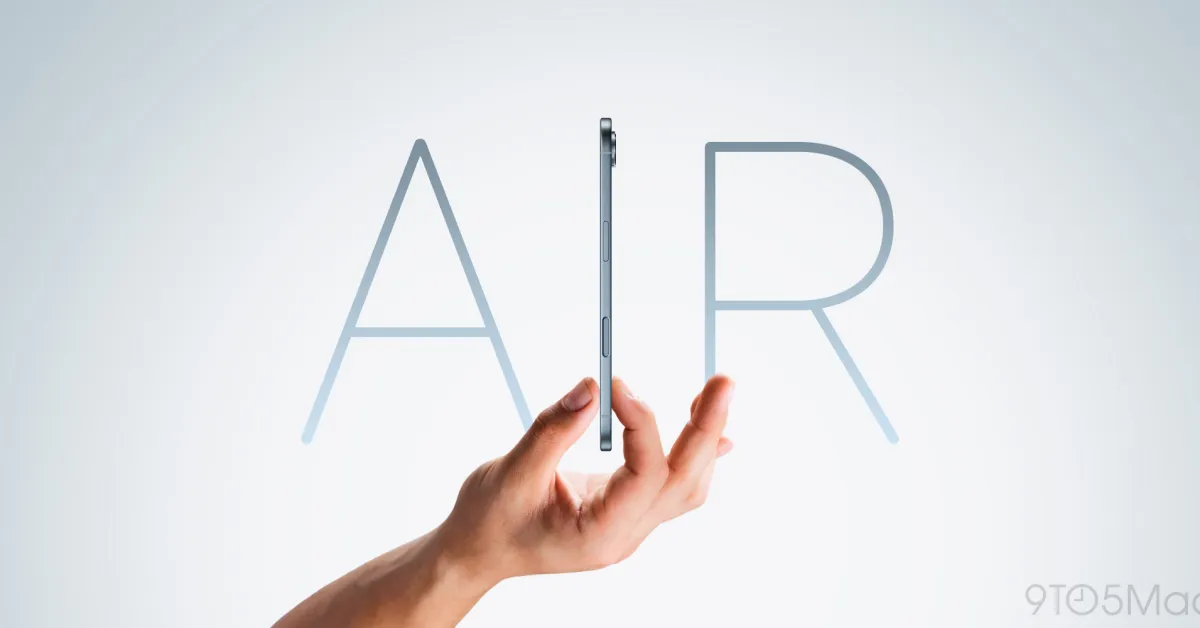
The iPhone 17 Air is set to replace the Plus model and is expected to embody the future of iPhone design with a sleek, ultra-thin form factor inspired by the MacBook Air, sacrificing some features like multiple cameras and battery life, making it an appealing choice for those who prioritize design and simplicity over pro features.
Apple is set to release four new iPhone 17 models with larger displays and design updates, including a new ultra-thin 'Air' model replacing the 'Plus'. The standard iPhone 17 will have a 6.27-inch screen, aligning with the Pro models, and all models will feature slimmer bezels to maximize screen real estate. The lineup will also include significant design changes for the Pro models and a special 20th anniversary iPhone with an all-screen design.
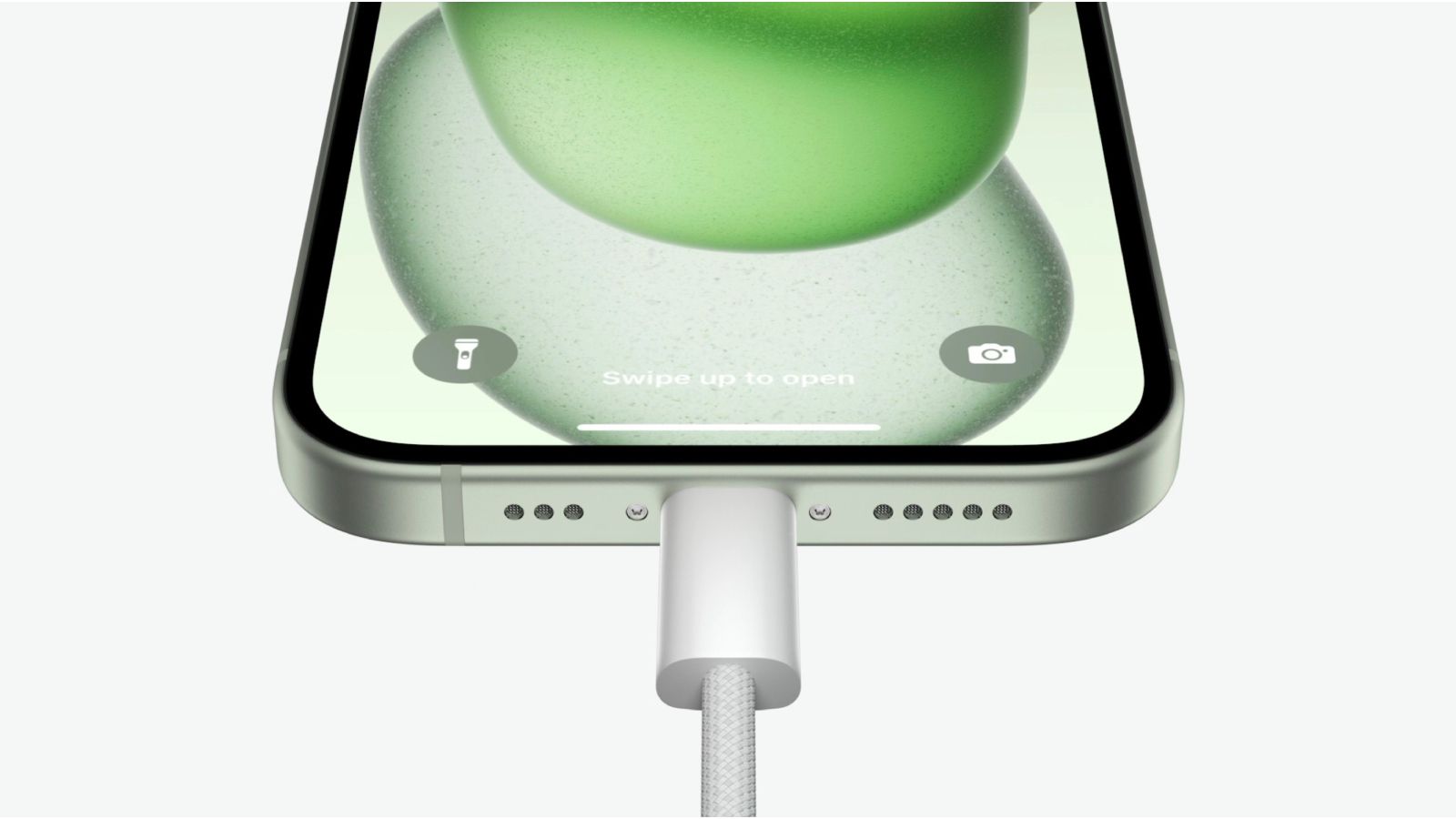
Apple has provided additional details about the USB-C port on the iPhone 15 models. All iPhone 15 models can charge accessories at up to 4.5W, while the iPhone 15 Pro and Pro Max support USB 3.2 Gen 2 for data transfer speeds up to 10 Gbps. The iPhone 15 Pro models also support recording ProRes video directly to an external storage device. The devices support DisplayPort for up to 4K HDR video mirroring, but lack an extended display mode. A USB-C to USB-A cable can be used to connect the iPhone 15 to a vehicle with a USB-A port for wired CarPlay usage.
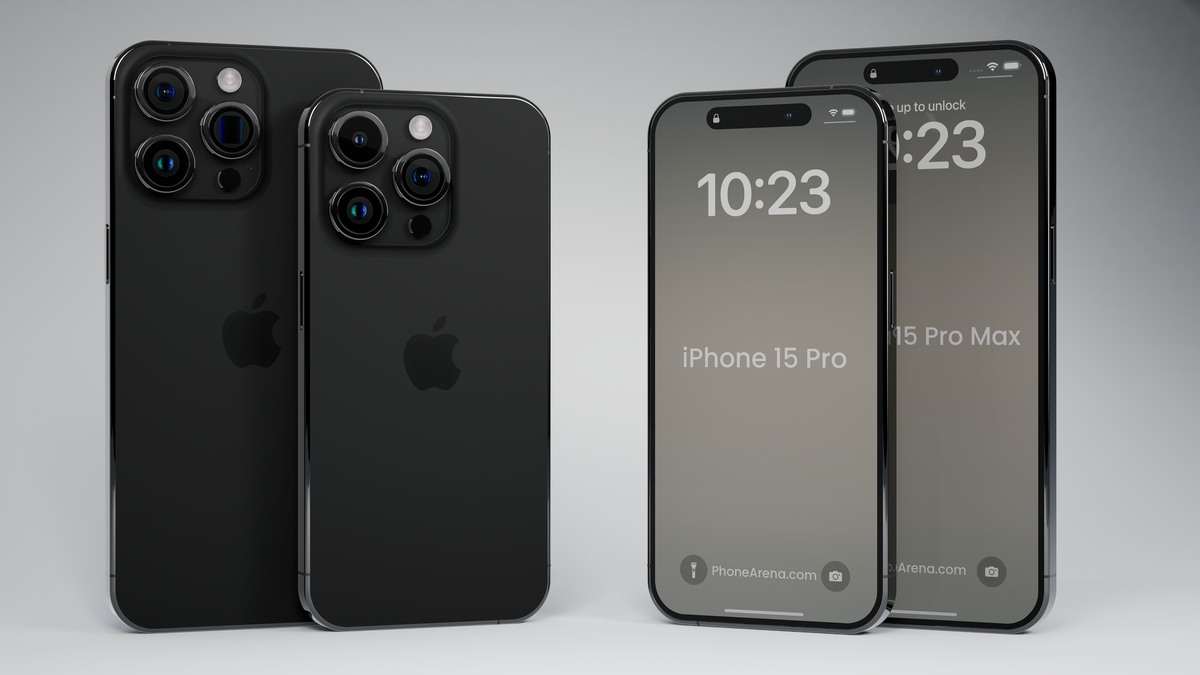
Apple is reportedly focusing on its Pro models as the company's biggest money-maker, with the iPhone 15 Pro predicted to be the best seller for this year. The company has ordered more iPhone 15 Pro displays than it did for the iPhone 14 Pro last year, and the volume of iPhone 15 series displays for the month of June is said to be twice as much compared to the same period in 2022 for the iPhone 14 series.
Wedbush analyst Dan Ives has confirmed that the iPhone 15 range will be more expensive than current models, with multiple analysts and insiders claiming price rises of up to $200, particularly for iPhone 15 Pro and Pro Max models. Despite this, Ives remains bullish on Apple, raising his 12-month stock target to $220 from $205. The iPhone 15 cycle could be a “trophy case” moment for the company, shifting 235-240M units, after his research revealed approximately 250M iPhones have not been upgraded in over four years, creating a huge backlog of potential buyers.
The Pro models of the iPhone 16 are rumored to be larger than their iPhone 15 counterparts, potentially allowing for a larger battery or better camera system. Camera upgrades are expected for the iPhone 16 Pro and Pro Max, including a larger sensor and a periscope zoom camera. The iPhone 16 Pro is rumored to have a 6.3-inch screen and the Pro Max a 6.9-inch screen, with smaller bezels. The iPhone 15 range is expected to be released in September 2021.
The iPhone 15 is rumored to feature a frosted glass back, similar to the current Pro models, which offers a more premium aesthetic and is less likely to carry fingerprints. The standard model may also come in a new cyan-green color. However, the most exciting design rumors are still reserved for the Pro models, which may feature a titanium frame and Action Button. The camera bump on the Pro models may be too big, though.
The standard iPhone 15 and iPhone 15 Plus are rumored to feature frosted back glass like the existing Pro models, while the Pro models are expected to have a new titanium frame and thinner bezels. The source of the rumor accurately leaked the iPhone 14 launch in Yellow, but their long-term track record is unknown. Apple is expected to announce the iPhone 15 lineup in September.
All four iPhone 15 OLED screens will use the latest M12 material set, unlike the iPhone 14 where only the Pro models received the latest-gen Samsung tech. However, the low-temperature polycrystalline oxide (LTPO) thin-film transistors (TFTs) will still be reserved for the iPhone 15 Pro and Pro Max, which allows the variable refresh rate enabling the always-on feature. Samsung will continue to make most initial displays, and next year, the iPhone 16 is expected to get a more advanced M14 set.