Jamie Dimon warns at an investor event that the opaque $3 trillion private-credit market harbors 'dumb stuff' risks that could spark a crisis like 2008, as AI-fueled private lending outpaces transparency; Fed minutes flag vulnerabilities in private credit despite low public spreads, highlighting a potential risk blind spot in the financial system.
BlackRock surpassed $14tn in assets under management after a record quarter, with $342bn of inflows in Q4 and almost $700bn for the year, driven by strong equity and fixed‑income ETF flows and a rally in stocks. The firm also expanded private‑markets activity (private credit and infrastructure) and took on about $80bn of Citigroup assets, as it pursues roughly $400bn in private‑markets fundraising by 2030. Revenue rose 23% to $7bn in the quarter, while net profit fell about a third due to higher costs tied to its acquisition spree.
BlackRock posted a record $14 trillion in assets after $342 billion of client cash in Q4, boosted by ETF inflows (ETFs now total about $5.5 trillion) and expansion into private markets via acquisitions, with full-year inflows reaching a record $698 billion.
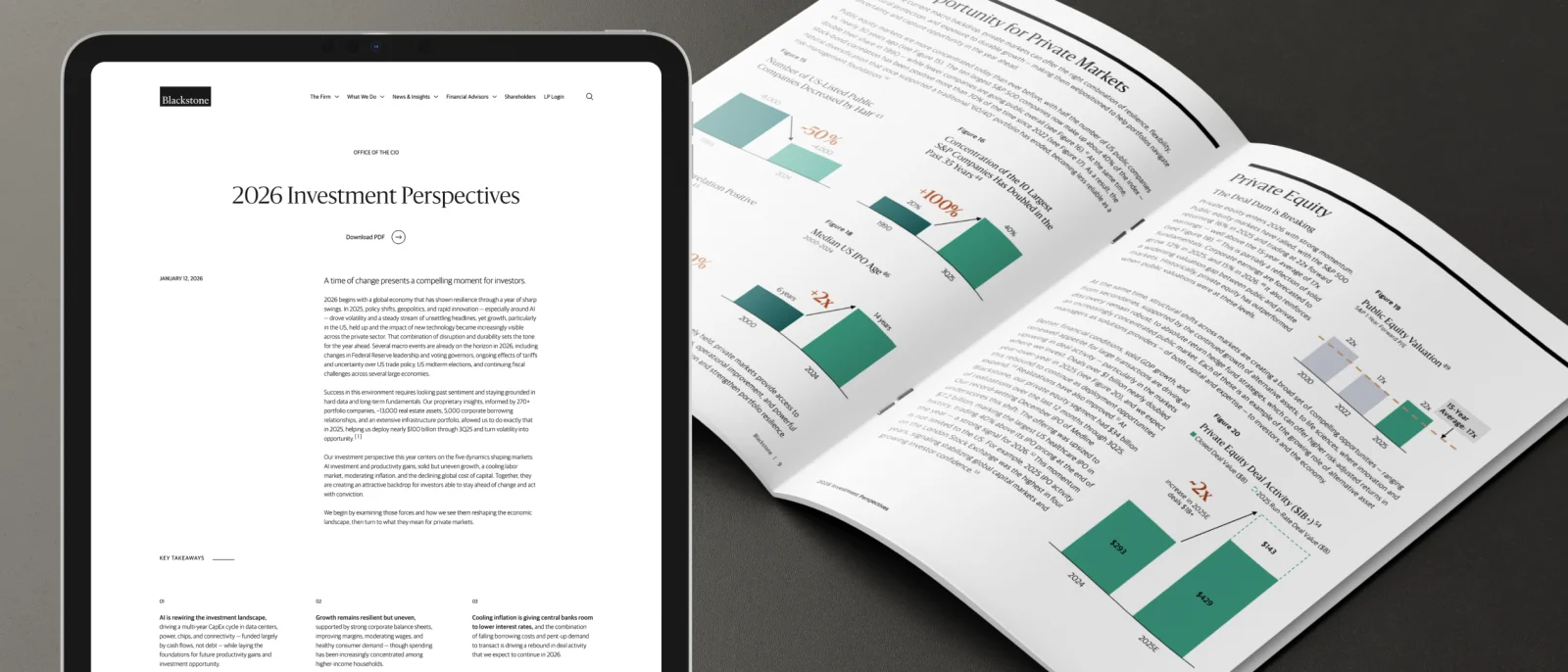
Blackstone’s 2026 Investment Perspectives argue that AI-driven productivity, moderating inflation, and cheaper capital underpin a multi-year expansion in private markets across private equity, real estate, credit, and infrastructure. AI is driving a significant CapEx cycle in data centers, chips, and digital infrastructure funded largely from cash flow, with growth being resilient but uneven as labor markets cool. A rebound in deal activity and exits, aided by lower financing costs, supports a cyclical upswing; real estate is in early recovery, private credit offers durable income with downside protection, and infrastructure demand remains strong from energy transition and AI needs. International markets show opportunity in India and Japan, with Europe offering selective bets. Blackstone stresses disciplined underwriting, data-driven insights, and platform scale to capitalize in 2026.
A potential SpaceX IPO could be the largest ever, valued at around $1.5 trillion, offering investors a rare glimpse into its operations and profits, but it also presents Musk with increased scrutiny and regulatory challenges, contrasting with his previous preference for private control.
The 2026 investment outlook emphasizes the growing importance of private markets and real assets, driven by structural megatrends like digitalization, deglobalization, and decarbonization, which are shaping long-term investment opportunities and emphasizing disciplined transformation and operational excellence.
Charles Schwab is acquiring Forge Global for approximately $660 million to enhance access, liquidity, and transparency in private markets, aiming to democratize private market investments for retail investors and expand its wealth management offerings.
Robinhood has announced the filing of a registration statement for Robinhood Ventures Fund I (RVI), a new fund aimed at democratizing access to private market investments for retail investors in the US, allowing them to invest in private companies at early stages through a publicly traded vehicle.
Goldman Sachs and T. Rowe Price announced a strategic partnership to develop diversified public and private market investment solutions for retirement and wealth investors, including a planned $1 billion investment by Goldman Sachs in T. Rowe Price stock, with new product launches expected in mid-2026.
The Trump administration's executive order aims to allow private equity and other private-market assets in 401(k) plans, opening a $12 trillion market for retirement savings. While this presents opportunities for private-equity firms and diversification for investors, concerns about high fees, performance variability, liquidity, and regulatory safeguards remain. The implementation process will take time, and the impact on retirement returns and investor protection is still uncertain.
The Trump administration signed an executive order to make it easier for 401(k) retirement plans to include private-market assets like private equity, potentially opening a significant new market for private-equity firms and offering retirement savers access to diversified investments, though concerns about fees and risks remain.
President Trump is reportedly preparing an executive order to expand access to private-market investments in 401(k) retirement plans, potentially allowing investments in private equity, real estate, and hedge funds, which could diversify portfolios but also carry higher risks. The move is still under review, and some firms are already developing products to include private assets in retirement funds.
President Trump plans to issue an executive order to expand access to private investments in 401(k) retirement accounts, potentially allowing investors to invest more easily in private companies like SpaceX and OpenAI, which could unlock trillions of dollars for private firms and bolster the private asset management industry.
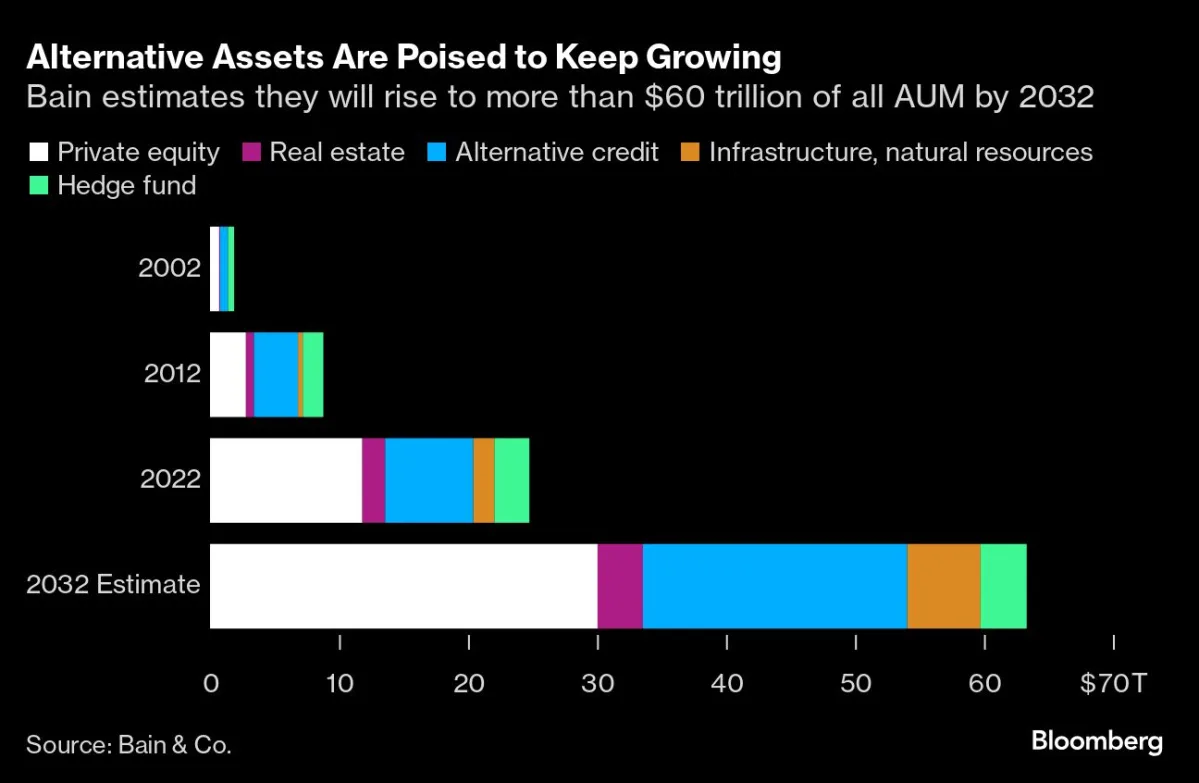
Morgan Stanley and Citigroup wealth executives are increasingly focusing on private markets, as these investments become a significant part of their business strategies. This shift is driven by companies delaying IPOs and the growing influence of wealthy investors in private markets. Private-market assets are projected to reach $65 trillion within a decade, highlighting a trend comparable to the rise of passive investing. Wealthy clients are allocating more of their portfolios to private markets, with investment firms doubling their allocations in 2023.