The U.S. Immigration and Customs Enforcement (ICE) is expanding its surveillance capabilities with new high-tech tools and legal flexibilities under the Trump administration, raising concerns about privacy and civil liberties as it broadens its scope beyond immigration enforcement to include domestic monitoring of critics and threats, while also reducing oversight and protections for American residents' data.

A hobbyist is selling modified Meta Ray-Ban smart glasses that lack the privacy-protecting LED indicator for recording, making it easier for users to covertly record their surroundings. Meta has stated that tampering with the glasses' features violates their terms of service, and they have implemented improvements to enhance bystander privacy. For those seeking to disable the recording indicator, stickers are available for purchase.
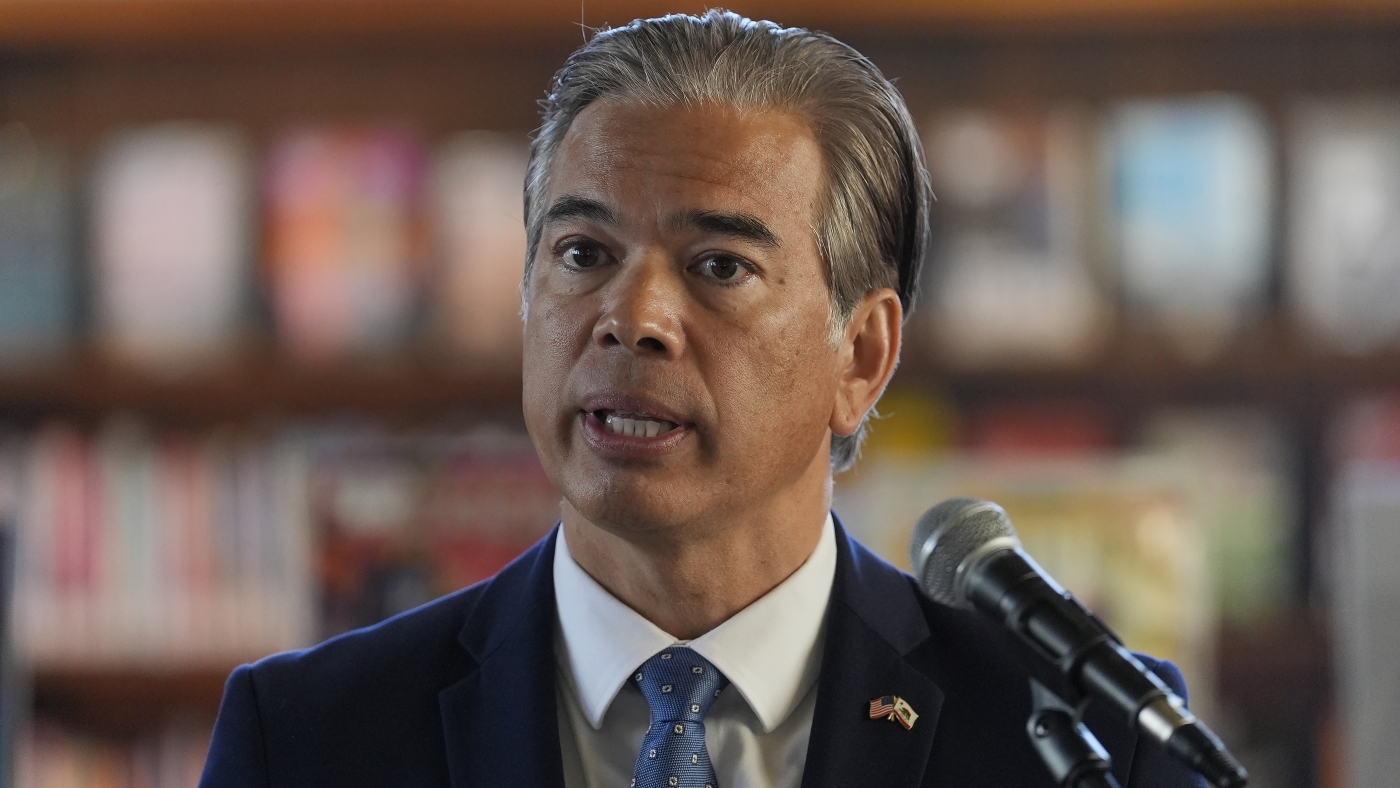
Twenty states, led by California, sued the Trump administration for unlawfully sharing Medicaid recipient data with DHS, which they claim is used for immigration enforcement, violating privacy protections and risking public health access. The lawsuit seeks to halt data sharing and destroy unlawfully disclosed information.
23andMe has agreed to sell its assets, including its genetic testing and research services, to TTAM Research Institute for $305 million, following a court-approved bidding process that included a backup bid from Regeneron. TTAM commits to maintaining privacy policies, enhancing consumer protections, and continuing scientific research, with the transaction subject to court approval scheduled for June 17, 2025.
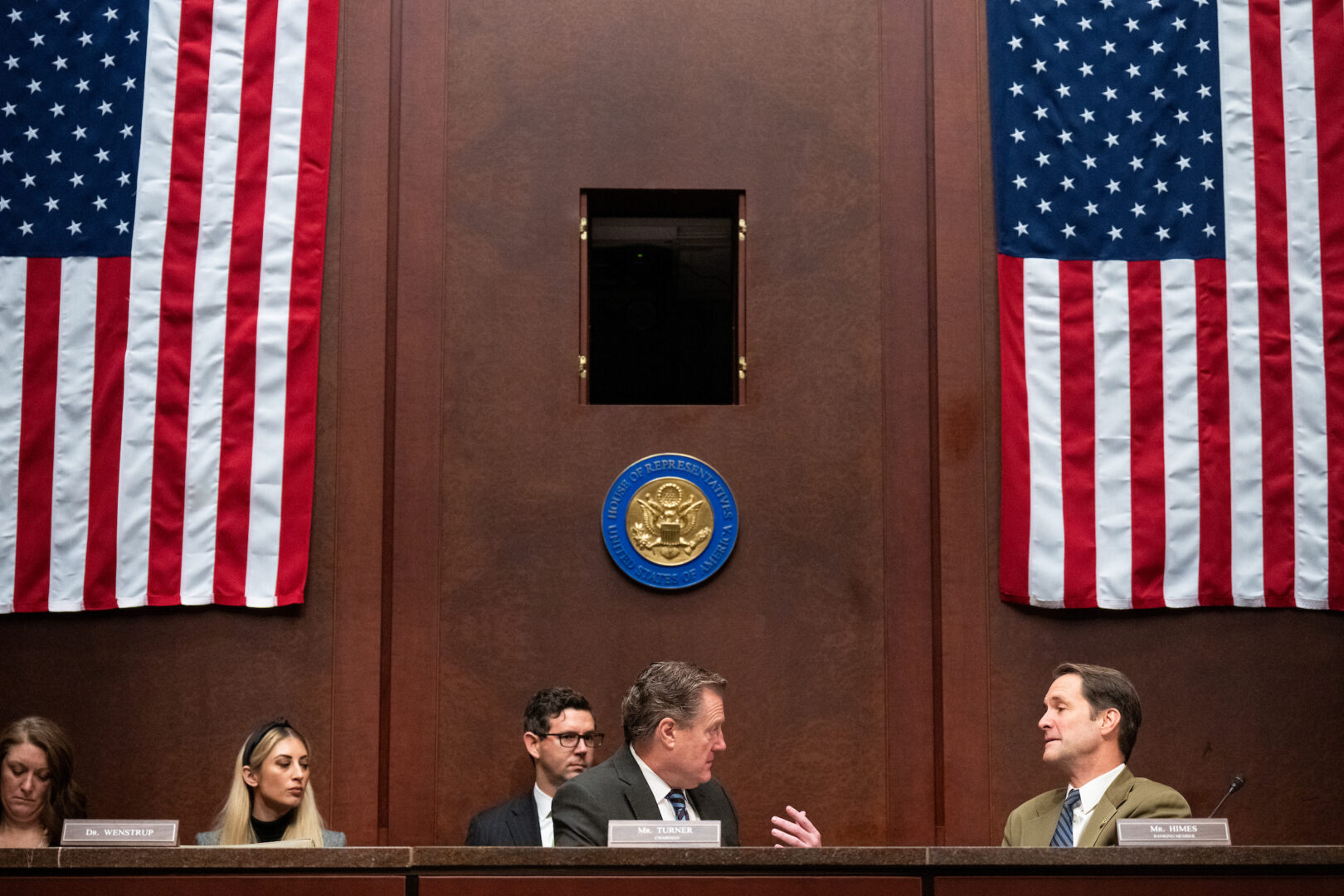
The House Intelligence Committee has unanimously approved a bill to renew Section 702 of the Foreign Intelligence Surveillance Act, which allows the U.S. government to collect digital communications of foreigners outside the country. However, the program also collects the communications of Americans and allows the FBI to search through data without a warrant. There are competing proposals for adding privacy protections, with the House Judiciary Committee advancing a different reauthorization bill. House Speaker Mike Johnson plans to bring both measures to the floor next week. Senate leaders have expressed their commitment to working on a final bill that can be passed early next year.
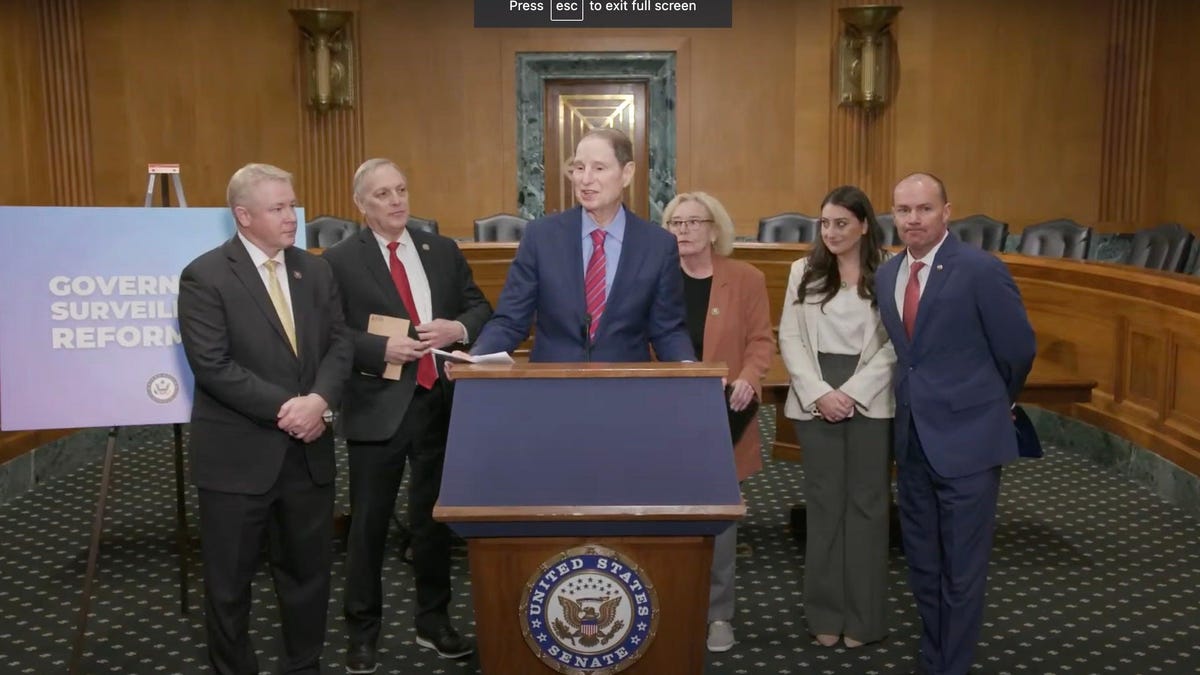
A bipartisan group of lawmakers has introduced the Government Surveillance Reform Act (GSRA), which would require law enforcement agencies to obtain a warrant before conducting searches under Section 702 of the Foreign Intelligence Surveillance Act (FISA). Critics argue that the current lack of a warrant requirement for accessing the 702 database violates Americans' Fourth Amendment rights. The proposed legislation aims to update and modernize surveillance tools to keep pace with technological advances and strengthen privacy protections. The bill also includes provisions to prevent law enforcement from purchasing data from unregulated brokers and requires warrants for surveillance of Americans' location data, web browsing history, and communications with AI assistants. The bill has garnered support from rights organizations and is seen as a significant opportunity to protect Americans from warrantless government surveillance.
Google Play is introducing a new policy for apps that leverage generative AI, requiring them to have an in-app reporting system for offensive AI-generated content. Additionally, apps will only be allowed to access photos and videos for purposes directly related to app functionality, and the full screen intent notification permission will only be granted to apps that require it as part of their core functionality. These policies aim to enhance gen AI safety, privacy protections, and limit disruptive notifications.
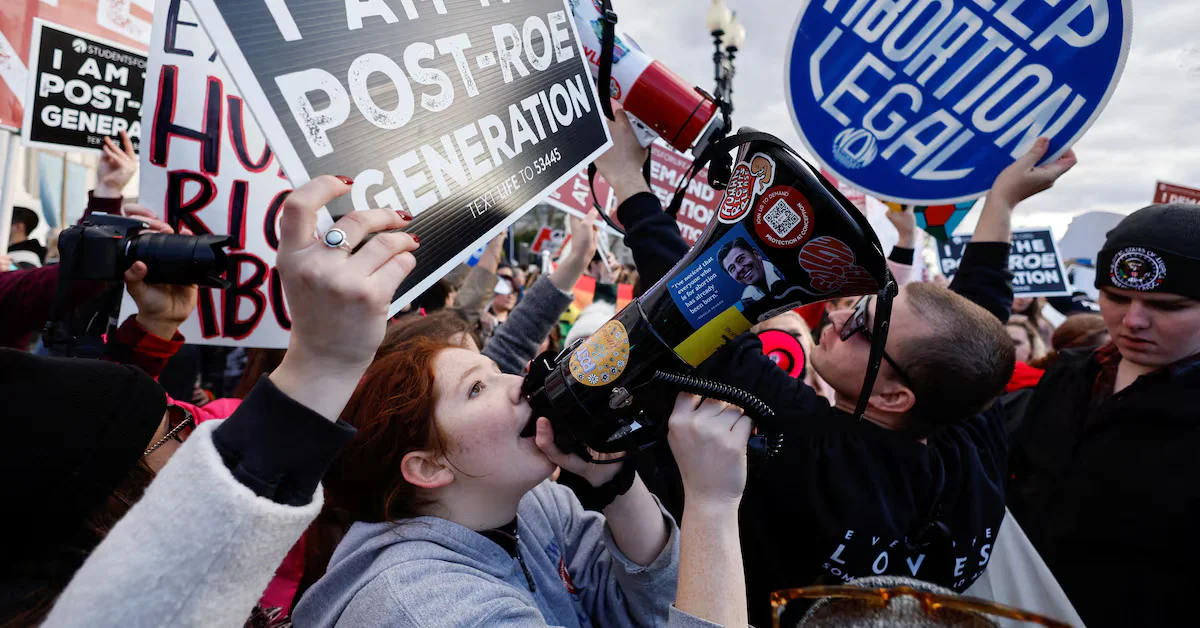
The Biden administration has proposed new privacy protections to prevent women's health information from being used to investigate or sue people who obtain or facilitate abortions. The proposed rule by the US Department of Health and Human Services (HHS) aims to protect women living in states where abortion is illegal who travel out of state to have the procedure done. The rule would also protect healthcare providers, insurers, or other entities who perform or pay for abortions. The proposed rule strengthens existing privacy protections under the Health Insurance Portability and Accountability Act (HIPAA) which are binding in all states.