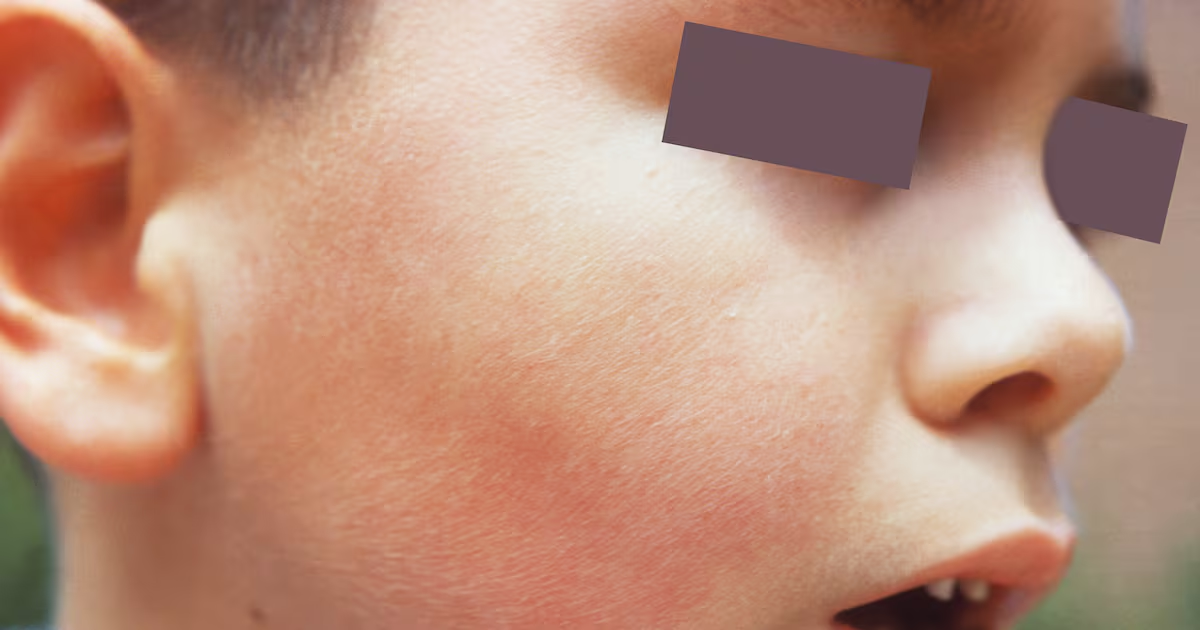
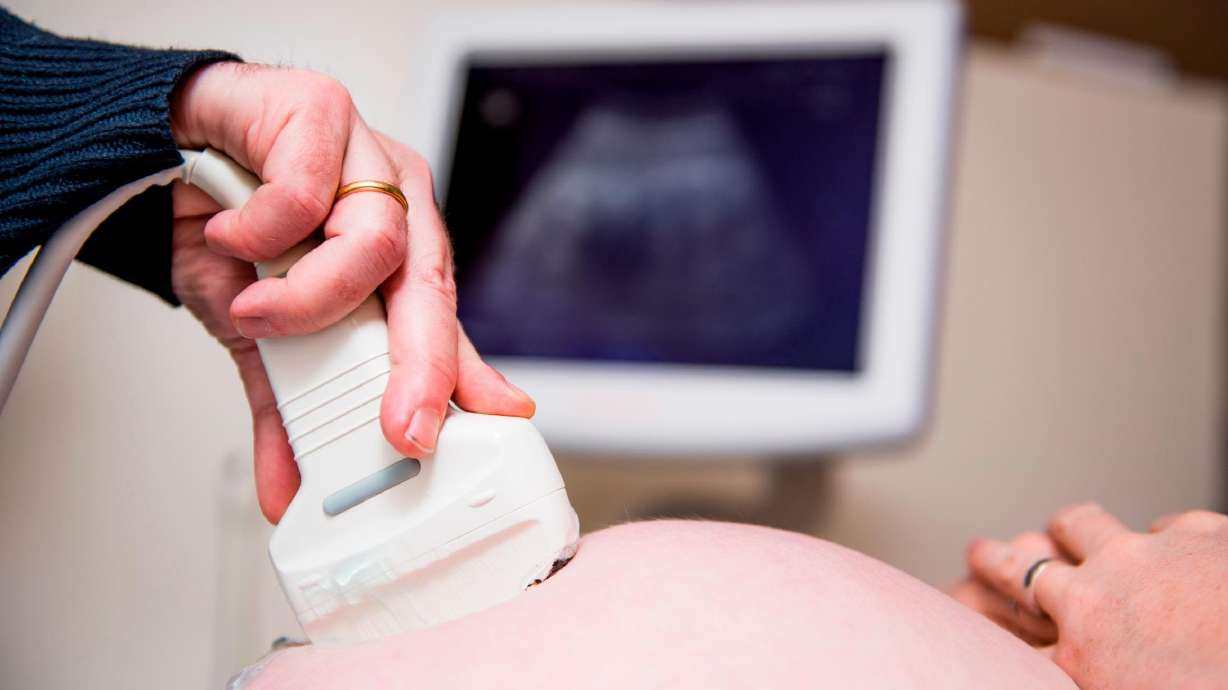
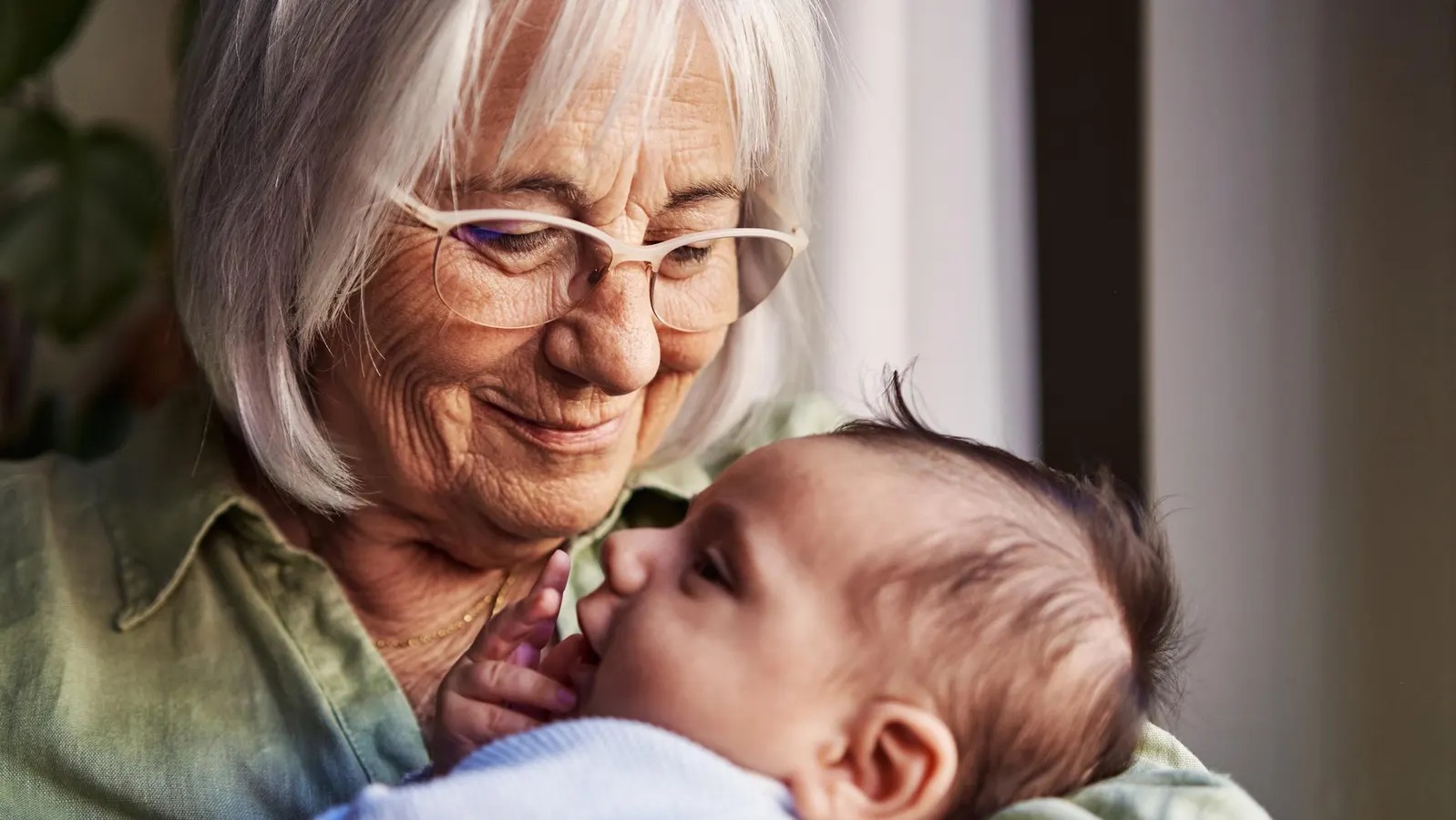
Health officials in Hamilton County, Ohio, warn of a Parvovirus outbreak that poses risks to pregnant women, individuals with blood disorders, weakened immune systems, and pets, with symptoms including rash, joint pain, and fever.
Two new studies reveal that millions of people, including pregnant individuals and children, are experiencing long-term COVID-19 symptoms. One study found that 1 in 10 pregnant people who had COVID-19 developed long-term symptoms, with factors such as obesity and chronic anxiety or depression increasing the risk. Another study on children estimated that up to 6 million have experienced long COVID, with symptoms including breathing problems and fatigue. The research also suggests a higher risk of autoimmune conditions like type 1 diabetes in children after COVID-19 infection.
Two new studies reveal that 1 in 10 pregnant people who had Covid develop long-term symptoms, with fatigue being the most common. Factors such as obesity, chronic anxiety or depression, and requiring supplemental oxygen during illness increase the risk of long Covid. Another study found that up to 6 million children have developed long Covid, with symptoms including breathing problems and fatigue. Long Covid in children may also increase the risk of autoimmune conditions like type 1 diabetes.
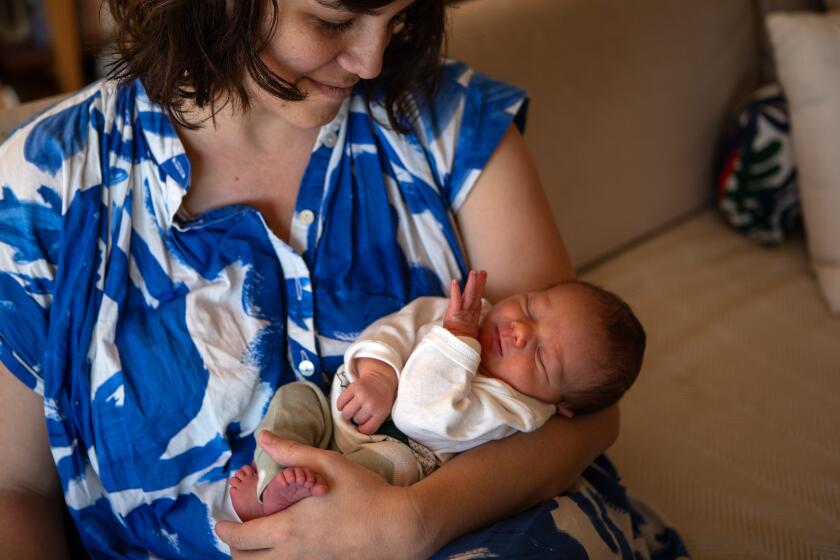
Pregnant individuals seeking to protect their babies from respiratory syncytial virus (RSV) are facing hurdles in accessing the newly approved vaccine. The vaccine, called Abrysvo, can be administered to pregnant people during a specific window in the third trimester to pass on protection to their babies. However, obstacles such as limited availability, insurance coverage, and pharmacies not stocking the vaccine have made it difficult for pregnant individuals to access it. Additionally, there is a shortage of another RSV shot for newborns. Experts highlight the need for smoother vaccine rollout, as RSV is a seasonal illness, and delays in access can put infants at risk.
Medicare Part D does not cover respiratory syncytial virus (RSV) vaccines for around 16 million beneficiaries, leaving seniors and pregnant individuals vulnerable to the virus. While RSV vaccines are covered under Part D, many beneficiaries are not enrolled in the program and have to pay out-of-pocket for the vaccine, which can cost upwards of $300. Even those with Part D coverage face challenges as doctor's offices are reimbursed for administering vaccines under Part B but not Part D, leading some patients to abandon the vaccine. The lack of coverage highlights the need for better policy making to ensure accessibility to all vaccines.