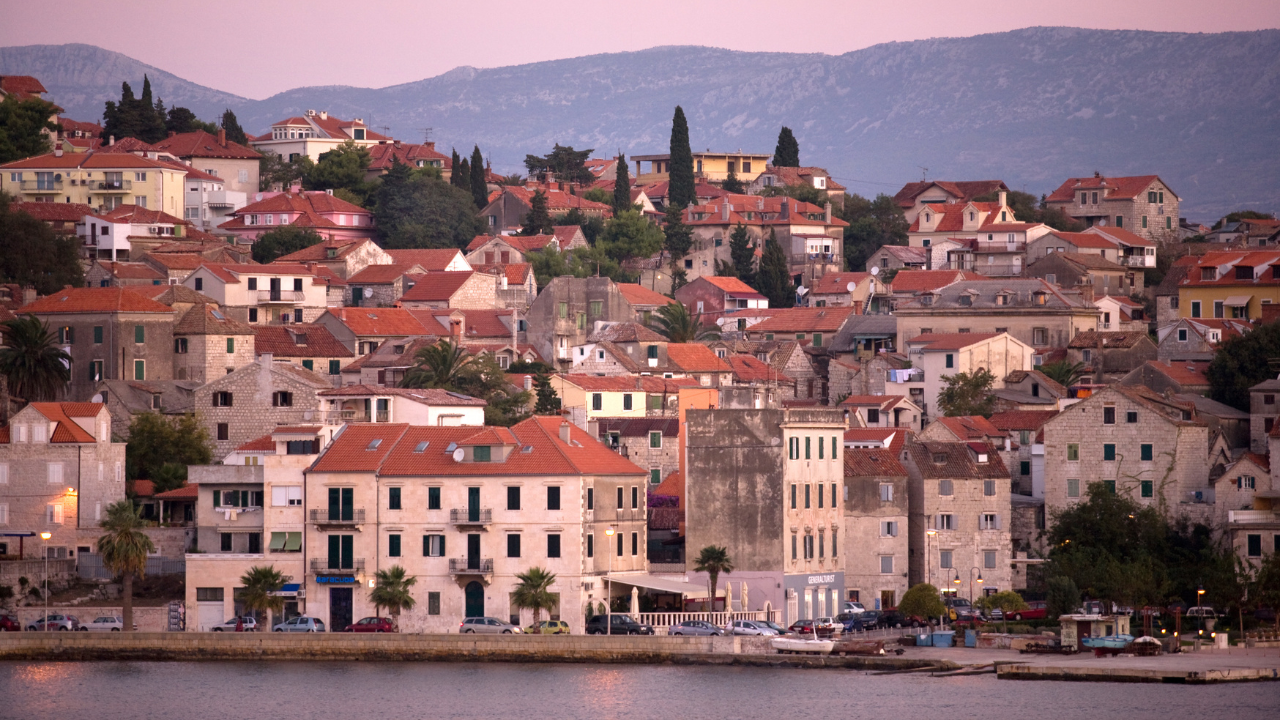
A major power blackout hit Montenegro, Bosnia, Albania, and Croatia's Adriatic coast amid a severe heat wave with temperatures nearing 104°F. The outage, caused by a malfunction of an interconnector in Montenegro, left almost the entire country of Montenegro and significant parts of Bosnia and Croatia without electricity. Efforts are underway to restore power, with Croatian authorities analyzing the disturbance and ramping up production capacities.
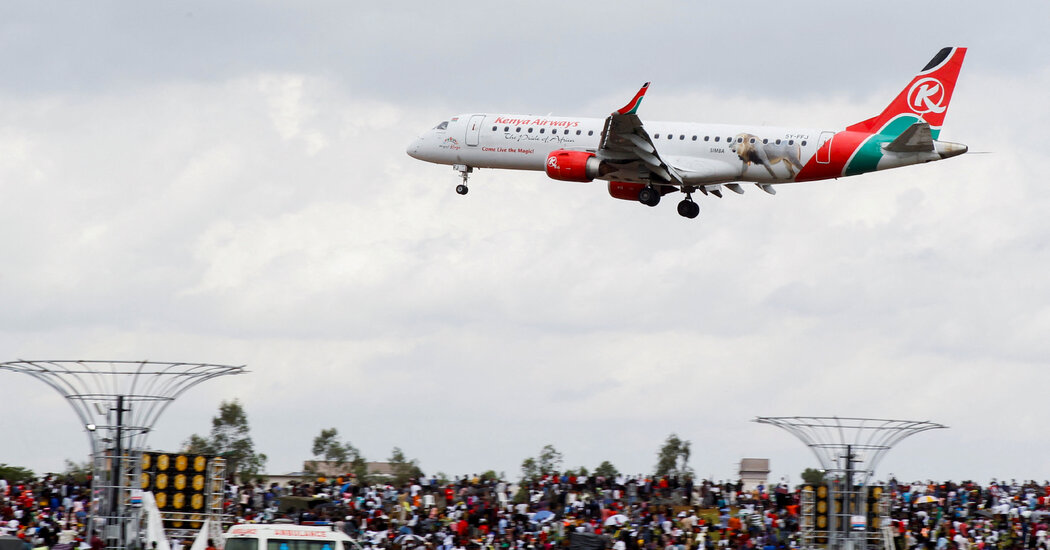
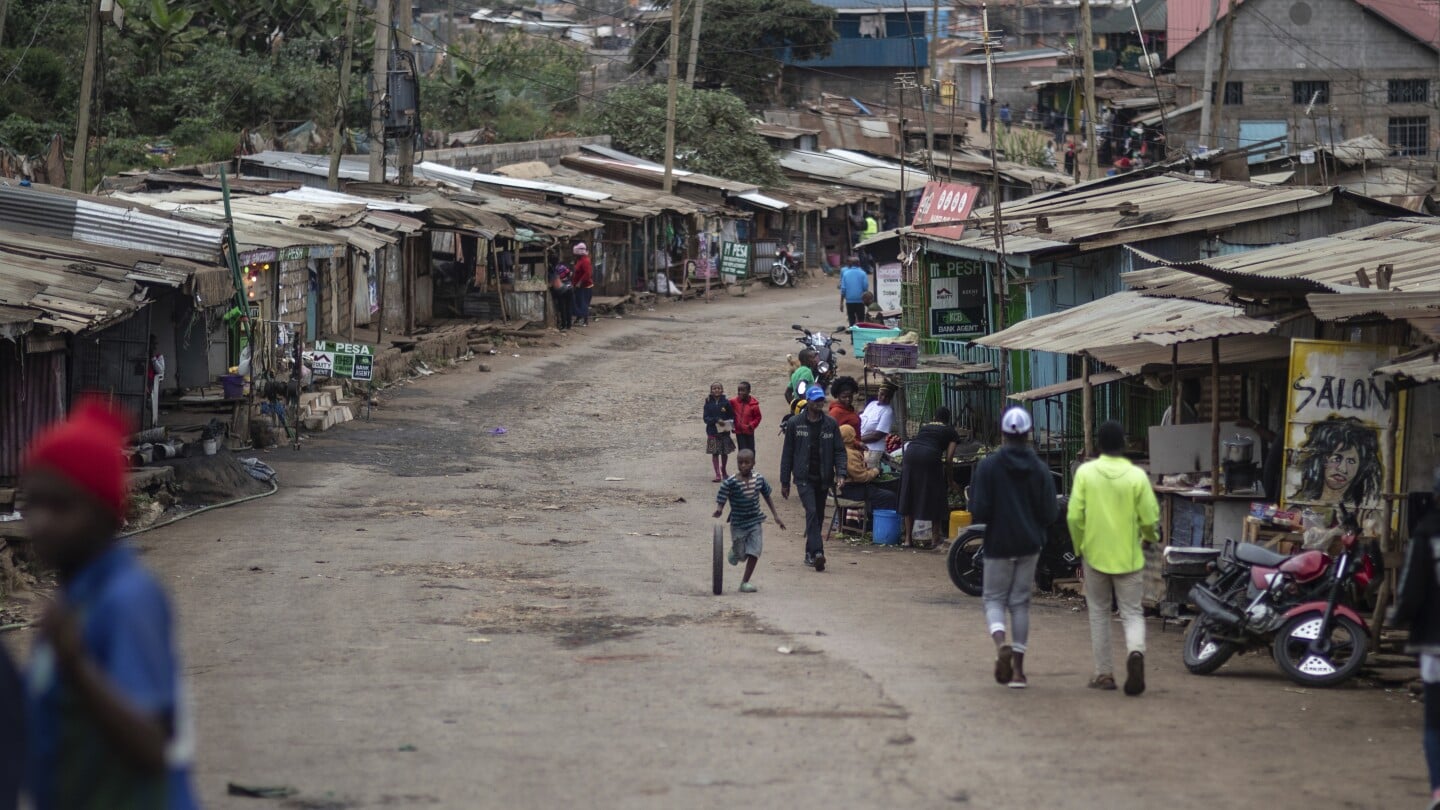
Kenya experienced its third major power blackout in four months, causing widespread concerns in a country already grappling with discontent over a worsening economic situation. The blackout affected many parts of the country, including neighborhoods in the capital, Nairobi, and two terminals at Jomo Kenyatta International Airport. Kenya generates most of its electricity from renewable resources, but old infrastructure, corruption, and illegal connections have made the grid unreliable. Rising electricity taxes have also made power bills unaffordable for many Kenyans.
Kenya experienced its third nationwide power blackout in four months, leading to suspicions of sabotage. The outage disrupted services, including at Nairobi's main airport, and caused frustration among Kenyans. Transport Minister Kipchumba Murkomen has requested a police investigation into possible acts of sabotage and cover-up. Some Kenyans believe the power cuts are part of a plot to privatize the state-run electricity provider, Kenya Power and Lighting Company (KPLC), while others blame KPLC's incompetence. The government plans to address the issue by implementing scheduled minimal load-shedding and building additional networks to relieve overloaded transmission lines.
Kenya experienced its third nationwide power blackout in three months, causing widespread disruption and prompting calls for an investigation into possible acts of sabotage and coverup. The blackout, which began on Sunday evening, affected vital facilities including the main airport in Nairobi. Kenya Power, the state-run utility, attributed the blackout to a "system disturbance" and stated that technicians were working to address the issue. While electricity service has been partially restored in some areas, many parts of the country remain without power. The frequent power outages have sparked public outrage and raised concerns about the impact on businesses and the struggling economy.
Kenya experienced its third nationwide power blackout in three months, causing widespread disruption and prompting the transport minister to call for an investigation into possible acts of sabotage and coverup. The blackout, which began on Sunday evening, affected vital facilities including the main airport in Nairobi. Kenya Power, the state-run utility, attributed the blackout to a "system disturbance" and said technicians were working to address the issue. While electricity service has been partially restored in some areas, many parts of the country remain without power. The frequent power outages have sparked public outrage and raised concerns about the country's energy infrastructure.
Hospitals in the Gaza Strip are on the verge of running out of spare fuel, as the territory's sole power station stopped functioning due to Israel's refusal to allow supplies of fuel. Life-saving machines, including oxygen generators, are at risk of failing, exacerbating the already dire humanitarian crisis. The power cuts have also impacted aid efforts, emergency communication systems, and access to basic necessities like refrigerated food. Efforts to mediate and allow the entry of fuel and vital medical supplies have been unsuccessful, leaving thousands of lives hanging in the balance.