
business1 month ago
Trimming a rally-driven stock amid the market rally
An investor says they’re scaling back their exposure to a stock that has benefited from Monday’s market rally, aiming to manage risk as markets push higher.

All articles tagged with #portfolio management
An investor says they’re scaling back their exposure to a stock that has benefited from Monday’s market rally, aiming to manage risk as markets push higher.

Full-time trader Erik Smolinski attributes his strong returns to detailed monthly and annual reviews, which help him adjust strategies and recognize market shifts. He advises everyday investors to regularly review their portfolios against benchmarks like SPY and QQQ, and to treat their investing like a business with periodic performance assessments.

The rise of AI superstocks has led to increased market concentration and sparked debate over the traditional benefits of diversification, with some experts suggesting concentrated portfolios may outperform, while others warn of higher risks and survivorship bias, challenging long-held investment principles.

The article highlights five large-cap, relatively secure dividend-paying stocks that are currently undervalued compared to their historical norms, offering yields up to 9%. It is part of a monthly series aimed at income investors, particularly retirees, seeking stable, long-term passive income. The selection process involves filtering from over 7,500 U.S.-traded stocks to identify conservative Dividend Growth Investing (DGI) options. The article also mentions additional stock groups with varying yield levels and provides insights into portfolio strategies for high income with low risk.

With concerns about a potential market correction in 2025, investors are advised to consider low-volatility, high-yield Dividend Aristocrats as a safer alternative to traditional portfolios. These stocks offer a 3.2% yield, a 14% discount, and a 22% upside potential, while being less volatile than the S&P 500. Combining these Aristocrats with managed futures can enhance returns and reduce volatility. The Dividend Kings provide tools and model portfolios to help investors achieve strong income and financial stability.

The S&P 500 is showing signs of potential risk and a possible downturn, prompting the author to focus on risk management and position sizing in their portfolio. Technical analysis indicates a break in upward momentum and a high level of risk, leading the author to maintain a T-bill heavy position and a partially filled stock portfolio with hedging options. The author emphasizes the importance of managing risk and avoiding speculation in the current market environment, while closely monitoring the situation for potential trend changes.
The stock market continues its bullish trend, reaching all-time highs, but concerns about a potential market bubble persist. Comparisons to the 1999 "Dot.com" bubble are being made, particularly in the Artificial Intelligence sector, with unsustainable valuations and high forward valuations for certain companies. While there are differences between the current market rally and the "Dot.com" bubble, caution is advised as the market may be approaching a short-term top. Investors are urged to consider risk management, diversification, and avoiding speculative investments, as a correction of 5-10% is anticipated in the coming months.

A recent study on safe withdrawal rates for retirees suggests that maintaining a consistent spending amount adjusted for inflation requires keeping starting withdrawals at 4.0% or lower for a 90% probability of success over a 30-year time horizon. The study also explores flexible withdrawal strategies, including forgoing inflation adjustments following annual portfolio loss, required minimum distributions, guardrails, and spending declines in line with historical data, comparing their pros and cons based on metrics such as starting safe withdrawal rates, lifetime portfolio withdrawal rates, cash flow standard deviation, and median ending value at Year 30. The guardrails method is highlighted as the most effective for enlarging payouts in a safe and livable way, but retirees are advised to consider other approaches based on their priorities, such as maximizing starting withdrawal rates, lifetime withdrawals, cash flow stability, or leaving a legacy.

The article discusses two dividend-paying closed-end funds (CEFs) suitable for retirees' portfolios. The first fund, BTO, invests in banks and has shown resilience despite market fears. The second fund, RNP, has a diversified portfolio of real estate investment trusts (REITs) and preferred equity, positioned to benefit from stabilizing interest rates. The author emphasizes the importance of generating strong income from the market to ensure financial security in retirement and offers a trial for accessing their model portfolio and top picks.

As interest rates are expected to stay higher, retirees should consider making three moves to benefit from this change. Retirees need to reassess their financial plans and adjust their portfolios accordingly. With the end of the ultralow-rate environment, retirees must carefully manage their portfolio withdrawals. Experts advise taking action now, despite market uncertainties, to optimize retirement investments in changing times.
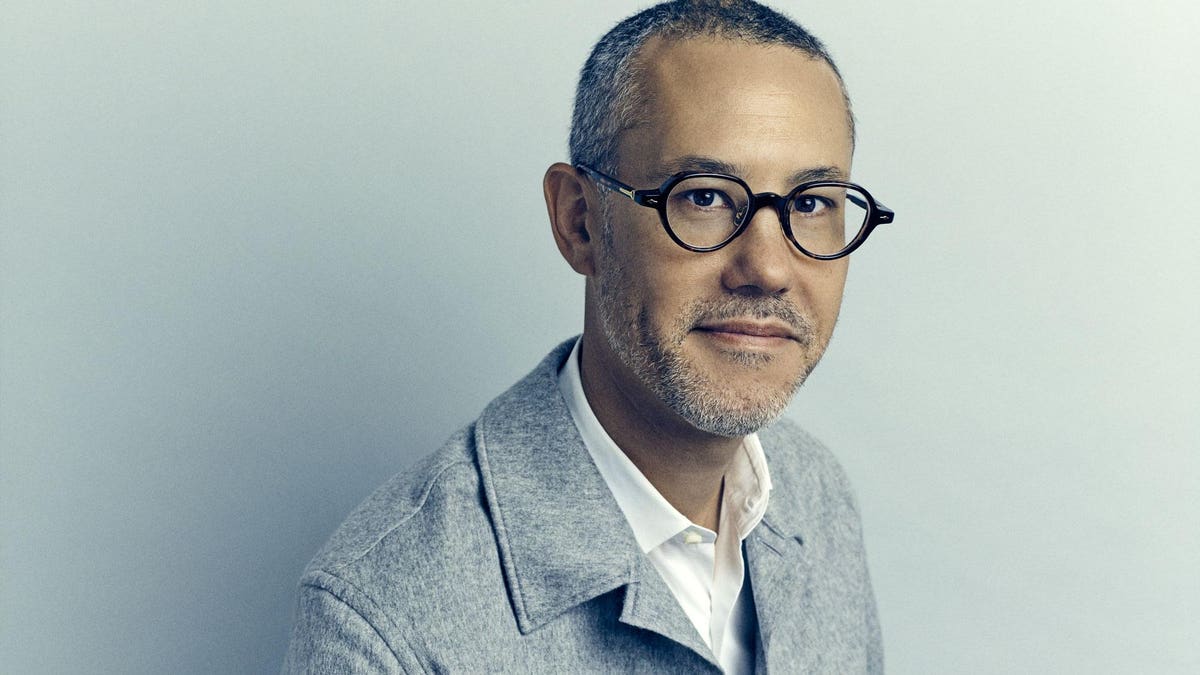
Christopher Tsai, son of Wall Street titan Gerald Tsai, has achieved impressive market-beating returns with his focused portfolio of mostly large-cap growth stocks. Tsai's investment strategy is influenced by his father's momentum-based approach but also incorporates fundamental analysis. He seeks to invest in high-quality companies with long-term growth prospects and durable competitive advantages. Tsai's top holdings include Tesla, Apple, and Costco. His strategy has produced annualized returns of 12.3% over the past five years, outperforming the S&P 500. Tsai emphasizes the importance of positioning oneself on the right side of change and investing in innovation, disruption, and businesses run by excellent leaders.

Financial professionals recommend investing $100,000 in a diversified portfolio that includes a mix of stocks, bonds, and other assets. They suggest considering sectors such as technology, healthcare, and renewable energy, as well as international markets. It is important to conduct thorough research, assess risk tolerance, and consult with a financial advisor before making any investment decisions.

Marshfield Associates, a Washington, D.C.-based investment firm, has outperformed the S&P 500 for nearly a decade with its high-conviction approach to investing against the grain. The firm manages $4.7 billion in assets, with $470 million in its lone mutual fund, the Marshfield Concentrated Opportunity Fund. Marshfield's portfolio is filled with well-known companies like Domino’s Pizza, Mastercard, Visa, and Goldman Sachs. The firm typically shies away from the tech sector, commodities, and utilities and keeps a conservative portfolio with low volatility.
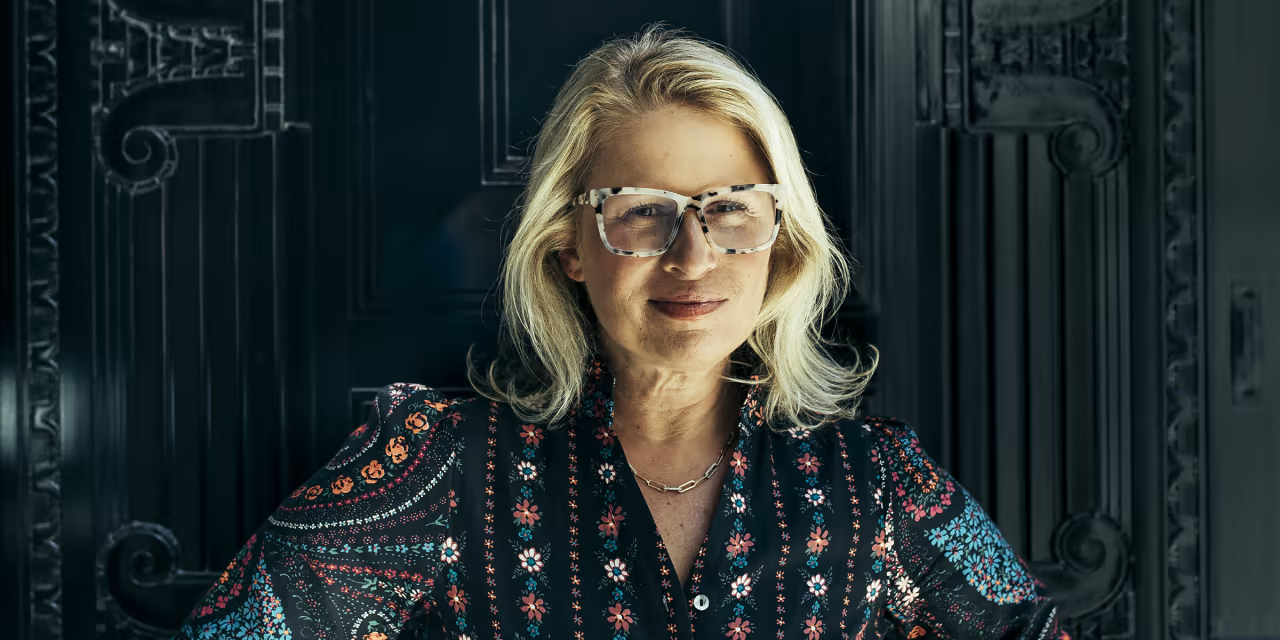
Portfolio manager and analyst Rayna Lesser Hannaway at Polen Capital is looking for high-quality small-cap companies with room to grow and secular tailwinds. The goal is to find these companies early and benefit from their long-term compounding potential.

Investors are putting record amounts of money into money market funds as interest rates rise. These funds are considered a safe haven for cash, but investors should still do their due diligence in selecting the best one for their portfolio. Factors to consider include fees, minimum investment requirements, and the fund's investment strategy.