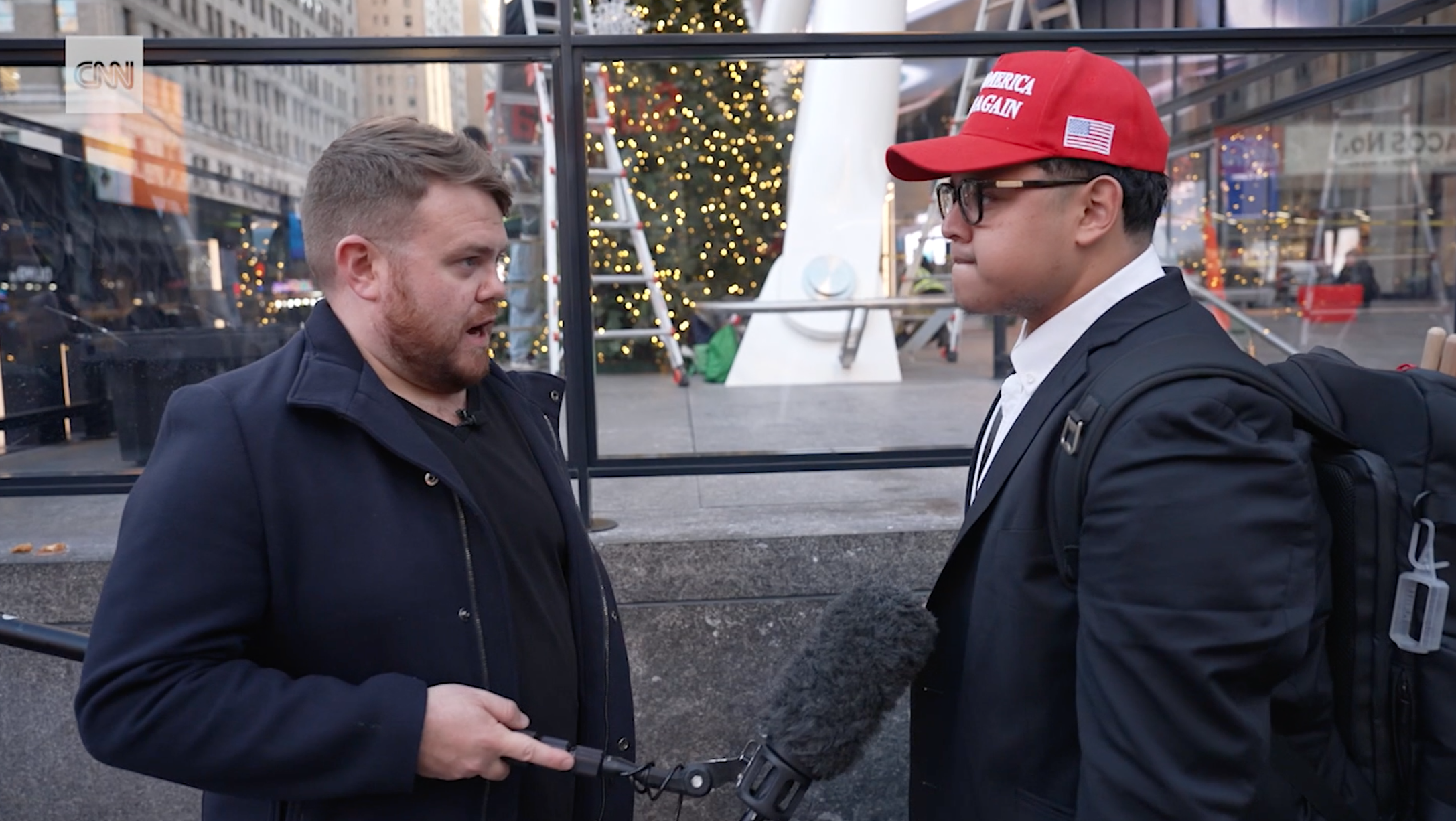
At a UFC event in Madison Square Garden, CNN's Donie O'Sullivan interviewed young Gen Z supporters of Donald Trump, revealing their motivations for backing the former president. Economic concerns, particularly taxes, were highlighted as key reasons for their support. The attendees also expressed a preference for getting news from social media and podcasts like Joe Rogan's, rather than traditional media outlets. Some criticized the Democratic focus on social issues, advocating for more practical education for youth.
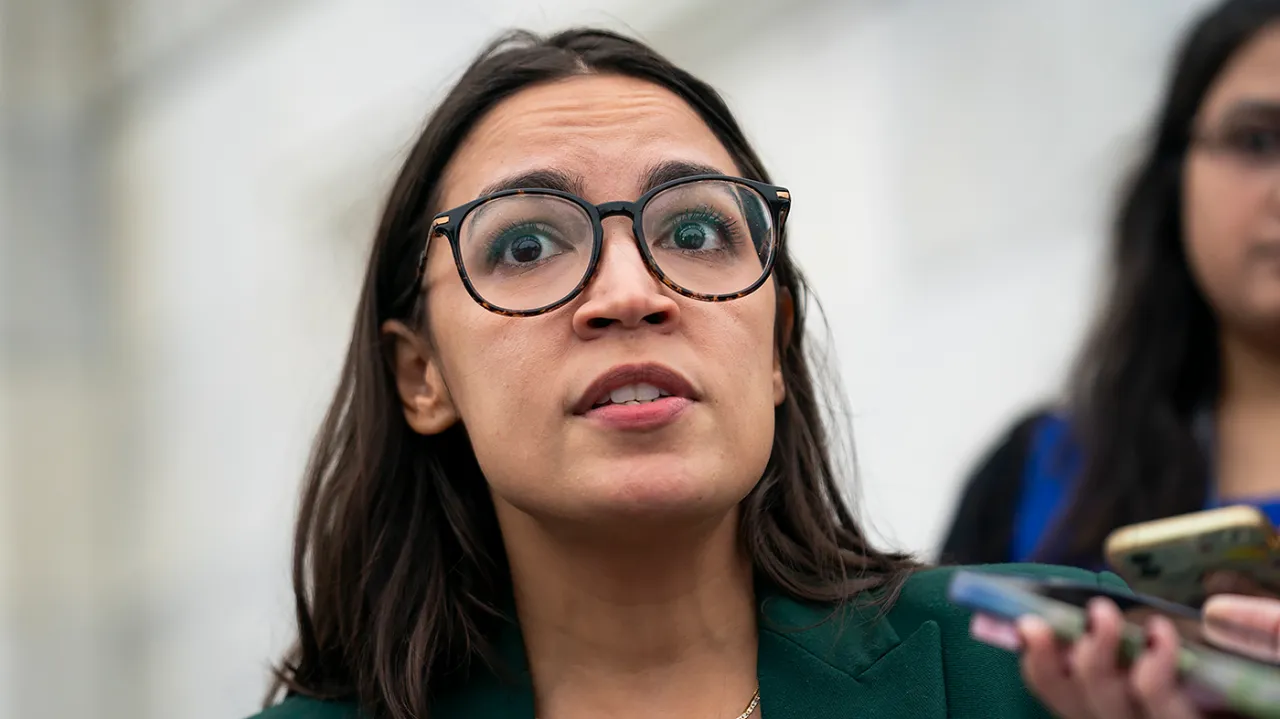
Rep. Alexandria Ocasio-Cortez is engaging with split-ticket voters who supported both her and President Trump, using Instagram to gather insights on their motivations. She emphasizes the importance of understanding diverse voter perspectives and advocates for grassroots political activities like door knocking and phone banking. Ocasio-Cortez, who recently won reelection, is exploring how different voter groups consume news and is sharing these findings with her followers.
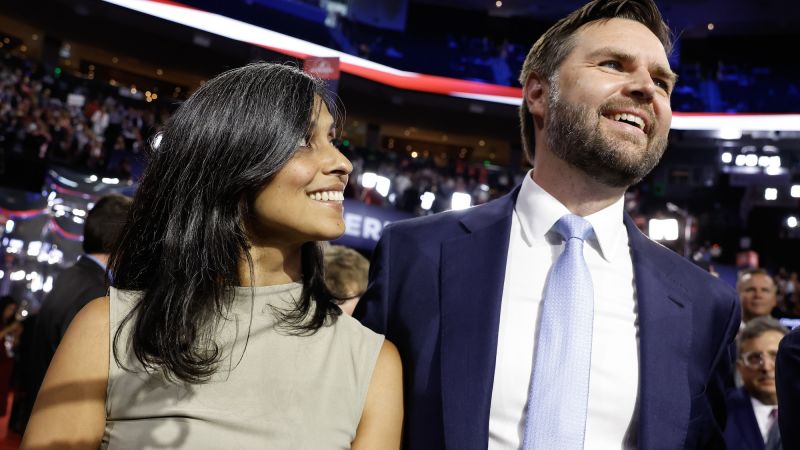
Usha Vance, wife of Ohio Sen. JD Vance and daughter of Indian immigrants, joins the 2024 presidential campaign, marking the fourth person of South Asian descent in the race. This increase in representation is seen as a significant step for the South Asian community in U.S. politics. Asian American political activists emphasize the need for both parties to better engage with the growing Asian American voter base, which has been largely overlooked despite its increasing electoral power. Key issues for these voters include the economy, education, inflation, and immigration.
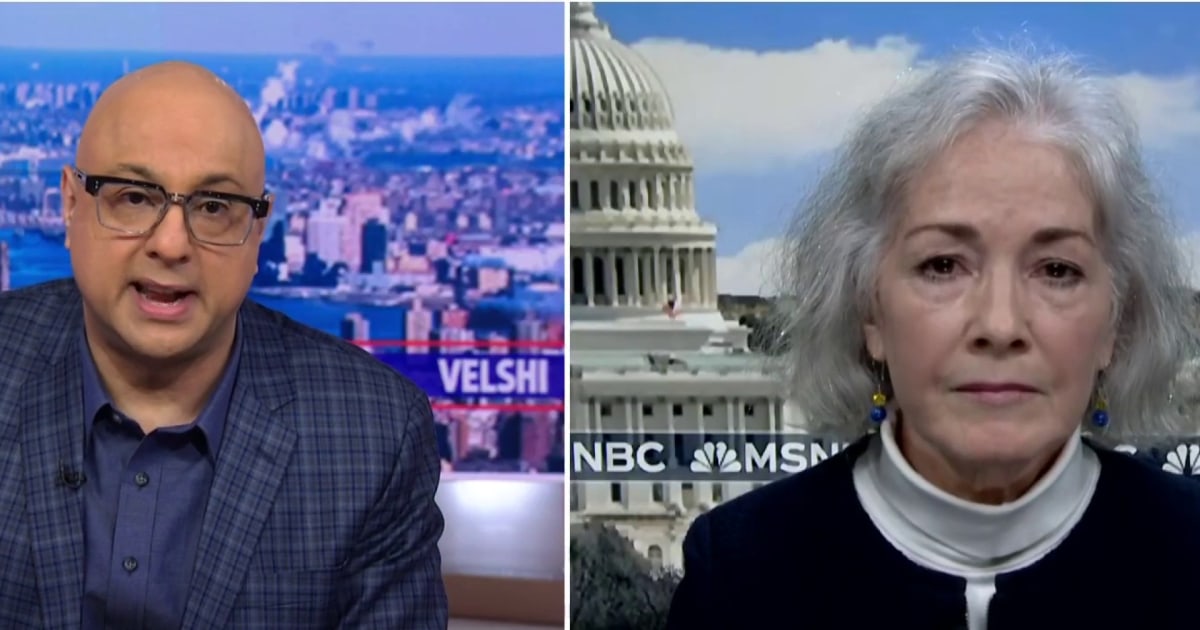
Former U.S. Ambassador to Ukraine, Marie Yovanovitch, emphasizes the critical repercussions of inaction in the face of global challenges, highlighting the importance of political engagement and diplomacy in addressing complex international issues.
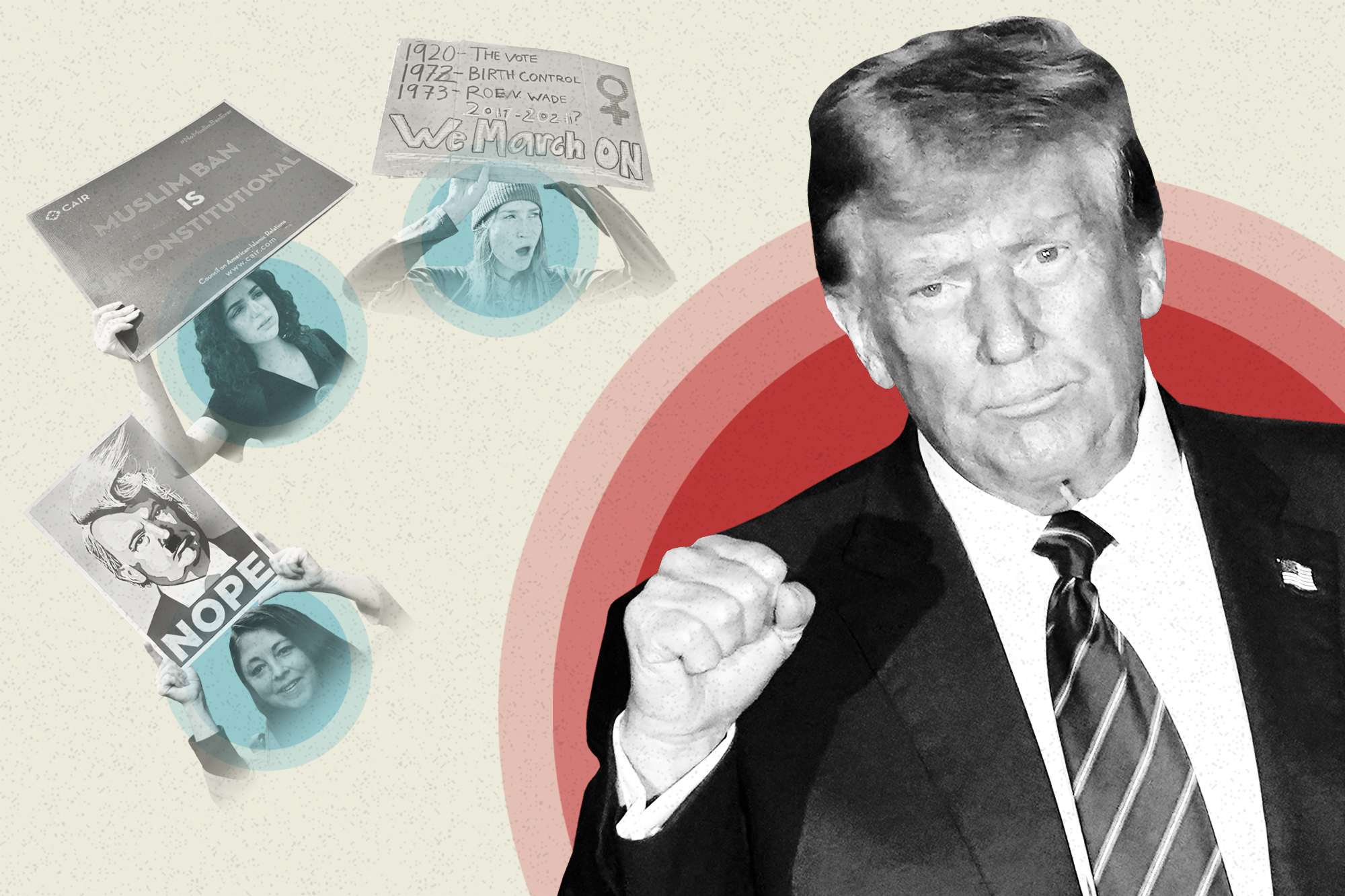
As the possibility of a second Trump term looms, there is uncertainty about whether the same level of resistance and activism seen in 2017 would reemerge in 2025, potentially leaving Washington in a very different state. Concerns about demoralization, donor fatigue, and a lack of belief in the impact of political actions could lead to a passive response to a Trump-dominated 2025, with potential consequences for progressive organizations and grassroots movements. The article explores the psychological and organizational challenges that could hinder a renewed wave of political engagement and resistance in the event of a Trump victory, highlighting the need for a plan B and the potential impact on various elements of political Washington.