Tag

Poison Centers

All articles tagged with #poison centers

health2 years ago

"Rising Overdose Calls for Ozempic and Wegovy: Understanding the Risks"

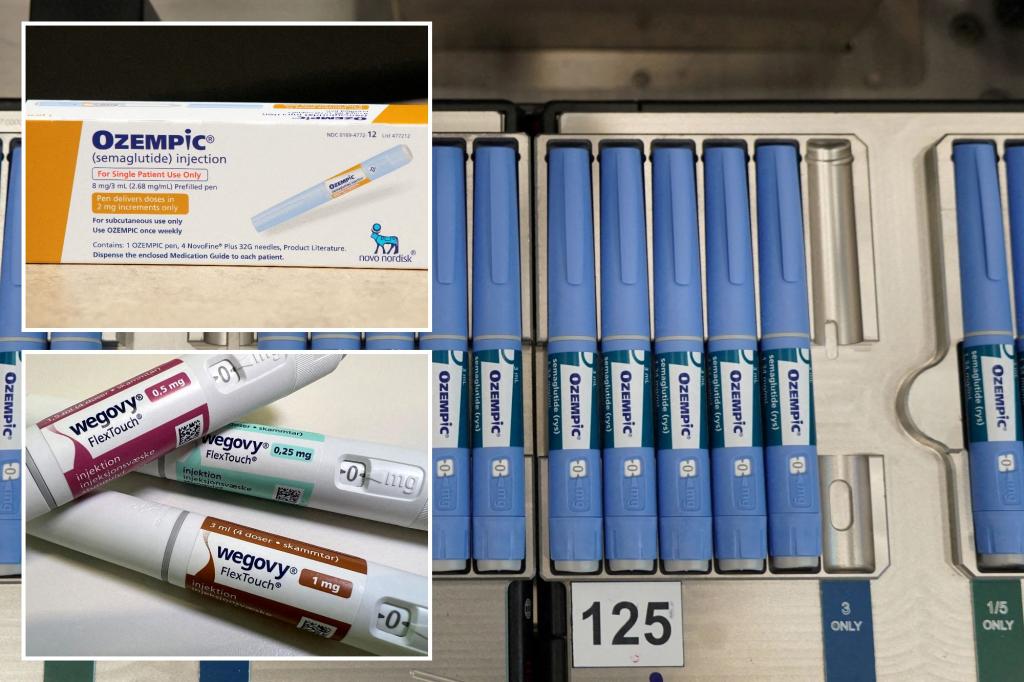
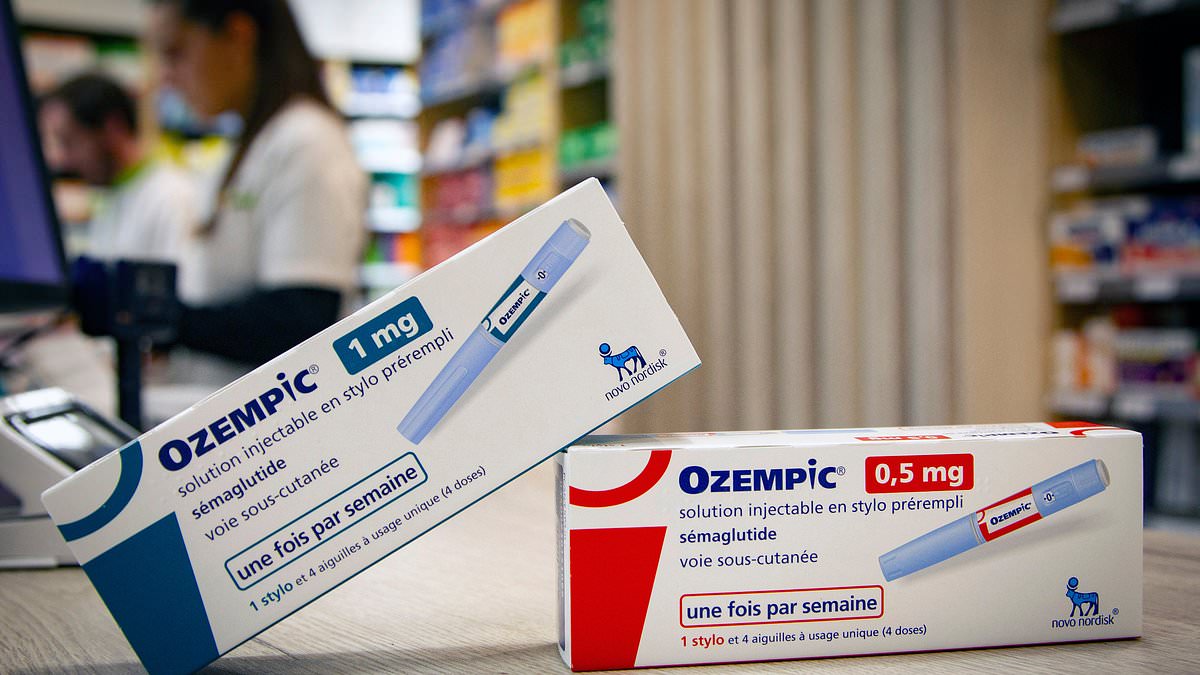
Overdoses of semaglutide weight loss medications such as Ozempic and Wegovy have more than doubled between 2022 and 2023, with most cases attributed to accidental therapeutic errors in adults. The overdoses are often caused by taking too high a dose, using compounded products, or obtaining the medication from unauthorized sources. Symptoms of overdose include nausea, vomiting, abdominal pain, and low blood sugar, but severe cases can lead to dehydration, kidney damage, and pancreatitis. While overdosing on semaglutide is rarely fatal, it requires supportive care and close medical attention, and prevention measures include following prescribed doses and seeking immediate medical help if necessary.

health2 years ago

Surge in Poison Center Calls Linked to Weight-Loss Drugs Ozempic and Wegovy

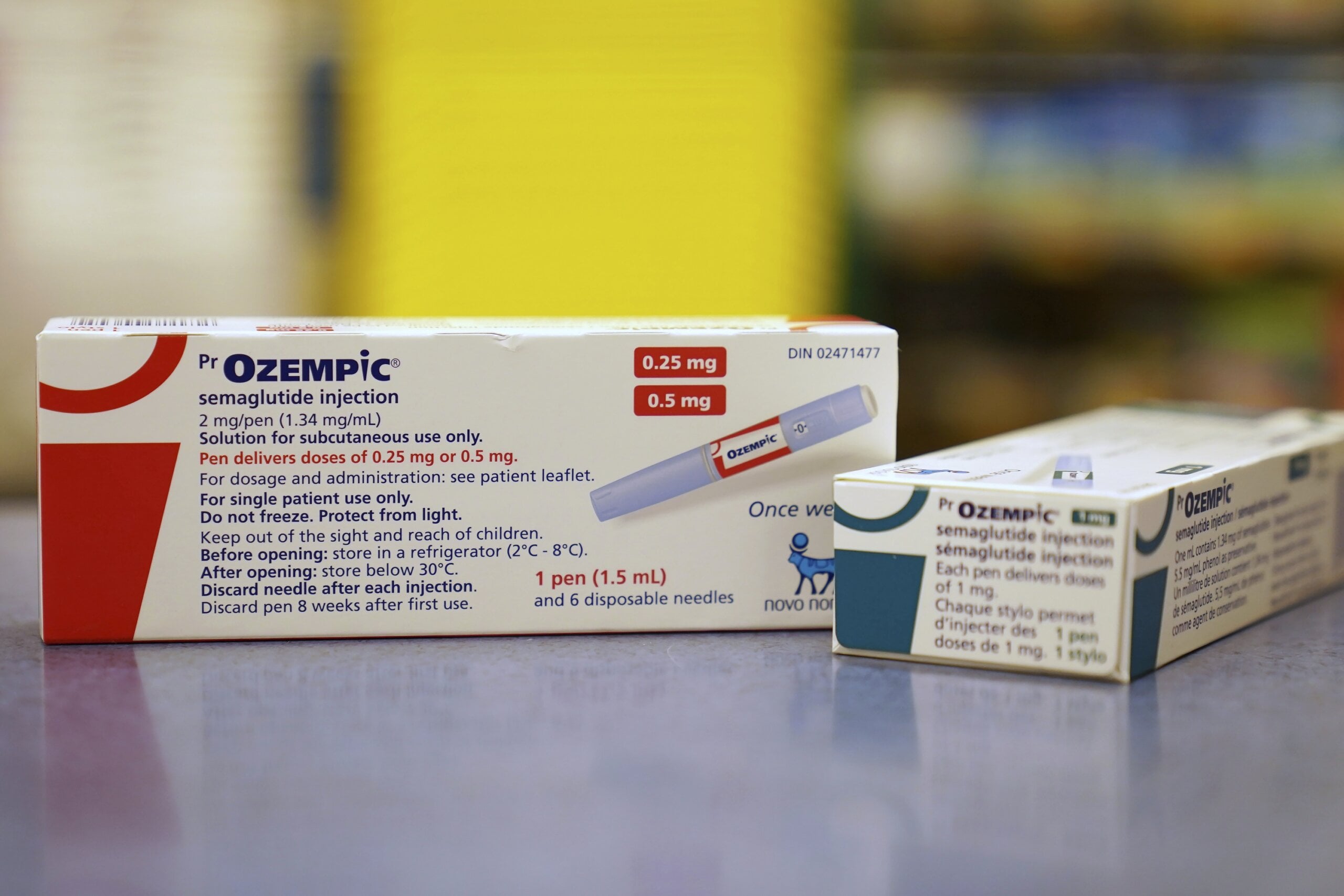
Poison centers across the United States have reported a significant increase in calls related to the misuse of semaglutide, a drug used for Type 2 diabetes and weight loss under brand names like Ozempic and Wegovy. Patients have been accidentally poisoning themselves by taking the medication incorrectly, often confusing the recommended once-a-week dosage and instead taking it daily or multiple times a week. The misuse has led to severe side effects, including hospitalizations for nausea, vomiting, and stomach pain. Experts urge patients to carefully follow the dosing instructions and consult with their pharmacist to avoid accidental overdoses.

health2 years ago

Surge in Poison Center Calls for Weight-Loss Drug Overdoses

Poison centers in the United States have reported a 1,500% surge in calls related to accidental poisonings involving the weight-loss drug semaglutide. From January to November 2021, America's Poison Centers received 2,941 calls, with semaglutide being the only substance reported in 94% of cases. Most cases were resolved with treatment, but some individuals experienced severe symptoms and required hospitalization. Dosing errors, such as accidental double doses or incorrect dosing, were the main cause of these incidents. The compounded versions of semaglutide, which lack safety features, were identified as a potential risk factor. Patient education and improved labeling and dispensing practices are recommended to prevent misuse and overdosing of the medication.

health2 years ago

Surge in Weight-Loss Drug Overdose Calls Reported by Poison Centers

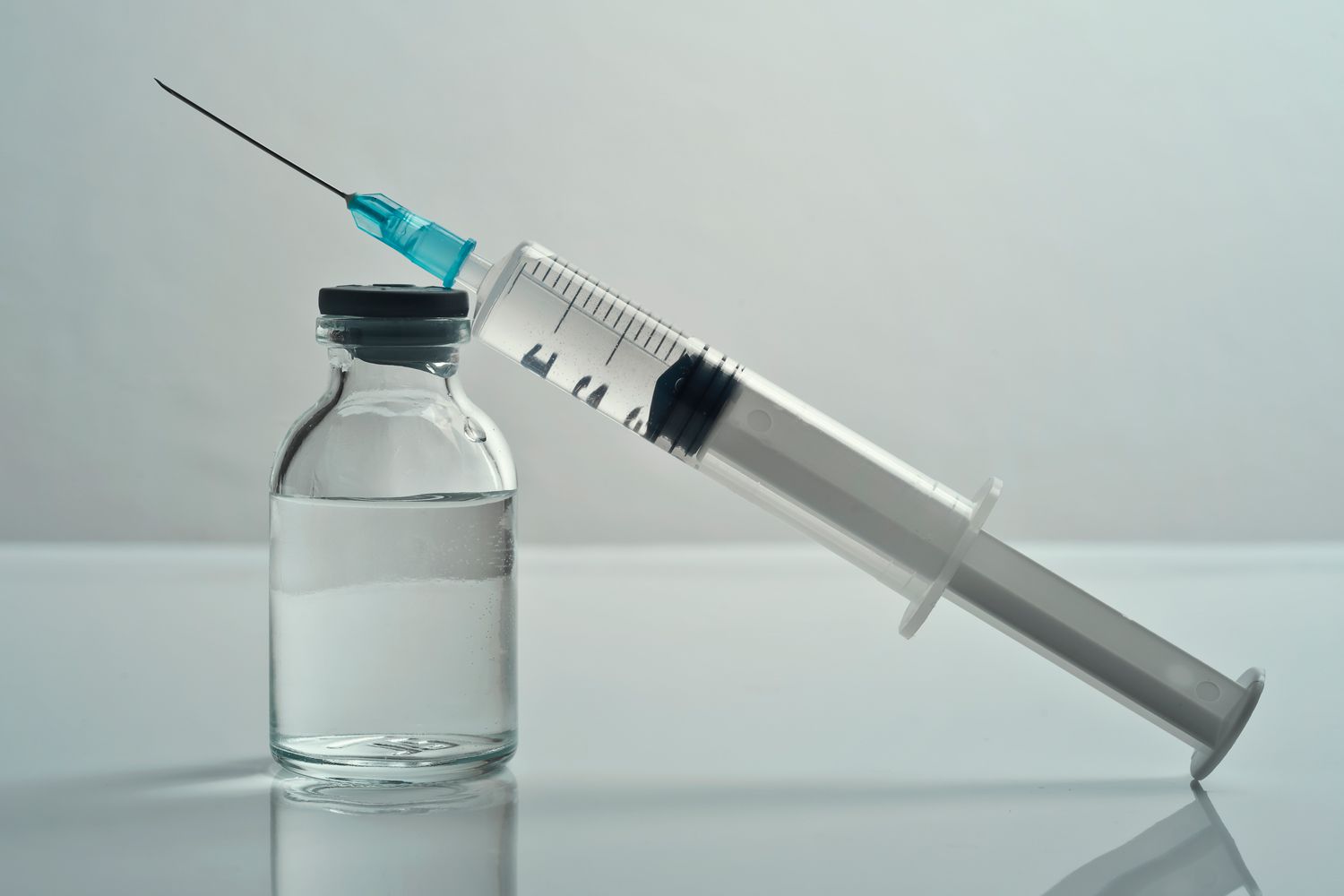
Overdoses involving weight-loss drugs like Ozempic have increased by 1,500% over the past five years, with America's Poison Centers receiving nearly 3,000 calls related to these medications in 2021 compared to just 196 in 2019. Most of the cases were linked to compounded versions of the drug, rather than the manufactured product. Overdosing on Ozempic can lead to severe symptoms such as nausea, diarrhea, abdominal pain, and constipation. The issue is attributed to errors in dosing, particularly with pharmacy-made versions that are distributed in glass vials, making it easier for patients to accidentally overdose. The surge in demand for weight loss drugs has led to shortages, prompting pharmacies to produce their own versions, which has raised concerns from the FDA about unapproved doses and ingredients.

health2 years ago

Surge in ADHD Medication Errors Reported to Poison Centers, Study Reveals

A recent study at the Center for Injury Research and Policy at Nationwide Children's Hospital found that medication errors for attention-deficit/hyperactivity disorder (ADHD) have increased by nearly 300% between 2000 and 2021 for individuals under 20 years old. The study analyzed data from U.S. poison centers and identified 87,691 cases of prescription mistakes, with an average of 3,985 errors per year. The majority of errors (76%) involved male patients, and children between 6 and 12 years old accounted for 67% of the errors. The most common types of errors included taking medication twice, taking someone else's medication, and taking the wrong medication. The study highlights the need for improved patient and caregiver education, as well as better medication dispensing and tracking systems to prevent future errors.